
Rubber Granulator Blade
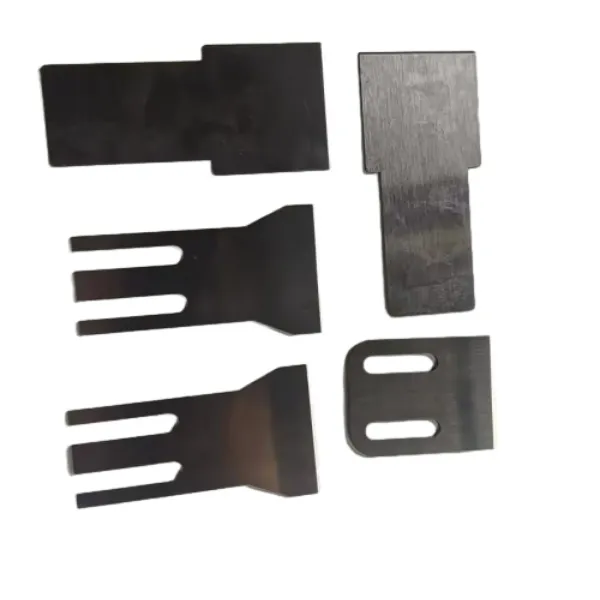
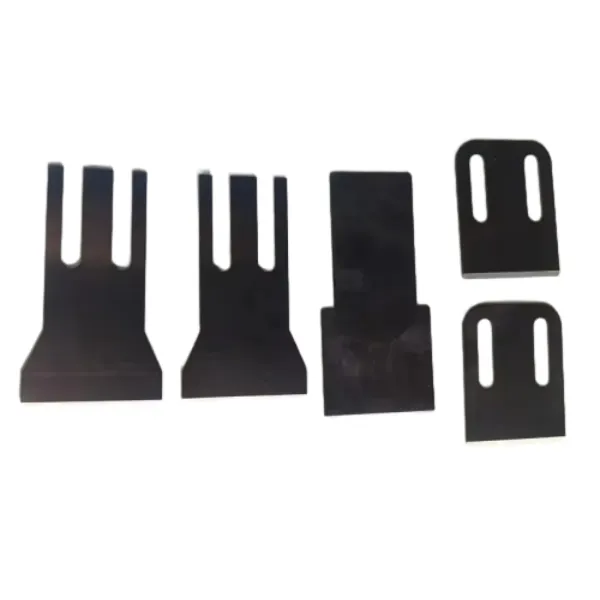
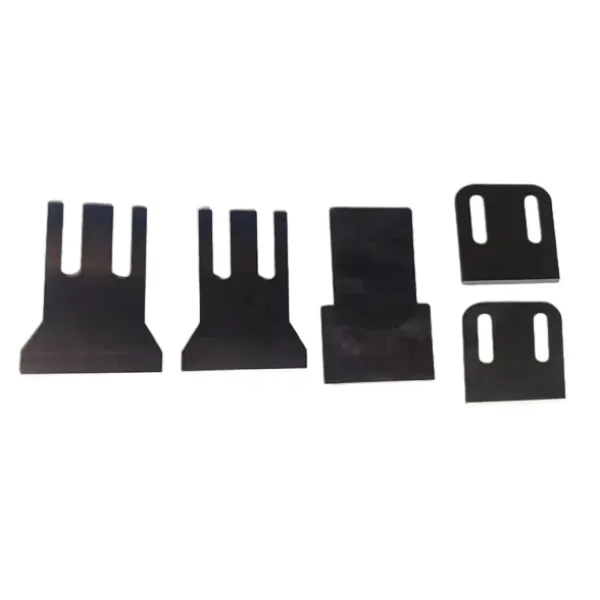
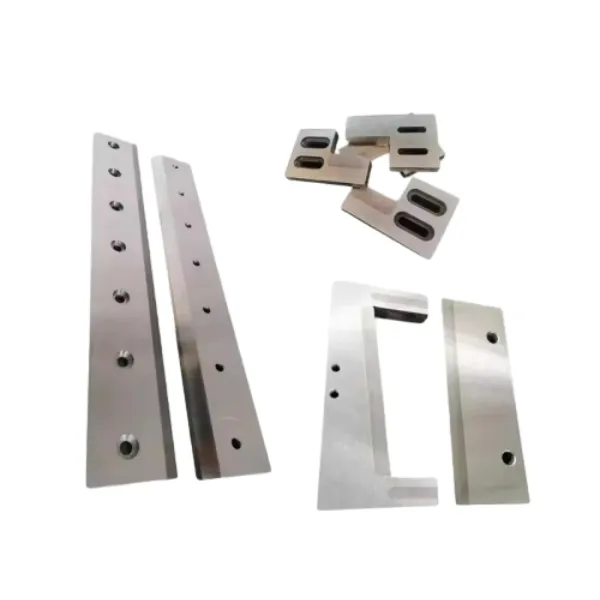
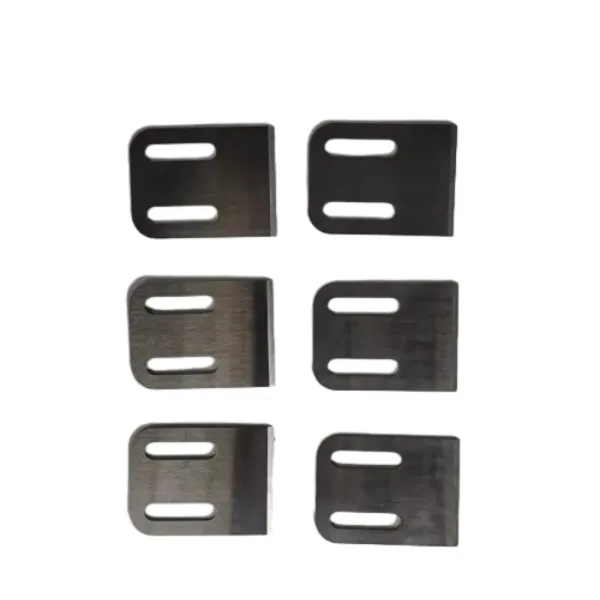
1.Rubber waste recycling treatment: used to cut large pieces of waste such as waste tires and rubber products into uniform particles, which are reused as recycled rubber raw materials in the production line to reduce rubber resource consumption. Typical scenarios include recycled rubber manufacturing plants, rubber recycling enterprises, etc.
2.Preparation of new rubber materials: Accurately granulate modified rubber (such as composite materials with added carbon black and fibers) to ensure that the particle size meets the requirements of subsequent processes such as injection molding and extrusion.
3.Collaborative processing of mixed materials: Processing rubber waste containing metal inserts or plastic composites (such as sealing rings, conveyor belts), achieving impurity separation through granulation, and improving rubber purity.
|
Type |
Design Characteristics |
Applicable Scenarios |
|
Granulation roller |
Circular blades with tooth shaped structures (such as 12 teeth and 18 teeth) are used to shape rubber particles through high-speed rotary extrusion, which is compatible with the screw system of the granulator host |
Production of rubber accelerators and recycled rubber particles, with a particle size accuracy requirement of ± 0.5mm |
|
Crusher blade (combination of moving blade and fixed blade) |
Flat blade structure, combining moving and fixed blades to cut and crush waste rubber, supporting adjustment of cutting gap to control particle size |
Technical points: Adopting embedded steel blades (all steel blades are prone to wear), with a heat treatment hardness of HRC52-55, and equal emphasis on impact resistance and wear resistance. |
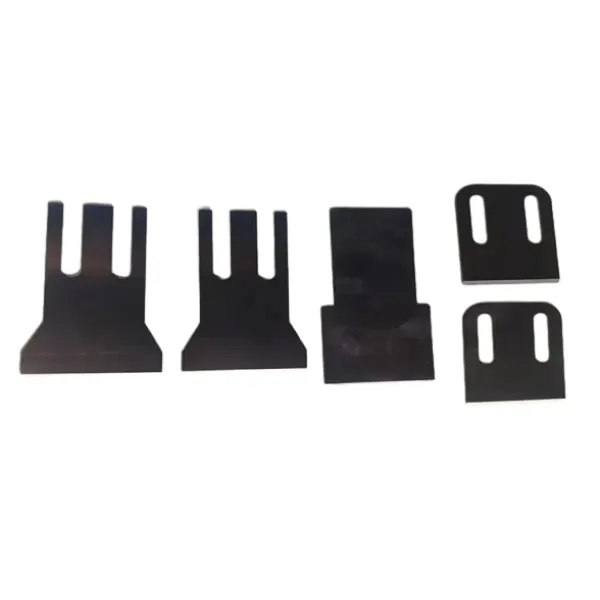
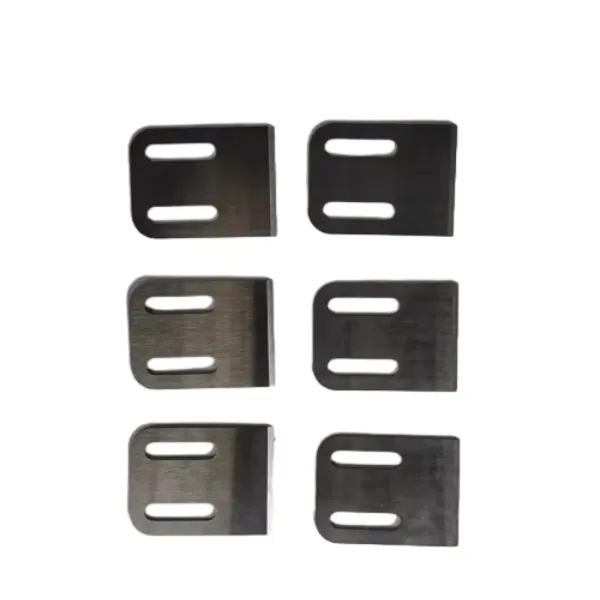
|
Material |
Hardness(HRC) |
Wear Resistance |
Impact Resistance |
Applicable Scenarios |
|
Cr12MoV |
58-62 |
★★★★ |
★★★ |
General rubber granulation (tires, industrial materials) |
|
hard metal |
65-70 |
★★★★★ |
★★☆ |
High load continuous operation (such as accelerator granulation) |
|
high-speed steel |
55-58 |
★★★ |
★★★☆ |
Intermittent granulation or small equipment |
High resistance running in steel (such as Cr12MoV) is suitable for continuous cutting of high elasticity natural rubber, while high-speed steel blades are more suitable for processing tire waste containing steel wire.
Special coating technology (such as titanium nitride) can reduce rubber adhesion and extend the service life of blades.
1.Daily maintenance
Cleaning: Clean the rubber residue on the surface of the blade every shift (assisted by a high-pressure air gun) to prevent melting and adhesion from affecting cutting accuracy.
Lubrication: Add lithium based grease to the blade shaft bearing every 50 hours to reduce metal fatigue wear.
2.Replacement cycle
Cr12MoV blade: 200-400 hours;
Hard alloy blade: 800-1200 hours.
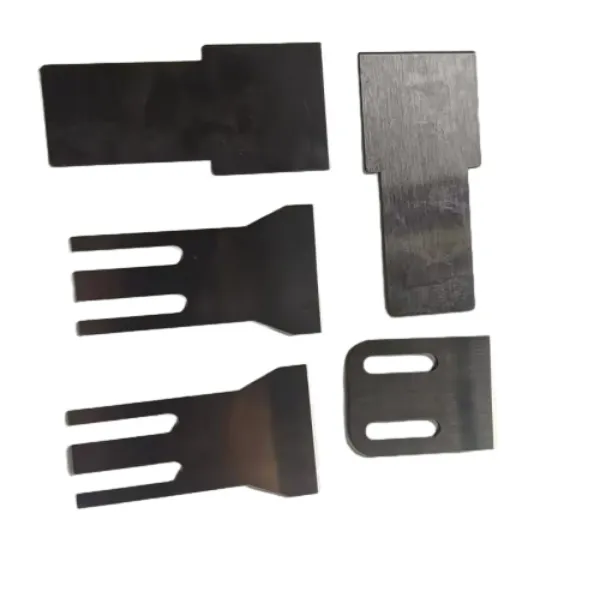
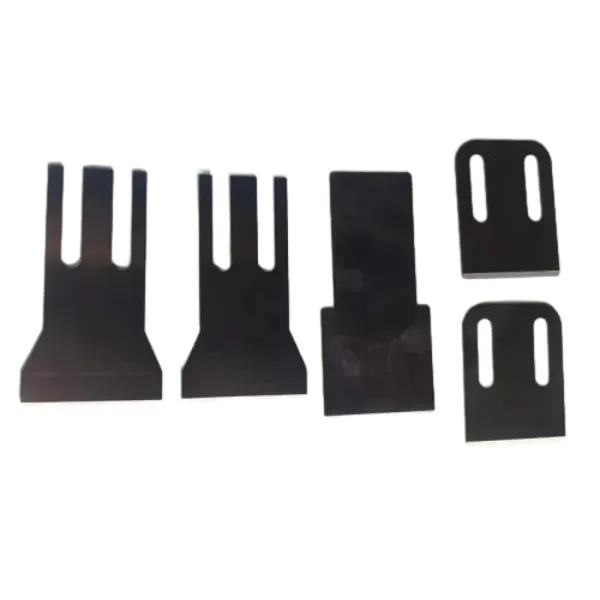
Dynamic adjustment system: equipped with pressure sensors and intelligent control system, real-time optimization of blade clearance and speed.
Composite coating technology: tungsten carbide+diamond coated blades, with a 40% increase in wear resistance and an extended lifespan of up to 1500 hours.
Summary: Rubber granulator blades need to be selected comprehensively based on the type of raw material (pure rubber/impurities), production scale (continuous/intermittent), and cost control:
Economic type: Cr12MoV pellet rolling cutter;
Industrial grade: Hard alloy rolling cutters (wear-resistant priority) or steel embedded grinding knives (impact resistant priority);
Precision granulation: dynamic adjustment system+composite coating blade (technology upgrade plan).
best blade for cutting rubber
cutting rubber with circular saw
saw for cutting rubber
Rubber Granulator Blade FAQs
What is a rubber granulator blade and how is it used in rubber recycling?
A rubber granulator blade is a specialized cutting tool designed for efficient size reduction and granulation of rubber materials. It is widely used in rubber recycling, industrial rubber processing, and high-value rubber material recovery. By converting scrap rubber, tires, and other waste rubber products into uniform granules, the blade supports large-scale rubber recycling operations while improving material handling and reducing processing costs.
What materials are suitable for industrial rubber granulator blades?
Industrial rubber granulator blades are typically made from high-strength alloy steel, tool steel (such as 55SiCr or Cr12MoV), or coated hard alloy materials. These materials enhance wear resistance, maintain sharpness under high-speed operation, and extend blade service life in continuous rubber recycling and industrial rubber processing applications. Some blades are treated with titanium nitride coatings to reduce friction and prevent sticking.
How does blade design affect rubber granulation efficiency?
The efficiency of a rubber granulator blade depends on its design and configuration. Multi-blade arrangements, staggered teeth, and spiral or rotary structures improve shredding efficiency, reduce material entanglement, and enhance the quality of rubber granules. Properly designed blades ensure uniform particle size, reduce energy consumption, and improve overall productivity in rubber recycling plants.
What particle sizes can be achieved using a rubber granulator blade?
A high-quality rubber granulator blade can produce rubber granules ranging from 1mm to 20mm depending on the material and granulator configuration. For example, tires can be shredded into 5-10mm granules for further processing into rubber powder, while industrial rubber scraps may require 2-5mm granules. Consistent particle size is critical for rubber recycling applications such as injection molding, asphalt modification, and composite rubber products.
Can rubber granulator blades process composite rubber and plastic materials?
Yes, rubber granulator blades with multi-axis or staggered designs can process composite rubber and plastic materials efficiently. By combining cutting, tearing, and shearing mechanisms, these blades separate rubber from plastics or metal components while maintaining material integrity. This capability is essential for mixed material recycling plants and high-value industrial rubber processing.
How do rubber granulator blades contribute to sustainable rubber recycling?
By efficiently converting waste rubber into reusable granules or powder, rubber granulator blades support the circular economy in the rubber industry. They increase the recovery rate of materials, reduce landfill waste, lower energy consumption during processing, and provide high-quality granules for reuse in tires, automotive components, sports flooring, and construction materials. This makes them a key tool in environmentally friendly rubber recycling operations.
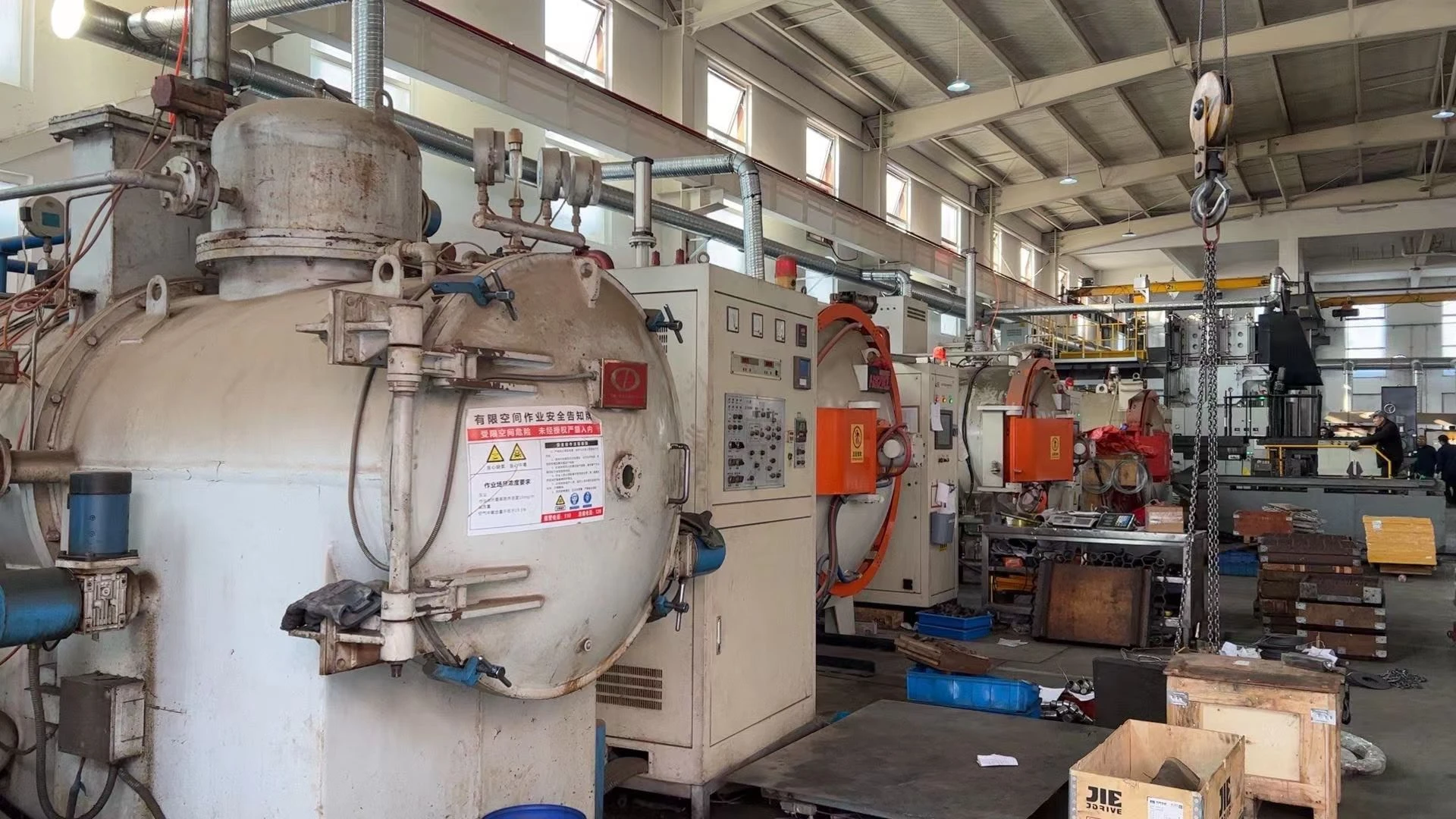
Durable Rubber Granulator Blades for Continuous Operation
Our rubber granulator blades feature tungsten carbide reinforcements and wear-resistant coatings that triple blade life in abrasive rubber processing. The precision-balanced design reduces vibration during high-speed granulation, ensuring smooth operation and extended equipment life. These heavy-duty blades are specifically engineered to handle steel-belted tires and reinforced rubber materials without premature dulling. Trusted by tire recyclers worldwide, our granulator blades significantly reduce downtime for blade changes while maintaining optimal particle size distribution in rubber crumb production.
-
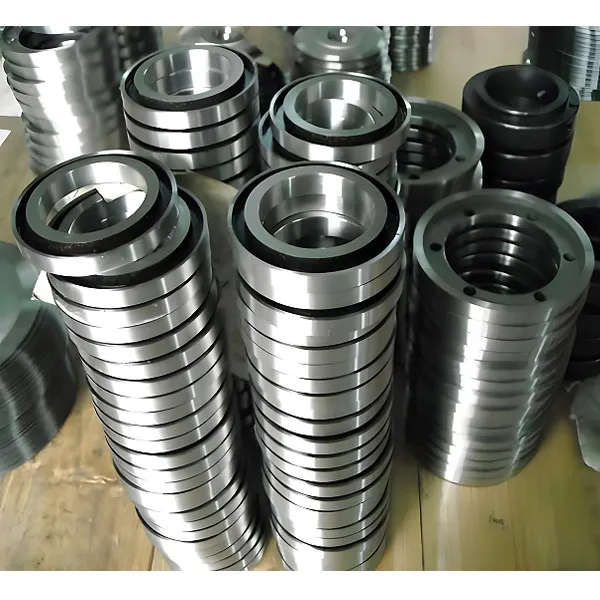 Rubber Slitting And Cutting BladesRubber slitting blades achieve efficient and precise rubber material processing in industrial manufacturing, resource recycling and reuse, automotive manufacturing, medical electronics and other fields through high-strength materials, precise geometric design and intelligent control, promoting the green and high value-added transformation of industrial production.
 -
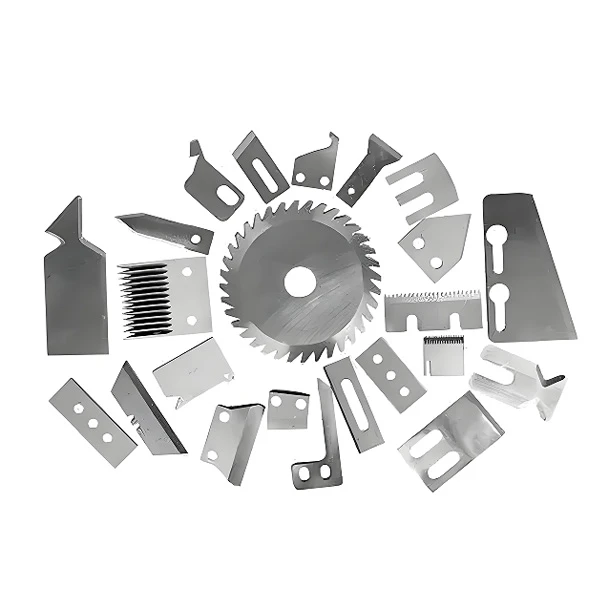 Tyre Cord Straight KnifeThe tire cord straight knife achieves high-precision and high-efficiency cord processing in tire inspection, resource recycling, and customized processing through high-strength materials, optimized geometric design, and intelligent control, promoting the transformation of the tire industry towards green manufacturing and circular economy.
 -
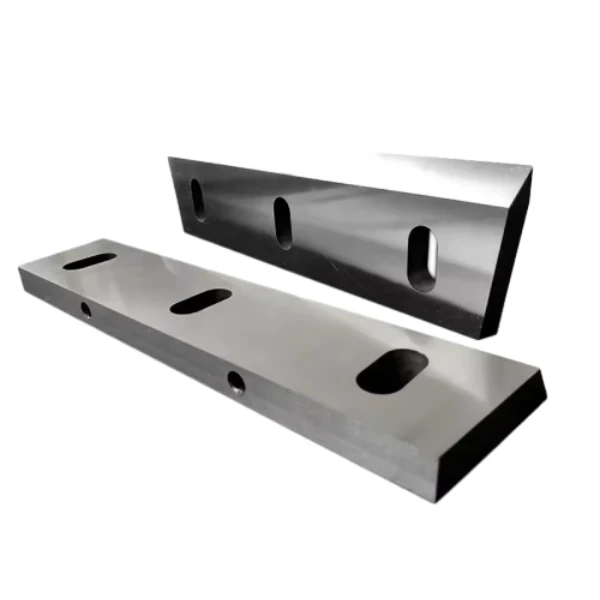 Rubber Shredder Recycling BladeRubber shredding and recycling blades have a wide range of applications in the environmental protection industry, automotive manufacturing, electronics, and industrial fields. By adapting blade materials, structures, and process parameters, rubber shredding and recycling blades can efficiently support circular economy and resource regeneration needs.
 -
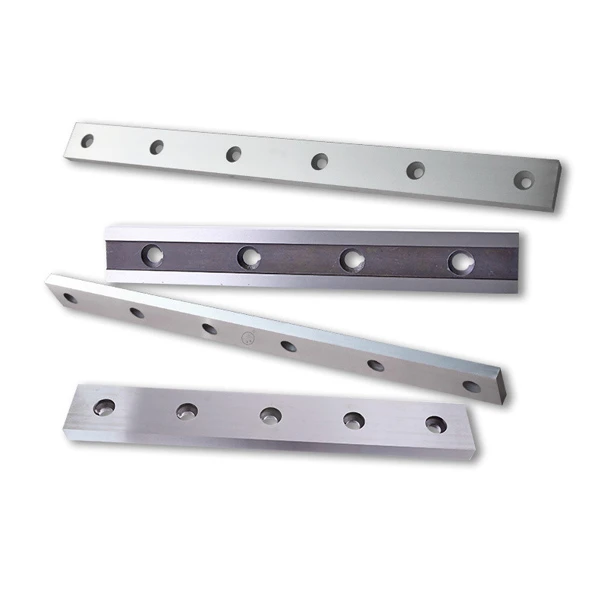 Guillotine Shear BladesThe blade of the hydraulic shearing machine is the core cutting component of the hydraulic shearing machine. Its function and working process: It consists of a moving upper blade and a fixed lower blade. The upper blade is driven by a hydraulic system to apply shear force to the metal sheet, while the lower blade provides support. The blade gap is adjusted reasonably, and the shear stress is used to break and separate the sheet according to the set size, thus achieving its cutting function.
 -
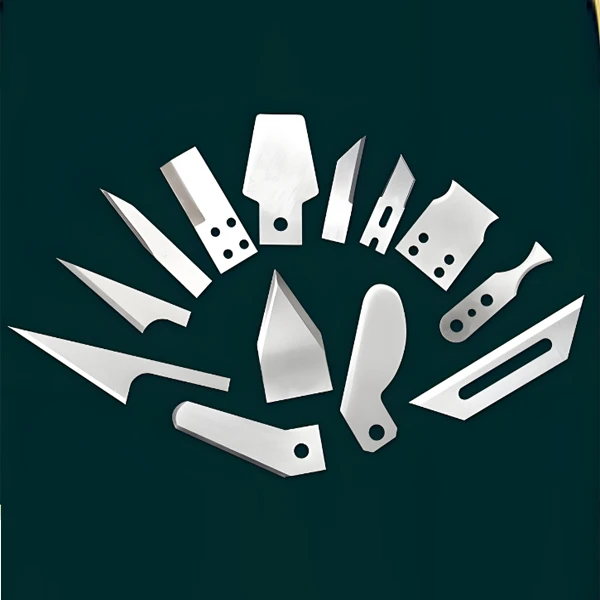 Customized BladesThe irregular blades in the food industry are made of stainless steel material and have customized blade designs (curved blades, U-shaped blades, wavy blades) as their core. They are suitable for diverse scenarios such as chopping, meat grinding, and slicing, and meet industrial and household needs through enhanced craftsmanship and functional design.
 -
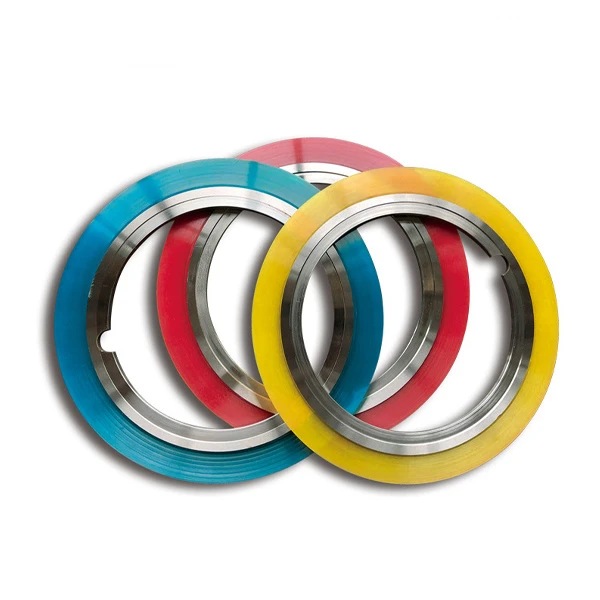 Steel Mill SpacerIn the slitting process of metal thin plates such as stainless steel, aluminum plates, and copper plates, as well as in the slitting of cold-rolled steel plates, hot-rolled steel plates, and pickled plates, spacers and washers are used to control the spacing between slitting blades and adjust the horizontal gap between upper and lower blades to ensure the accuracy of slitting width and cutting stability. They are indispensable components in widely used production. Welcome to ask us related questions
 -
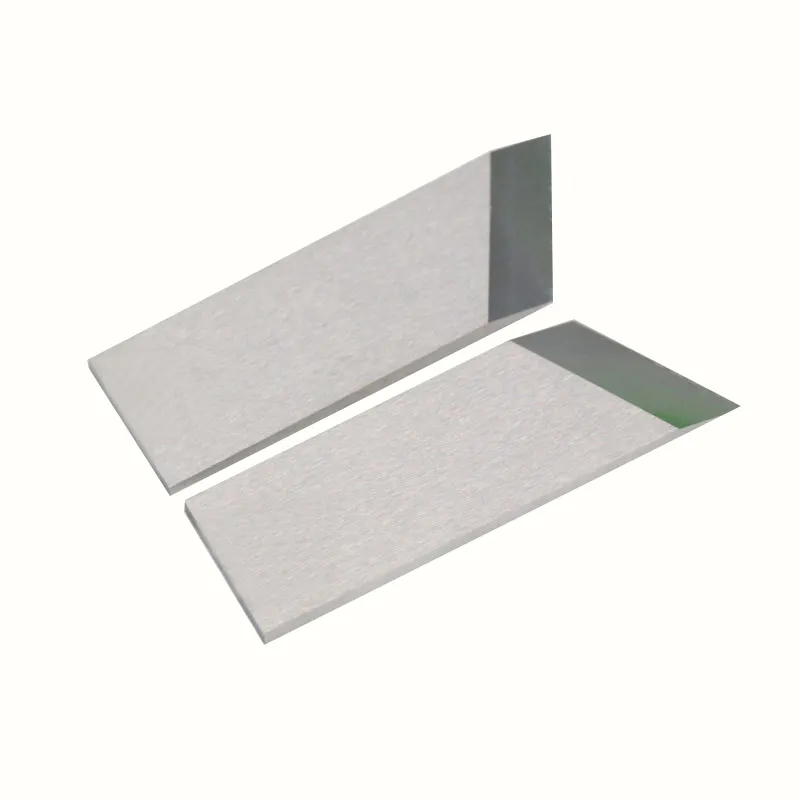 Planner Knife And Rotary Blades In Wood IndustryPlaning knives can be used for precision thickness sheet metal processing, decorative veneer production, special surface treatment, etc; Rotary cutters can be used for continuous production of thin wood veneer, preparation of veneer substrates, and adaptation to automated processing;
 -
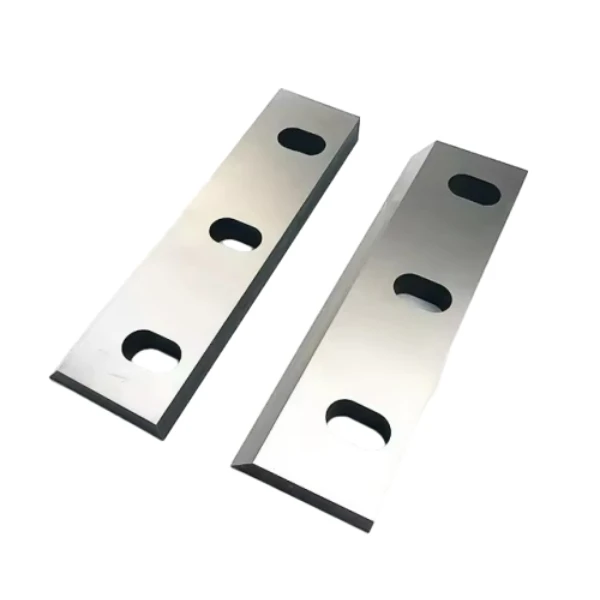 Solid Waste Recycling Crusher BladeThe blades of the solid waste recycling crusher achieve efficient resource utilization in the fields of tire recycling, mixed material cutting, and plastic crushing through high-strength materials (alloy steel/hard alloy) and structural innovation (modular/multi-layer layout), promoting the large-scale production of high value-added products such as recycled rubber and environmentally friendly building materials.
Get Binsheng Blade Tech Tips
ISO 9001 insights: industry trends & blade guides


