
Customized Blades
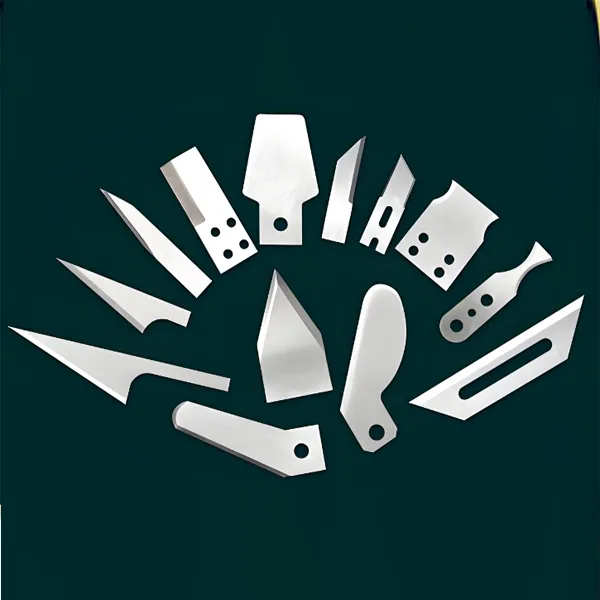
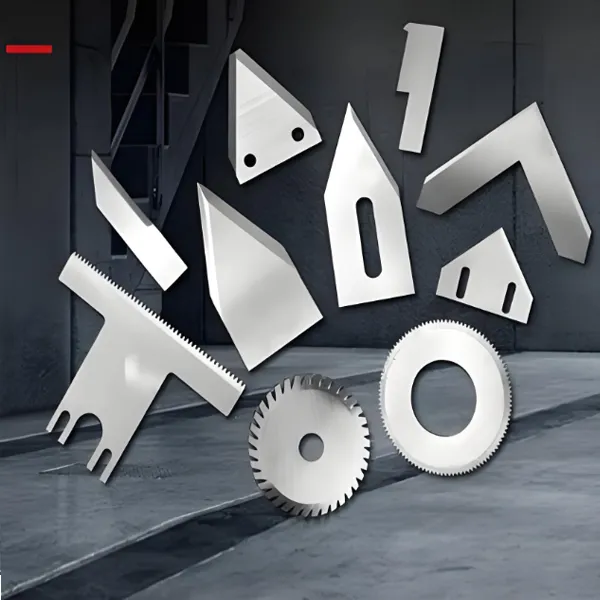
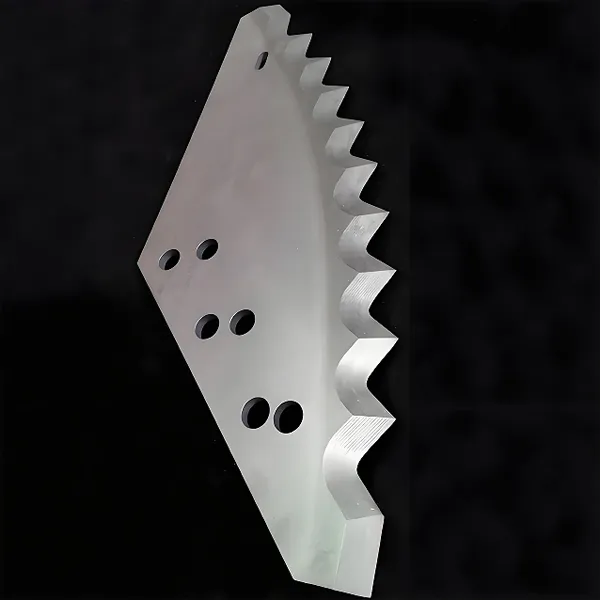
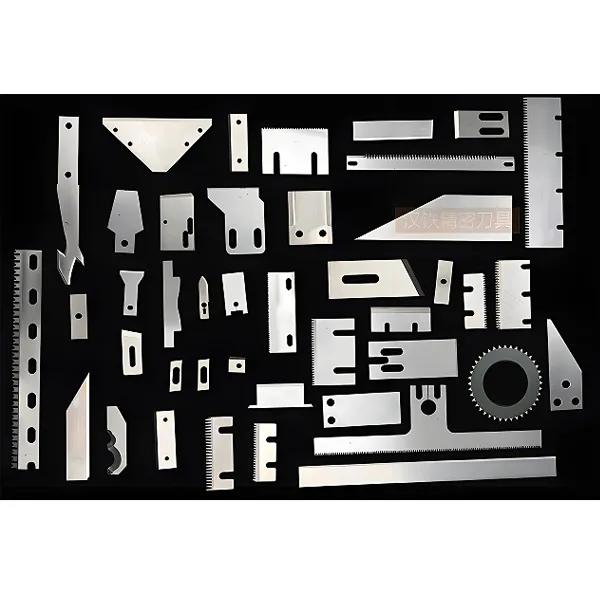
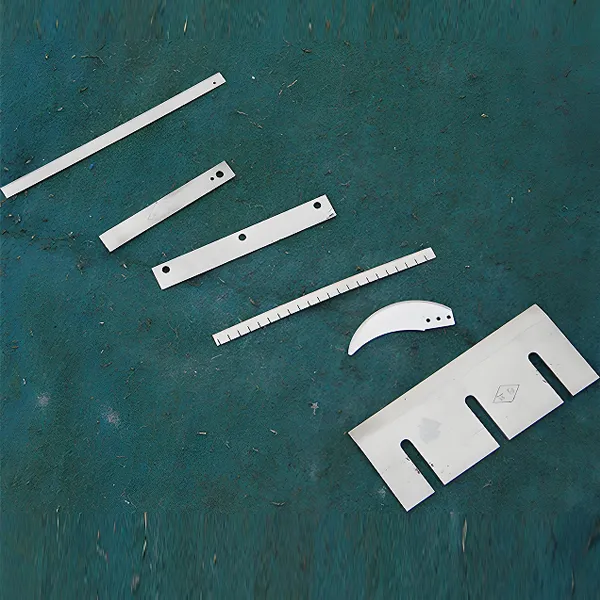
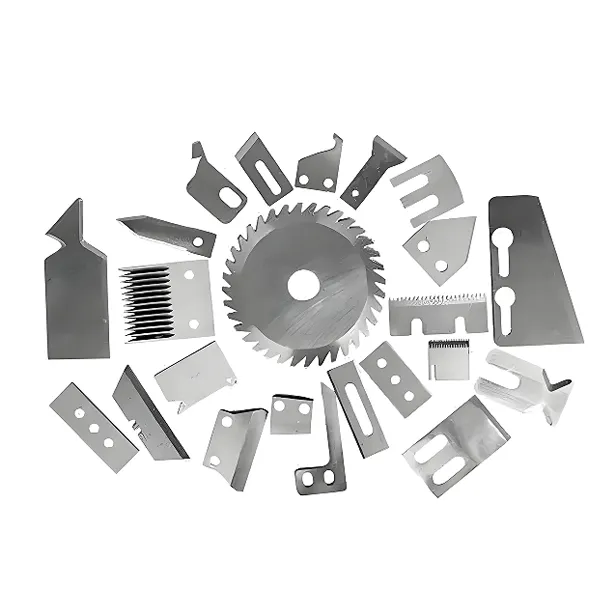
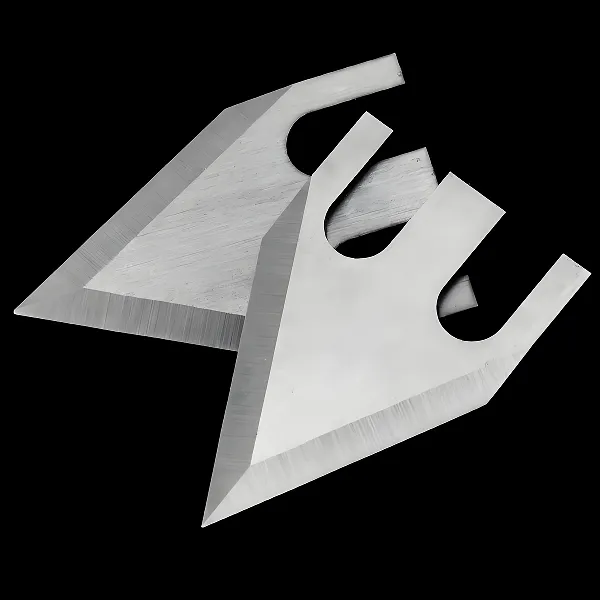
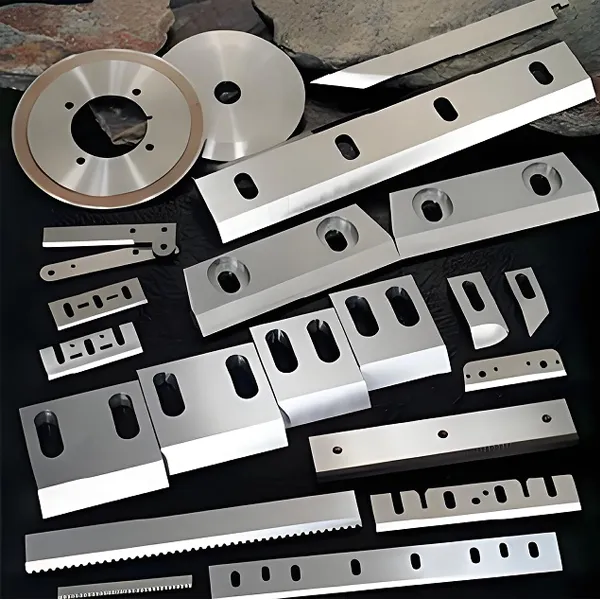
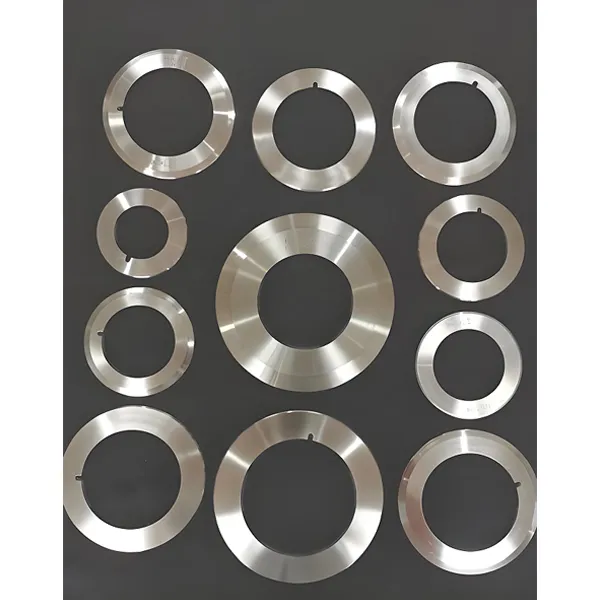
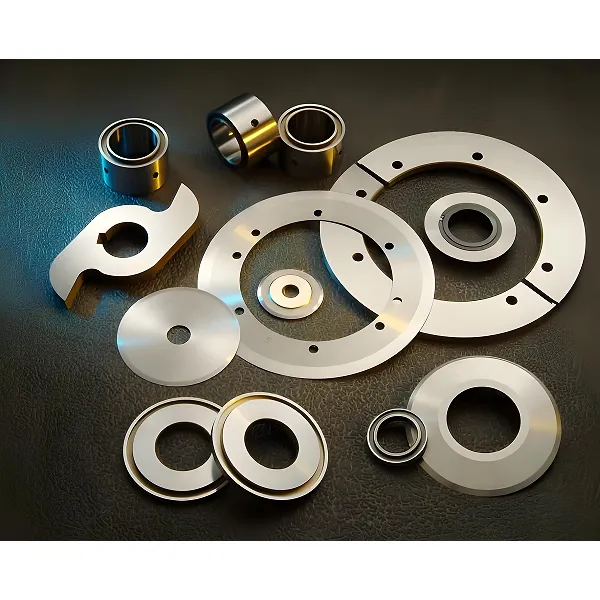
The Core Application Of Irregular Blades In The Food Industry
Alien blades in the food industry have a wide range of applications in pre packaged food and meat processing, baking and packaging slitting, and special ingredient processing, as follows:
1.Complex ingredient cutting: The irregular blade can accurately cut irregular ingredients such as chicken feet and fish fins through customized blade design (such as curved blade, wavy blade), and can adapt to various processing needs of a single machine, improving the efficiency of processing pre made food ingredients.
2.Adaptation to automated production lines: Combined with a hanging chain conveyor system, the shaped blades can complete the fine decomposition of chicken and duck bodies (such as bone removal and wing separation), with a processing capacity of 800-1000 per hour on a single production line.
3.Baking food cutting: Using serrated shaped blades to cut cakes and puff pastry, avoiding squeezing and deformation, with a cutting flatness error of ≤ 0.2mm, ensuring the appearance quality of high-end baked goods. Customized low-temperature anti sticking blades (-10 ℃ working environment) for frozen dough to reduce the rate of food adhesion and damage.
4.Food packaging processing: Alien blades are used for cutting packaging materials such as aluminum foil and composite film, with a micrometer level precision (± 0.0005mm) at the cutting edge to achieve burr free cutting, suitable for synchronous operation of high-speed sealing machines. The dotted blade completes the easy to tear line processing on the snack packaging bag, and the cutting depth is precisely controlled to be 1/3-1/2 of the material thickness.
5.Processing of dairy and soy products: Cheese cutting uses a constant temperature shaped blade (10-15 ℃), combined with an obtuse angle blade design, to achieve 0.2-1.0mm thin slice cutting without residual debris. In the irregular cutting of soft food materials such as tofu and dried tofu, hydrophobic coating is added on the blade surface to reduce the attachment rate of food materials by ≥ 40%.
Alien blades, through non-standard customization and material innovation, improve food processing accuracy while reducing loss rates, becoming a core tool in the fields of pre packaged food, packaging, and special ingredient processing.
|
Material Type |
Applicable Scenario |
Performance Advantage |
Typical Parameters |
|
301 Stainless Steel |
Cutting of fruits and vegetables and packaging film |
Low cost and easy maintenance |
Hardness HRC50-53 |
|
4cr13 Stainless Steel |
Meat, baking and cutting |
Wear resistance increased by 30% |
Hardness HRC54-56 |
|
High-Speed Steel |
High speed cutting of frozen meat and composite film |
Thermal collapse edge |
Hardness HRC62-64 |
|
Hard Metal |
Treatment of bones and superhard ingredients |
Life span ≥ 8,000 hours |
Hardness HRC88-92 |
The food industry's irregular blades achieve full scene coverage from conventional cutting to high-strength processing through precise matching of materials and processes.
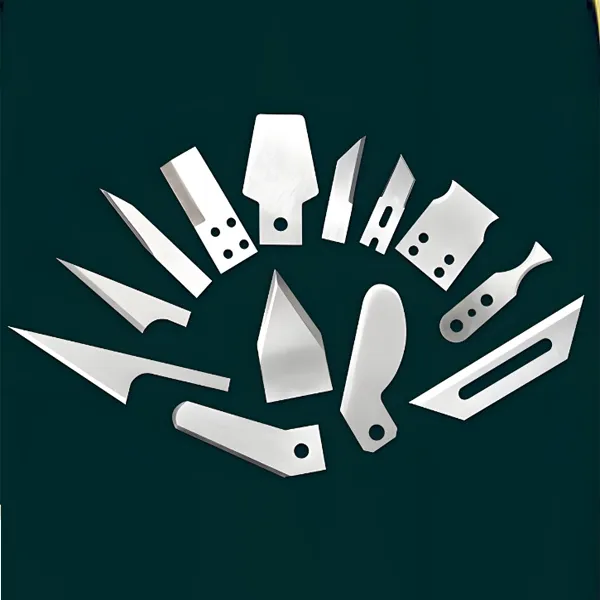
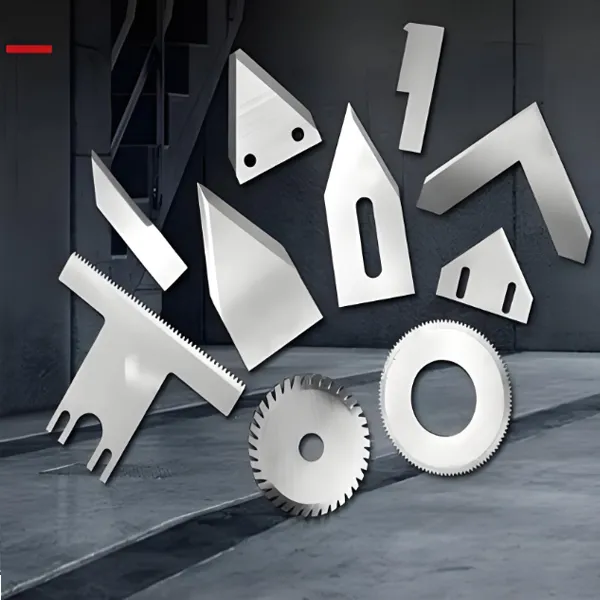
1.301/302 stainless steel: suitable for basic cutting scenarios, corrosion resistance meets food contact standards, hardness range HRC50-53.
2.3Cr13/4Cr13 martensitic stainless steel: The wear resistance is improved through heat treatment process, and the hardness can reach HRC54-56, suitable for meat cutting and packaging material cutting.
3.304/440C stainless steel: Made of high-purity material (with a carbon content of 0.9% -1.2%) that balances corrosion resistance and sharpness, it is used for precision processing of dairy products, baked goods, and other products.
4.White steel (such as W6Mo5Cr4V2) has a hardness of HRC62-64 and is used in high load cutting scenarios (such as frozen meat and composite film cutting) with outstanding anti chipping performance. Some blades are coated with high-speed steel alloy to improve the heat resistance of the blade edge (working temperature tolerance ≤ 300 ℃).
5.Hard alloy (tungsten steel): made by sintering tungsten carbide and cobalt, with a hardness of HRC88-92, used for cutting superhard food (such as bones and frozen food), with a wear resistance life 5-8 times that of ordinary steel.
Coating strengthening
Titanium based coating (TiN/TiAlN) reduces the friction coefficient by 30% -40%, reduces food adhesion, and is suitable for soft and sticky foods such as soy products and cheese.
Chromium nitride coating (CrN) enhances corrosion resistance and meets the requirements of CIP cleaning and high-temperature steam disinfection.
Special processing techniques
Laser micro level cutting technology: blade roughness ≤ Ra0.2 μ m, achieving burr free cutting (such as aluminum foil packaging materials).
Low temperature tempering process: Balancing hardness and toughness to prevent blade fracture under impact loads (such as pork rib cutting scenarios).
|
Blade Type |
Structural Characteristics/Property |
Adaptive Scene |
|
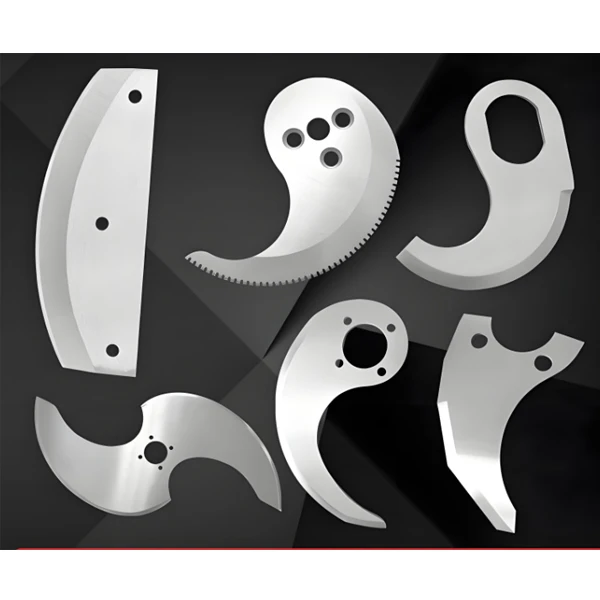
A Machete/Chopper |
Arc cutting edge design |
Suitable for cutting and mixing machine to mix minced meat and ingredients, meat processing plant, central kitchen. |
|
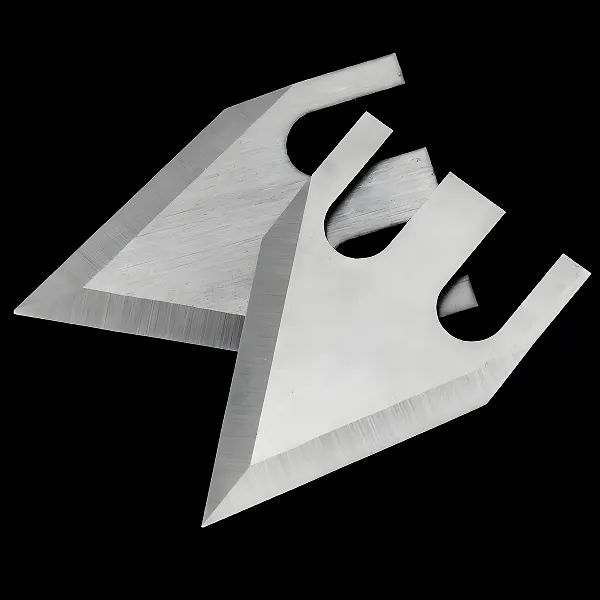
Triangle Knife/Horn Knife |
Sharp angle cutting edge |
Used for fine cutting or carving (such as bread carving), baking and frozen meat carving. |
|
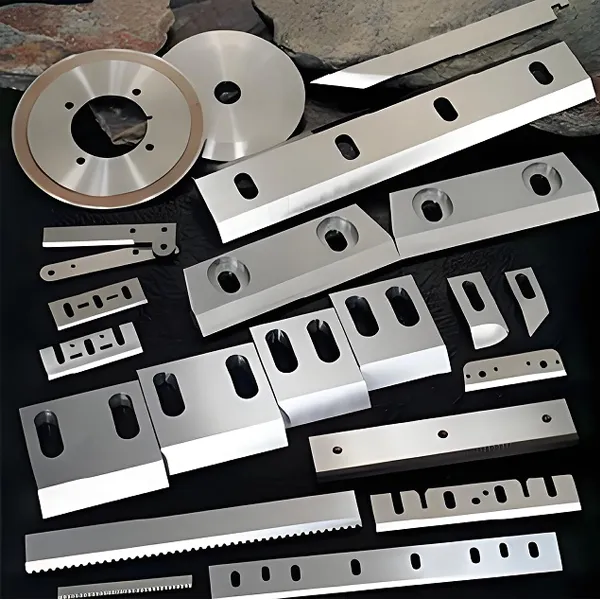
U-Blade/Grid Blade |
Grid cutting edge |
Standardized meat cutting (such as commercial fish cutter), aquatic product processing and prepackaged foods production line. |
|
Wave Blade |
The cutting edge is wavy |
High-frequency meat grinder and vegetable shredding device for reducing food adhesion and improving cutting efficiency |
Meat processing
Chopping and mixing machine: using a combination of curved and straight knives to achieve emulsification and mixing of minced meat.
Meat grinder: Irregular blades (such as nine shaped blades) are suitable for adjusting the thickness of different meats.
Baking and Frozen Products
Bread slicer: serrated shaped blade (such as stainless steel bread knife) ensures a smooth cut surface.
Frozen meat cutting machine: Hard alloy blades (such as V-shaped blades) are suitable for efficient cutting of frozen meat.
Selection principle
High frequency scenario: Prioritize hard alloy or titanium coated blades for better wear resistance.
Special requirements: Customization of blade density and outer diameter is required (such as customized aperture for mesh blades).
Maintain standards
Cleaning requirements: Rinse blood stains or food residue immediately after use to avoid corrosion (stainless steel blades need to be thoroughly cleaned weekly).
Replacement cycle: It is recommended to replace the blades every 200-300 hours for commercial high-intensity operations, and it can be extended to 1 year for household devices.
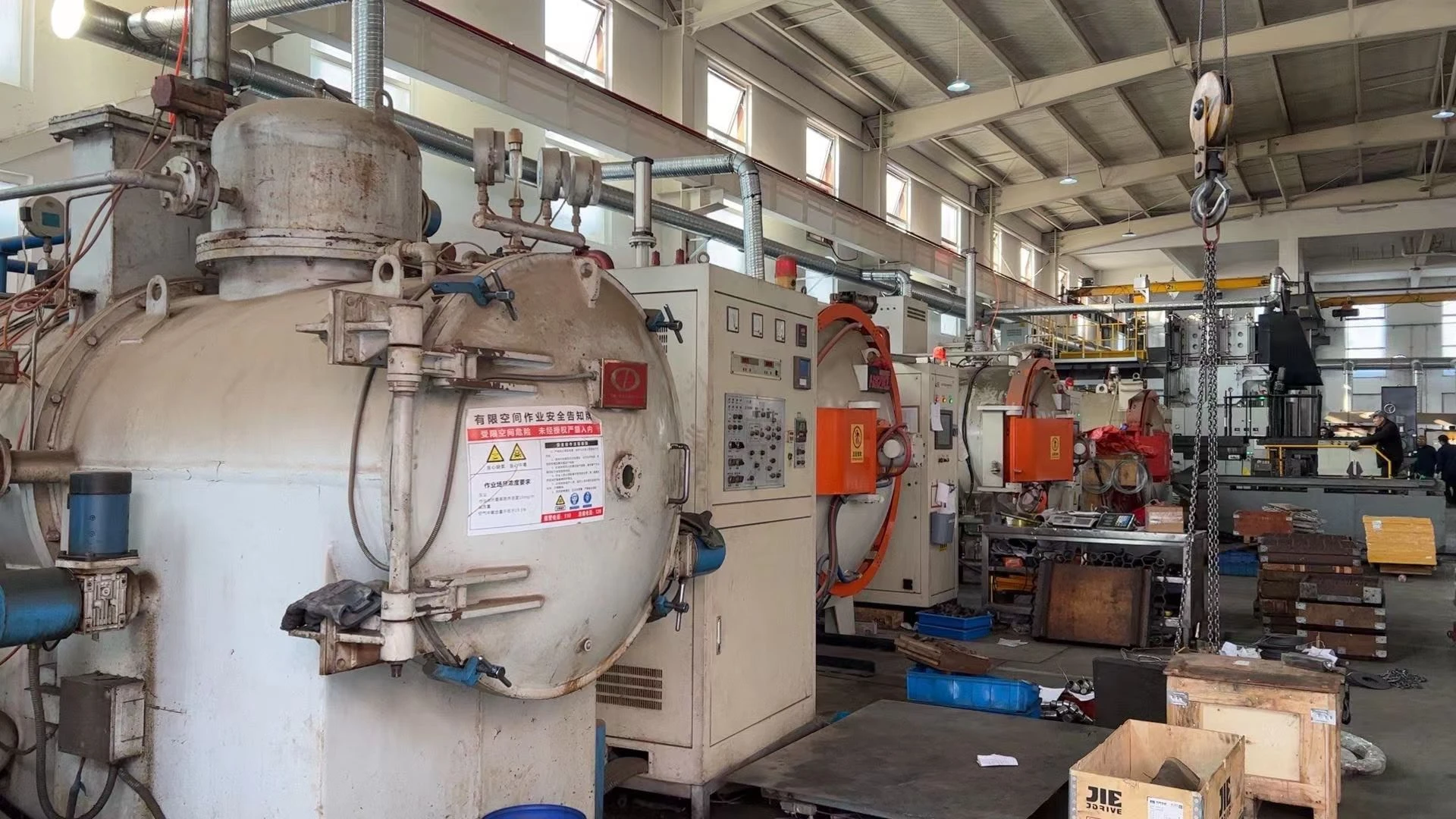
Irregular blades in the food industry are made of stainless steel materials (such as 420J2) and customized blade designs (curved blades, U-shaped blades, wavy blades) as the core, suitable for diverse scenarios such as chopping, meat grinding, and slicing. Mainstream manufacturers meet industrial and household needs through enhanced processes (vacuum heat treatment) and functional design (anti adhesion structure).
customized blades
straight cutting blade
vegetable cutting blades
Customized Blades FAQs
What are customized blades for the food industry used for?
Customized blades for the food industry are designed for specialized cutting tasks such as slicing, chopping, and shaping food ingredients. They are widely used in meat processing, bakery production, packaging cutting, and prepared food processing where standard blades cannot meet complex cutting requirements.
What types of irregular blades for food processing equipment are commonly available?
Common types of irregular blades for food processing equipment include curved blades, U-shaped blades, wavy blades, serrated blades, and V-shaped blades. Each design is optimized for different applications such as meat cutting, cake slicing, frozen food processing, or packaging material slitting.
What materials are used to manufacture stainless steel customized food processing blades?
Stainless steel customized food processing blades are typically made from materials such as 301/302 stainless steel, 3Cr13, 4Cr13, 304 stainless steel, and 440C stainless steel. These materials offer excellent corrosion resistance, durability, and compliance with food safety standards.
Can custom cutting blades be used in automated food processing lines?
Yes. Custom cutting blades are widely used in automated production lines for tasks such as poultry processing, packaging material cutting, and bakery slicing. With customized designs, they can achieve high processing capacity, sometimes reaching 800–1000 units per hour in industrial operations.
How do coatings improve the performance of industrial food cutting blades?
Coatings such as titanium nitride (TiN) or chromium nitride (CrN) reduce friction, improve wear resistance, and minimize food adhesion. These coatings help industrial food cutting blades maintain sharpness and improve cutting quality when processing sticky foods like cheese or soy products.
Are customized stainless steel blades suitable for cutting frozen or hard food materials?
Yes. Customized stainless steel blades made from high-hardness materials such as high-speed steel or tungsten carbide are suitable for cutting frozen meat, composite packaging films, and other high-load food processing tasks.
What industries commonly use custom food processing machine blades?
Custom food processing machine blades are widely used in meat processing plants, bakery production lines, dairy processing factories, food packaging facilities, and frozen food manufacturing plants.
How should customized food processing blades be maintained for longer service life?
Customized food processing blades should be cleaned immediately after use to remove food residue and prevent corrosion. In commercial food processing environments, blades are typically replaced every 200–300 hours, while household equipment may only require replacement once per year.
Tailor-Made Cutting Blades for Specialty Food Production
We deliver bespoke cutting solutions for niche food processing challenges. Our customized food blades accommodate unusual product shapes, delicate textures, or high-volume specialty cuts that standard blades can't address. From heritage meat cutting styles to innovative plant-based protein processing, we engineer blades with proprietary edge treatments and specialized coatings. The customization process includes consultation with our food technology experts to ensure your blades optimize cutting performance, reduce waste, and maintain product integrity through every production cycle.
-
 Meat ChopperThe meat chopper in the food industry is widely used in meat processing plants, restaurants and central kitchens, home and small commercial scenes, special food processing and other scenes. Through professional design and intelligent control, the processing efficiency is improved while food safety is guaranteed, covering the needs of the whole industry chain from industrial to home scenes.
 -
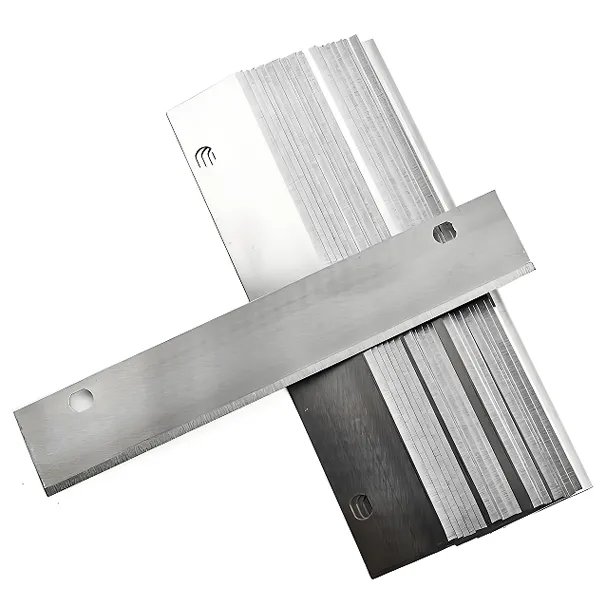 Slicing BladeFood industry slicing knives are used in the fields of meat processing, baking and noodle processing, vegetable and fruit processing, and other food sub sectors The slicing knife in the food industry has a wide range of applications. Through specialized design and material upgrades, it not only improves processing efficiency but also meets food safety requirements, becoming a key component of modern food production lines.
 -
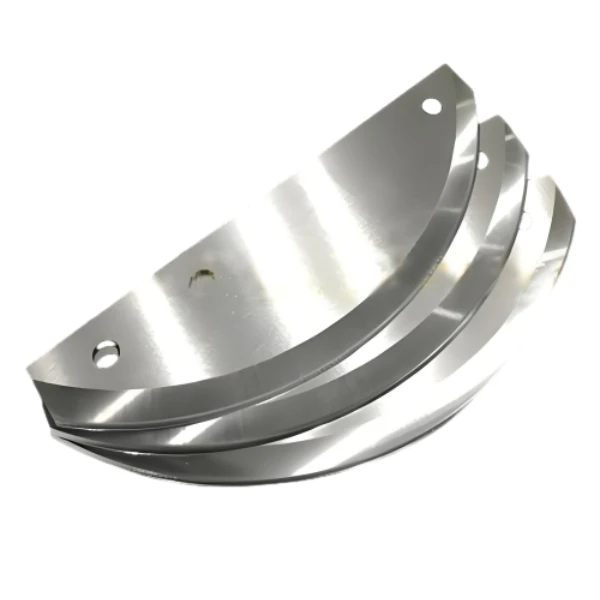 Bone Cutter In Food IndustryThe food industry chopper has a wide range of applications in meat processing, central kitchens and catering chains, home and small commercial scenarios, etc. Through specialized design and scene adaptation, it can improve processing efficiency while reducing operational risks, covering multi-level needs from industrial production to home kitchens
 -
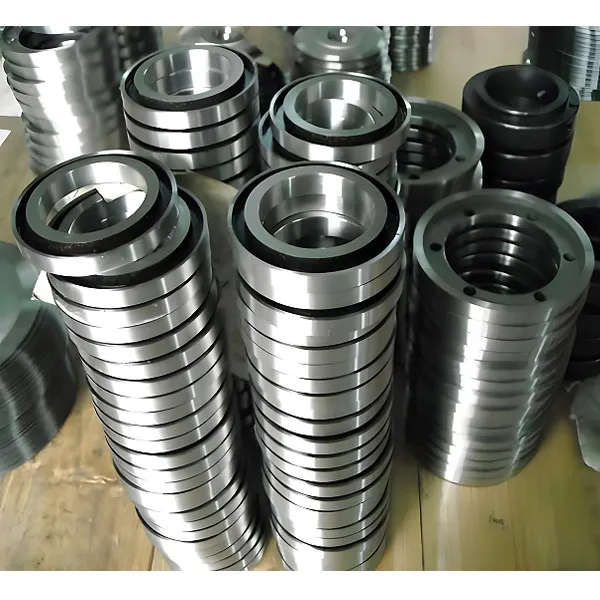 Rubber Slitting And Cutting BladesRubber slitting blades achieve efficient and precise rubber material processing in industrial manufacturing, resource recycling and reuse, automotive manufacturing, medical electronics and other fields through high-strength materials, precise geometric design and intelligent control, promoting the green and high value-added transformation of industrial production.
 -
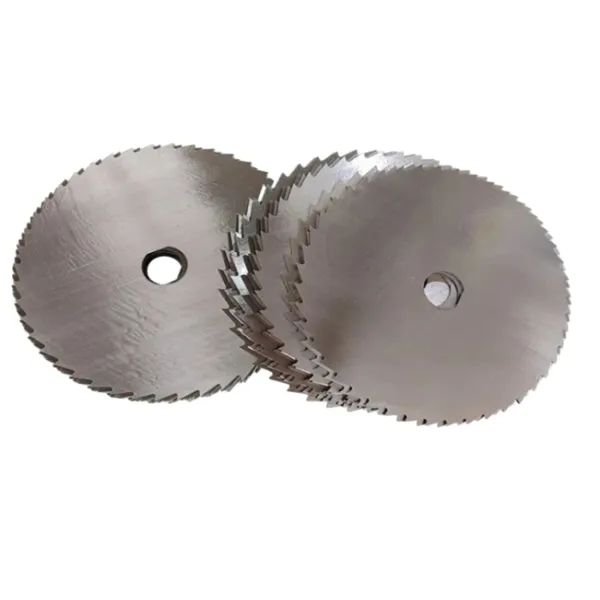 Wood Industry Saw Blade KnifeThe application of saw blades in the wood industry covers the entire process of wood processing, and its core function is to achieve efficient utilization of materials and improve the quality of finished products through precise cutting. Applied in various fields such as cutting and cutting, sheet metal processing and composite profile processing, fine trimming and forming processing, rough processing and efficient slitting of logs in furniture manufacturing.
 -
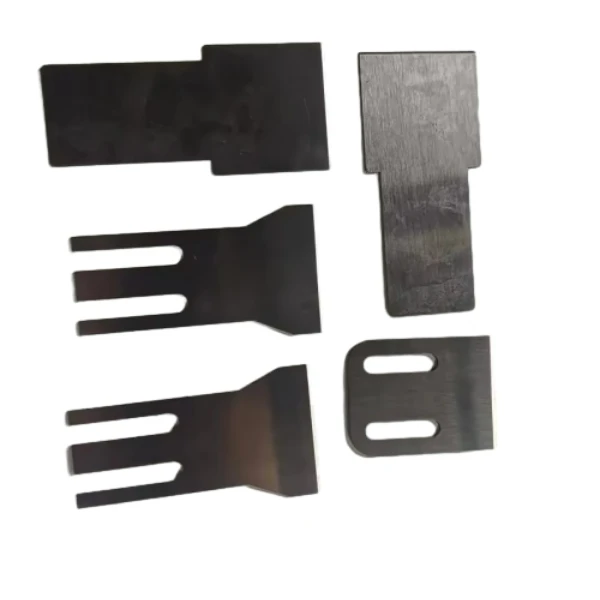 Rubber Granulator BladeThe rubber granulator blade achieves efficient and low-cost large-scale application in rubber recycling and high-value processing through targeted material selection, structural innovation, and scientific maintenance.
 -
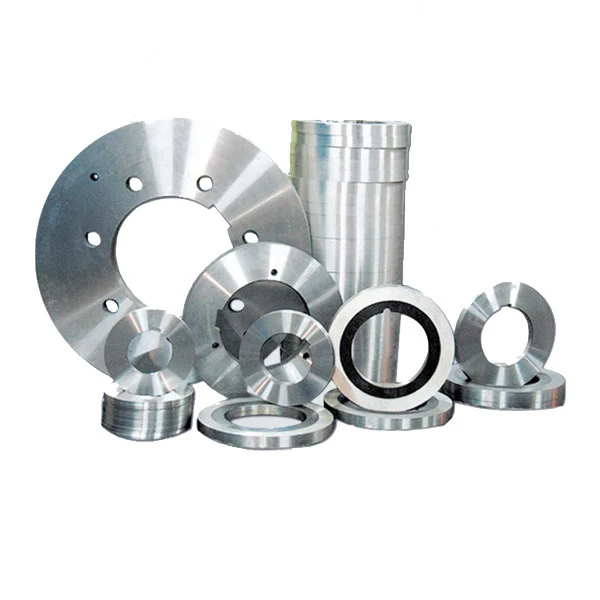 Circular Slitter BladesThe slitting disc cutter is widely used in slitting of thin metal plates such as stainless steel, aluminum plate and copper plate. In slitting of cold-rolled steel plates, hot-rolled steel plates and pickling plates, the slitting disc cutter made of cemented carbide or high-speed steel can ensure smooth cut, reduce material loss and improve yield. Our company has 30 years' experience in producing slitting disc cutters for metal industry, and we design and produce blades with various functions and occasions for customers. Welcome to ask us related questions.
Get Binsheng Blade Tech Tips
ISO 9001 insights: industry trends & blade guides


