
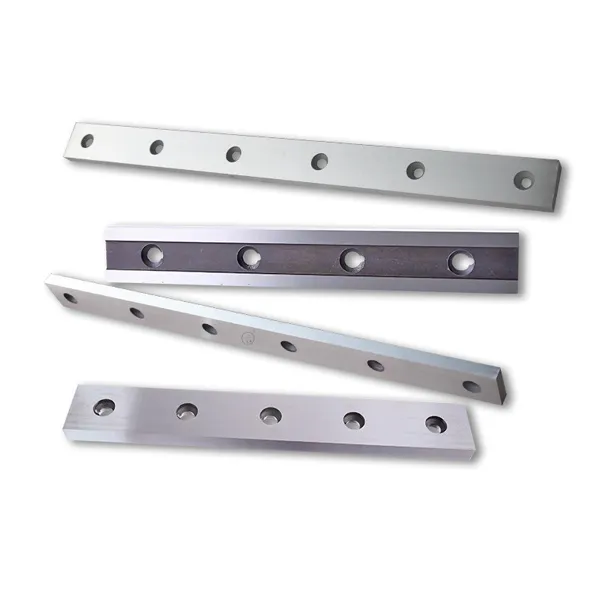
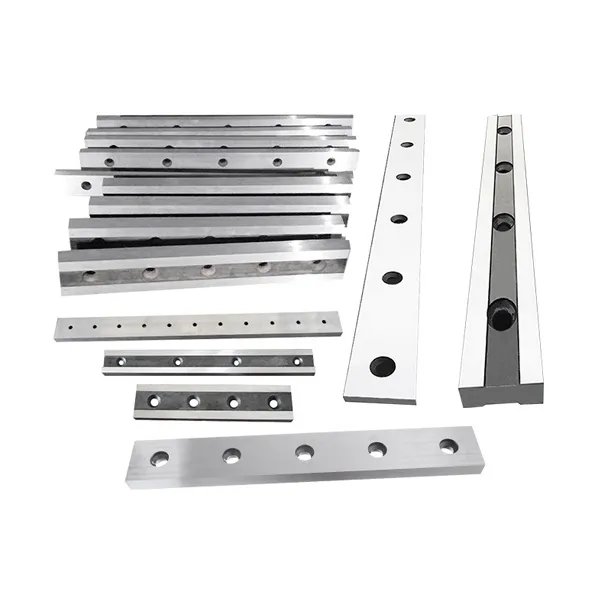
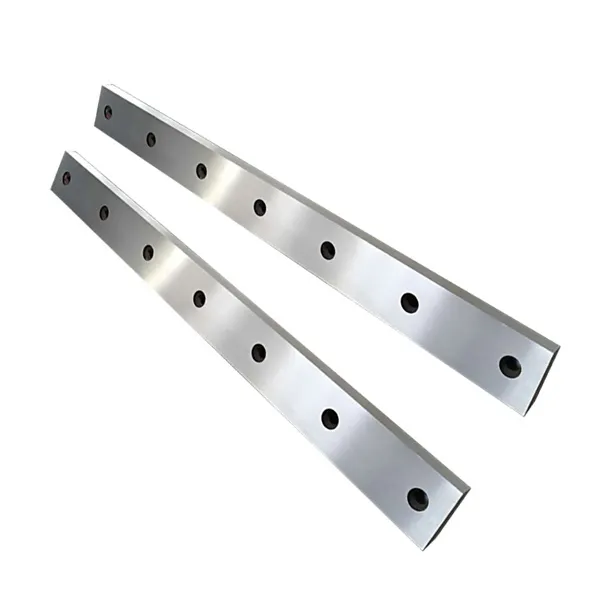
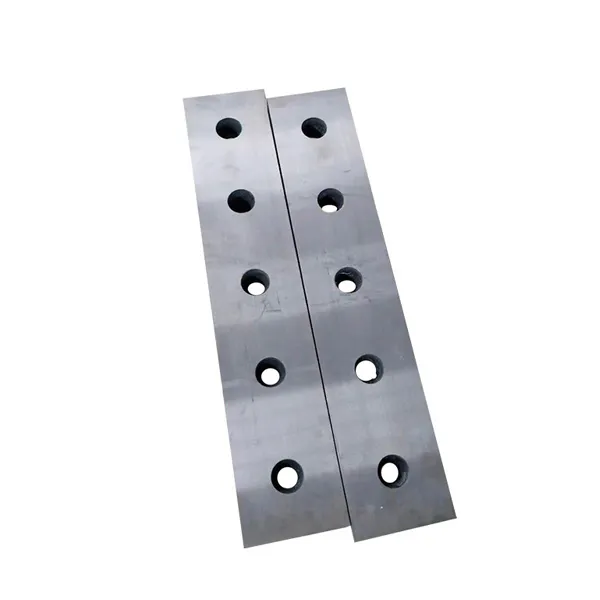
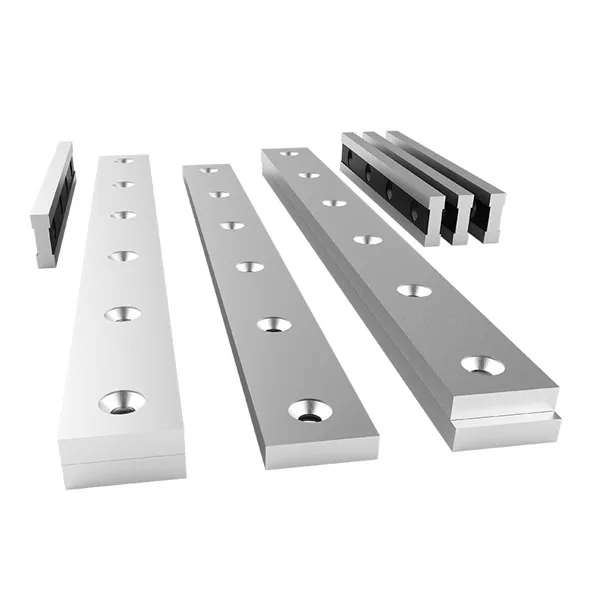
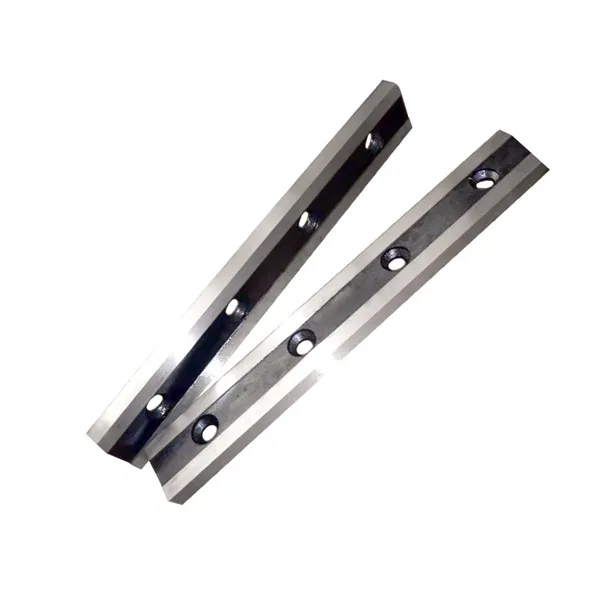
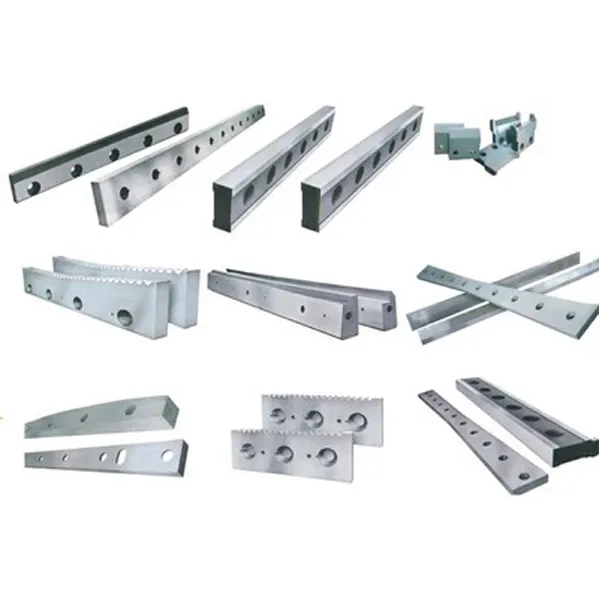
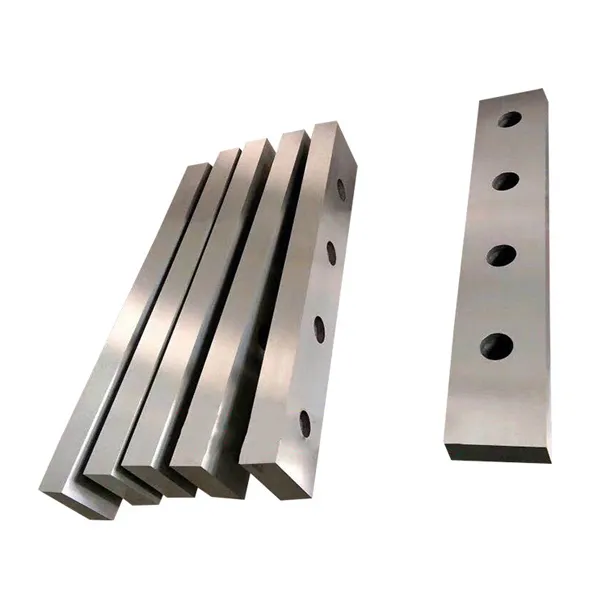
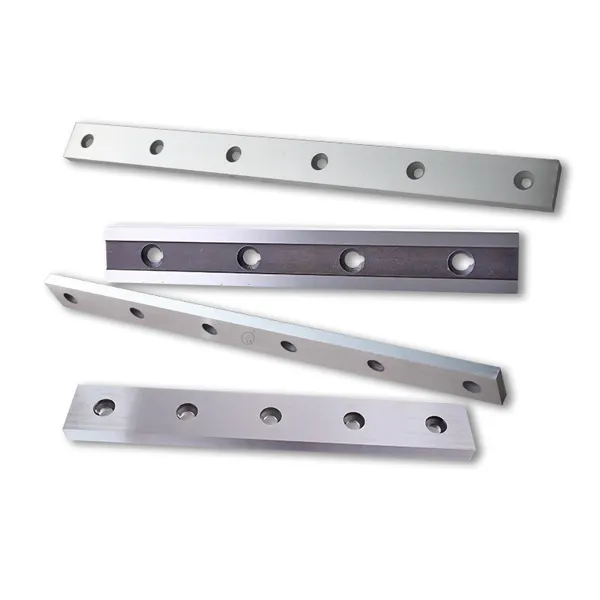
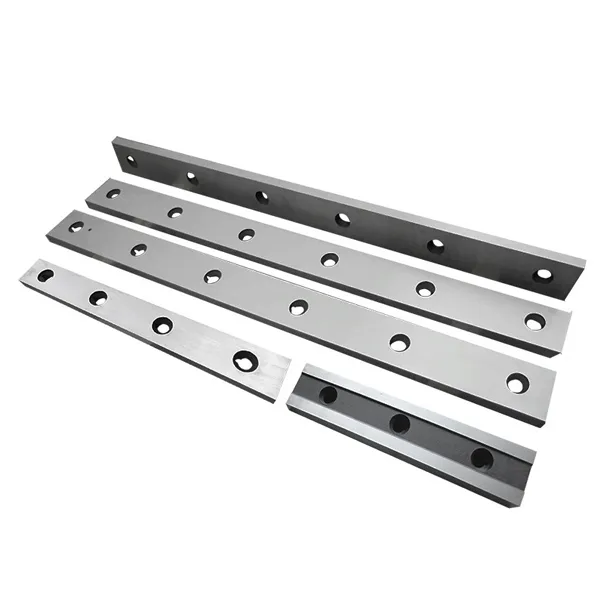
Guillotine Shear Blades
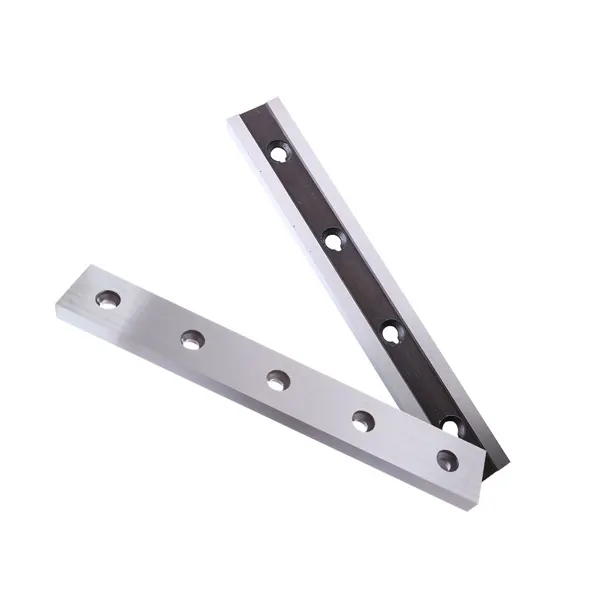
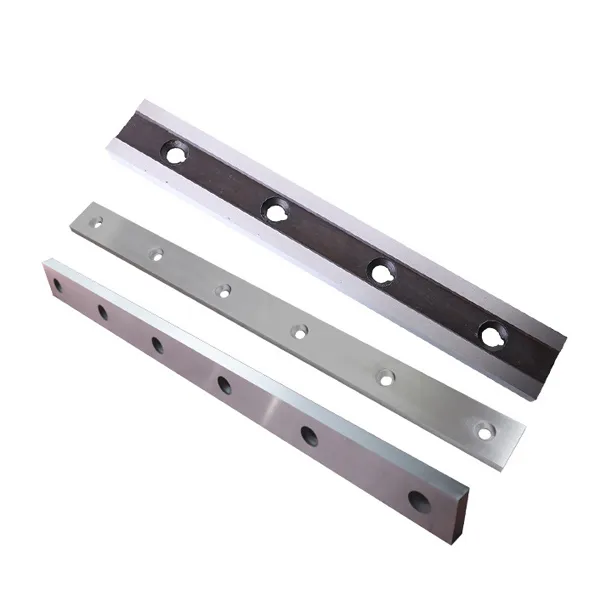
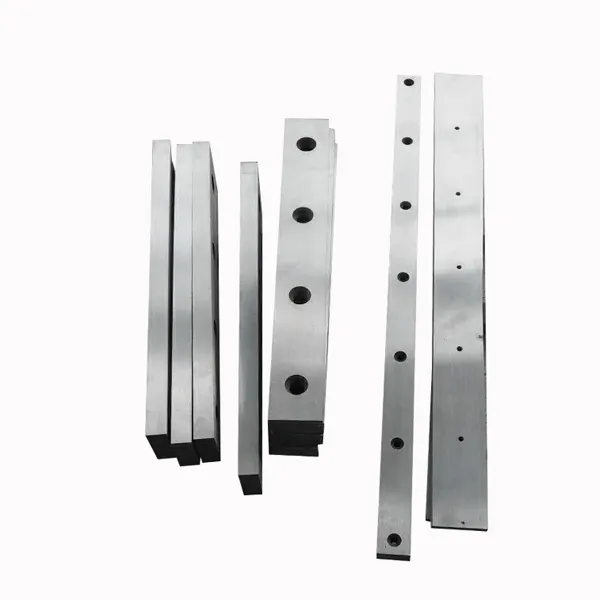
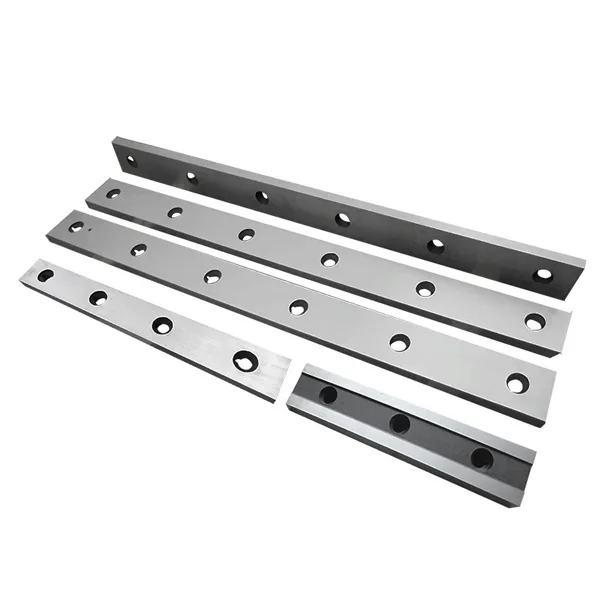
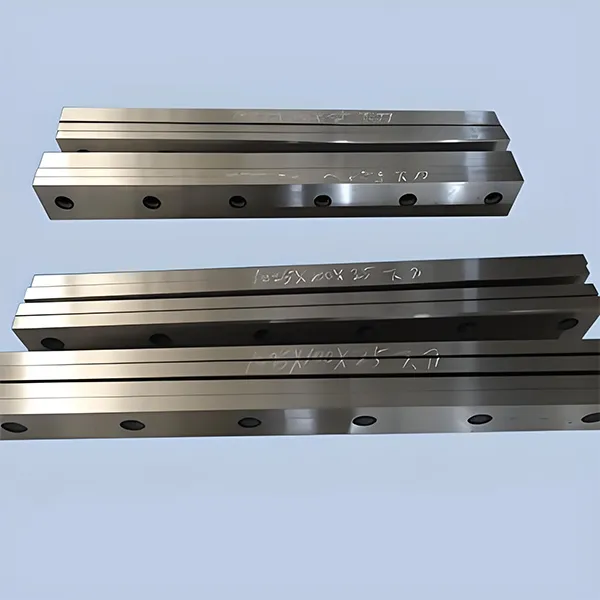
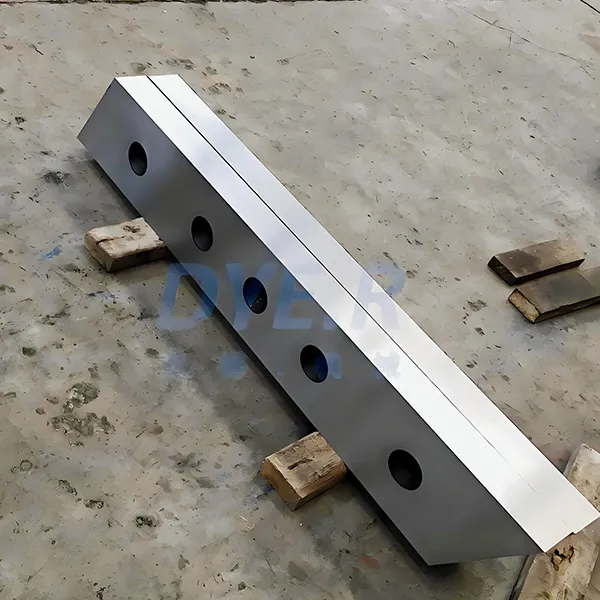
Widely used in the metal processing industry, including:
Light industry, aviation, shipbuilding, metallurgy, automobile manufacturing;
Stainless steel products, steel structure buildings, electrical equipment, and engineering machinery.
Cutting materials include steel plates, copper plates, aluminum plates, and some non-metallic plates.
The commonly used materials for hydraulic shearing machine blades include T10 carbon tool steel, 9CrSi low-alloy tool steel, 6CrW2Si alloy steel, H13 hot work die steel, LD special steel, Cr12MoV high carbon and high chromium steel, etc.
Performance requirements: Must meet high wear resistance, fatigue resistance, and high temperature stability to cope with long-term high-frequency shear operations.
Processing requirements: It is necessary to ensure the verticality and flatness of the cutting surface, reduce plate distortion, and meet the precision requirements for subsequent welding or assembly.
Different materials correspond to different cutting requirements:
|
9CrSi |
Hardness HRC57-59, suitable for shearing ordinary carbon steel plates (such as A3 plates) |
|
6CrW2Si |
Can cut ordinary plates and stainless steel |
|
H13/LD/Cr12MoV |
High wear resistance, high temperature resistance, suitable for high-strength metals such as stainless steel and alloy steel |
Some blades also use hard alloy inlay or brazing high-speed steel technology to enhance durability.
Hydraulic shearing machine blades are divided into the following two categories:
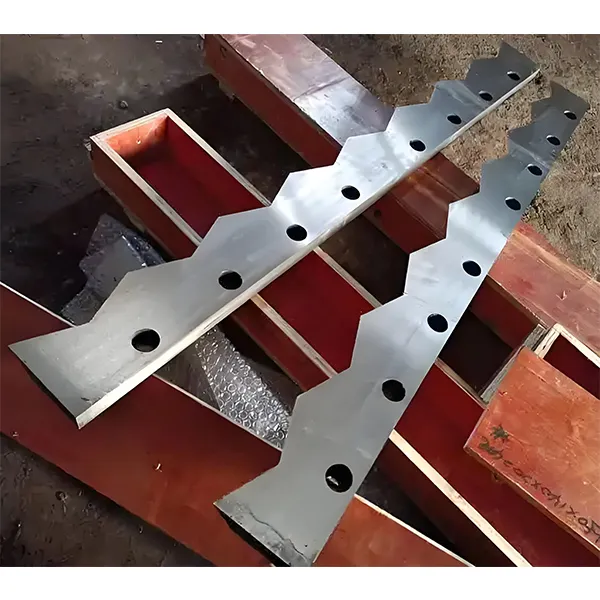
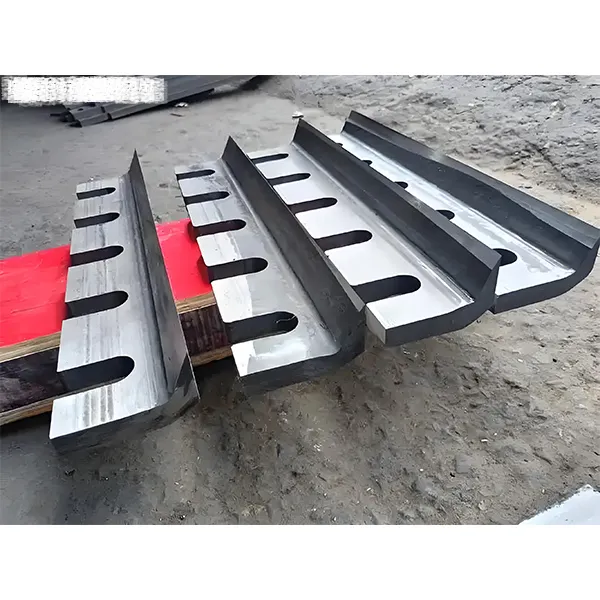
1.Hydraulic swing blade: It completes cutting through arc-shaped swing and is suitable for medium and small thickness plates.
2.Hydraulic brake blade: moves straight up and down, with higher cutting accuracy, suitable for thick plates and high-precision requirements.
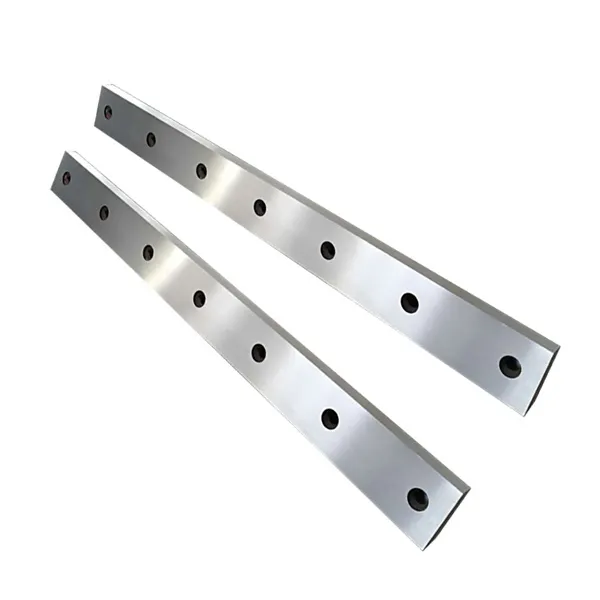
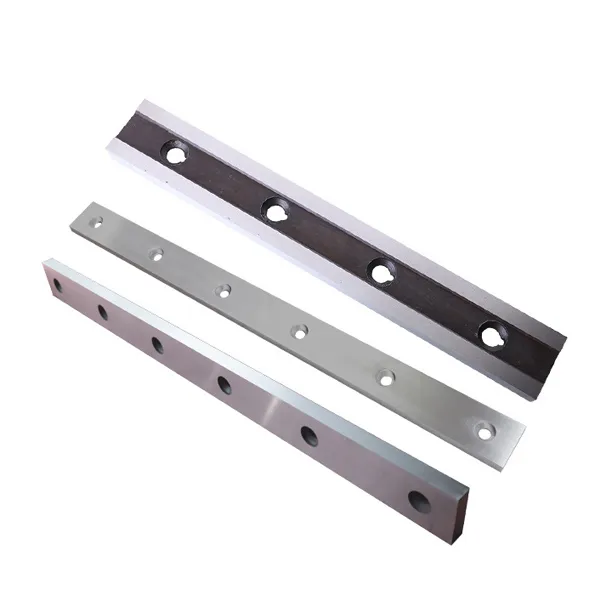
Before operation: Wear protective equipment and confirm that the equipment is in normal condition.
Parameter adjustment: Adjust the blade gap according to the thickness of the board, and calibrate the mold or fixture according to the width.
Material restrictions: Cutting of hard marks, welding slag, or excessive thickness materials is prohibited.
Maintenance requirements: Add lubricating oil every shift and regularly check the condition of bearings and blades.
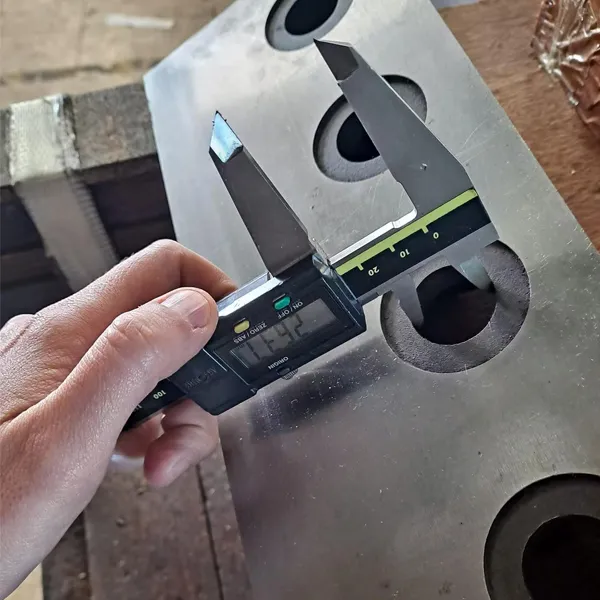
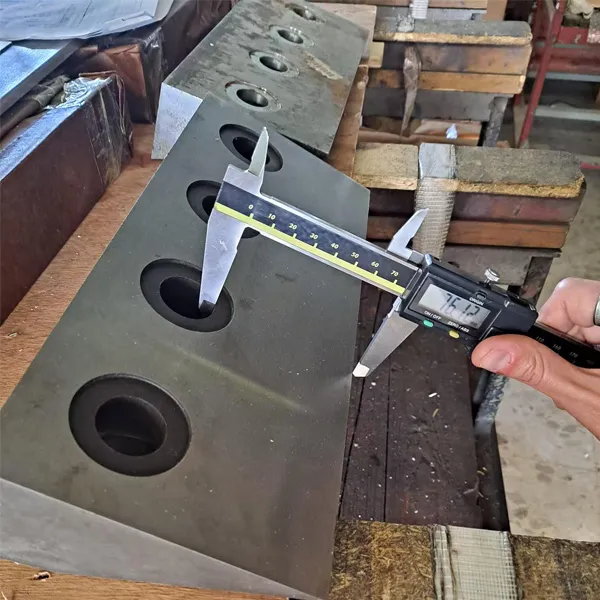
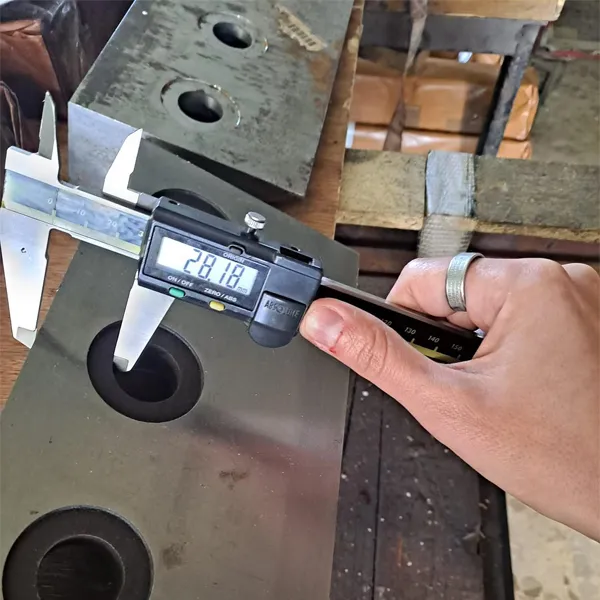
Conventional dimensions: such as 1025 × 125 × 32, 1300 × 80 × 20, etc. (unit: mm).
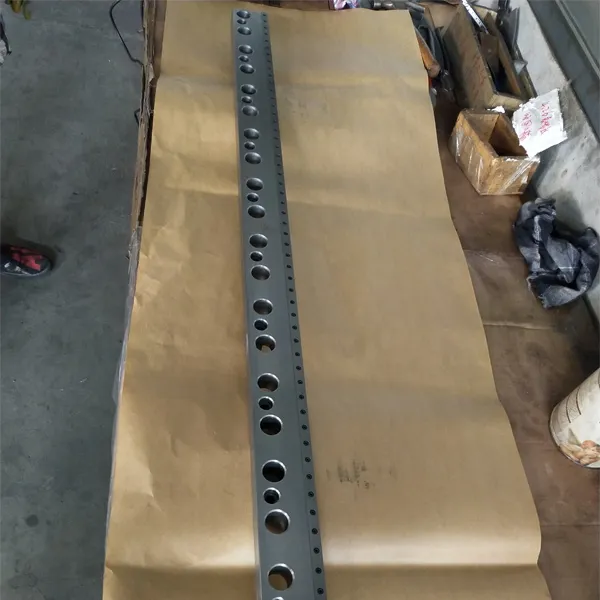
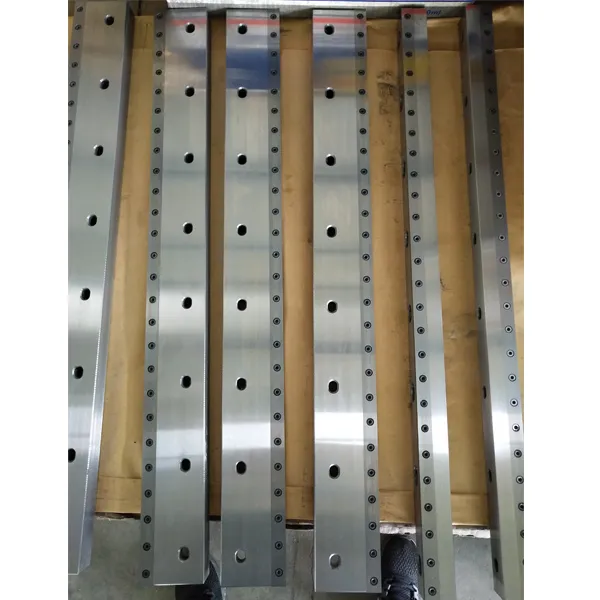
Customized length: Supports customization of seamless blades ranging from 2 meters to 6 meters.
Hardness range: HRC48 ° -74 °, adjusted according to material and heat treatment process.
Daily maintenance: Regularly clean debris and avoid corrosive substances from contacting the blade.
Refurbished use: After wear and tear, the cutting edge can be re sharpened to improve utilization.
Through reasonable material selection, standardized operation, and regular maintenance, hydraulic shearing machine blades can significantly improve cutting efficiency and extend service life.
hss blades
metal blades
mincer blades
wood blades
Guillotine Shear Blades FAQs
What is a guillotine shear blade and how does it work in hydraulic shearing machines?
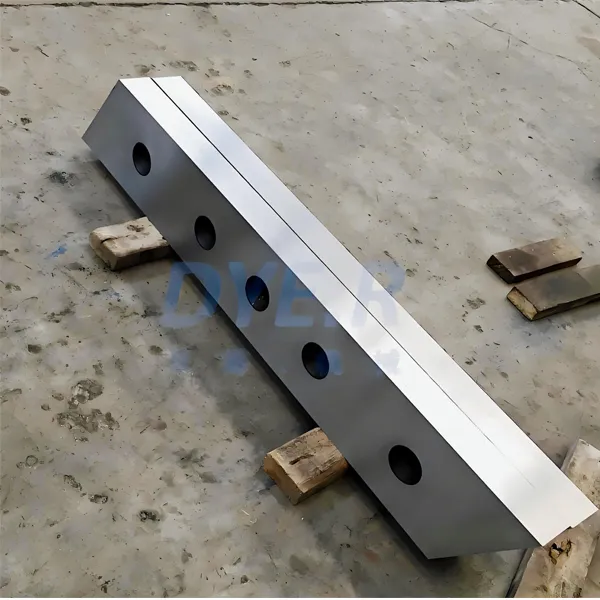
A guillotine shear blade is the core cutting component of hydraulic shearing machines, consisting of a moving upper blade and a fixed lower blade. The hydraulic system drives the upper blade to apply shear force on metal sheets, achieving precise cutting according to the set dimensions.
What materials are commonly used for hydraulic shearing machine blades?
Common materials include T10 carbon tool steel, 9CrSi low-alloy tool steel, 6CrW2Si alloy steel, H13 hot work die steel, LD special steel, and Cr12MoV high-carbon high-chromium steel. These materials ensure high wear resistance, fatigue resistance, and temperature stability.
Can guillotine shear blades cut different types of metal plates?
Yes, they are widely used to cut steel plates, stainless steel, aluminum plates, copper plates, and some non-metallic sheets, making them versatile for various metal processing industries.
How do I ensure safety when using guillotine shear blades?
Always wear protective equipment, check that the equipment is functioning normally, adjust the blade gap according to material thickness, and avoid cutting hard marks, welding slag, or excessively thick materials.
How can I maintain hydraulic shearing machine blades for longer lifespan?
Clean debris daily, avoid corrosive substances, regularly lubricate bearings and blades, and re-sharpen the cutting edge when worn. Proper maintenance significantly improves cutting efficiency and service life.
Can guillotine shear blades be customized?
Yes, blades can be customized in length from 2 meters to 6 meters, with conventional dimensions such as 1025 × 125 × 32 mm or 1300 × 80 × 20 mm. Hardness can be adjusted from HRC48° to 74° based on material and heat treatment.
What industries commonly use hydraulic shearing machine blades?
They are widely used in light industry, aviation, shipbuilding, metallurgy, automobile manufacturing, stainless steel products, steel structure buildings, electrical equipment, and engineering machinery.
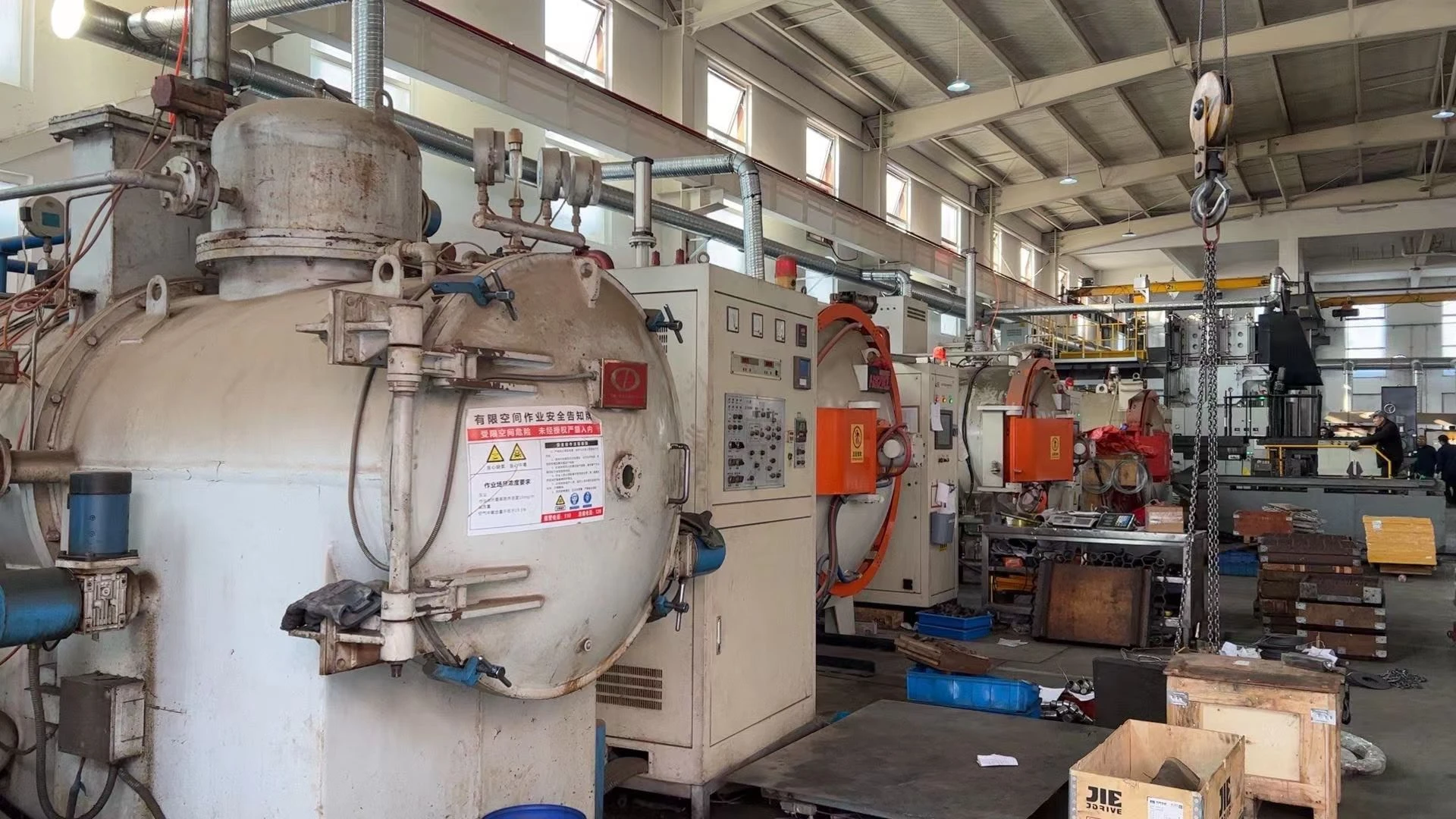
High-Performance Guillotine Shear Blades for Industrial Applications
Our guillotine shear blades are crafted to withstand the rigorous demands of continuous metal cutting operations. Featuring advanced metallurgical compositions and specialized surface treatments, these blades resist wear and deformation even when processing high-tensile materials. The balanced design reduces vibration during operation, ensuring precise cuts while prolonging equipment life. Our shear blades are trusted by metal service centers and fabrication shops worldwide for their consistent performance in cutting carbon steel, stainless steel, and aluminum alloys with tight tolerances.
-
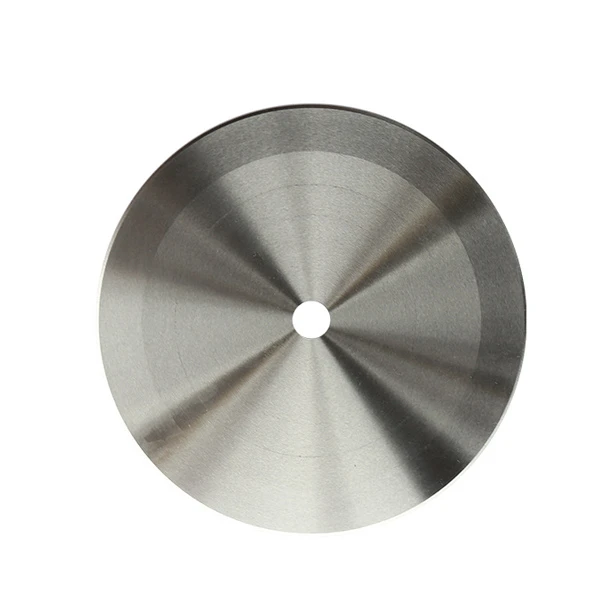 Hss Circular Saw BladesHigh speed steel circular saw blade (HSS circular saw blade) is an efficient tool specifically designed for metal cutting. When used in conjunction with a specialized metal circular saw machine, it can cover diverse processing needs from thin plates to thick materials by adjusting the tooth pitch and line speed. It has become the core tool for cutting, slotting, and other processes in metal processing, especially suitable for efficient production in fields such as automotive, aviation, and machinery manufacturing.
 -
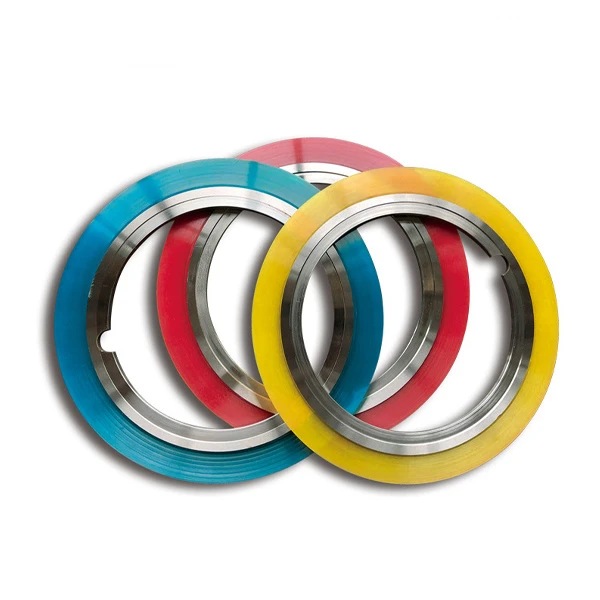 Steel Mill SpacerIn the slitting process of metal thin plates such as stainless steel, aluminum plates, and copper plates, as well as in the slitting of cold-rolled steel plates, hot-rolled steel plates, and pickled plates, spacers and washers are used to control the spacing between slitting blades and adjust the horizontal gap between upper and lower blades to ensure the accuracy of slitting width and cutting stability. They are indispensable components in widely used production. Welcome to ask us related questions
 -
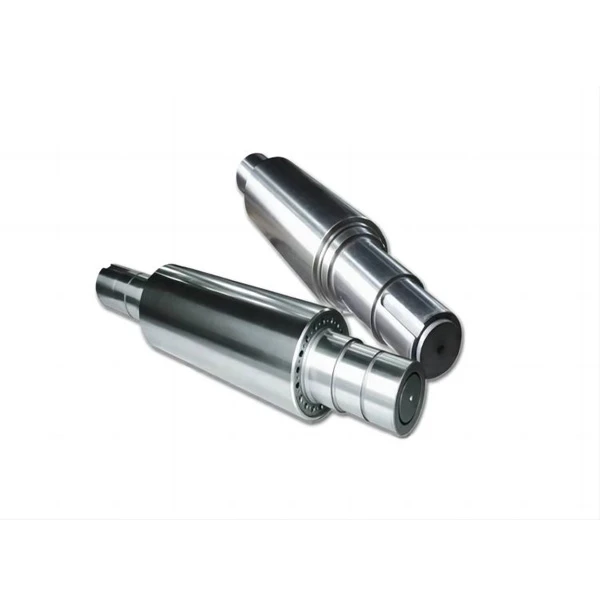 Precision Steel RollersThe precision rolling mill adjusts the gap between the rolling rolls to eliminate defects such as wave and bending in the strip, ensuring the flatness of the plate and achieving shape control and straightening of the steel strip. The precision rolling mill, through high-precision structural design and advanced surface treatment technology, has become the core component for improving strip quality and production efficiency in the straightening process.
 -
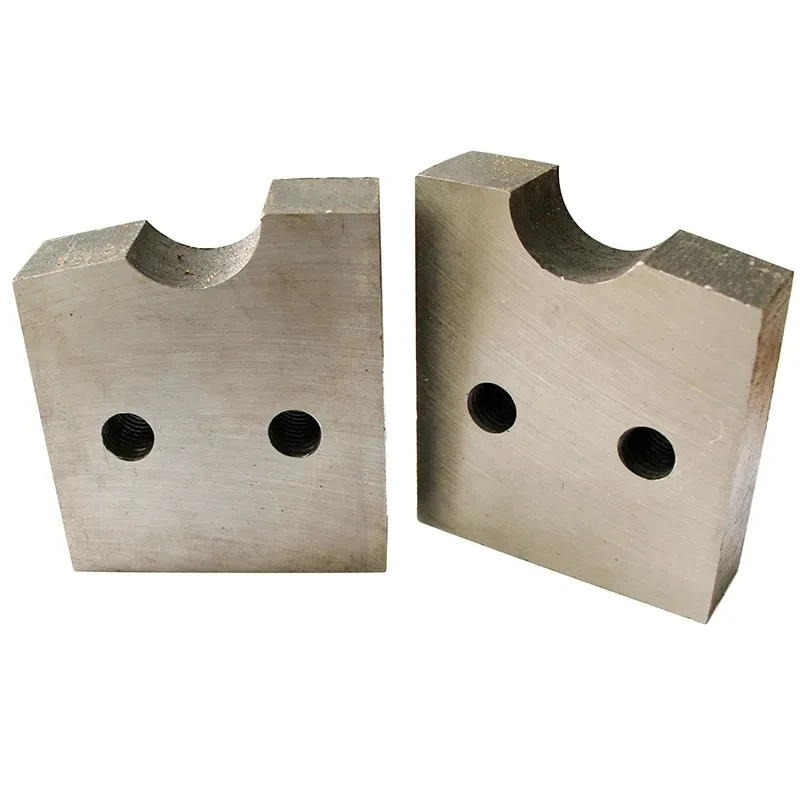 Steel Bar Cutting BladesThe steel bar cutting blade has the characteristics of high-strength material and process, precision structural design, thermal stability and wear resistance. When combined with sawing machines and pipe cutting machines or handheld or fixed equipment, it can achieve safe and efficient cutting of steel bars, and is widely used in the fields of construction engineering, industrial manufacturing, demolition and recycling.
 -
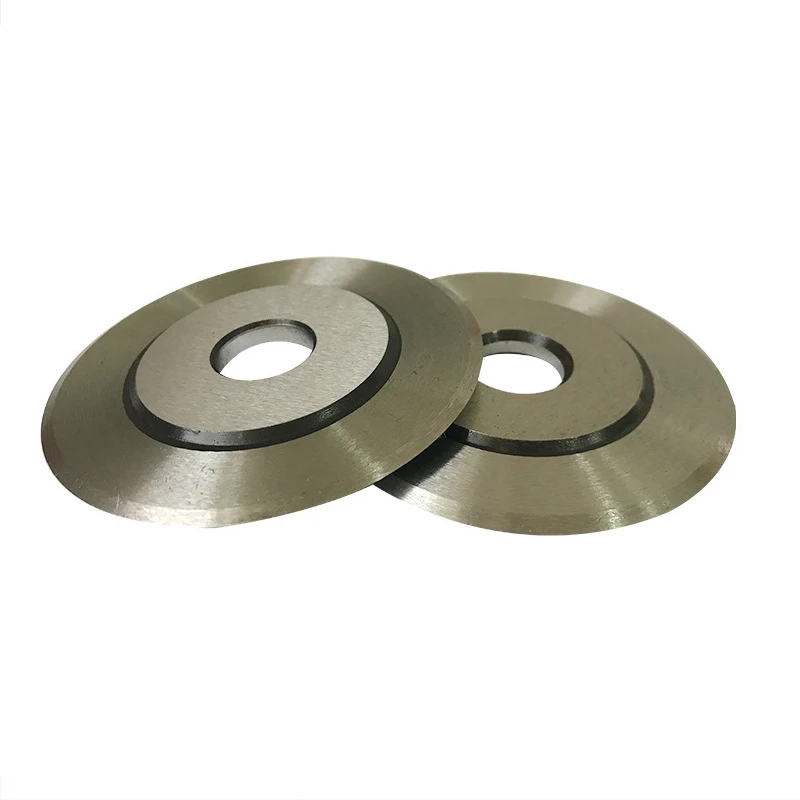 Tube Slitting Cutter KnifeCutting blades for steel pipes have the characteristics of high wear resistance, high hardness and strength, efficient cutting and high precision, thermal stability, etc., which have shown significant advantages in efficient operations in fields such as construction engineering, machinery manufacturing, energy and chemical engineering, and have been widely used.
 -
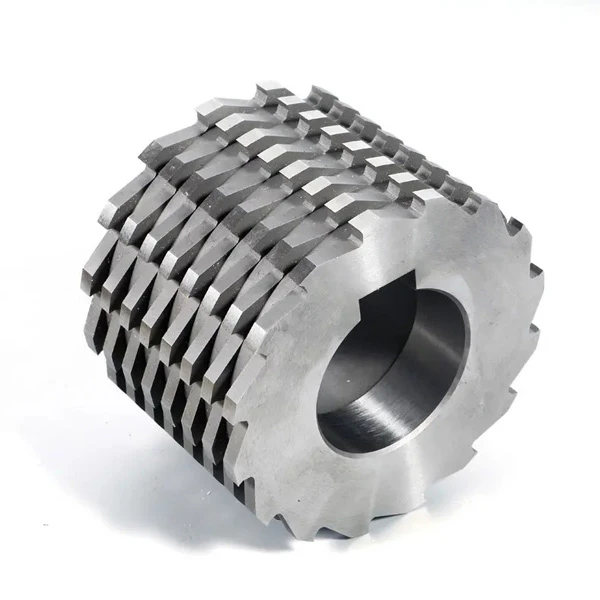 Scrap Steel Crusher BladeThe blade of the scrap steel crusher has the characteristics of high-strength material and wear resistance, clever structural design, corrosion resistance and thermal stability. Through advanced technologies such as high-strength crushing and material sorting, it has become the core tool for achieving a "crushing sorting regeneration" closed-loop in the metal recycling industry chain. It can process various forms of scrap steel such as automotive scrap, steel bar waste, and industrial metal waste.
 -
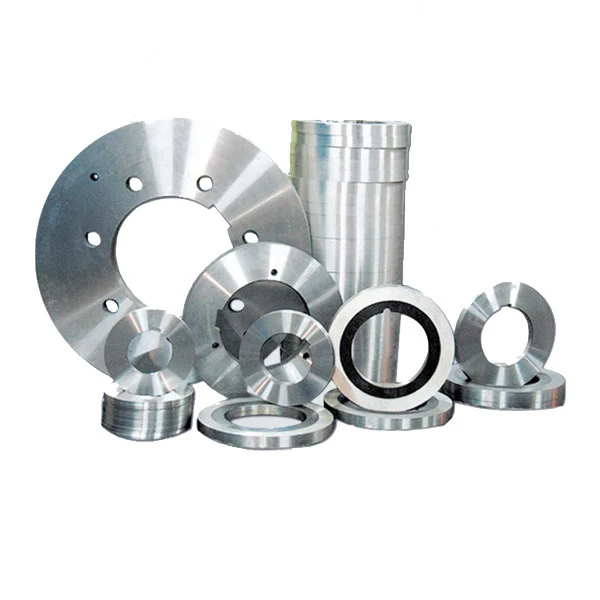 Circular Slitter BladesThe slitting disc cutter is widely used in slitting of thin metal plates such as stainless steel, aluminum plate and copper plate. In slitting of cold-rolled steel plates, hot-rolled steel plates and pickling plates, the slitting disc cutter made of cemented carbide or high-speed steel can ensure smooth cut, reduce material loss and improve yield. Our company has 30 years' experience in producing slitting disc cutters for metal industry, and we design and produce blades with various functions and occasions for customers. Welcome to ask us related questions.
 -
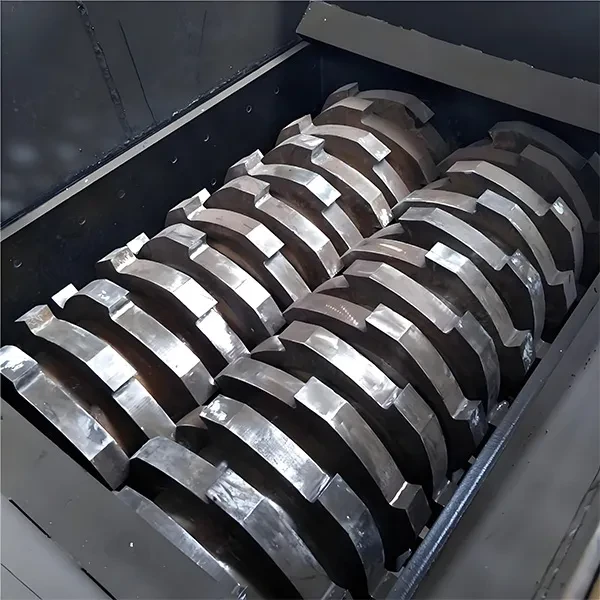 Solid Waste Recycling Shredder BladeShredder blades are used in the fields of environmental protection and waste treatment, resource recycling, industrial and manufacturing applications, and agriculture Widely used in various fields such as special applications, it has become a key tool for promoting resource recycling and environmental protection treatment.
Get Binsheng Blade Tech Tips
ISO 9001 insights: industry trends & blade guides


