
Rubber Slitting And Cutting Blades
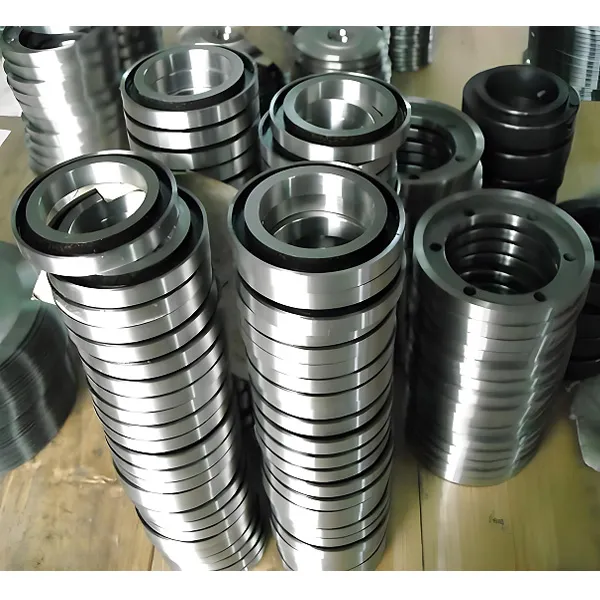
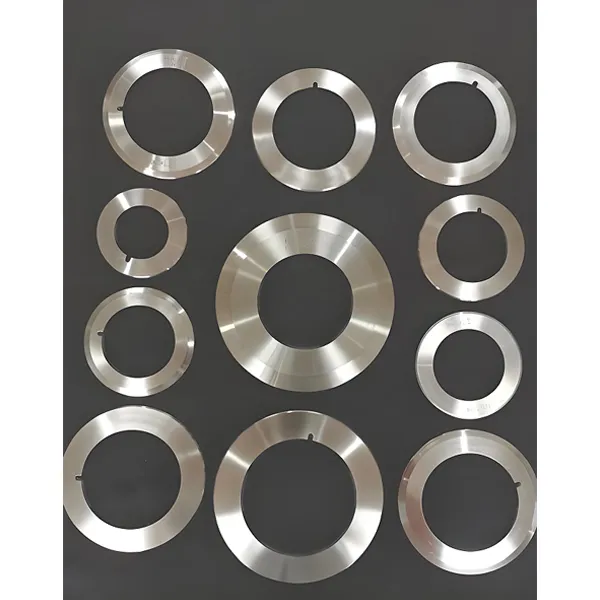
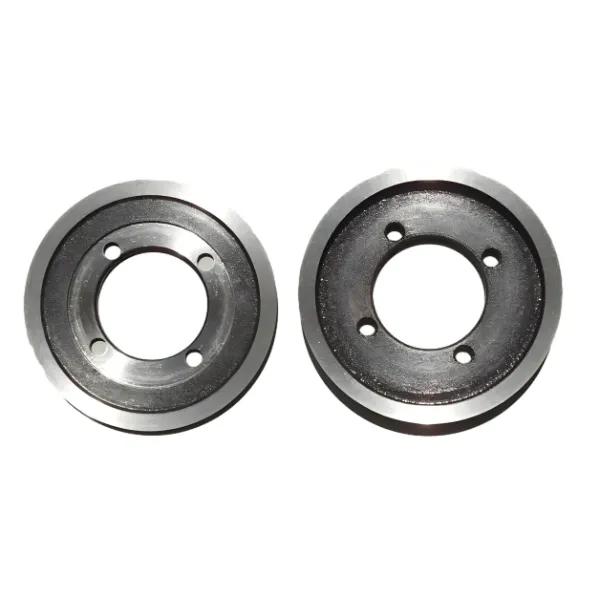
1.Automotive component processing: used for cutting rubber hoses such as automotive brake hoses and high-pressure oil pipes, achieving fixed length cutting or circular cutting to meet precision assembly requirements.
2.In tire manufacturing, slitting blades can handle composite rubber layers containing steel cord, optimizing tire structural performance.
3.Production of rubber hoses and seals: Efficient fixed length cutting of rubber hoses is achieved through pneumatic slitting knives, improving cutting accuracy and efficiency, and reducing burrs in traditional cutting.
4.Suitable for circular cutting of precision components such as capacitor rubber sealing plugs and sealing rings, ensuring interface flatness and sealing performance.
5.Waste rubber treatment: Cutting blades are used to shred tire and rubber product waste, converting it into reusable particles to reduce environmental burden. In the recycling of mixed materials such as rubber and metal, slitting blades can separate rubber components and improve resource recovery rates.
6.Cut waste rubber into strips or bands to reduce energy consumption in subsequent crushing processes and adapt to the continuous operation mode of rubber cutting machines.
7.Ultrasonic rubber slitting knife is used for pollution-free cutting of medical products such as surgical gloves and dental impressions, avoiding material deformation or residue.
8.Electronic product processing: Precision cutting of mobile phone films and electronic component sealing gaskets to meet the requirements of miniaturization and high precision.
|
Type |
Design Characteristics |
Applicable Scenarios |
|
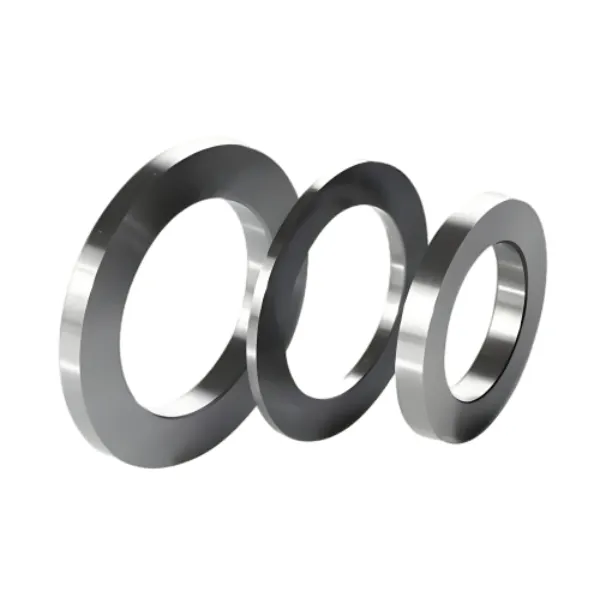
Circular cutting blade |
Circular blade (diameter 45-150mm, thickness 1.2-2.0mm) compatible with high-speed slitting machine, cutting accuracy ± 0.1mm, supporting continuous slitting of rubber tubes, films, tapes, etc |
Cutting high-precision rubber products such as automotive seals and industrial gaskets; |
|
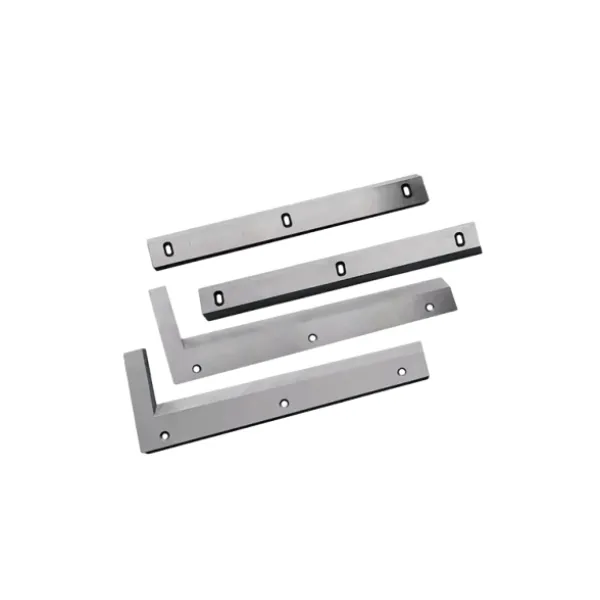
Single/double-sided square blade |
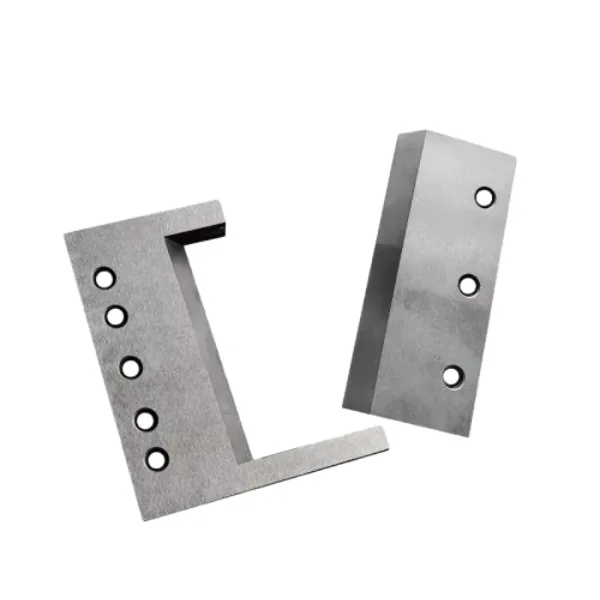
Single sided blade: thickness 70-130 μ m, hardness HRC58-62, suitable for cutting thick rubber sheets (such as tires, steel wire hoses); |
Multi layer composite rubber material (including metal/plastic substrate) strip |
|
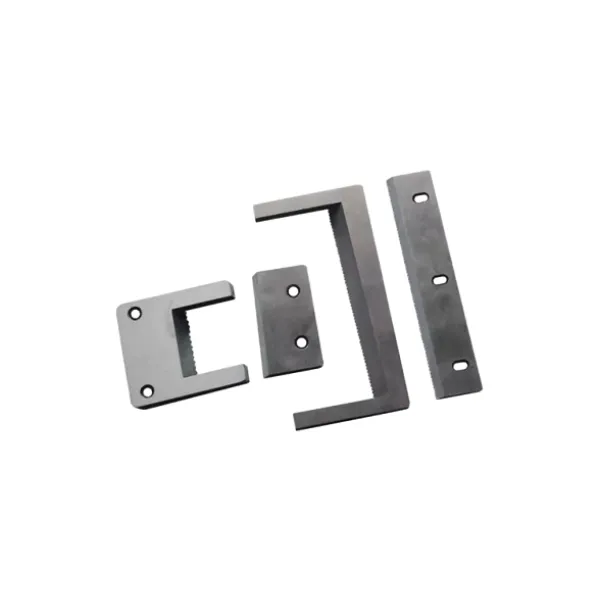
Hard alloy blade |
Double sided blade: thickness ≤ 70 μ m, flexible design reduces cutting edge breakage, suitable for thin rubber film slitting. |
Single sided blade: thickness 70-130 μ m, hardness HRC58-62, suitable for cutting thick rubber sheets (such as tires, steel wire hoses); |
|
Material/Type |
Hardness(HRC) |
Wear Resistance |
Applicable Scenarios |
|
Cr12MoV alloy steel |
58-62 |
★★★★ |
General rubber slitting (tires, industrial hoses) |
|
High speed steel (HSS) |
55-58 |
★★★ |
Thin rubber film and tape cutting |
|
Hard alloy (YG series) |
65-70 |
★★★★★ |
High hardness composite rubber/metal substrate cutting |
1.Maintenance points
Cleaning: Use a high-pressure air gun to clean the rubber residue on the surface of the blade every shift to prevent adhesion and cutting deviation;
Calibration: Check the angle and pressure of the slitting machine blade every week, and adjust it immediately if the accuracy deviation exceeds ± 0.2mm;
2.Replacement cycle:
Cr12MoV blade: 200-400 hours;
Hard alloy blade: 800-1200 hours.
Economy type: High speed steel double-sided blade, suitable for cutting thin rubber film/tape;
Industrial grade: Cr12MoV round blade or hard alloy blade (wear-resistant priority);
Precision slitting: toothless disc blade (cutting resistance reduced by 40%, cross-sectional flatness improved by 30%).
Wear resistant coating upgrade: tungsten carbide substrate+diamond coated blade, with a wear resistance life increased to 1500 hours;
Intelligent slitting system: integrating pressure sensors to adjust blade load in real-time and reduce edge breakage rate.
Rubber slitting blades need to be selected comprehensively based on material thickness (thin/thick), cutting accuracy (± 0.1mm to ± 0.5mm), and cost budget, with priority given to wear resistance (hard alloy) or economy (high-speed steel).
rubber cutting saw blades
saw blade for rubber
table saw blade for cutting rubber
Rubber Slitting and Cutting Blades FAQs
What are rubber slitting blades used for in industrial manufacturing?
Rubber slitting blades are widely used for precise cutting and processing of rubber materials in industrial manufacturing. They are commonly applied in automotive hose production, tire manufacturing, rubber seal processing, and recycling operations. High-quality rubber slitting blades provide clean edges, accurate dimensions, and improved production efficiency when cutting rubber sheets, hoses, or composite rubber materials.
What materials are rubber cutting blades typically made from?
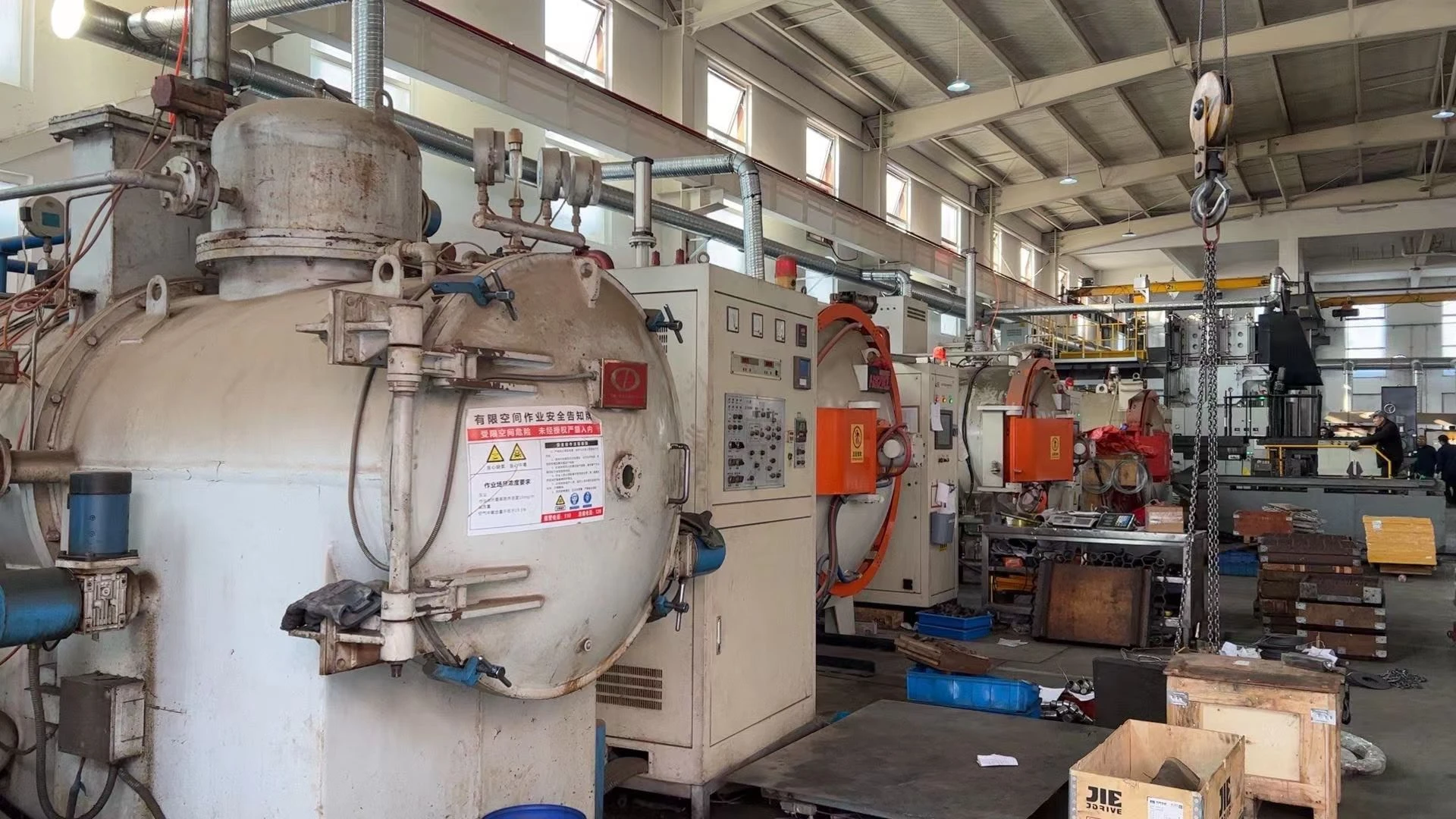
Most industrial rubber cutting blades are manufactured from high-strength alloy steel, tungsten carbide, or high-speed steel. These materials provide excellent wear resistance, sharpness retention, and durability when cutting rubber materials. Advanced heat treatment processes further enhance blade hardness and stability, ensuring long service life in high-volume rubber slitting operations.
How do rubber slitting blades improve cutting accuracy in rubber hose production?
Rubber slitting blades used in hose manufacturing are designed with precise geometries that allow smooth and consistent cutting. Pneumatic or automated cutting systems combined with high-quality rubber cutting blades help achieve accurate fixed-length cutting while reducing burrs and material deformation. This ensures consistent hose dimensions and improves product quality in industrial production.
Are rubber slitting blades suitable for tire manufacturing?
Yes, rubber slitting blades are widely used in tire production processes. They can cut composite rubber layers that contain steel cord or textile reinforcement. Industrial rubber slitting blades ensure clean separation of rubber materials while maintaining structural integrity, helping manufacturers optimize tire performance and production efficiency.
Can rubber cutting blades be used for rubber recycling and waste processing?
Rubber cutting blades play an important role in rubber recycling systems. They are used to cut waste rubber products such as used tires and industrial rubber scraps into strips or smaller pieces before crushing or granulation. Efficient rubber slitting blades help improve resource recovery efficiency and reduce energy consumption in recycling processes.
What industries commonly use rubber slitting and cutting blades?
Rubber slitting blades are widely used in several industries including automotive manufacturing, rubber hose production, tire manufacturing, electronics assembly, and rubber recycling. They are also used in the production of sealing rings, rubber gaskets, and precision rubber components where accurate and clean cutting is required.
What is an ultrasonic rubber slitting knife and when is it used?
An ultrasonic rubber slitting knife uses high-frequency vibration technology to achieve clean and contamination-free cutting of soft rubber materials. It is commonly used in medical and high-precision applications such as surgical gloves, dental impression materials, and sensitive rubber components where traditional mechanical cutting may cause deformation or residue.
Can rubber slitting blades be customized for different cutting machines?
Yes, many manufacturers offer customized rubber slitting blades designed to fit different rubber cutting machines and production requirements. Customization options may include blade diameter, thickness, edge angle, and coating materials. Tailored industrial rubber cutting blades help optimize cutting performance and extend blade service life in specific applications.
Industrial-Grade Rubber Slitting Blades for Demanding Production
Our rubber slitting blades feature advanced wear-resistant coatings that extend service life in high-volume processing. The precision-ground edges and balanced designs reduce vibration while maintaining cutting accuracy. These professional-grade blades are designed to handle reinforced rubber materials and abrasive compounds without premature dulling. Trusted by rubber product manufacturers worldwide, our slitting blades help optimize production efficiency and minimize material waste in tire, gasket, and industrial rubber goods manufacturing.
-
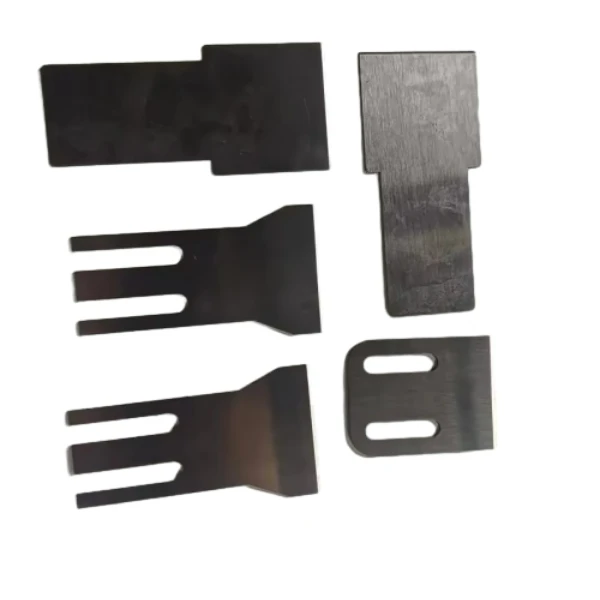 Rubber Granulator BladeThe rubber granulator blade achieves efficient and low-cost large-scale application in rubber recycling and high-value processing through targeted material selection, structural innovation, and scientific maintenance.
 -
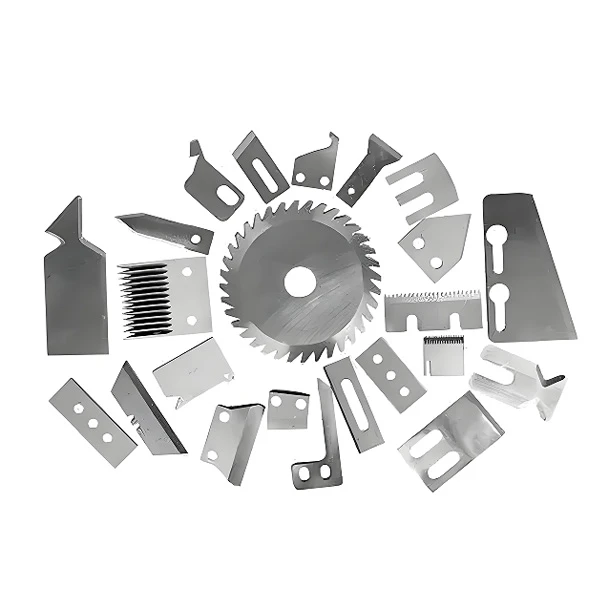 Tyre Cord Straight KnifeThe tire cord straight knife achieves high-precision and high-efficiency cord processing in tire inspection, resource recycling, and customized processing through high-strength materials, optimized geometric design, and intelligent control, promoting the transformation of the tire industry towards green manufacturing and circular economy.
 -
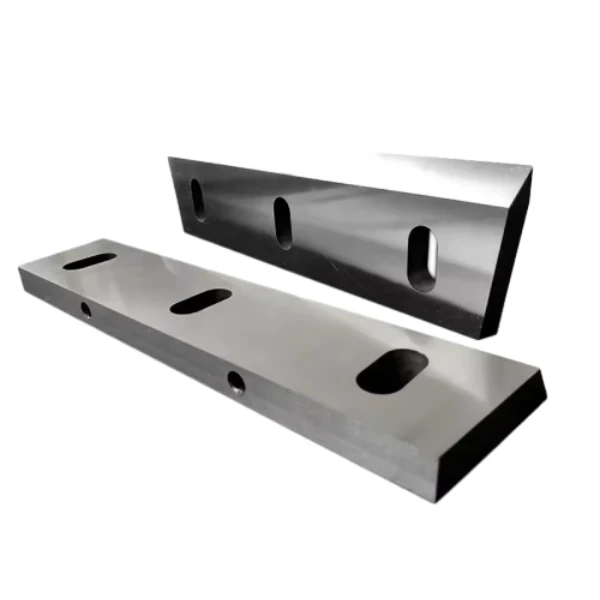 Rubber Shredder Recycling BladeRubber shredding and recycling blades have a wide range of applications in the environmental protection industry, automotive manufacturing, electronics, and industrial fields. By adapting blade materials, structures, and process parameters, rubber shredding and recycling blades can efficiently support circular economy and resource regeneration needs.
 -
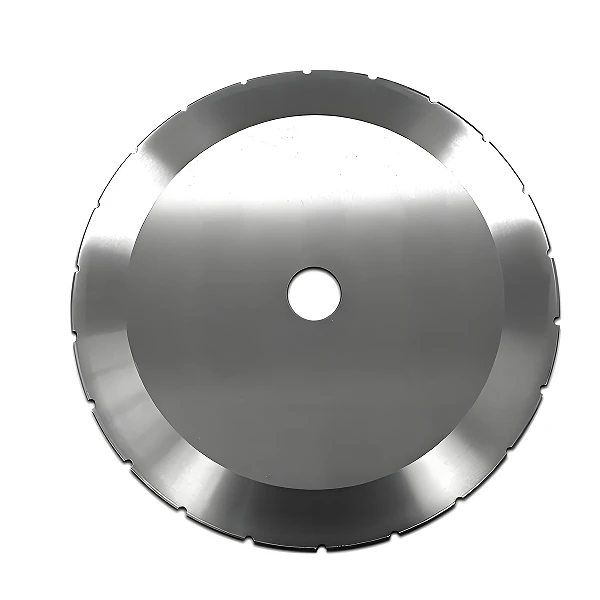 Paper Circular Slitter BladesThrough the combination optimization of shape and material (high speed steel, cemented carbide, etc.), the paper cutter blade can accurately adapt to the diversified cutting needs of printing, packaging and other scenes.
 -
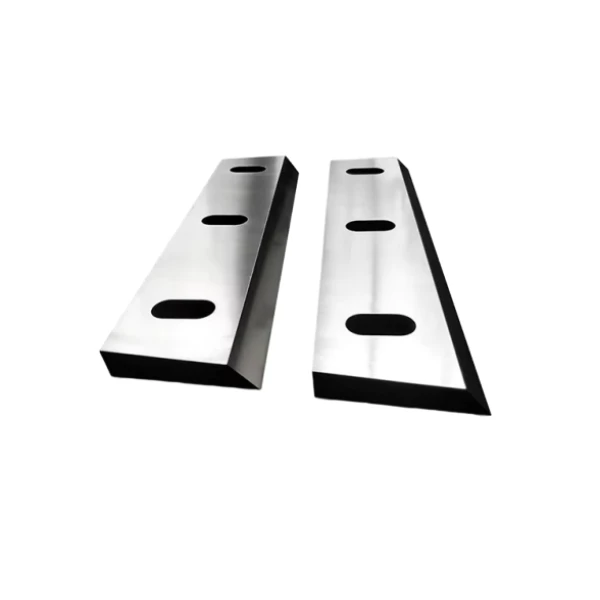 Plastic Shredder BladePlastic crusher blades have become a key link in the plastic resource utilization industry chain by adapting to different equipment (such as single axis and double axis crushers) and scene requirements. Mainly used in the plastic recycling industry, agricultural environmental protection, industrial waste resource utilization, and multi industry collaborative applications.
 -
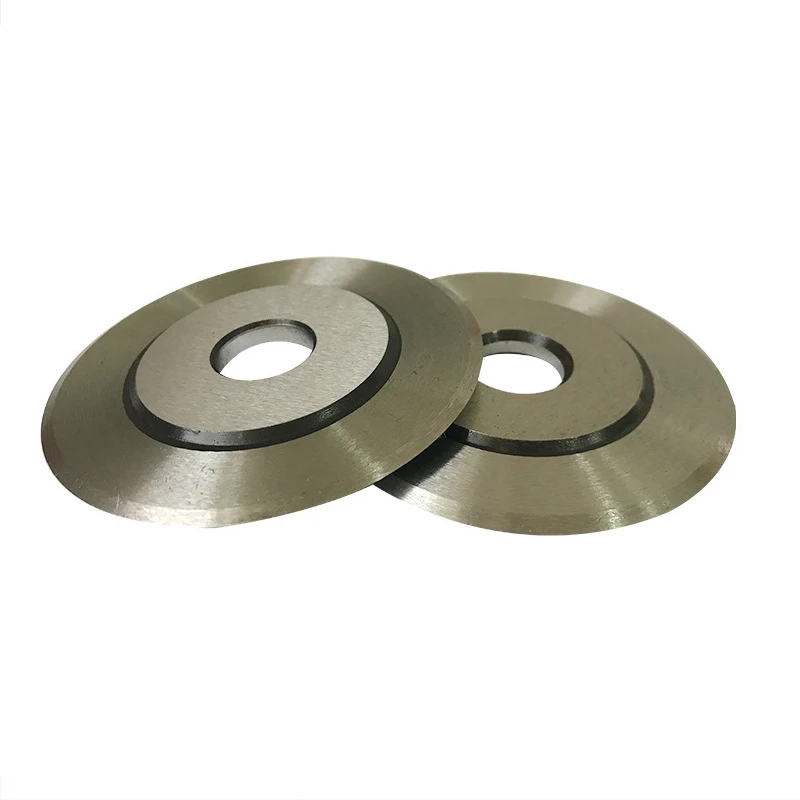 Tube Slitting Cutter KnifeCutting blades for steel pipes have the characteristics of high wear resistance, high hardness and strength, efficient cutting and high precision, thermal stability, etc., which have shown significant advantages in efficient operations in fields such as construction engineering, machinery manufacturing, energy and chemical engineering, and have been widely used.
 -
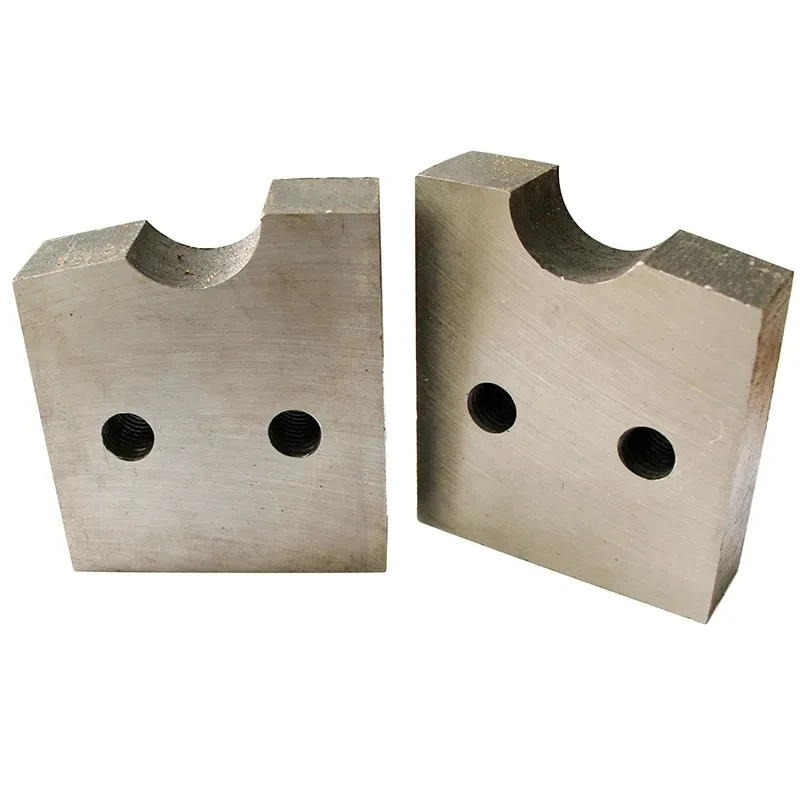 Steel Bar Cutting BladesThe steel bar cutting blade has the characteristics of high-strength material and process, precision structural design, thermal stability and wear resistance. When combined with sawing machines and pipe cutting machines or handheld or fixed equipment, it can achieve safe and efficient cutting of steel bars, and is widely used in the fields of construction engineering, industrial manufacturing, demolition and recycling.
 -
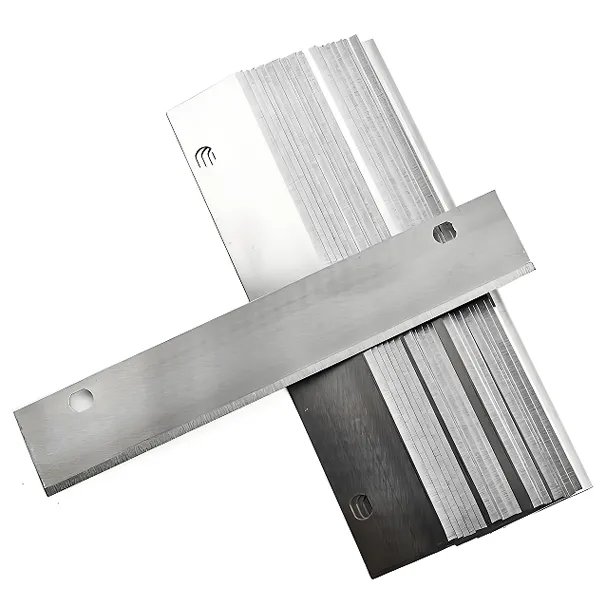 Slicing BladeFood industry slicing knives are used in the fields of meat processing, baking and noodle processing, vegetable and fruit processing, and other food sub sectors The slicing knife in the food industry has a wide range of applications. Through specialized design and material upgrades, it not only improves processing efficiency but also meets food safety requirements, becoming a key component of modern food production lines.
Get Binsheng Blade Tech Tips
ISO 9001 insights: industry trends & blade guides


