
Steel Mill Spacer
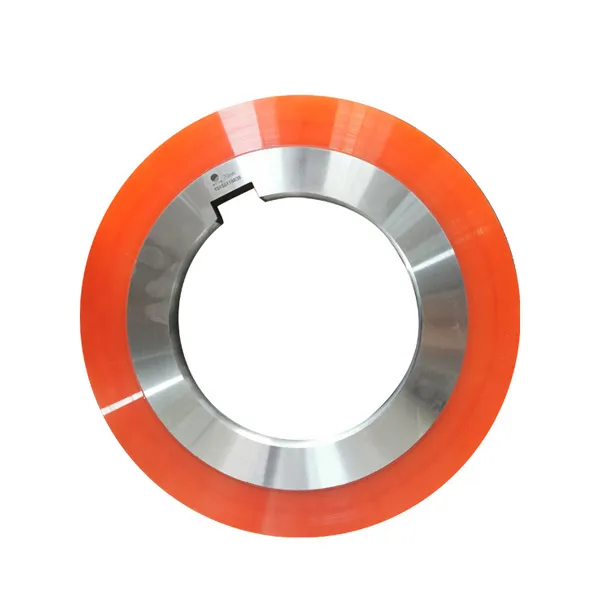
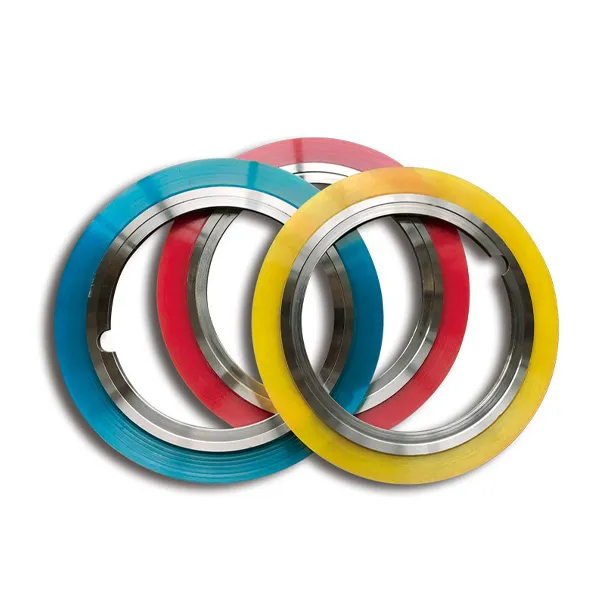
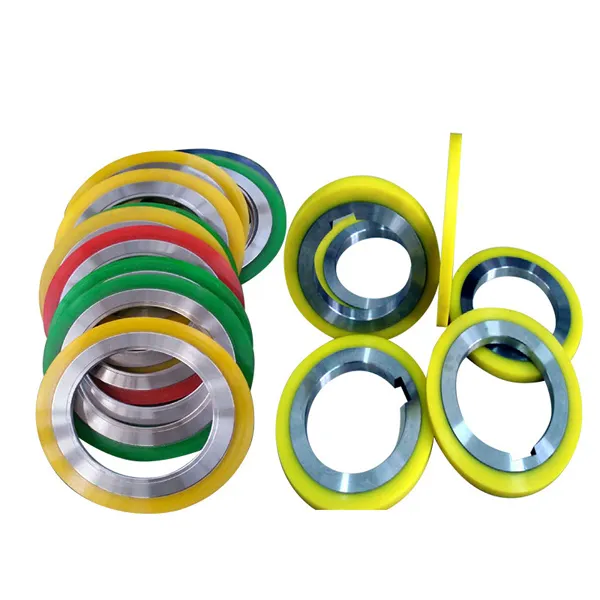
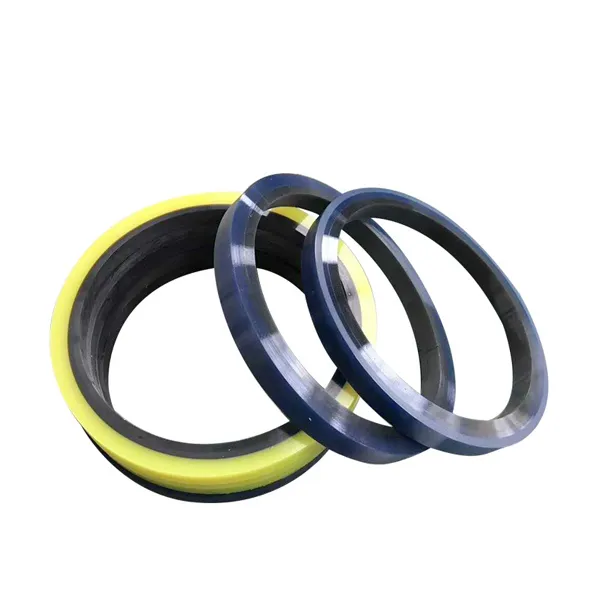
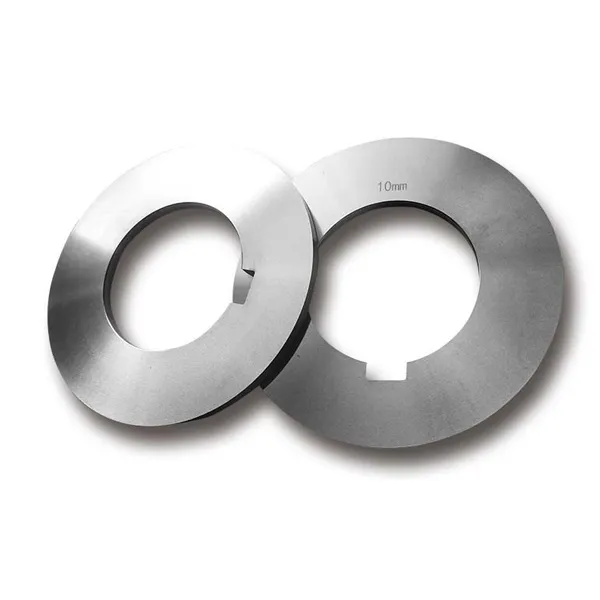
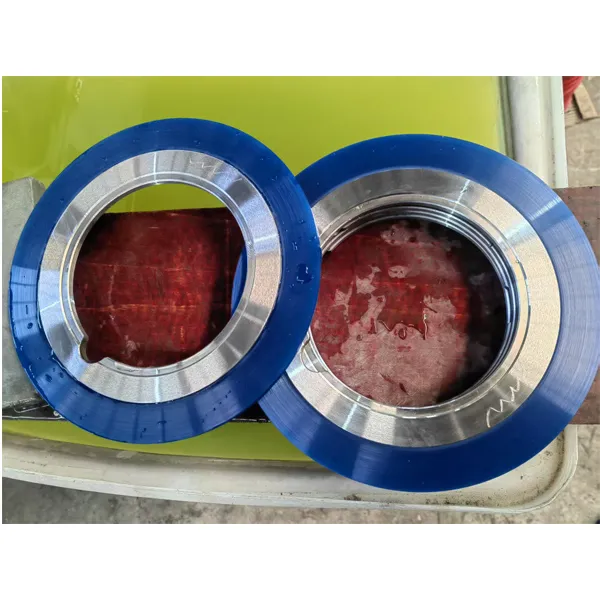
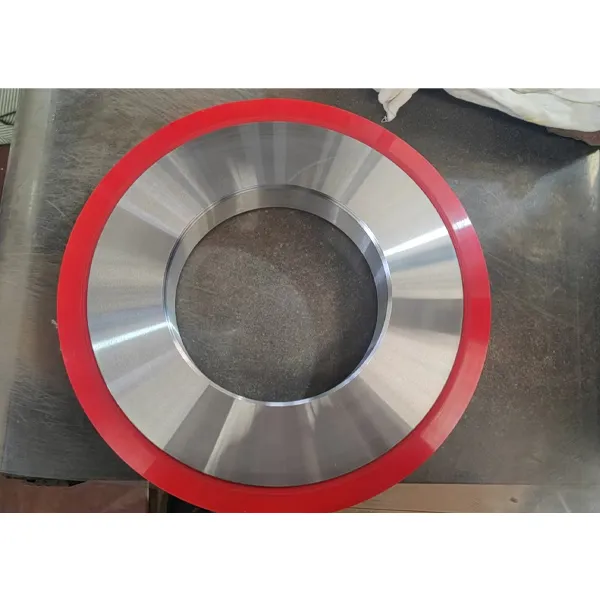
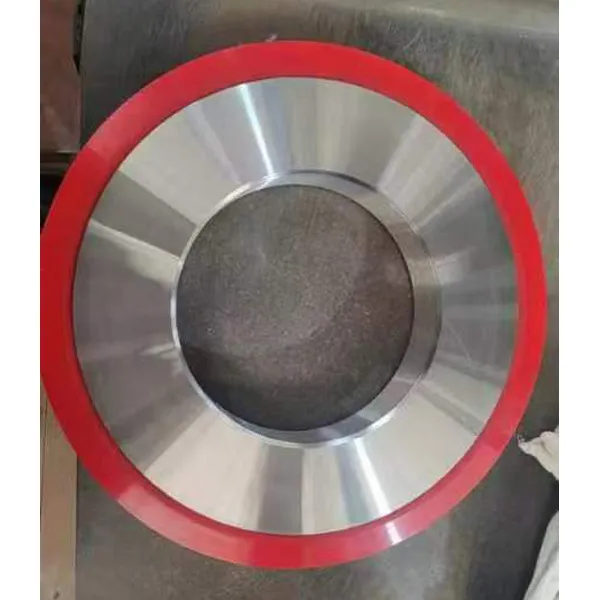
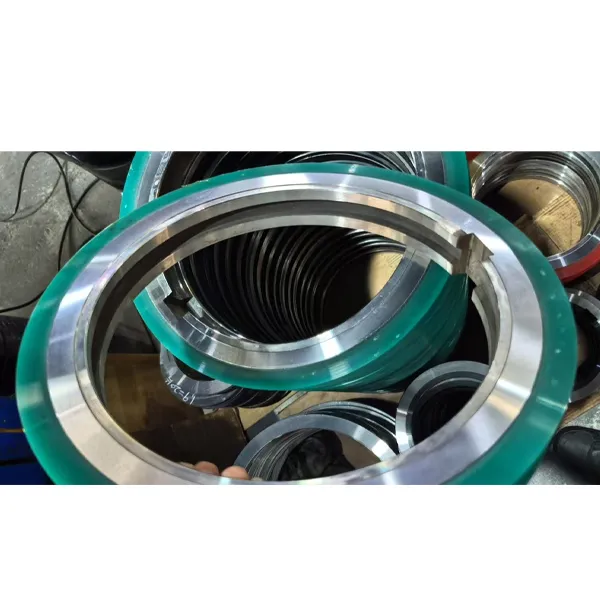
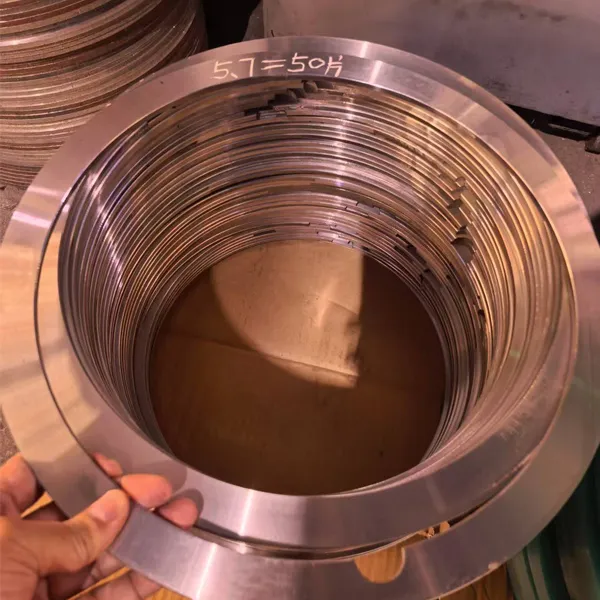
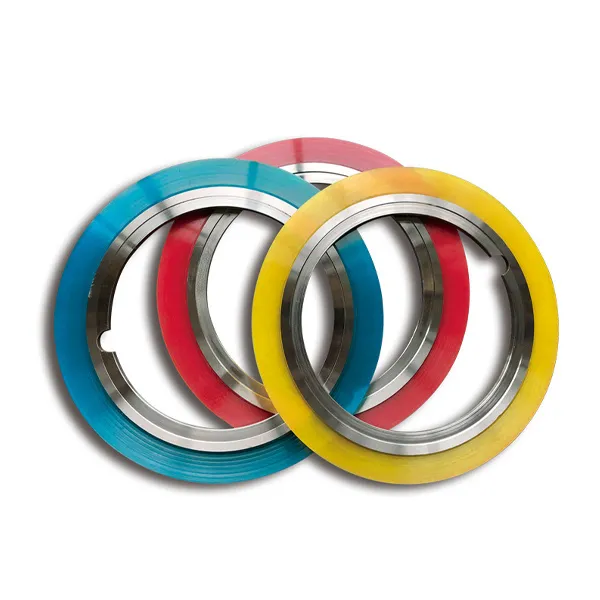
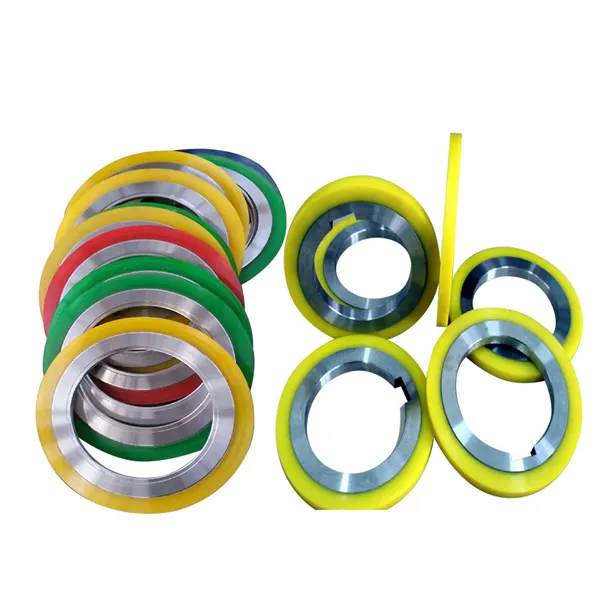
Metal processing: steel strip pickling process, steel strip longitudinal cutting process, stainless steel, automotive plate slitting using metal spacers, matched with precision gaskets to adjust gaps.
Core function: The spacer and gasket are used to control the spacing between the slitting blades and adjust the horizontal gap between the upper and lower blades, ensuring the accuracy of slitting width and cutting stability.
The adjustment methods include manually increasing or decreasing the thickness of the gasket or quickly adjusting the spacing through patented sliding components (such as sliding sleeves and positioning rods) to reduce downtime.
65Mn Spring Steel: High carbon spring steel with a hardness of HRC38-42, combining wear resistance and toughness, widely used in metal sheet slitting scenarios. The surface is treated with chrome plating or blackening to enhance rust resistance and adapt to high humidity or corrosive environments.
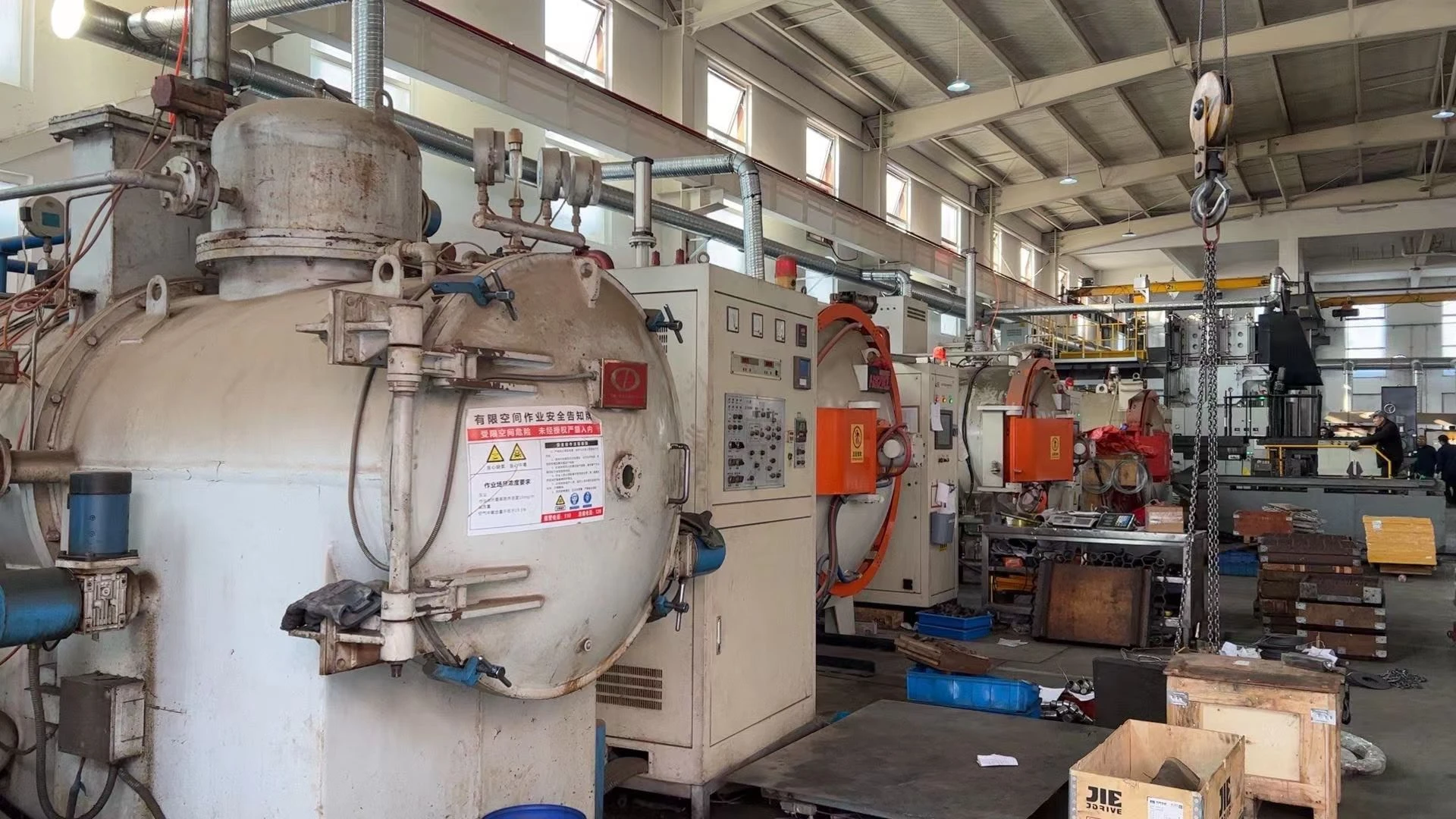
Alloy tool steel: such as Cr12MoV, 6CrW2Si, etc., suitable for high load shear scenarios (such as stainless steel, automotive plate slitting), with strong impact resistance, avoiding gap expansion caused by metal debris wear. It is necessary to cooperate with heat treatment processes such as vacuum quenching to ensure uniformity of hardness.
Rubber/polyurethane: used for slitting non-metallic materials (such as paper, film, non-woven fabric) to avoid scratching the surface of the material, and the encapsulation process can improve wear resistance. The thickness tolerance is ± 0.1mm, and it needs to be replaced regularly to maintain elasticity and sealing. The thickness range covers 0.8-150mm, and the tolerance is strictly controlled within ≤ 0.003mm to ensure assembly accuracy.
High molecular weight polymers, such as Teflon or wear-resistant plastics, are suitable for high temperatures or complex working conditions, reducing metal debris adhesion and extending service life.
Thickness tolerance: ≤ 0.003mm (metal spacer) or ± 0.1mm (rubber spacer).
Inner hole and outer circle fit: with a tolerance of ≤ 0.003mm to prevent vibration displacement during high-speed operation.
Surface treatment: Blackening treatment (rust prevention) or titanium plating (improving wear resistance).
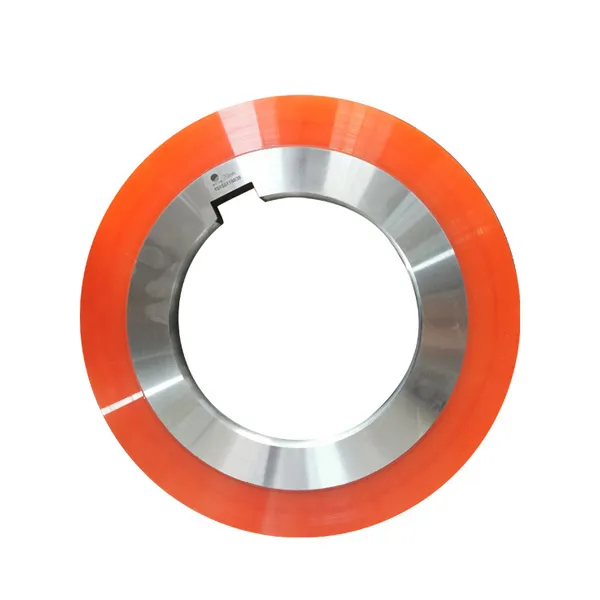
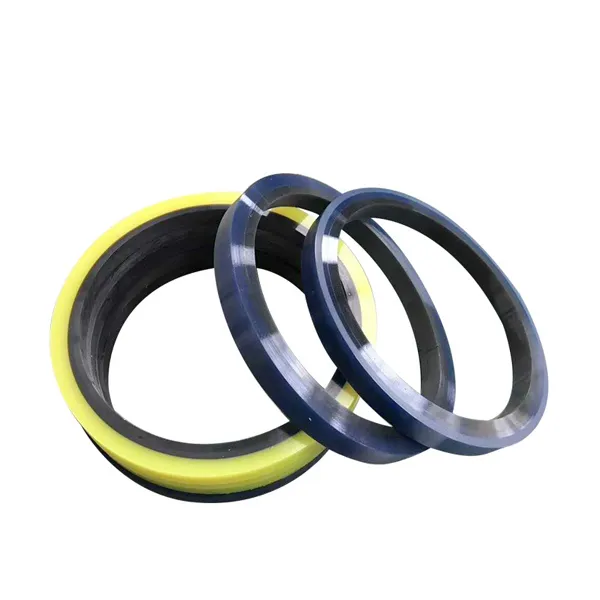
Chrome plating: enhances rust resistance and wear resistance, suitable for metal spacers.
Blackening treatment: improves rust prevention performance, commonly seen in the mating parts of knife shafts.
Gluing process: Rubber or polyurethane material surface is coated with glue to enhance wear resistance and impact resistance.
Metal plate slitting: 65Mn or alloy tool steel material spacers are preferred with a tolerance of ≤ 0.003mm to ensure wear resistance and assembly accuracy.
Non metallic material slitting: Choose rubber or polyurethane gaskets to protect the integrity of the material edges.
High temperature/high humidity environment: Made of polymer materials or chrome plated on the surface, suitable for complex working conditions.
Installation and adjustment: The total thickness of the blade stack should be ≤ 300mm, and the spacers should be arranged in the order of thickness to avoid cumulative errors affecting the slitting accuracy.
When using adjustment components (such as sliding sleeves and positioning rods) to quickly adjust the spacing, it is necessary to ensure the stability of the fit between the fixed column and the sliding groove.
Maintenance requirement: Regularly check the wear of the spacer surface. If there are obvious scratches or deformations, they need to be replaced to prevent deviation in the strip width.
Clean the remaining metal debris or glue between the blades to avoid equipment failure caused by jamming.
Note: The spacer and gasket are key components for strip accuracy and efficiency, and should be selected comprehensively based on material characteristics, operating conditions, and equipment requirements. The material of the spacer and gasket should be selected based on the strip material characteristics, equipment load, and environmental conditions to ensure strip accuracy and equipment stability.
high speed steel blades
high speed steel saw
steel guillotine cutter
Steel Mill Spacer FAQs
What is the function of a steel mill spacer in the slitting process?
A steel mill spacer is used to control the spacing between slitting blades and adjust the horizontal gap between upper and lower blades. This ensures precise slitting width and cutting stability for stainless steel, aluminum, copper, and cold-rolled or hot-rolled steel plates.
What materials are commonly used for metal spacers and gaskets in steel mills?
Common materials include 65Mn spring steel, alloy tool steel (Cr12MoV, 6CrW2Si), rubber, polyurethane, and high molecular weight polymers like Teflon. Each material is selected based on wear resistance, load requirements, and environmental conditions.
How do steel mill spacers improve cutting accuracy?
By precisely maintaining the gap between slitting blades and using high-tolerance components (≤ 0.003mm for metal spacers), steel mill spacers prevent vibration, reduce material deviation, and ensure consistent strip width during high-speed operations.
Can steel mill spacers be used for non-metallic materials?
Yes, rubber or polyurethane gaskets and spacers are ideal for non-metallic materials such as paper, film, or non-woven fabrics, protecting surfaces while maintaining accurate spacing.
What surface treatments are available for spacers and gaskets?
Treatments include chrome plating (improves rust and wear resistance), blackening (enhances rust prevention), and gluing for rubber/polyurethane surfaces (increases wear and impact resistance). These processes extend the service life of steel mill spacers.Can steel mill spacers be used for non-metallic materials?
How do I maintain and inspect steel mill spacers?
Regularly check for surface wear, scratches, or deformations. Replace damaged spacers immediately to maintain strip width accuracy. Clean metal debris or glue between blades to prevent equipment jamming.
How are spacers and gaskets adjusted in the slitting process?
Spacing can be adjusted manually by changing gasket thickness or quickly using patented sliding components like sliding sleeves and positioning rods, reducing downtime while ensuring cutting stability.
Why should I choose high-quality steel mill spacers from professional manufacturers?
Professional steel mill spacers manufacturers provide high-precision components with proper material selection, tolerance control, and surface treatment. This ensures accurate slitting, improved yield, and equipment stability under varying operational conditions.
Durable Steel Mill Spacers for Enhanced Rolling Mill Efficiency
Our steel mill spacers feature advanced metallurgical compositions that resist deformation under heavy loads. The precision-machined surfaces and hardened contact areas provide reliable performance in demanding rolling conditions. Available in various configurations for different mill types, our spacers help maintain optimal roll gaps and prevent misalignment issues. These robust components are designed to reduce downtime and maintenance costs in steel production lines, offering superior wear resistance compared to standard spacer solutions.
-
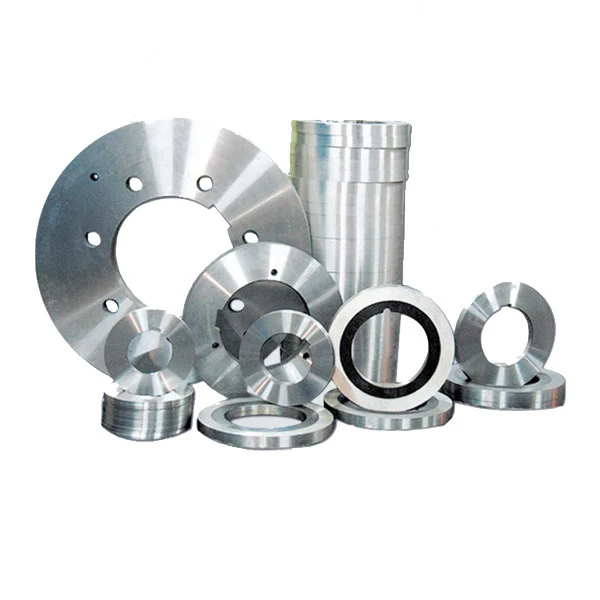 Circular Slitter BladesThe slitting disc cutter is widely used in slitting of thin metal plates such as stainless steel, aluminum plate and copper plate. In slitting of cold-rolled steel plates, hot-rolled steel plates and pickling plates, the slitting disc cutter made of cemented carbide or high-speed steel can ensure smooth cut, reduce material loss and improve yield. Our company has 30 years' experience in producing slitting disc cutters for metal industry, and we design and produce blades with various functions and occasions for customers. Welcome to ask us related questions.
 -
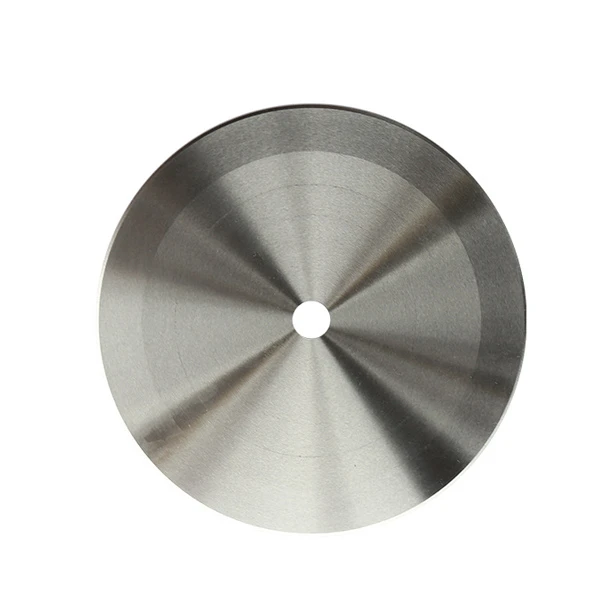 Hss Circular Saw BladesHigh speed steel circular saw blade (HSS circular saw blade) is an efficient tool specifically designed for metal cutting. When used in conjunction with a specialized metal circular saw machine, it can cover diverse processing needs from thin plates to thick materials by adjusting the tooth pitch and line speed. It has become the core tool for cutting, slotting, and other processes in metal processing, especially suitable for efficient production in fields such as automotive, aviation, and machinery manufacturing.
 -
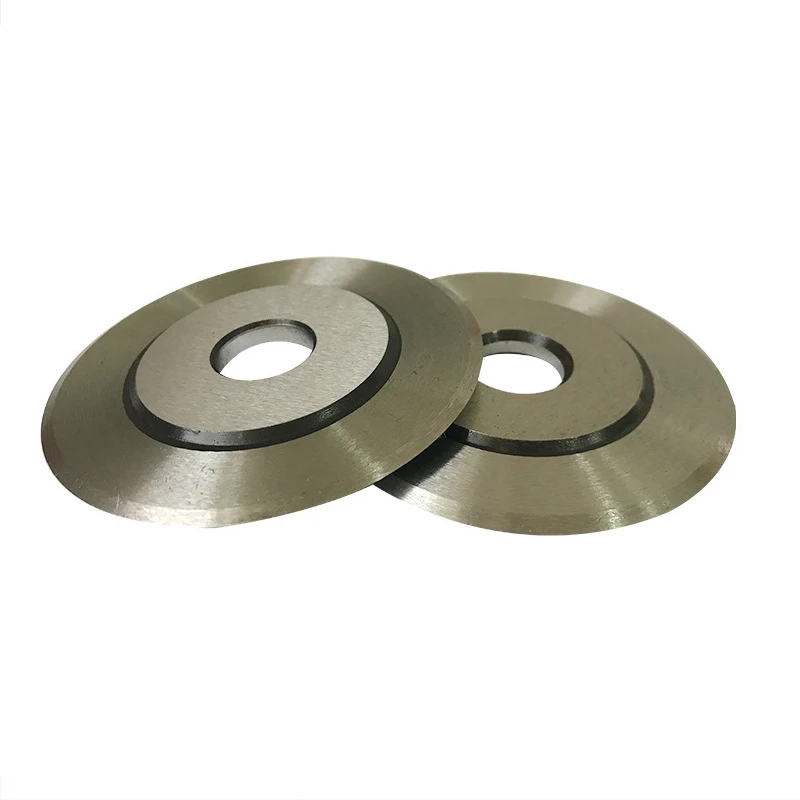 Tube Slitting Cutter KnifeCutting blades for steel pipes have the characteristics of high wear resistance, high hardness and strength, efficient cutting and high precision, thermal stability, etc., which have shown significant advantages in efficient operations in fields such as construction engineering, machinery manufacturing, energy and chemical engineering, and have been widely used.
 -
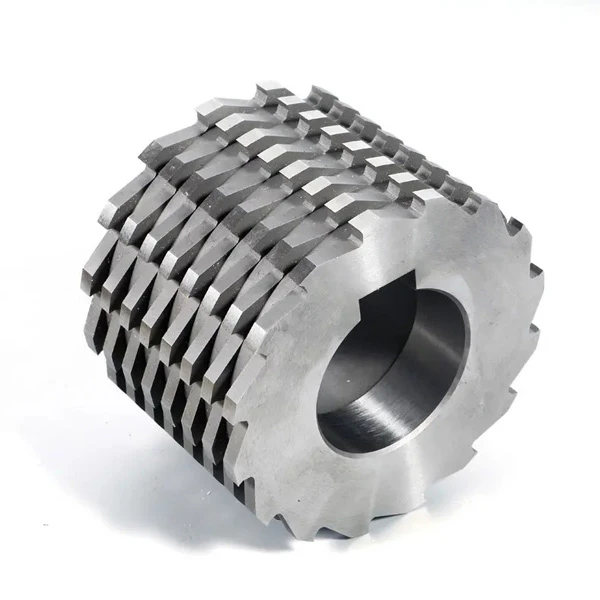 Scrap Steel Crusher BladeThe blade of the scrap steel crusher has the characteristics of high-strength material and wear resistance, clever structural design, corrosion resistance and thermal stability. Through advanced technologies such as high-strength crushing and material sorting, it has become the core tool for achieving a "crushing sorting regeneration" closed-loop in the metal recycling industry chain. It can process various forms of scrap steel such as automotive scrap, steel bar waste, and industrial metal waste.
 -
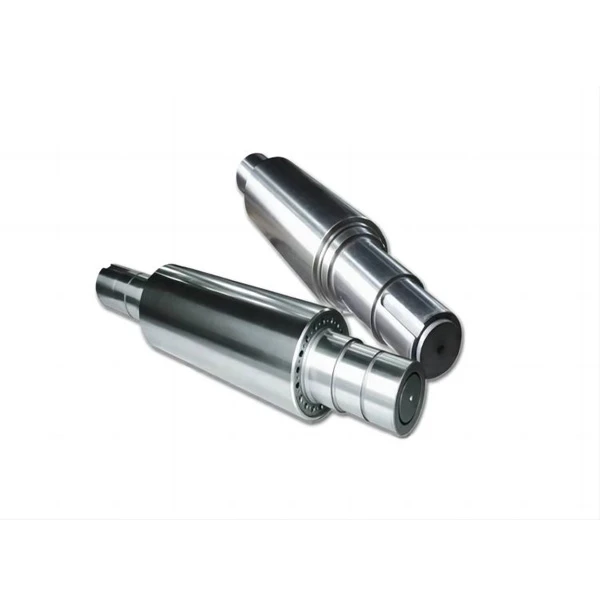 Precision Steel RollersThe precision rolling mill adjusts the gap between the rolling rolls to eliminate defects such as wave and bending in the strip, ensuring the flatness of the plate and achieving shape control and straightening of the steel strip. The precision rolling mill, through high-precision structural design and advanced surface treatment technology, has become the core component for improving strip quality and production efficiency in the straightening process.
 -
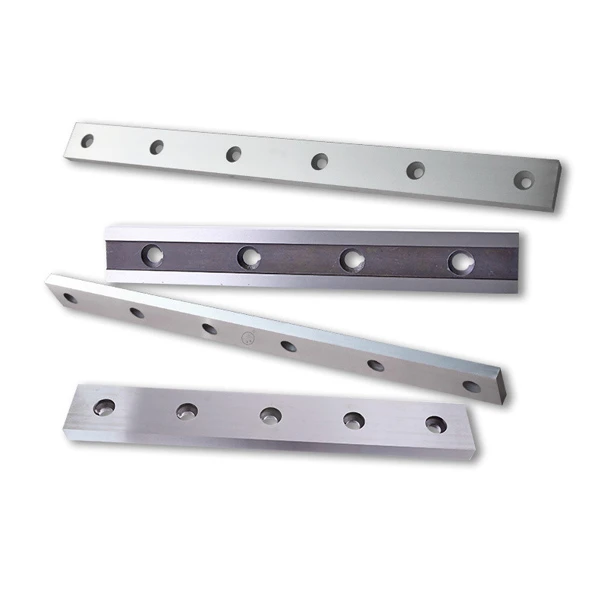 Guillotine Shear BladesThe blade of the hydraulic shearing machine is the core cutting component of the hydraulic shearing machine. Its function and working process: It consists of a moving upper blade and a fixed lower blade. The upper blade is driven by a hydraulic system to apply shear force to the metal sheet, while the lower blade provides support. The blade gap is adjusted reasonably, and the shear stress is used to break and separate the sheet according to the set size, thus achieving its cutting function.
 -
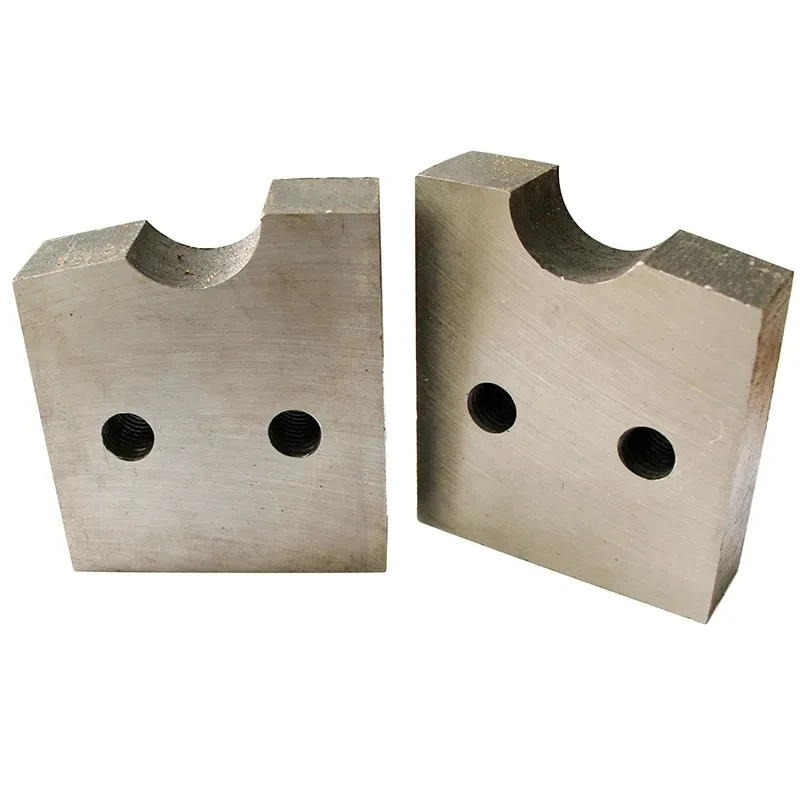 Steel Bar Cutting BladesThe steel bar cutting blade has the characteristics of high-strength material and process, precision structural design, thermal stability and wear resistance. When combined with sawing machines and pipe cutting machines or handheld or fixed equipment, it can achieve safe and efficient cutting of steel bars, and is widely used in the fields of construction engineering, industrial manufacturing, demolition and recycling.
 -
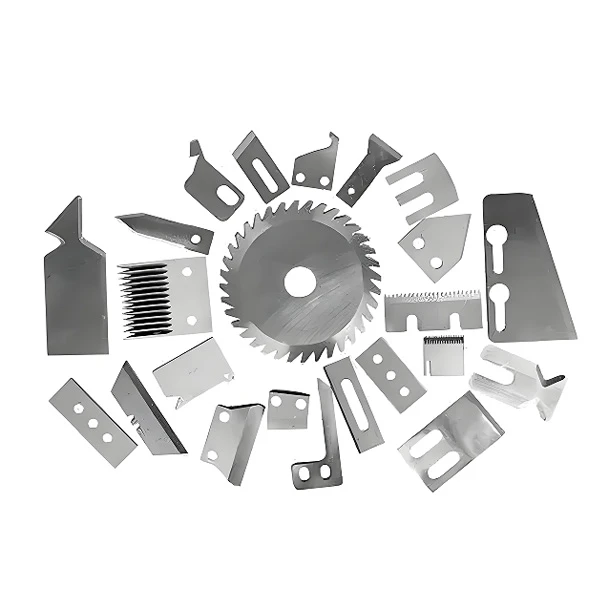 Tyre Cord Straight KnifeThe tire cord straight knife achieves high-precision and high-efficiency cord processing in tire inspection, resource recycling, and customized processing through high-strength materials, optimized geometric design, and intelligent control, promoting the transformation of the tire industry towards green manufacturing and circular economy.
Get Binsheng Blade Tech Tips
ISO 9001 insights: industry trends & blade guides


