
Wear-Resistant Alloy Parts For Concrete Mixers
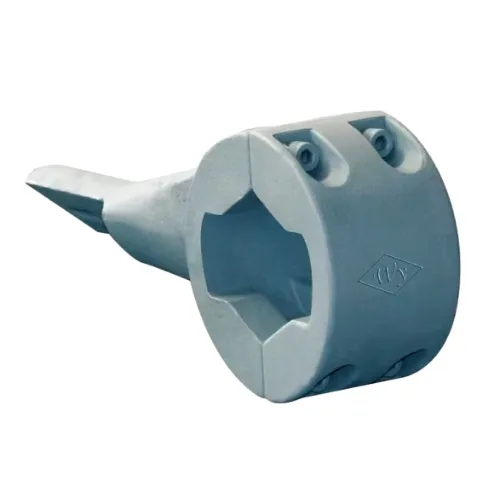
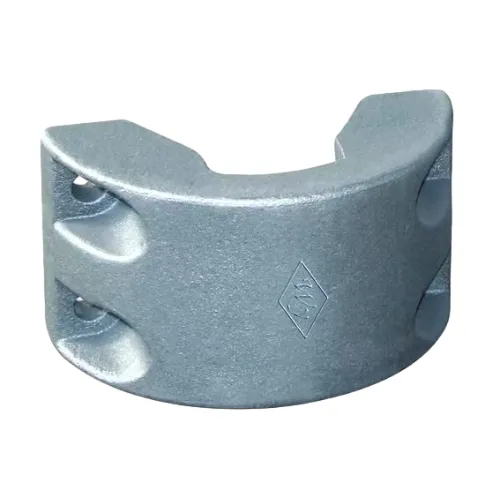
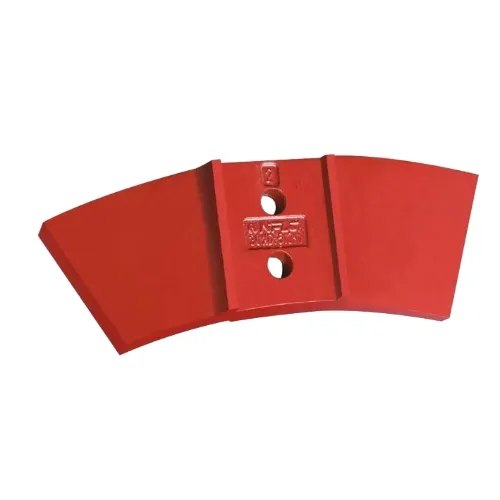
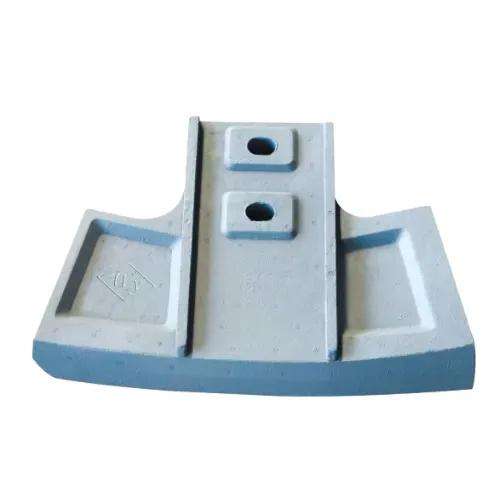
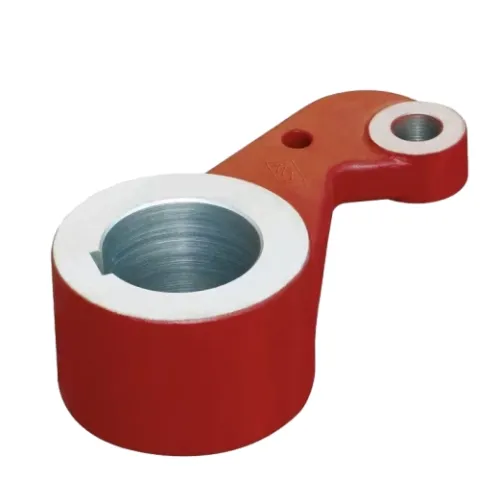
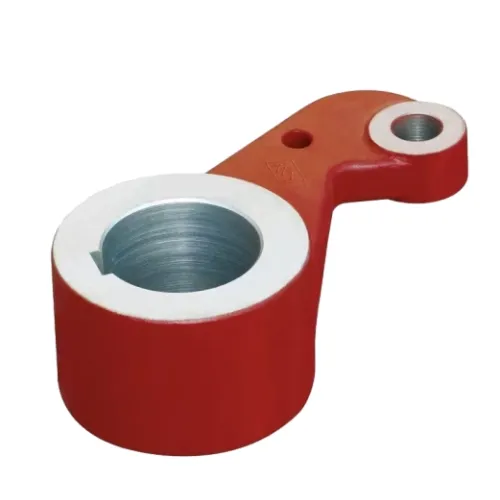
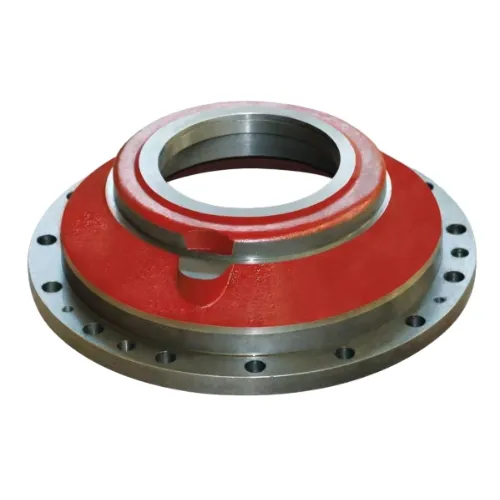
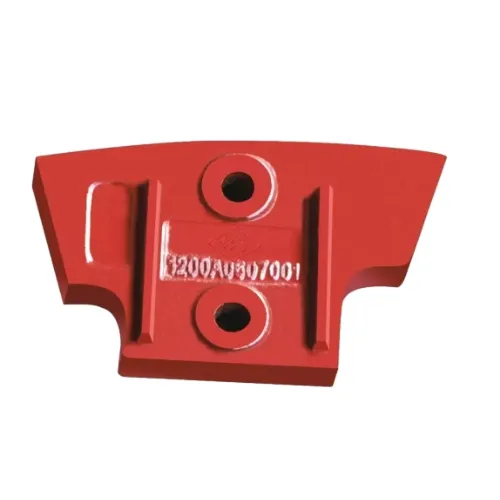
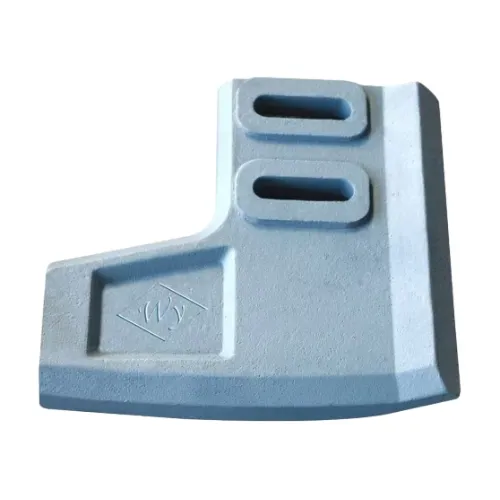
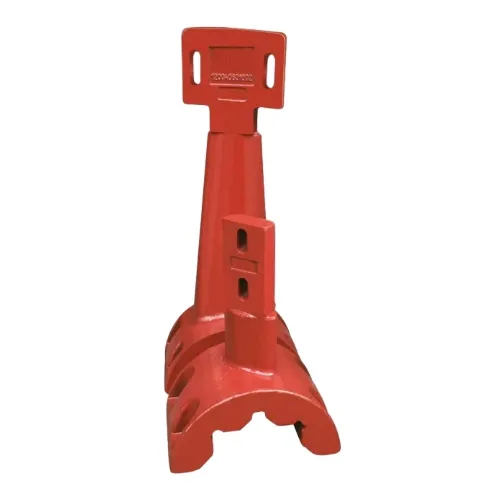
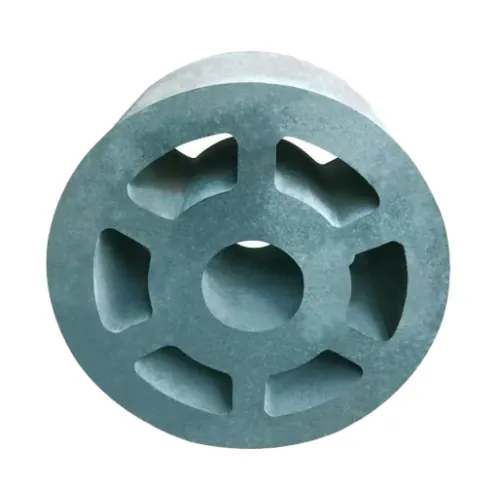
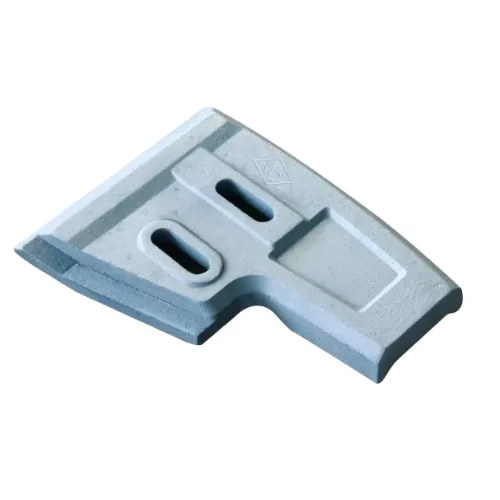
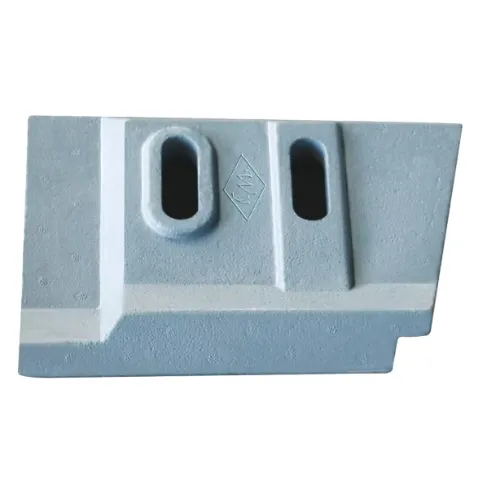
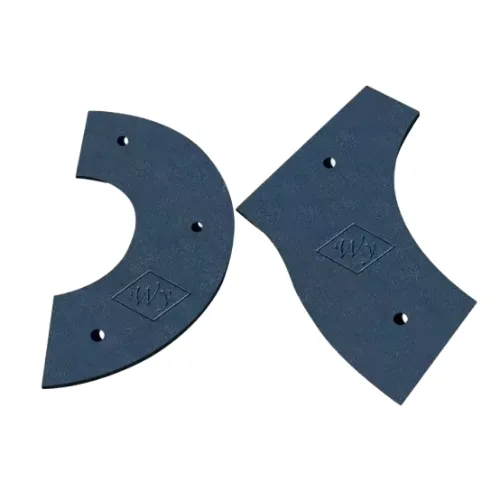
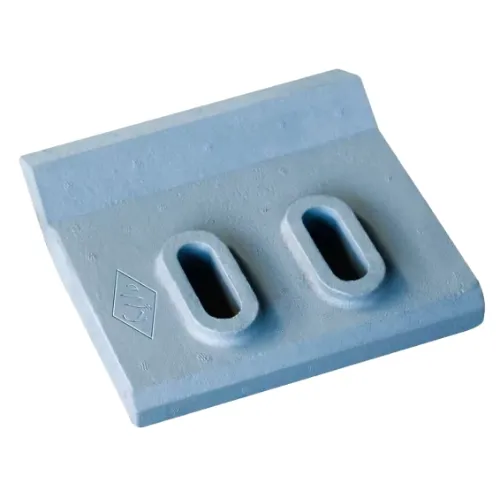
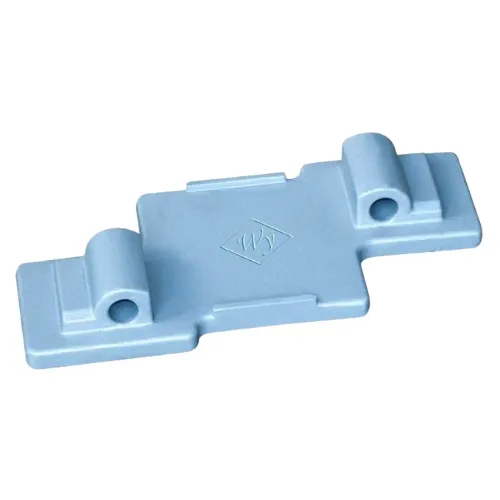
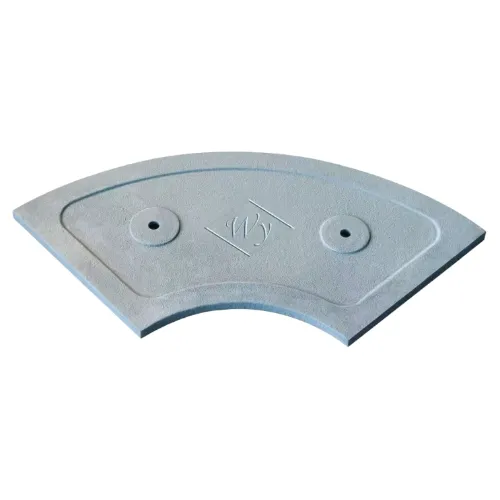
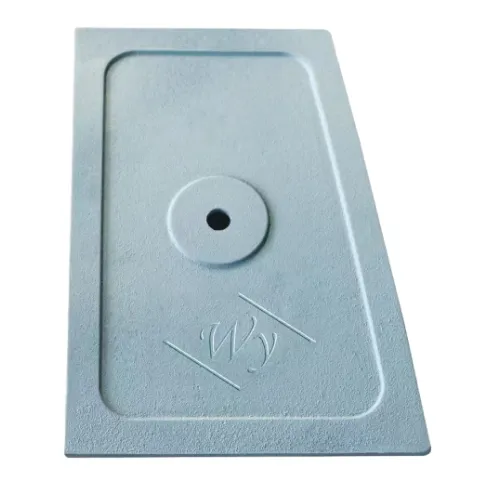
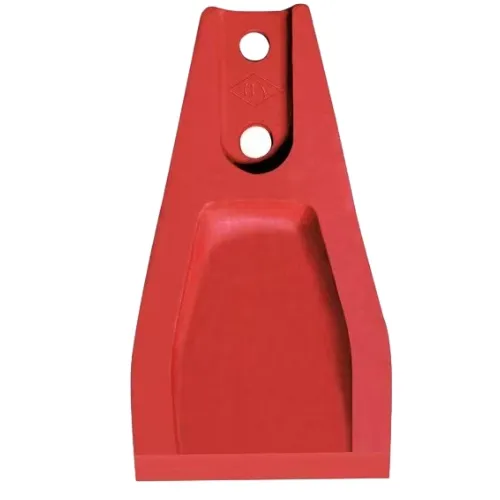
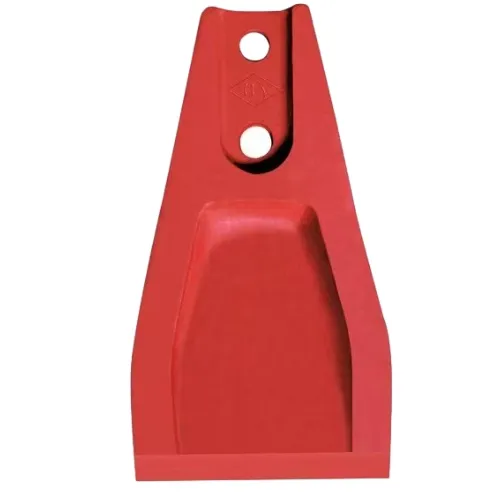
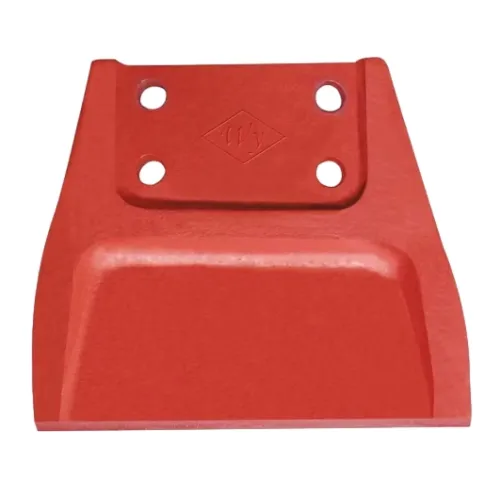
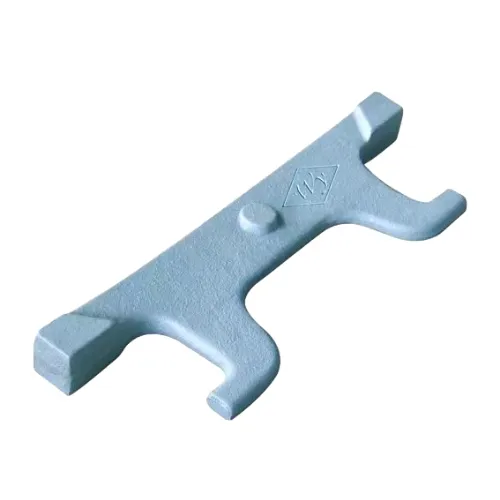
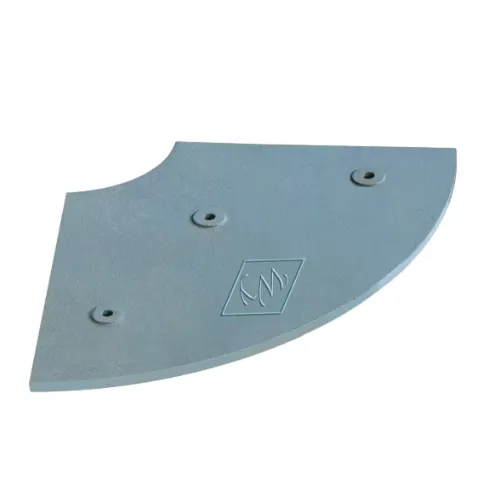
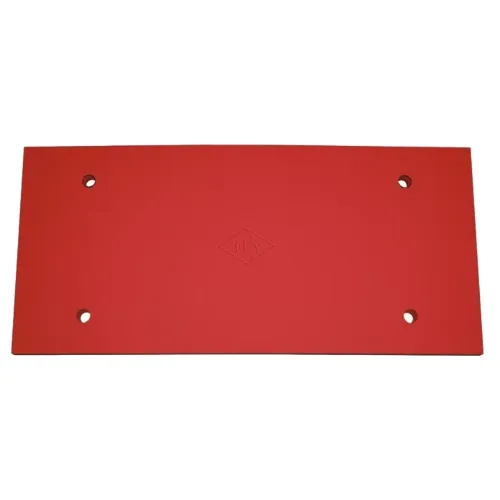
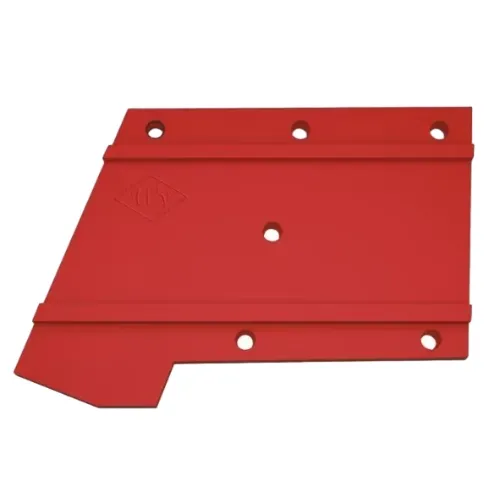
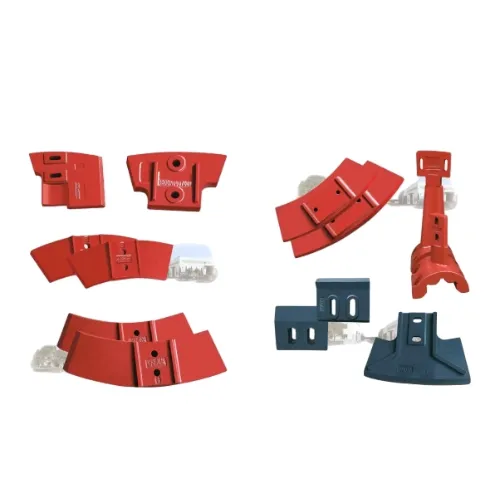
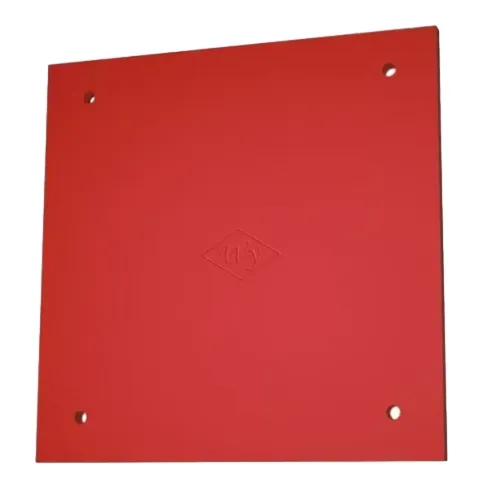
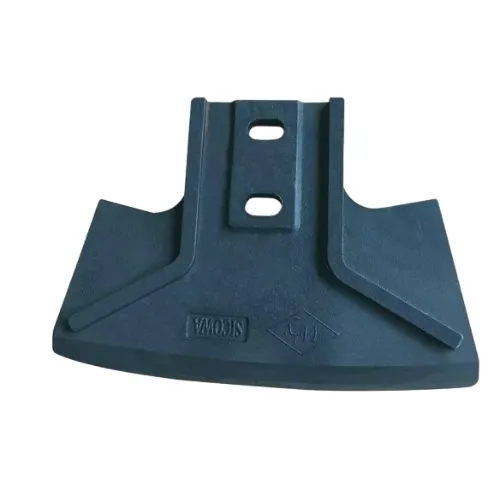
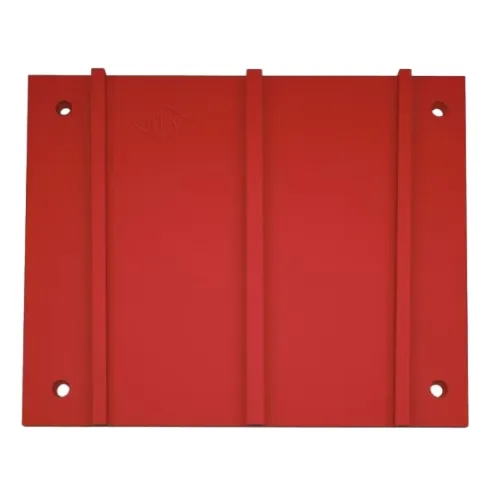
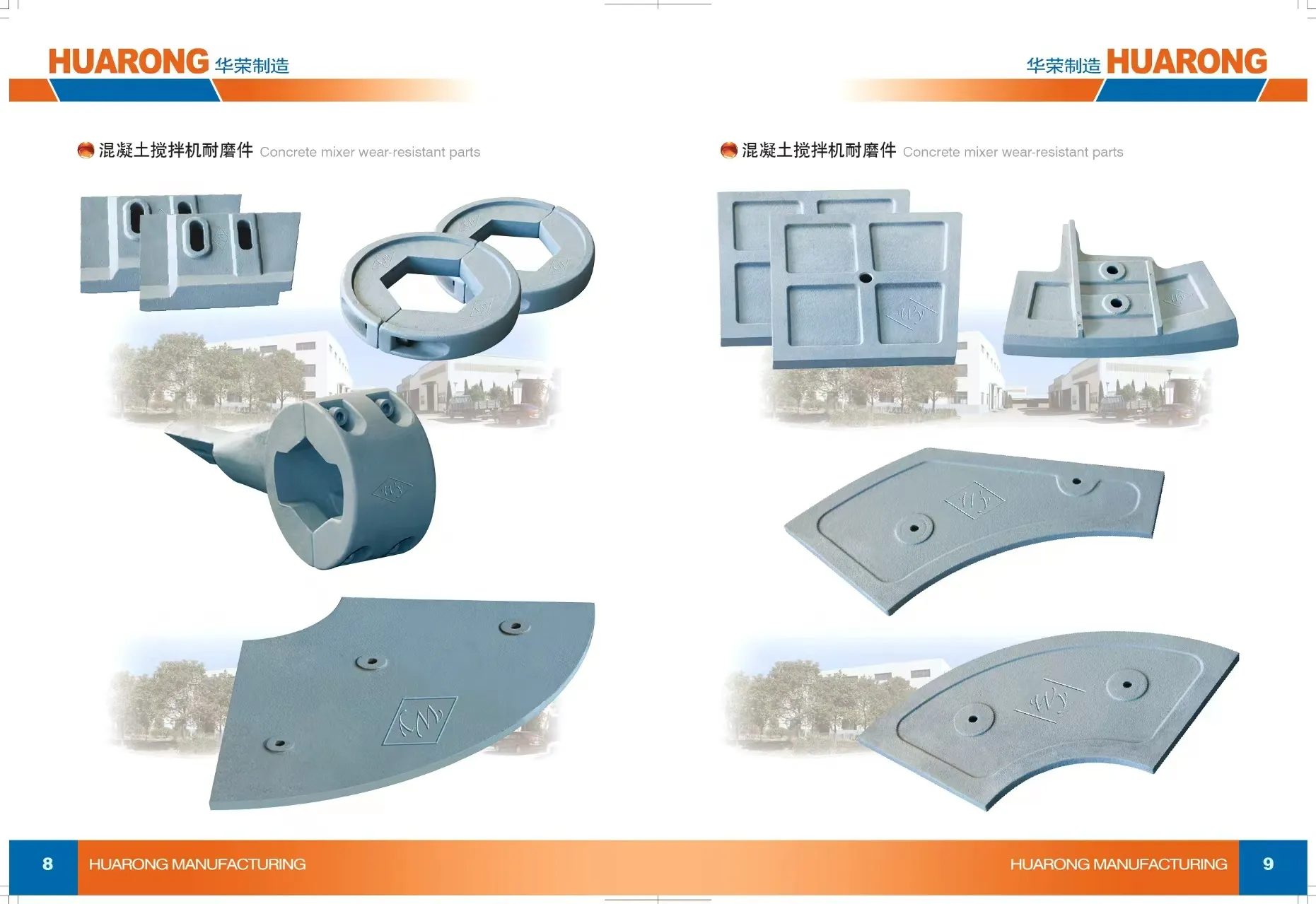
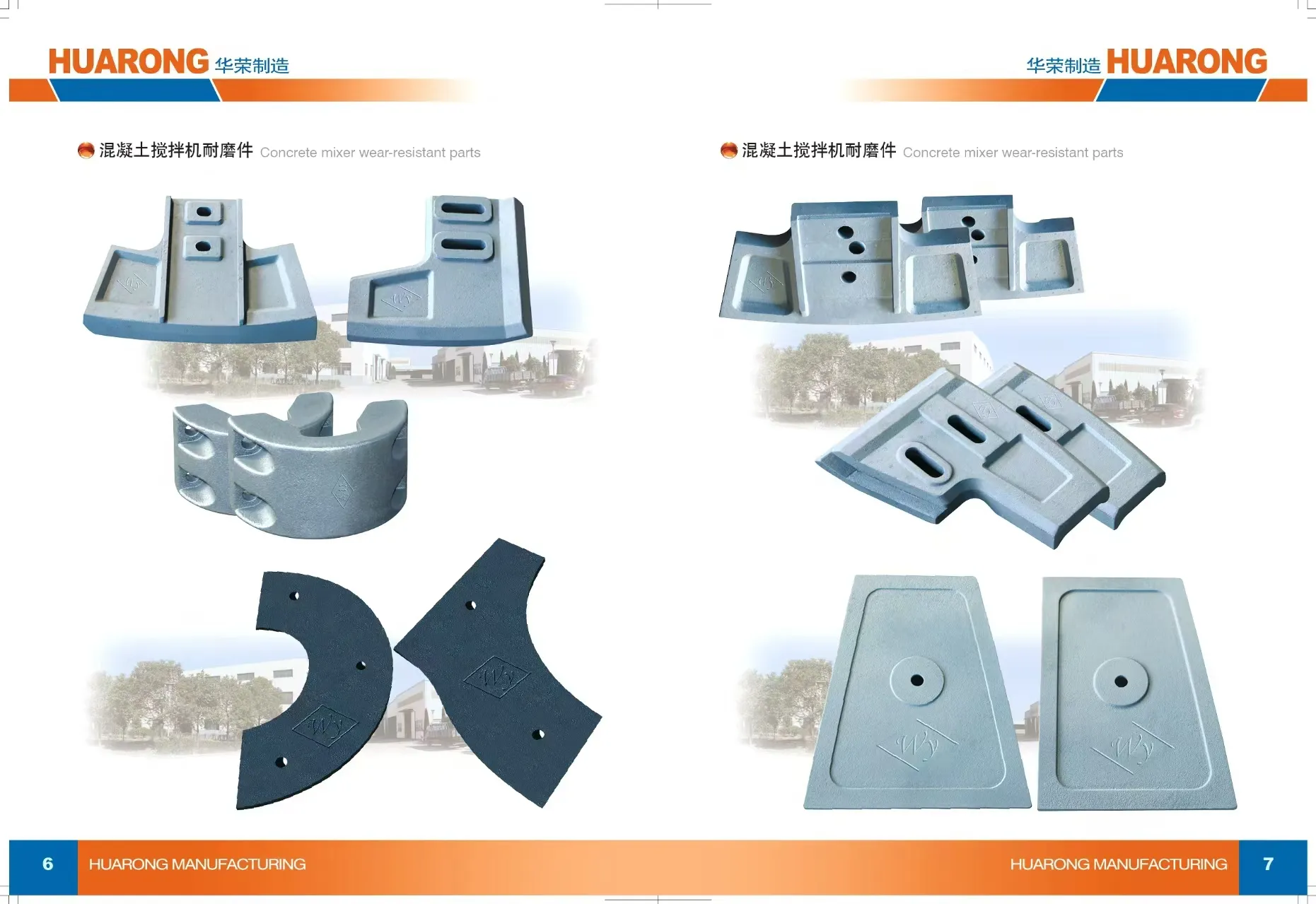
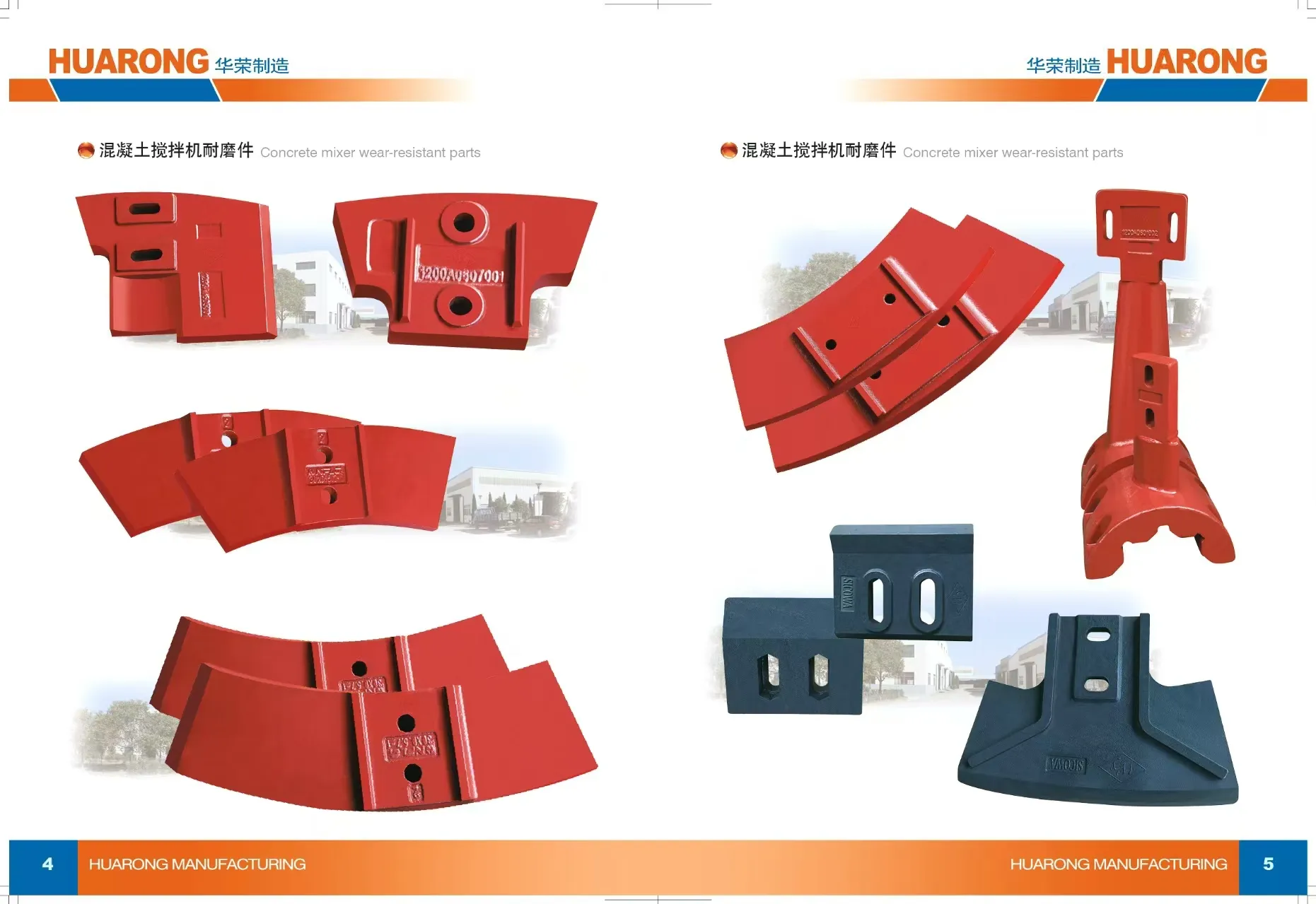
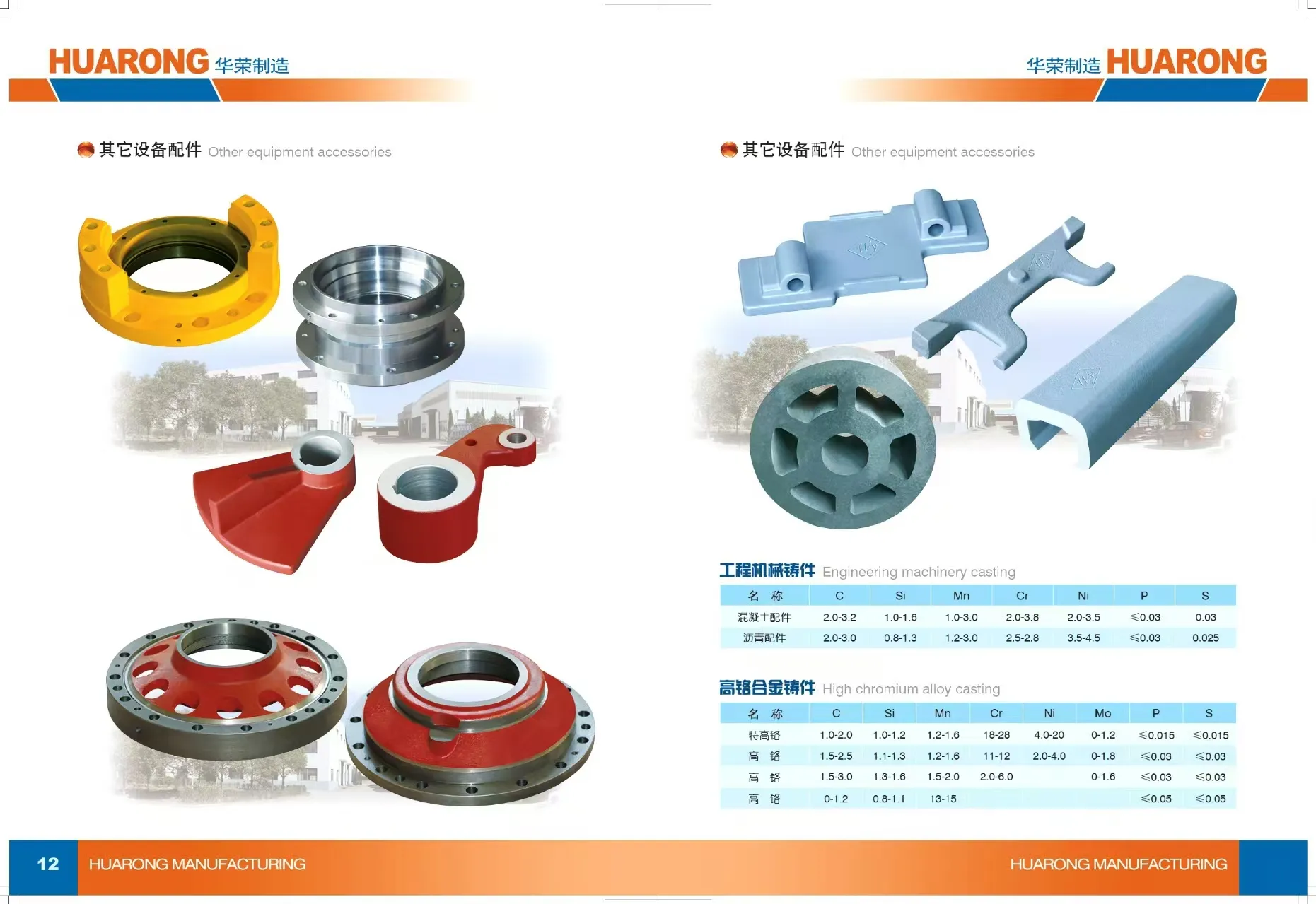
1.Blades and mixing arms: undertake the core function of material mixing. High chromium alloy material blades can resist aggregate impact wear and have a lifespan 3-5 times longer than ordinary steel.
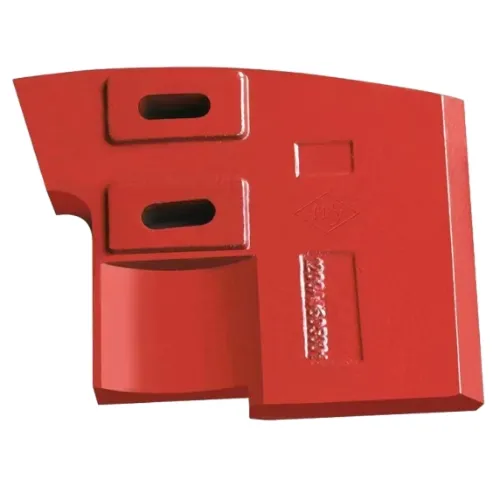
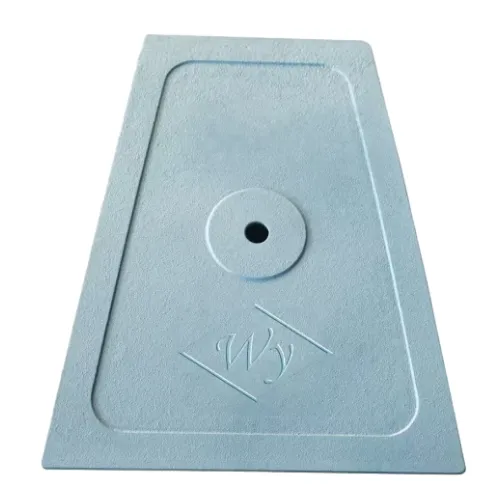
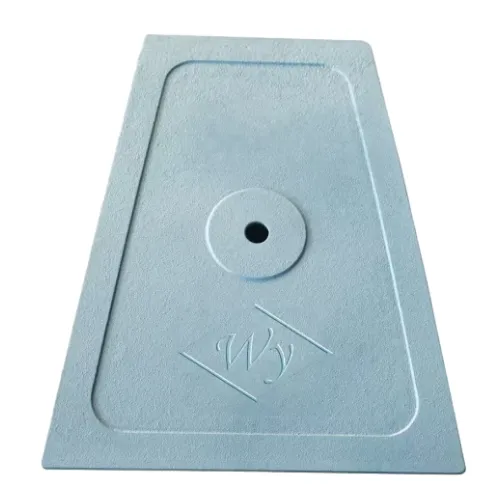
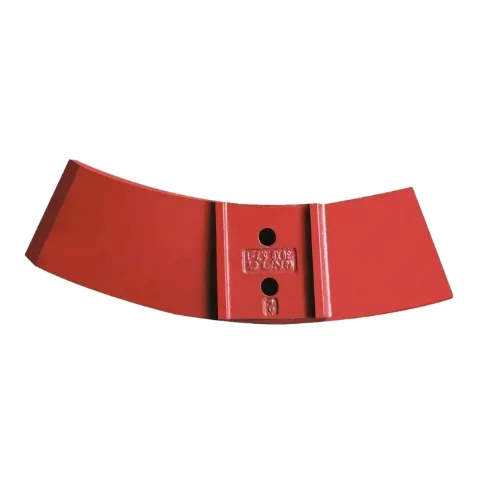
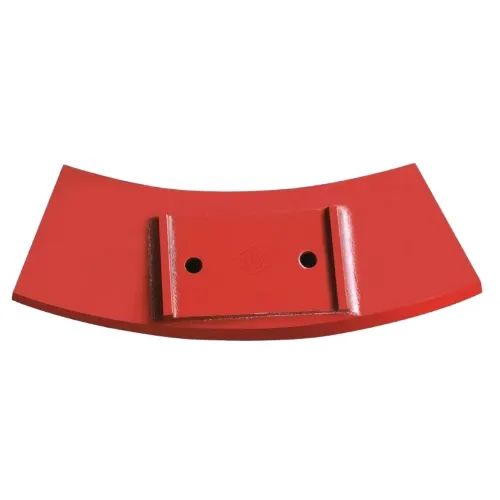
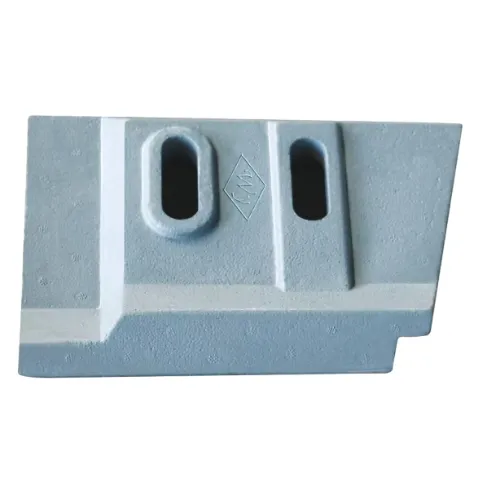
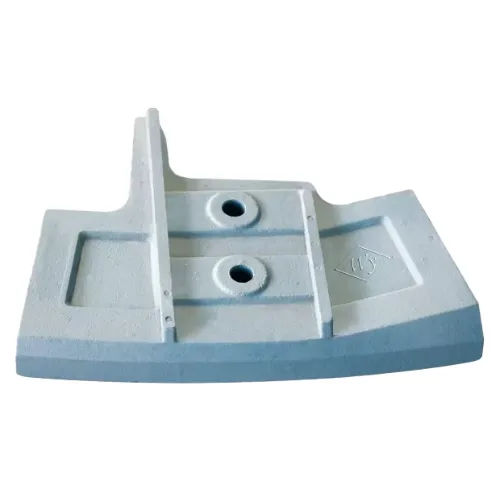
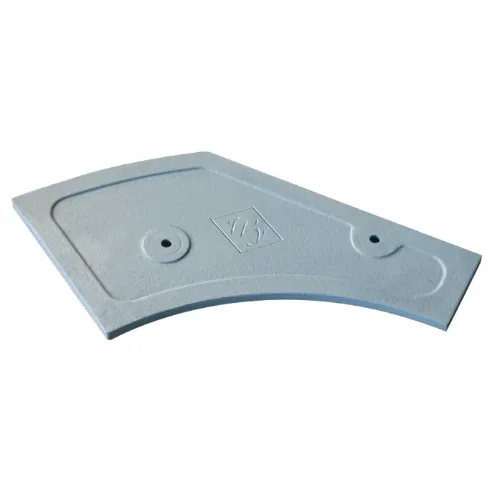
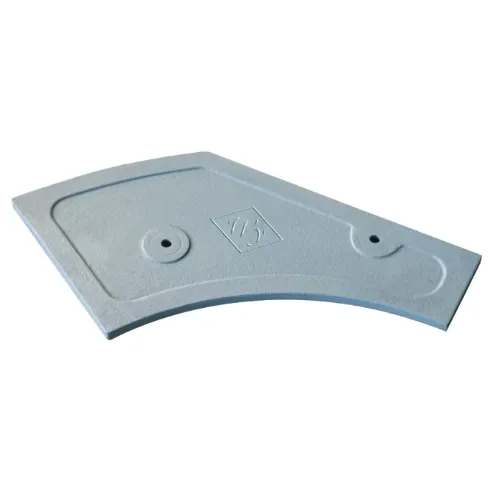
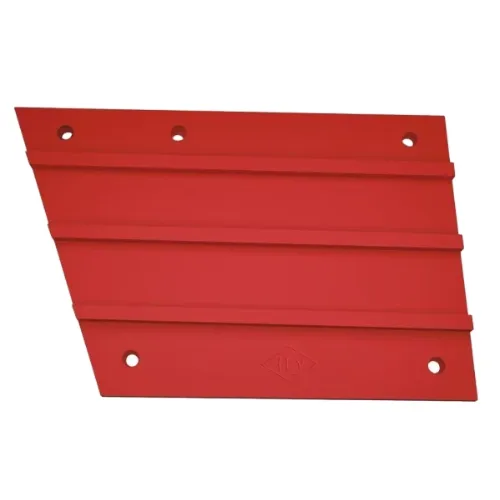
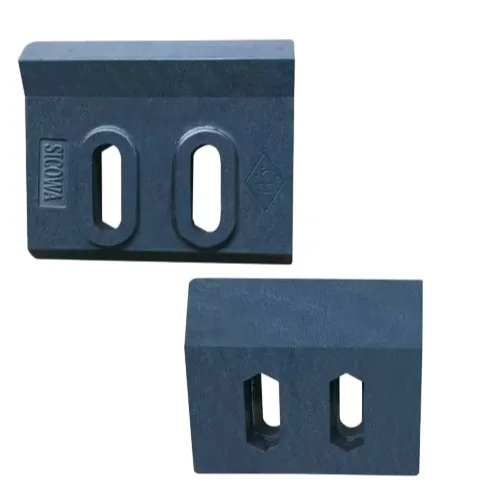
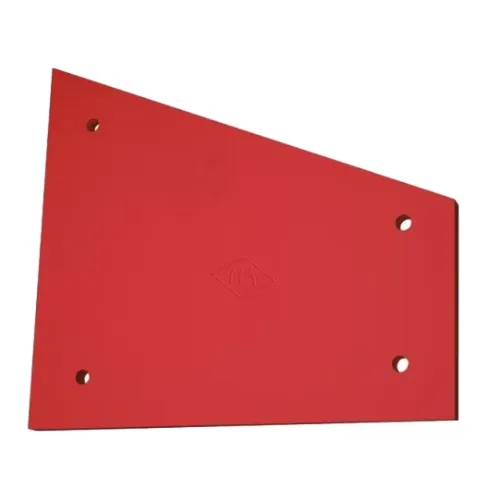
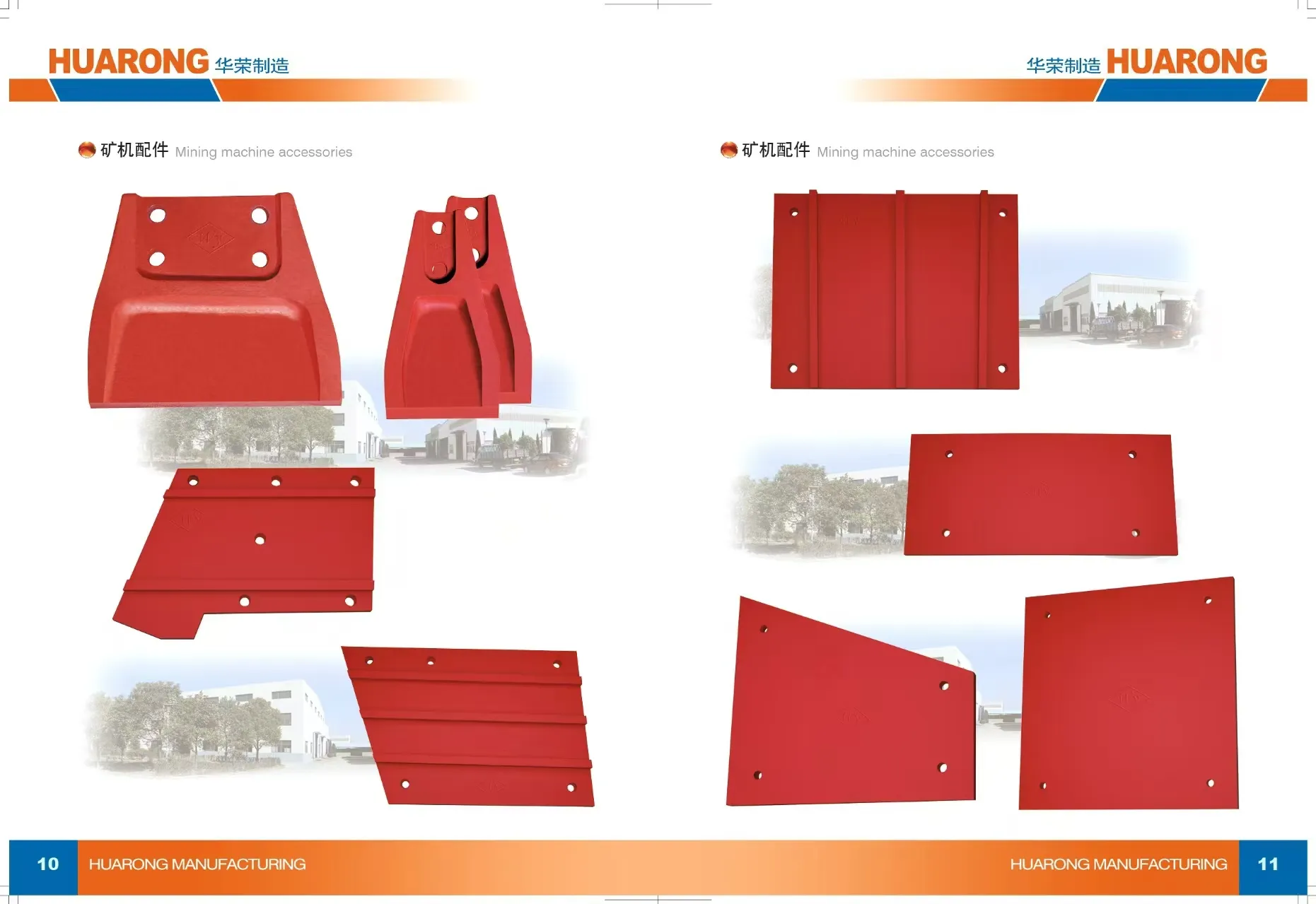
2.Lining and side plates: protect the mixing drum body and prevent corrosion and wear of cement slurry. Divided into flat bottom, conical bottom and other structures, matched with different mixing machines (such as JS500/750, JS3000).
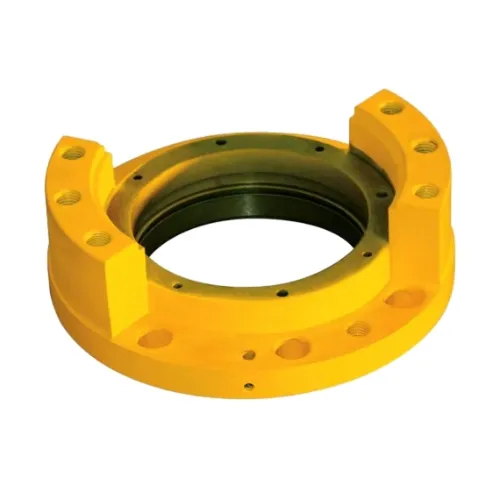
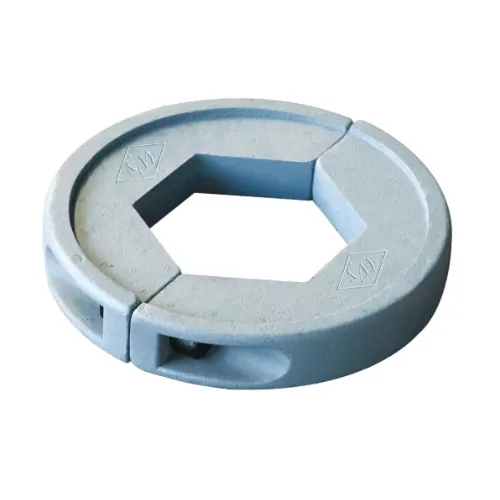
3.Shaft end seals: To prevent slurry from seeping into the bearing, they need to be designed to withstand high temperatures (220 ℃) and pressure to reduce equipment failure rates.
4.Spiral conveyor liner: Resists friction when conveying dry materials, suitable for YG8 hard alloy material.
5.Dust collector accessories: such as filter bags and flipping plates, need to be resistant to high temperature chemical corrosion.
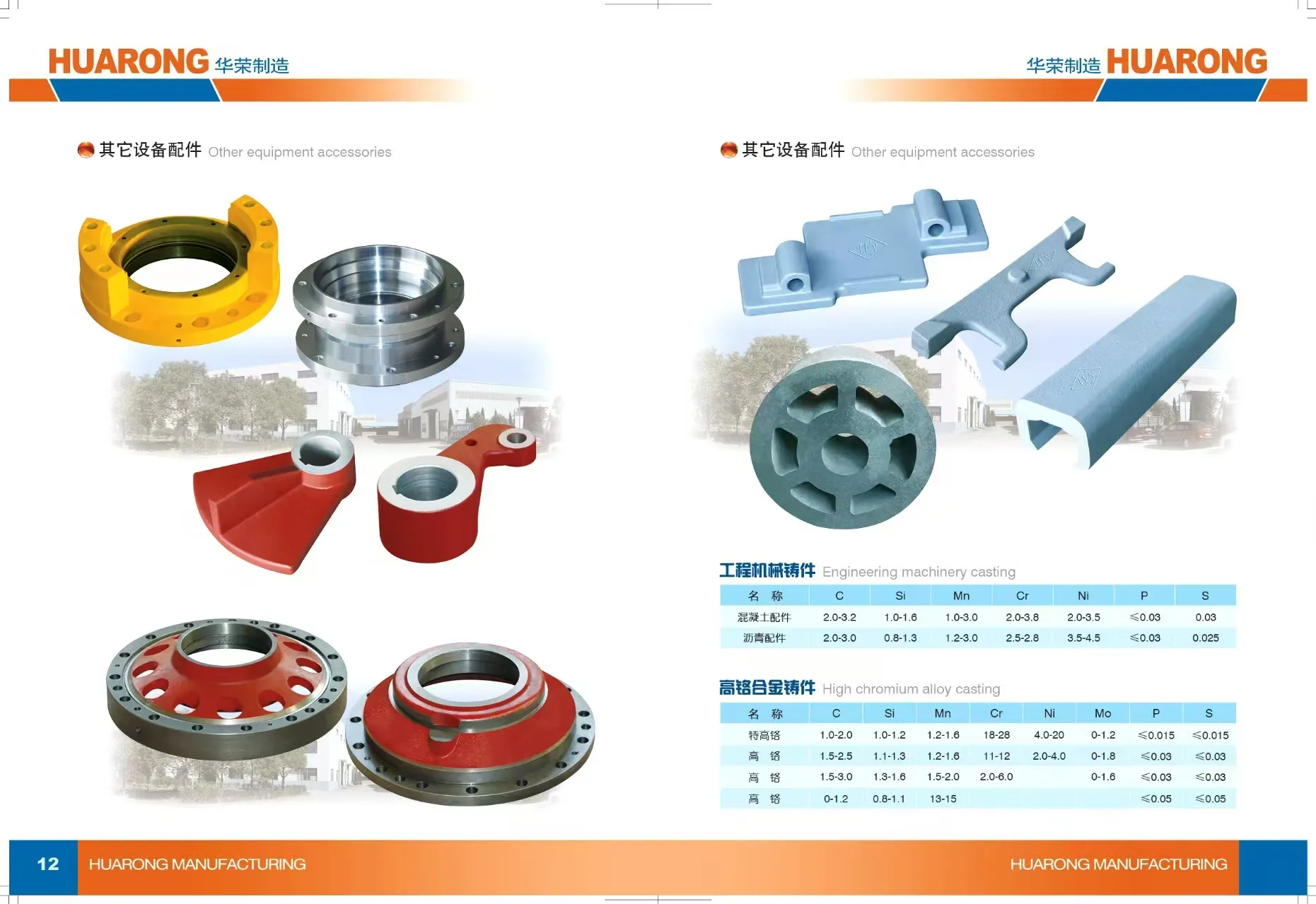
Main Wear-Resistant Alloy Materials
|
Material type |
Applicable temperature |
Wear resistance characteristics |
Typical applications |
|
High chromium cast iron (Cr26) |
≤540℃ |
HV hardness 700+, impact wear resistance |
Lining plate, blade |
|
Chromium carbide overlay welding plate |
≤800℃ |
15 times longer lifespan than traditional materials |
Chute, fan blades |
|
Hard alloy (YG8) |
≤380℃ |
Ultra high hardness, resistant to fine particle wear |
Blade, guard ring |
Suggestions For Selecting High-Temperature Working Conditions
|
≤380℃: |
Ordinary carbon steel substrate with high cost-effectiveness. |
|
≤540℃: |
Low alloy heat-resistant steel plate (15CrMo) with added molybdenum/vanadium to enhance heat resistance. |
|
≤800℃: |
Heat resistant stainless steel substrate, suitable for high-temperature environments in asphalt mixing plants. |
Customized Services
Customization capability: Supports drawing processing, such as Tianjin BHS3.0 specialized lining plate and Southern Road Machinery 3000D blade.
Warranty requirement: The normal service life of high chromium alloy parts should be ≥ 6 months, and some manufacturers provide wear and tear replacement services.
Maintenance
Regular inspection focus: If the blade thickness wear exceeds 30% of the original design, it needs to be replaced to prevent dynamic balance imbalance.
Technical Upgrade Direction
Choose a composite structure liner (such as an 8+8mm weld overlay) that balances substrate toughness and surface wear resistance.
The mixing arm is equipped with a wear-resistant sheath to reduce the overall replacement cost.
paper cutter blade price
types of shredder blades
wood band saw blades for sale
Wear-Resistant Alloy Parts for Concrete Mixers FAQs
What are wear-resistant alloy parts for concrete mixers used for?
Wear-resistant alloy parts for concrete mixers are designed to protect key components of mixing equipment from abrasion and impact during continuous mixing operations. These concrete mixer wear parts, including blades, liners, and mixing arms, ensure efficient material mixing while extending the service life of the concrete mixing plant equipment.
What materials are commonly used for concrete mixer wear parts?
Most concrete mixer wear parts are manufactured from high chromium alloy, hard alloy materials, or composite wear-resistant steel. High chromium alloy mixer parts are especially popular because they offer excellent abrasion resistance when mixing aggregates, cement, and sand in concrete batching plants.
Why are high chromium alloy blades used in concrete mixers?
High chromium alloy concrete mixer blades provide superior resistance to abrasion caused by aggregates and sand. Compared with standard steel blades, these high chromium alloy mixer parts can last three to five times longer, reducing maintenance frequency and improving the overall efficiency of the concrete mixing plant.
What role do liners and side plates play in a concrete mixer?
Concrete mixer liners and side plates protect the mixing drum from wear and corrosion caused by cement slurry and aggregates. These mixing plant wear resistant parts act as protective layers that reduce direct damage to the mixer body and help maintain stable mixing performance over long operating periods.
How do shaft end seals improve the performance of concrete mixers?
Shaft end seals are critical concrete mixer wear parts that prevent slurry from entering the bearing area. High-quality seals are designed to withstand high temperature and pressure conditions, helping reduce equipment failure and extending the service life of the concrete mixer.
Can wear-resistant alloy parts for concrete mixers be customized?
Yes, many manufacturers offer customized wear-resistant alloy parts for concrete mixers according to specific mixer models and customer drawings. Custom concrete mixer wear parts such as mixing blades, liners, and mixing arms can be designed to match equipment used in different concrete batching plants.
How often should concrete mixer wear parts be inspected or replaced?
Regular inspection of concrete mixer wear parts is essential for maintaining equipment efficiency. When the thickness of a concrete mixer blade is worn down by more than 30% of its original design, replacement is recommended to prevent imbalance in the mixing system and avoid potential equipment damage.
How can wear-resistant alloy parts extend the service life of a concrete mixing plant?
High-quality wear-resistant alloy parts for concrete mixers significantly reduce abrasion damage caused by aggregates and continuous mixing operations. Using durable materials such as high chromium alloy and composite wear-resistant structures helps minimize maintenance costs, reduce downtime, and improve the long-term productivity of concrete mixing plants.
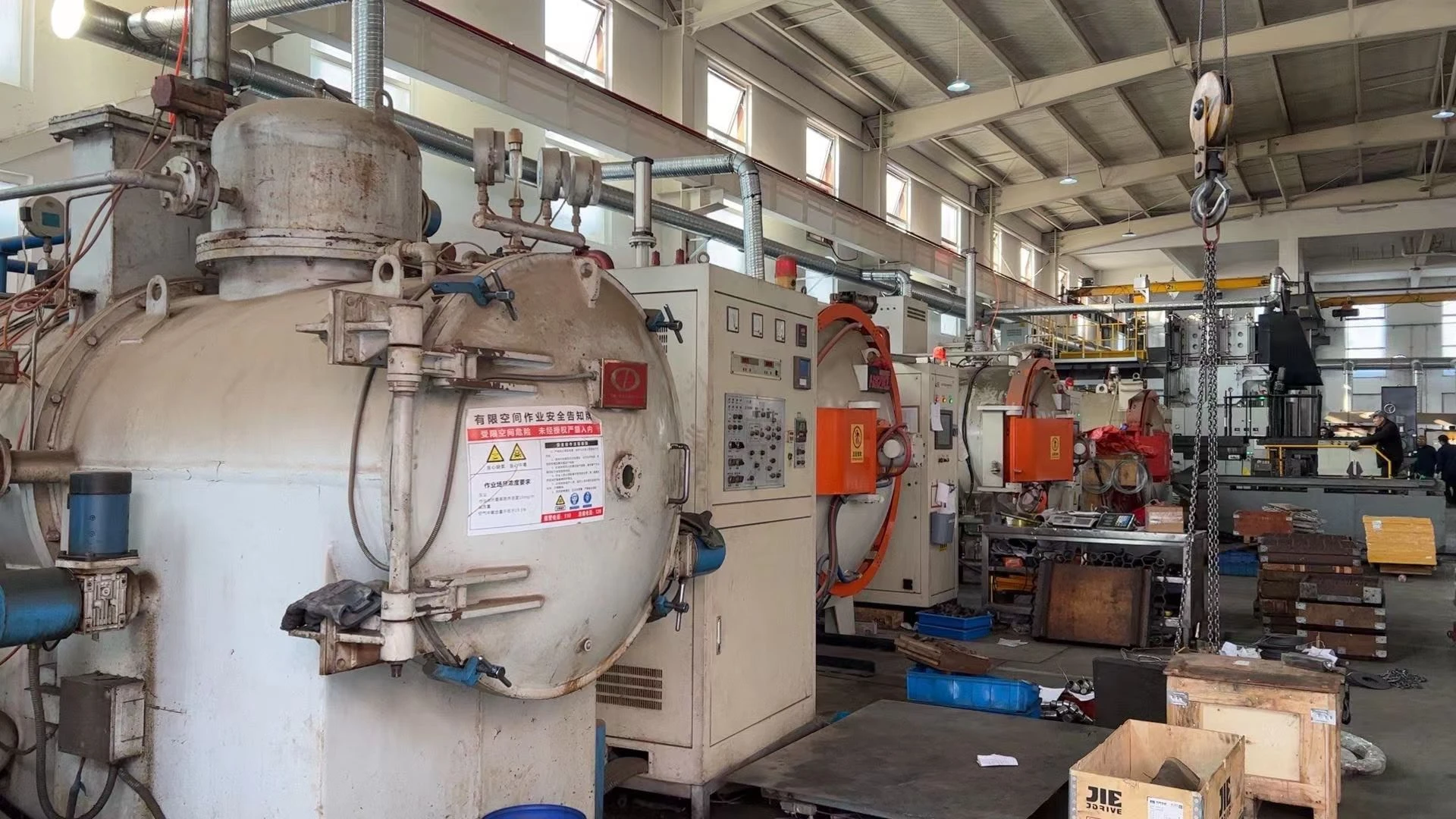
Optimized Wear Protection for Mixing Equipment with Alloy Components
These alloy accessories are precision-engineered to match the specific demands of mixing applications, whether in concrete, chemical, or mining industries. By incorporating reinforced microstructures and specialized heat treatments, they deliver unmatched resistance to material degradation. Their robust performance enhances productivity by maintaining operational integrity, reducing material waste, and improving the longevity of mixing plant equipment in demanding industrial settings.
-
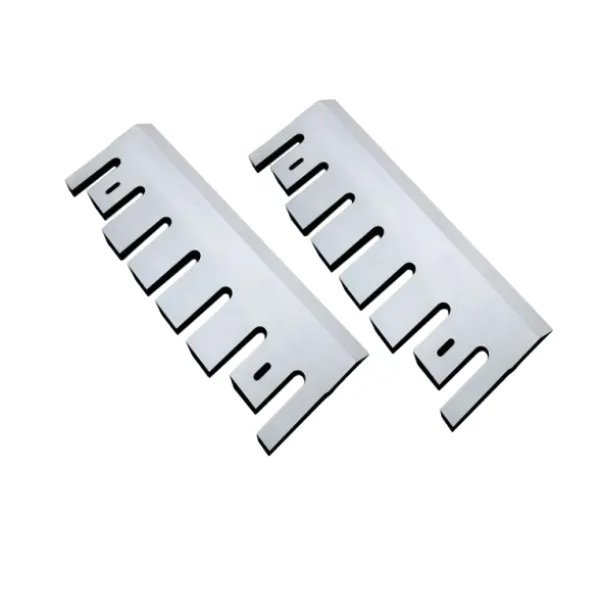 Wood Chipper BladeThe core function of wood slicer blades is to efficiently cut wood to meet the production needs of different industries. Its application areas include wood processing and furniture manufacturing, paper and pulp industry, artificial board manufacturing (particleboard, MDF, etc.), biomass energy and power generation and heating, forestry resource recycling, horticulture and environmental protection coverage, as well as textile, wood chip factory and other fields. It is the core component of material processing.
 -
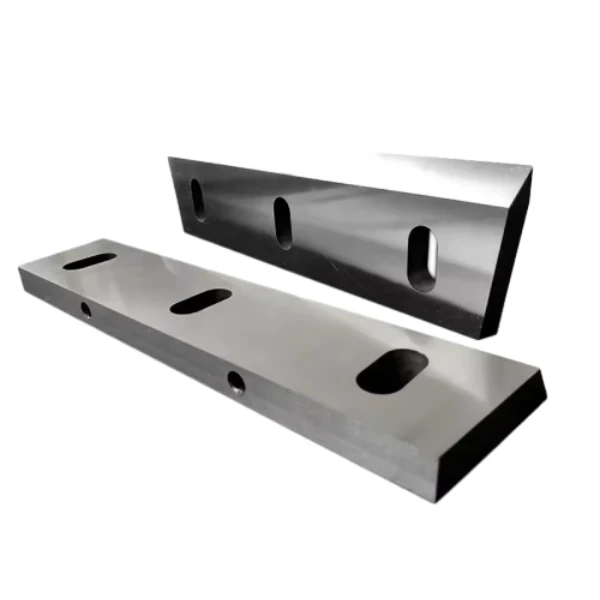 Rubber Shredder Recycling BladeRubber shredding and recycling blades have a wide range of applications in the environmental protection industry, automotive manufacturing, electronics, and industrial fields. By adapting blade materials, structures, and process parameters, rubber shredding and recycling blades can efficiently support circular economy and resource regeneration needs.
 -
 Die-Cutting Tool For Paper IndustryDie-cutting tools in paper industry are widely used in the fields of packaging printed matter processing, digital electronic supporting paper products, special paper products processing and industrial packaging materials cooling. Through technical iteration and multi-scene adaptation, they have become the core tools for paper industry to achieve high precision and high efficiency processing.
 -
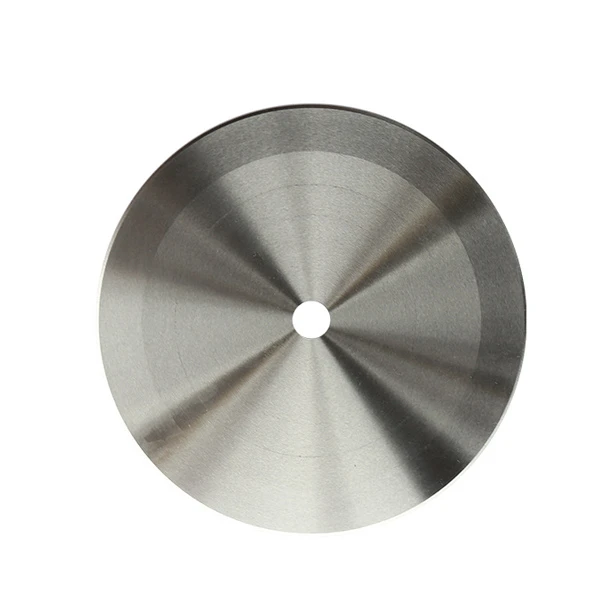 Hss Circular Saw BladesHigh speed steel circular saw blade (HSS circular saw blade) is an efficient tool specifically designed for metal cutting. When used in conjunction with a specialized metal circular saw machine, it can cover diverse processing needs from thin plates to thick materials by adjusting the tooth pitch and line speed. It has become the core tool for cutting, slotting, and other processes in metal processing, especially suitable for efficient production in fields such as automotive, aviation, and machinery manufacturing.
 -
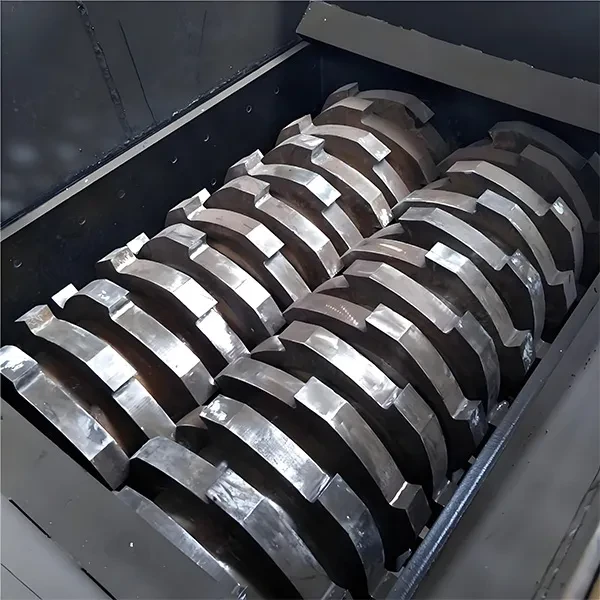 Solid Waste Recycling Shredder BladeShredder blades are used in the fields of environmental protection and waste treatment, resource recycling, industrial and manufacturing applications, and agriculture Widely used in various fields such as special applications, it has become a key tool for promoting resource recycling and environmental protection treatment.
 -
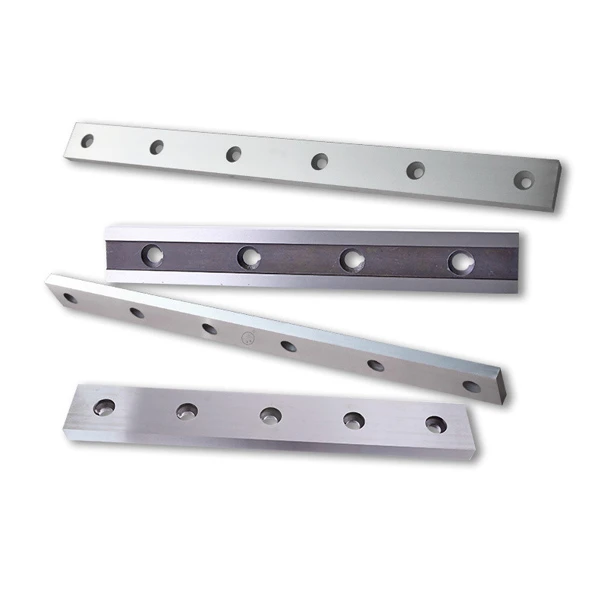 Guillotine Shear BladesThe blade of the hydraulic shearing machine is the core cutting component of the hydraulic shearing machine. Its function and working process: It consists of a moving upper blade and a fixed lower blade. The upper blade is driven by a hydraulic system to apply shear force to the metal sheet, while the lower blade provides support. The blade gap is adjusted reasonably, and the shear stress is used to break and separate the sheet according to the set size, thus achieving its cutting function.
 -
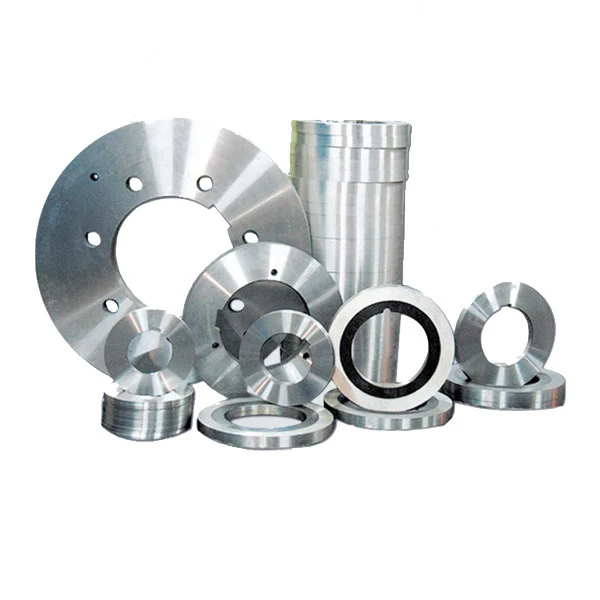 Circular Slitter BladesThe slitting disc cutter is widely used in slitting of thin metal plates such as stainless steel, aluminum plate and copper plate. In slitting of cold-rolled steel plates, hot-rolled steel plates and pickling plates, the slitting disc cutter made of cemented carbide or high-speed steel can ensure smooth cut, reduce material loss and improve yield. Our company has 30 years' experience in producing slitting disc cutters for metal industry, and we design and produce blades with various functions and occasions for customers. Welcome to ask us related questions.
 -
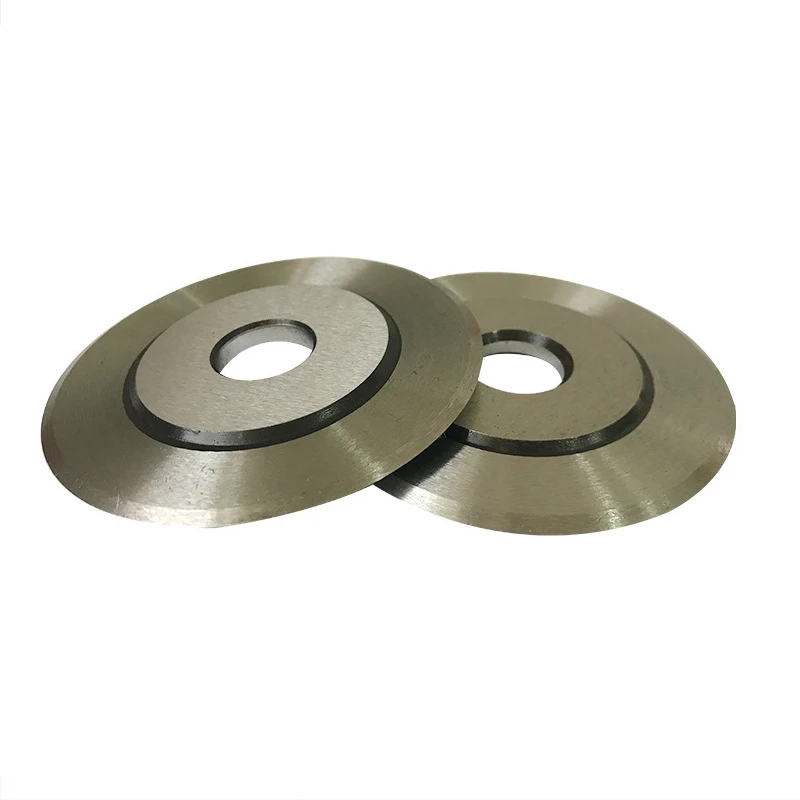 Tube Slitting Cutter KnifeCutting blades for steel pipes have the characteristics of high wear resistance, high hardness and strength, efficient cutting and high precision, thermal stability, etc., which have shown significant advantages in efficient operations in fields such as construction engineering, machinery manufacturing, energy and chemical engineering, and have been widely used.
Get Binsheng Blade Tech Tips
ISO 9001 insights: industry trends & blade guides


