
Solid Waste Recycling Shredder Blade
1.Household waste disposal: Crushing large household waste (such as furniture, tires, plastic buckets) and mixed waste containing metals, plastics, and other components for subsequent classification, recycling, or incineration to generate electricity.
2.Handle hazardous waste (such as industrial waste containing metals) to reduce the risk of environmental pollution caused by landfilling or incineration.
3.Industrial waste treatment: Decompose waste materials from industrial production (such as metal scraps and chemical containers) to achieve resource reuse and reduce the accumulation of industrial waste.
4.Waste metal recycling: Efficiently process metal materials such as scrap steel, car shells, and steel bars, crush them to improve smelting efficiency, and reduce transportation and smelting costs. Cooperate with magnetic separation technology to separate metal and non-metal impurities (such as rubber and plastic) and improve the purity of recovered metals.
5.Plastic and rubber recycling: shred waste plastic products (such as bottles, films) and tires into pellets for recycling or fuel production, reducing white pollution.
6.Wood and paper processing: Crushing waste wood, cardboard, etc., converting them into wood pellet fuel or papermaking raw materials, supporting a circular economy.
7.Metal processing support: Processing lightweight metal sheets (such as car shells and home appliance shells) to provide uniform raw material fragments for metal reprocessing.
8.Crush large containers in the chemical industry, such as plastic drums and reaction vessels, for easy cleaning and reprocessing.
9.Resource utilization of agricultural waste: Tear up organic waste such as straw and rice straw, convert them into feed, fertilizer, or biomass fuel, and improve the utilization rate of agricultural resources.
10.Large volume material handling: For engineering waste (such as steel structural beams, ship scrap) or hollow containers (such as oil drums, plastic tanks), multi axis blades are used to collaboratively tear and reduce material volume.
11.Mixed waste sorting: Processing composite waste containing metals (such as circuit boards and electronic waste), achieving efficient separation of metals and non metals through crushing.
|
Vehicle Accessories |
Tires, wheel hubs, engine casing (compatible with Cr12MoV blades) |
|
Metal Products |
Scrap steel, aluminum profiles, cans (recommended hard alloy or multi claw blades) |
|
Plastic And Garbage |
Plastic pipes, household waste, industrial sludge (suitable for 9CrSi or curved blade design) |
|
Medical Waste |
Corrosion resistant materials (such as tungsten steel) and sealing design are required |
|
Hazardous Waste |
Suggest using hammer shaped blades made of high manganese steel material, which have strong impact resistance |
|
Material |
Advantages |
Disadvantage |
Applicable Scenarios |
|
9CrSi |
High economic efficiency, easy processing, and good toughness |
Wear resistance is average |
Soft materials such as rubber, fiber, and paper |
|
Cr12MoV |
Strong wear and impact resistance, with a hardness of HRC 58-62 |
Corrosion resistance is average |
Wood, high hardness plastic, scrap metal |
|
hard metal |
High wear resistance, high temperature resistance, and high smoothness |
High brittleness and high processing cost |
Precision cutting of stainless steel, high carbon steel, and other materials |
|
tungsten steel |
Strong corrosion resistance and long service life |
Impact prone to breakage, expensive price |
Acidic and alkaline corrosive waste |
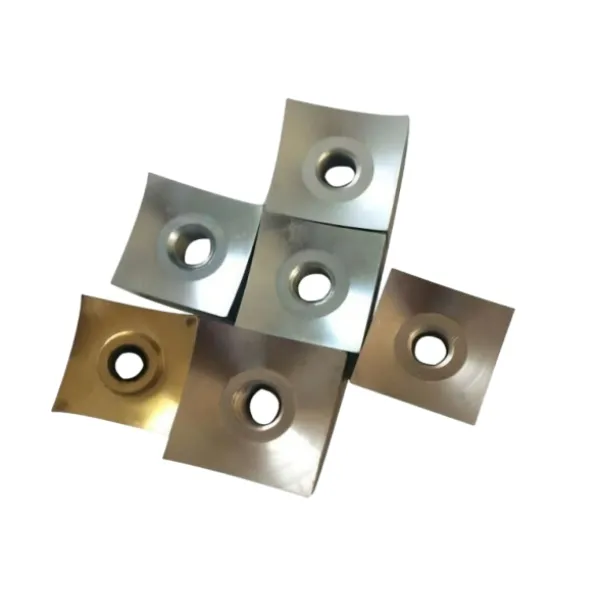
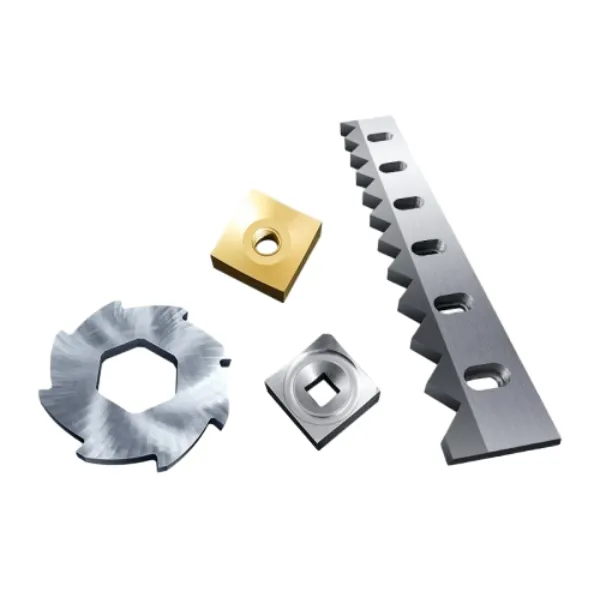
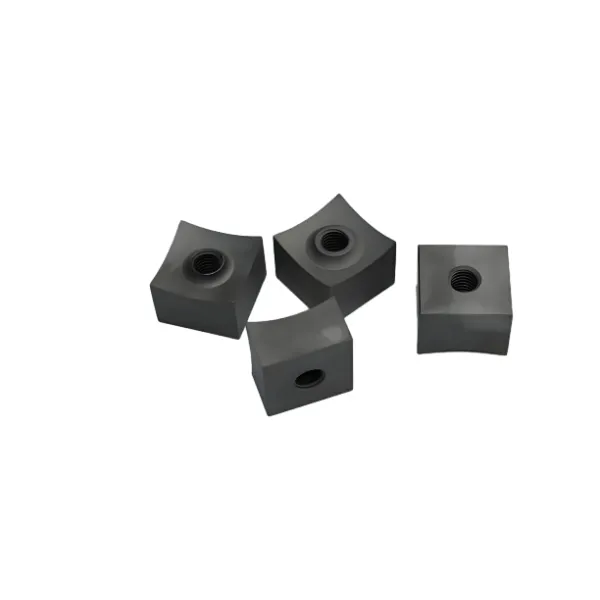
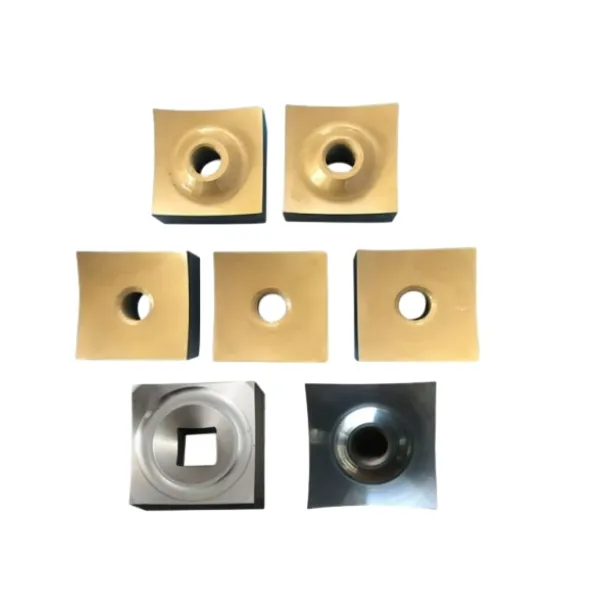
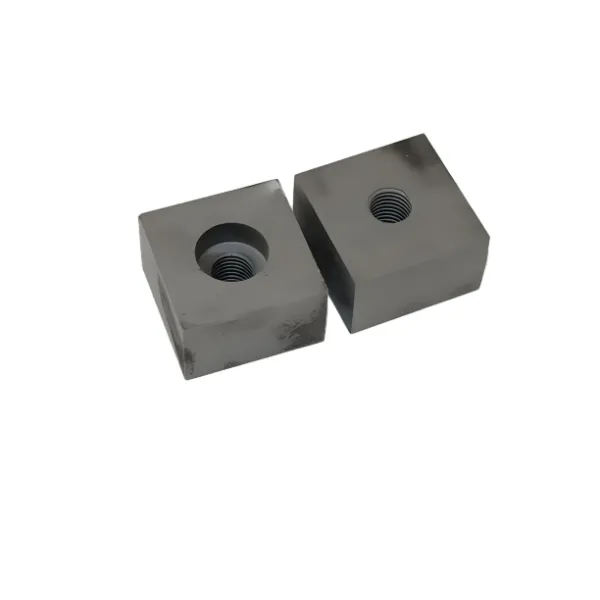
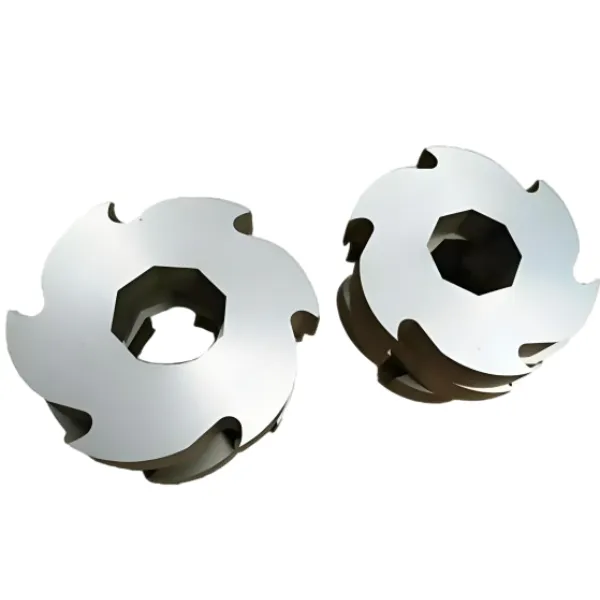
1.Single axis blade
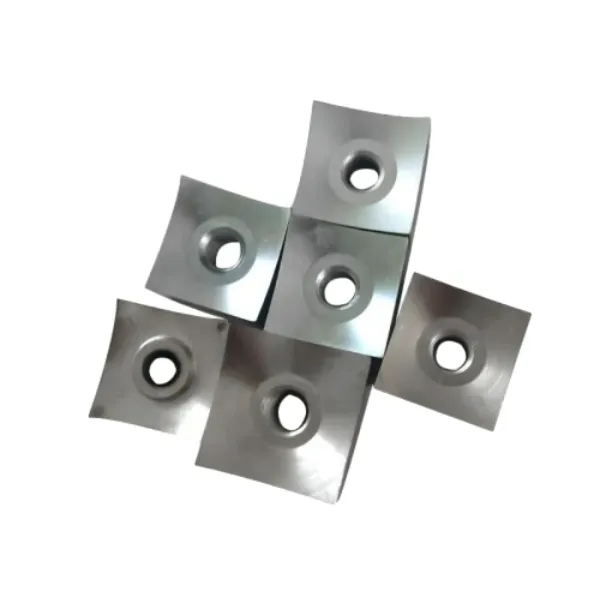
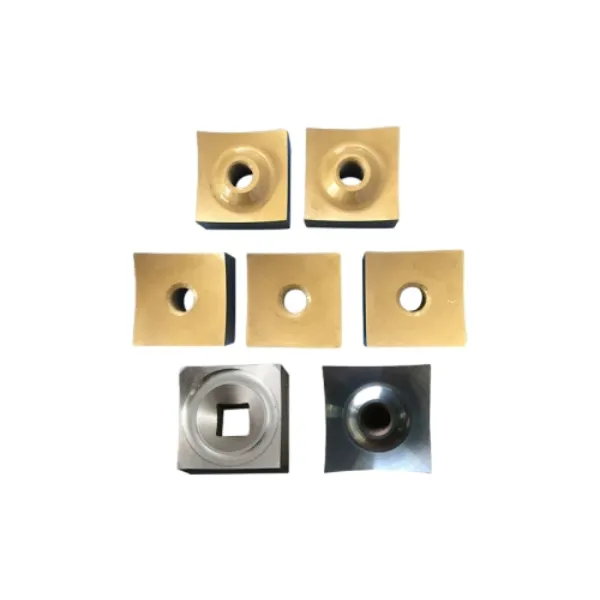
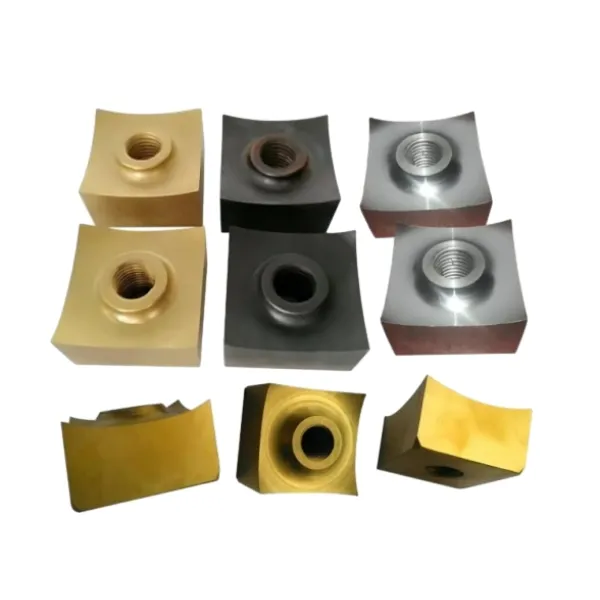
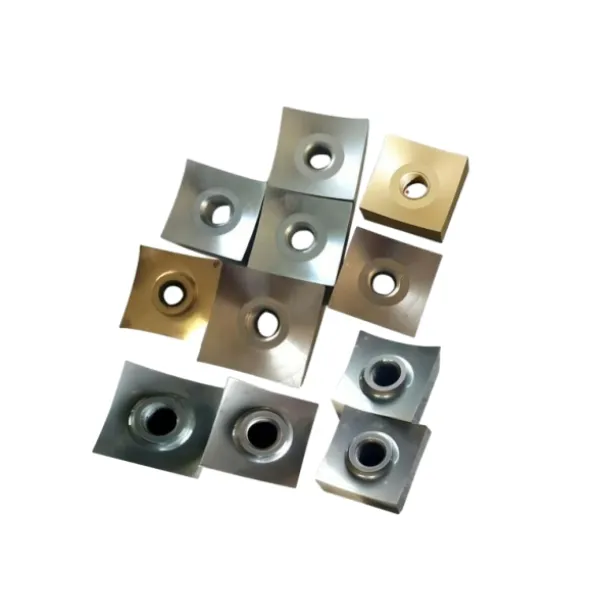
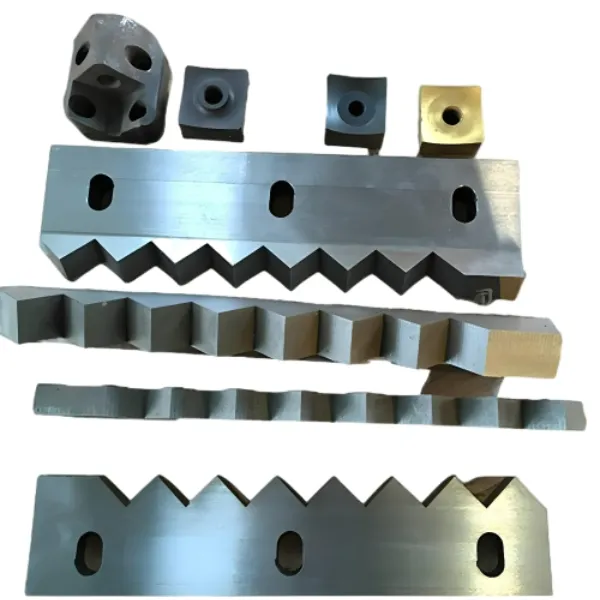
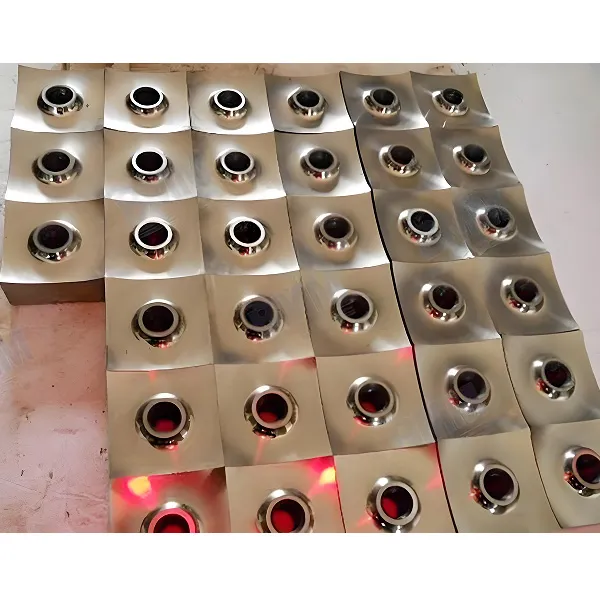
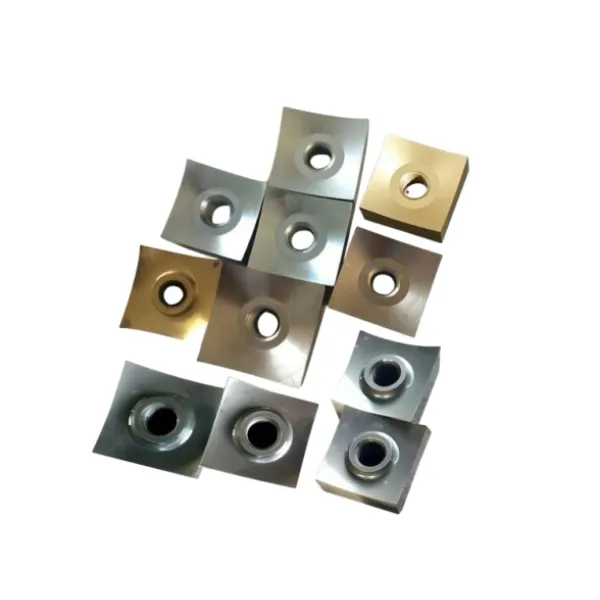
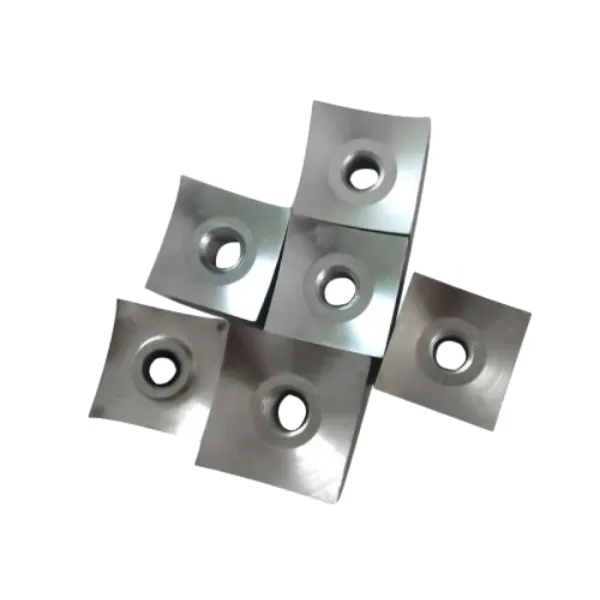
The shape is square, with curved edges on all four sides and a tapping hole in the middle, which needs to be used in conjunction with the fixed knife on the tool holder.
Design features: The blade edge to the center hole is concave, enhancing shear stability and suitable for hard materials such as metal and waste plastic.
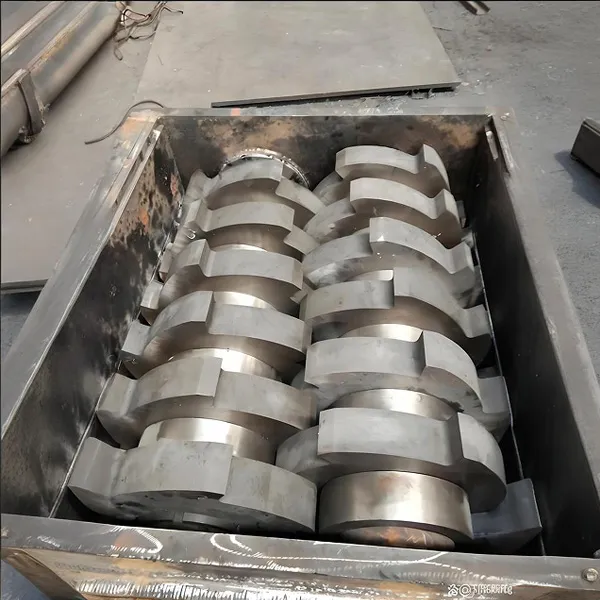
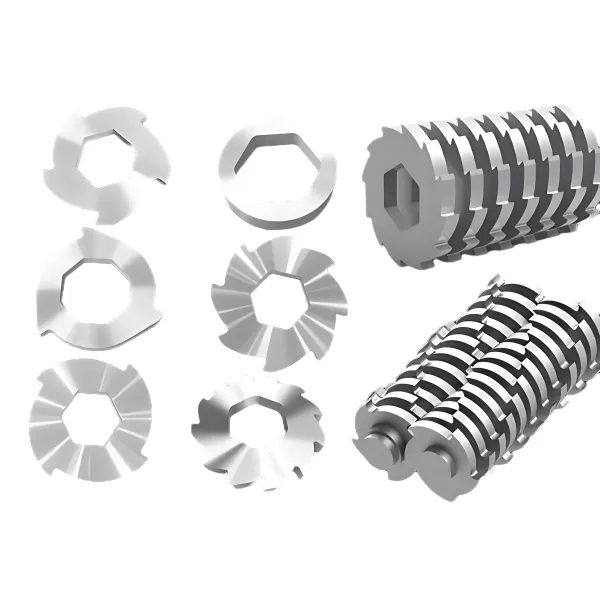
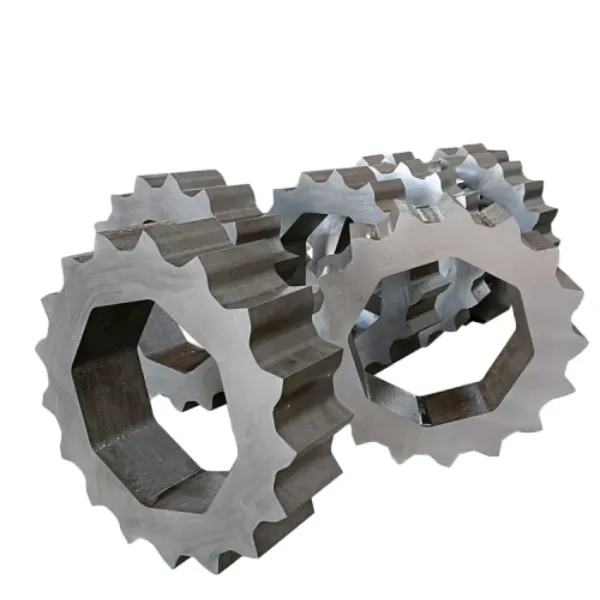
2.Multi axis blade (dual axis/four axis)
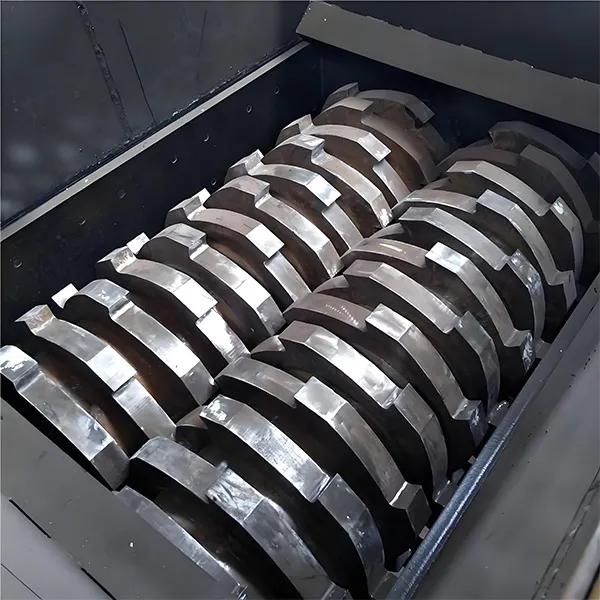
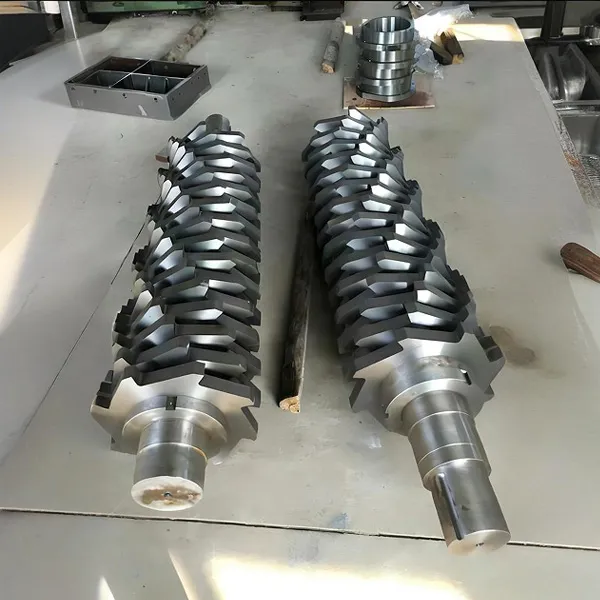
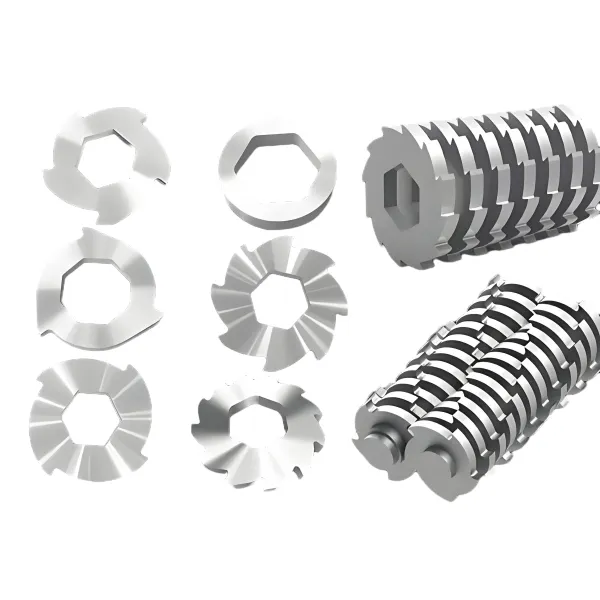
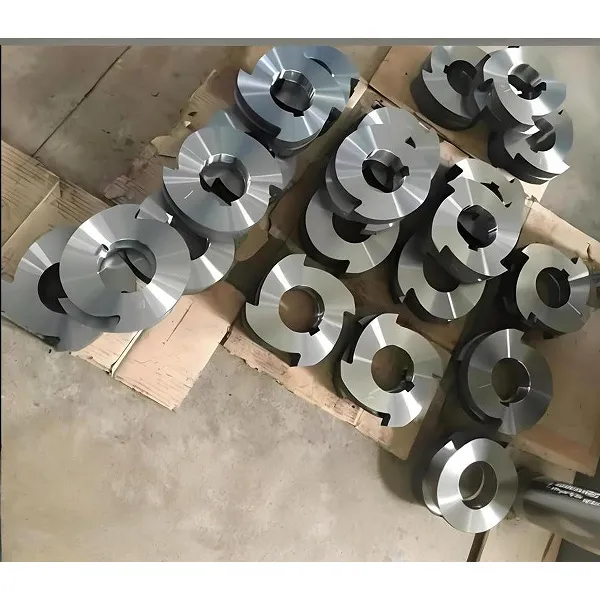
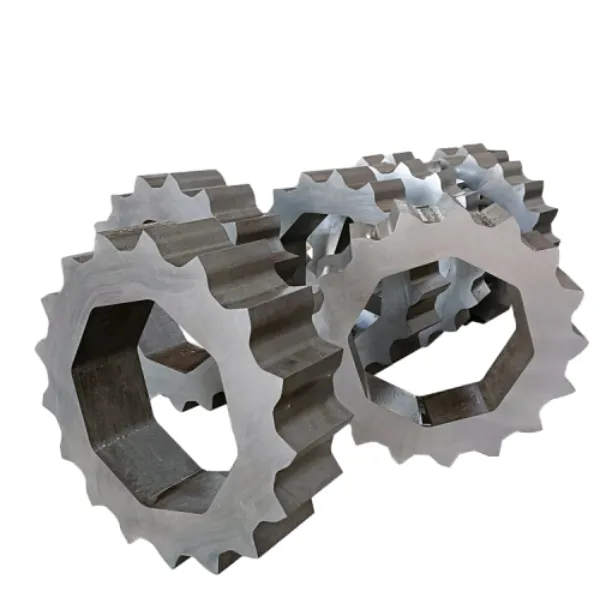
Adopting claw knife design, common types include 3 claws, 8 claws, 12 claws, etc., reducing material size through crushing, tearing, and squeezing.
Applicable scenarios: scrap steel, wood, large volume waste (such as plastic drums, tires), and mixed waste (composite materials containing metals).
1.Selection suggestions
9CrSi alloy tool steel is preferred for soft materials, while Cr12MoV or hard alloys are preferred for hard materials.
For large volume waste materials such as tires, it is recommended to use a 12 jaw multi axis blade to enhance the biting force.
2.Maintain standards
Wear repair: If the blade wear is ≥ 0.1mm, it needs to be ground. Hard alloy blades can be ground 3-5 times.
Rust prevention treatment: Carbon steel blades are regularly coated with rust prevention oil, and the coating material is preferred for humid environments.
Collaborative matching: The blade thickness needs to be adapted to the power of the shredder (such as thick walled scrap steel requiring ≥ 2mm blades).
Summary: The material and design of shredder blades need to be selected based on the material characteristics (hardness, corrosiveness, volume). Cr12MoV is suitable for high impact scenarios with hard alloys, while 9CrSi focuses on economical soft material treatment. Regular maintenance can extend the service life by more than 30%.
diy shredder blades
metal shredder blades
paper shredder blade
sharpen paper shredder blades
Solid Waste Recycling Shredder Blade FAQs
What is a solid waste recycling shredder blade and what is it used for?
A solid waste recycling shredder blade is a high-strength, wear-resistant cutting tool used in environmental protection, waste treatment, and resource recycling. It crushes household waste, industrial scraps, plastics, wood, and metals for efficient classification, recycling, or energy generation.
Which industries commonly use waste shredder blades?
Waste shredder blades are widely applied in household waste disposal, hazardous waste management, industrial waste recycling, metal processing, plastic and rubber recycling, wood and paper processing, chemical container crushing, and agricultural waste utilization.
What materials are used for industrial shredder blades?
Blades are commonly made from Cr12MoV or hard alloy steel for high-impact or hard materials, and 9CrSi alloy tool steel for soft or economical materials. Heat treatment and surface coatings improve wear resistance and corrosion protection.
How do solid waste recycling shredder blades improve recycling efficiency?
By using single-axis or multi-axis designs (dual/four axis), solid waste recycling shredder blades crush, tear, and squeeze materials like scrap steel, tires, plastic drums, wood, and mixed waste into uniform fragments for easier sorting, transport, and recycling.
How should waste shredder blades be selected for different materials?
Soft materials like plastics are suitable for 9CrSi alloy blades, while hard metals or high-impact scrap steel require Cr12MoV or multi-axis blades (e.g., 12-jaw) to enhance biting force and reduce wear. Blade thickness must match shredder power.
How should industrial shredder blades be maintained?
Regularly inspect blade wear; grind if wear ≥0.1mm. Hard alloy blades can be ground 3-5 times. Apply rust-preventive oil on carbon steel blades, especially in humid environments, to extend service life by over 30%.
What types of shredder blades are available for mixed or large-volume waste?
Single-axis blades are ideal for sheet or small-volume waste, while multi-axis (dual/four axis) claw designs efficiently handle scrap steel, wood, tires, plastic drums, and composite materials containing metals.
Why choose professional waste shredder blade manufacturers?
Professional waste shredder blade manufacturers provide optimized blade design, high-strength materials, precise heat treatment, and reliable multi-axis configurations, ensuring high-efficiency shredding, longer lifespan, and safe operation for solid waste recycling.
High-Performance Shredder Machine Blades for Demanding Applications
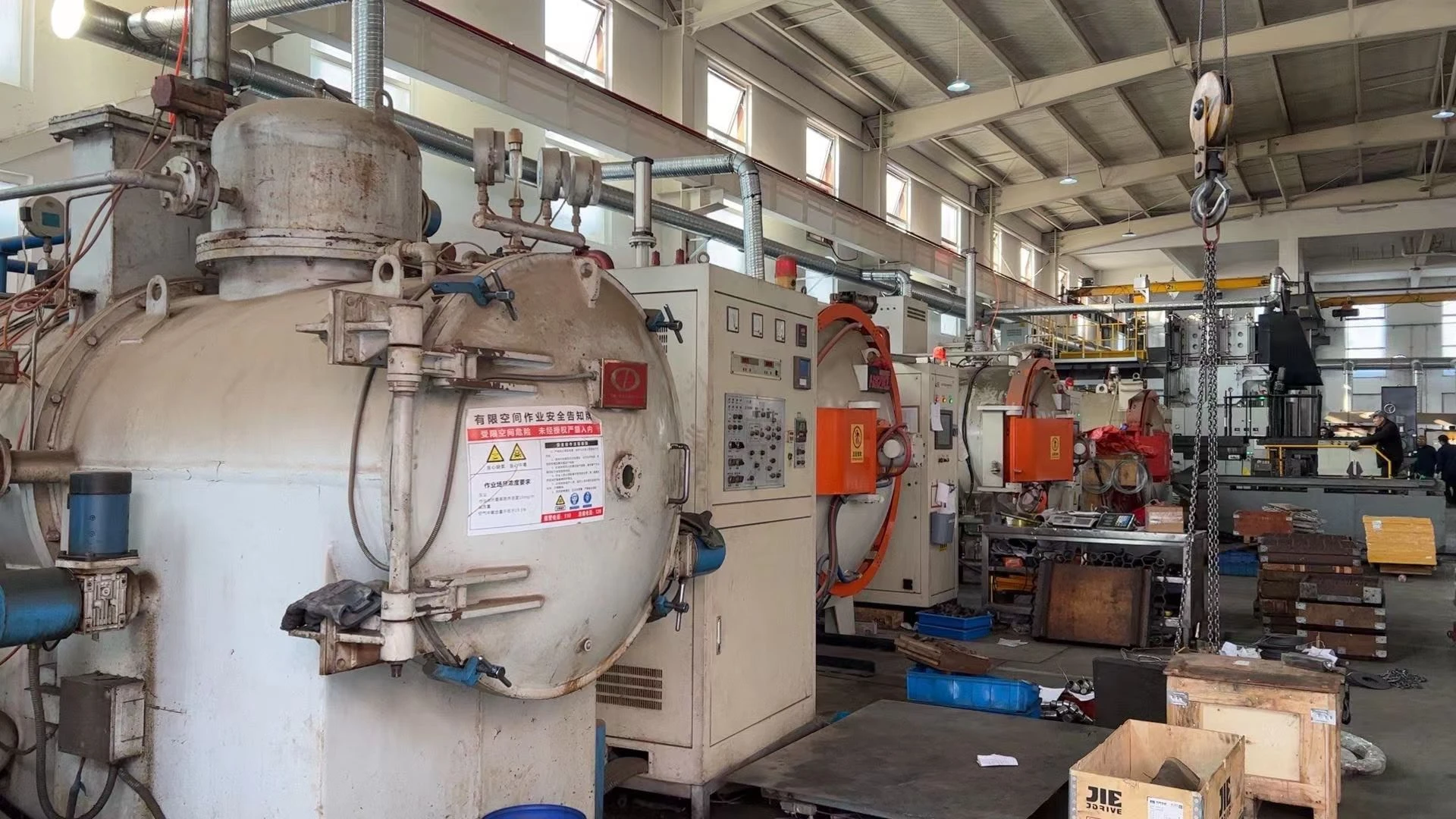
Our shredder machine blades feature advanced wear-resistant coatings that significantly extend blade life in continuous operations. The precision-balanced design reduces vibration during high-speed shredding, ensuring smooth operation and prolonged equipment life. These industrial-grade blades are compatible with single-shaft, double-shaft, and quad-shaft shredders. As leading shredder blades suppliers, we offer blades tailored for municipal waste, e-waste, and industrial scrap processing, helping operators maximize throughput while reducing maintenance costs.
-
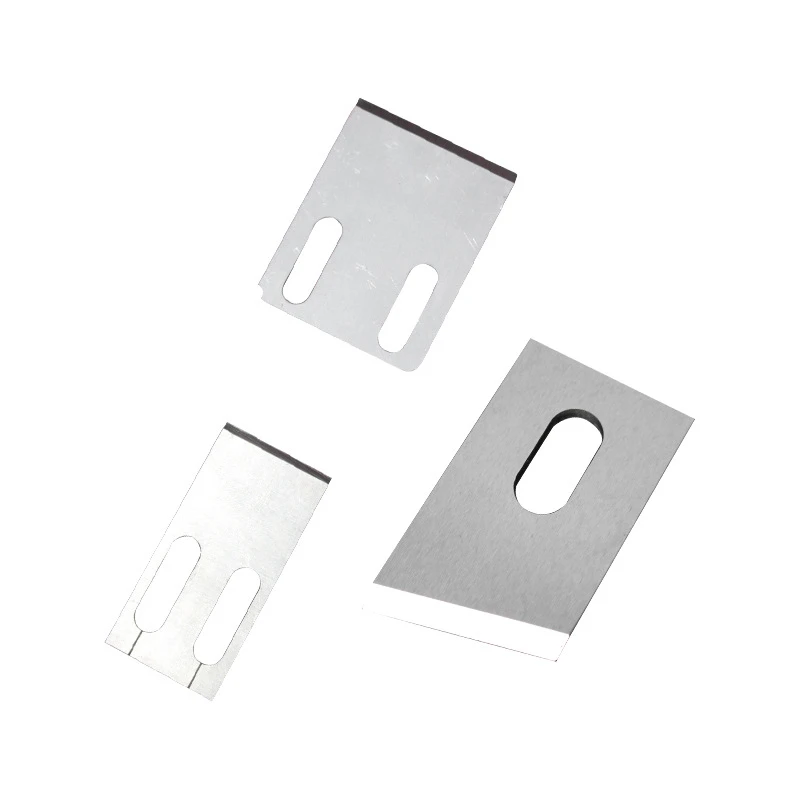 Solid Waste Recycling, Decomposition, And Granulation Machine BladesThe decomposition blade achieves primary crushing and component separation of large solid waste through high-strength materials (alloy steel/hard alloy), while the granulation blade completes particle refinement processing through wear-resistant coating and precision blade design. The two are synergistically applied in fields such as plastic recycling and electronic waste recovery, promoting efficient resource recycling.
 -
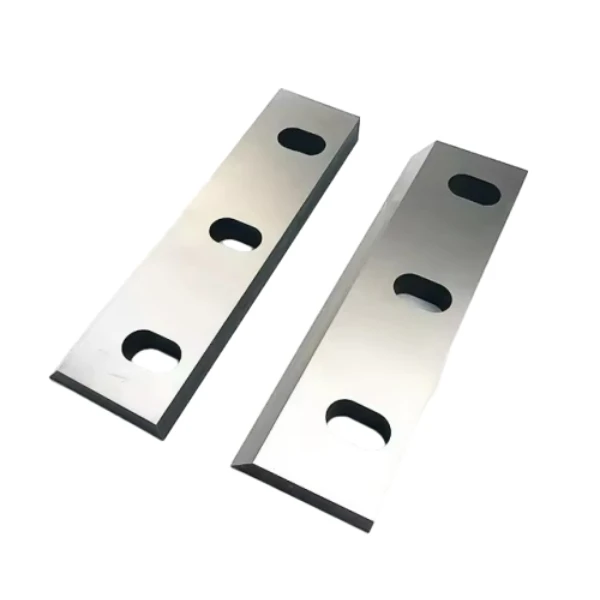 Solid Waste Recycling Crusher BladeThe blades of the solid waste recycling crusher achieve efficient resource utilization in the fields of tire recycling, mixed material cutting, and plastic crushing through high-strength materials (alloy steel/hard alloy) and structural innovation (modular/multi-layer layout), promoting the large-scale production of high value-added products such as recycled rubber and environmentally friendly building materials.
 -
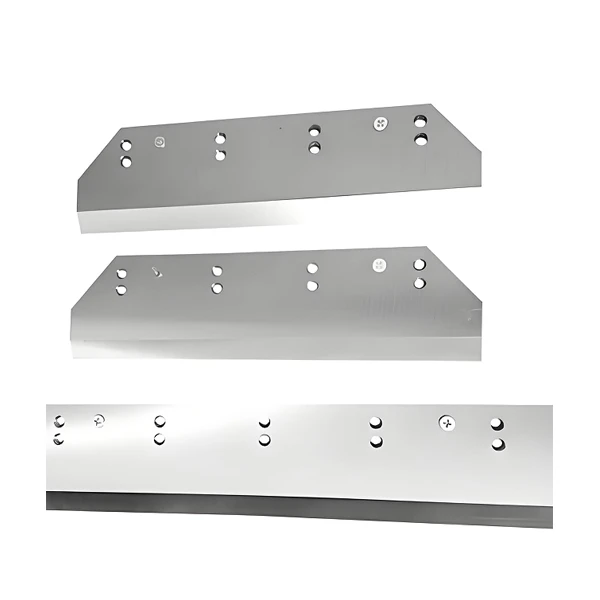 Blades For Paper Pulping IndustryPaper industry pulping blades are widely used in fields such as waste paper recycling, pulp preparation, and industrial pulp pretreatment; Through the collaborative application of pulping and cutting equipment, the paper industry has achieved efficient operation throughout the entire process from waste paper recycling to high-precision finished product processing.
 -
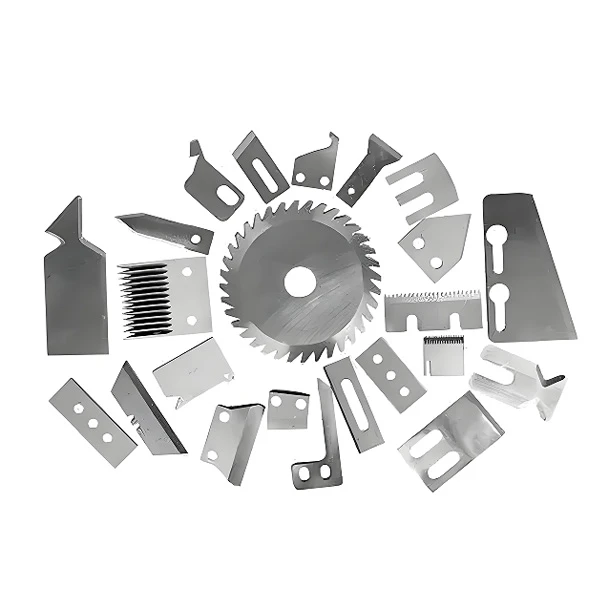 Tyre Cord Straight KnifeThe tire cord straight knife achieves high-precision and high-efficiency cord processing in tire inspection, resource recycling, and customized processing through high-strength materials, optimized geometric design, and intelligent control, promoting the transformation of the tire industry towards green manufacturing and circular economy.
 -
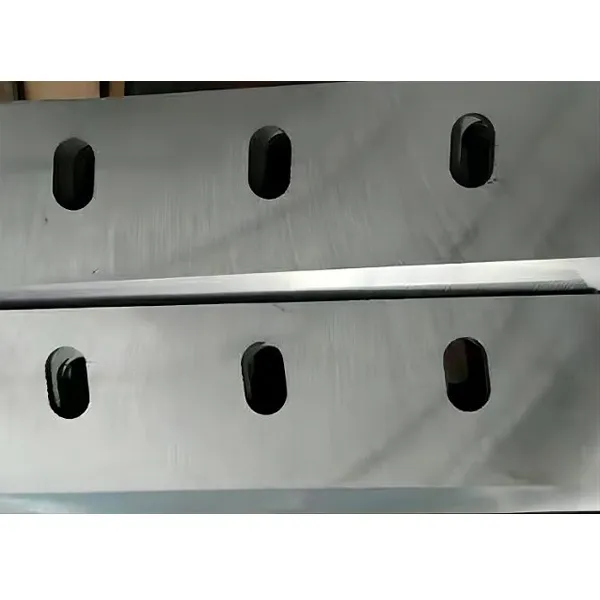 Wood Crusher BladeThe application of wood crusher blades covers multiple fields, including wood processing and recycling, landscaping and agriculture, industrial material preparation and special scenarios. Its core function is to achieve efficient conversion and recycling of wood resources through efficient cutting and crushing.
 -
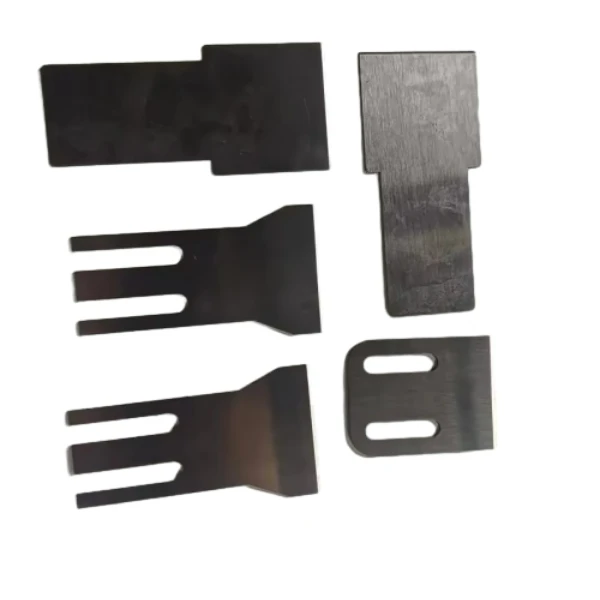 Rubber Granulator BladeThe rubber granulator blade achieves efficient and low-cost large-scale application in rubber recycling and high-value processing through targeted material selection, structural innovation, and scientific maintenance.
 -
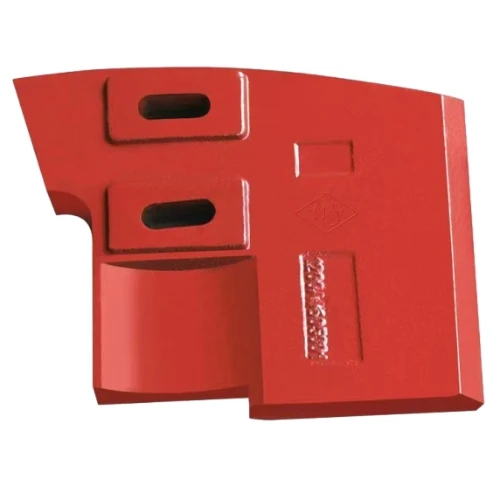 Wear-Resistant Alloy Parts For Concrete MixersMixing Mechanism Components 1.Blades and mixing arms: undertake the core function of material mixing
 -
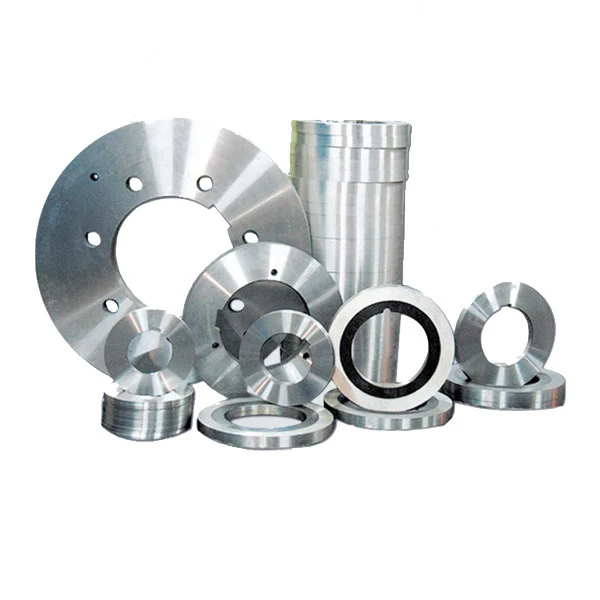 Circular Slitter BladesThe slitting disc cutter is widely used in slitting of thin metal plates such as stainless steel, aluminum plate and copper plate. In slitting of cold-rolled steel plates, hot-rolled steel plates and pickling plates, the slitting disc cutter made of cemented carbide or high-speed steel can ensure smooth cut, reduce material loss and improve yield. Our company has 30 years' experience in producing slitting disc cutters for metal industry, and we design and produce blades with various functions and occasions for customers. Welcome to ask us related questions.
Get Binsheng Blade Tech Tips
ISO 9001 insights: industry trends & blade guides


