
Mining Industry Crushing Knife
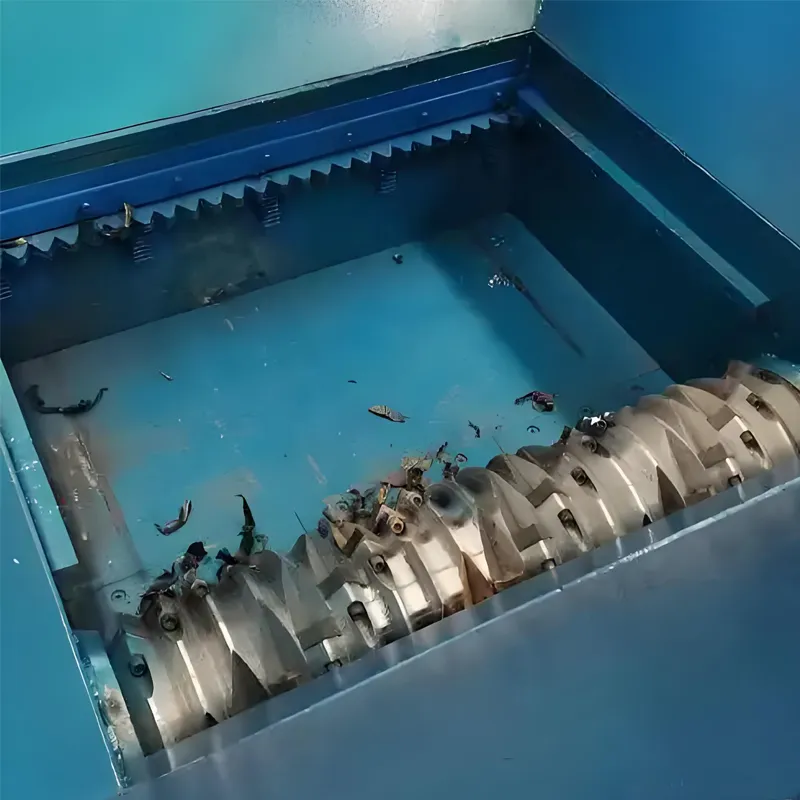
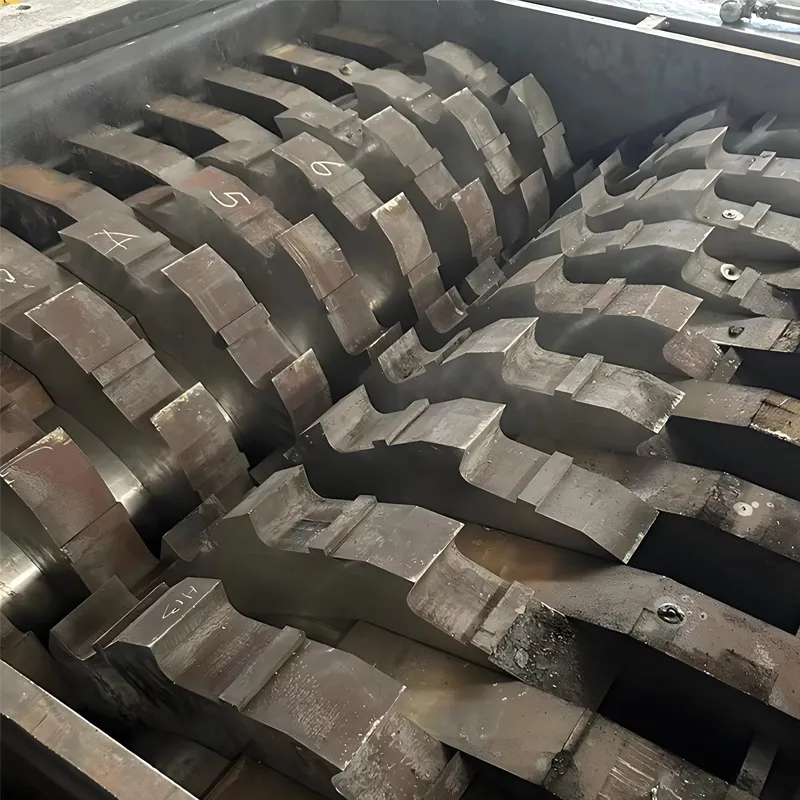
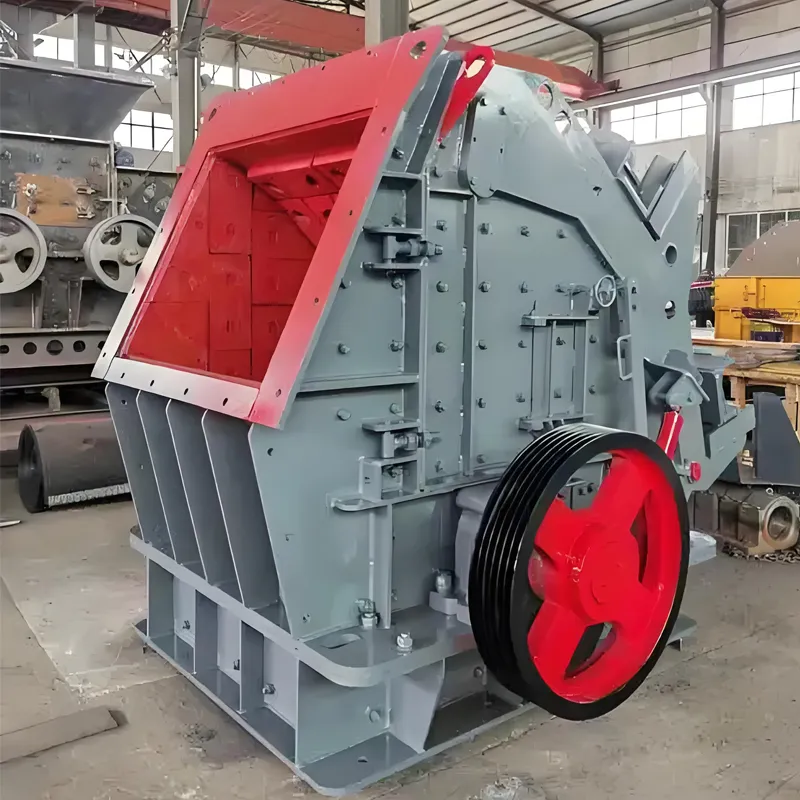
1.Ore coarse crushing operation: The crushing knife is used to process large pieces of raw ore (such as iron ore and copper ore) after mining, and crush them to a primary particle size of 200-300mm through high-intensity impact or extrusion, preparing for the subsequent fine crushing process. Jaw blades achieve primary crushing of ores through reciprocating squeezing action, suitable for coarse crushing needs of high hardness rocks such as granite and basalt.
2.Medium fine crushing and fine processing: The conical blade further crushes the ore to a medium fine particle size of 10-50mm through rotational grinding and extrusion, meeting the feeding requirements of the ball mill in the beneficiation plant. Impact type blades (such as hammer shaped blades) rotate at high speed in vertical crushers, using kinetic energy to impact and crush medium hardness ores (such as limestone and shale), generating uniform particles.
3.Metal ore processing: Hard alloy blades can crush metal ores containing high hardness minerals such as quartz and pyrite, reducing edge cracking and improving metal recovery rate.
|
Material |
Characteristic |
Application |
|
High manganese steel (Mn13/Mn18) |
Containing 12% -18% manganese, it has excellent work hardening ability, and its surface hardness can reach HB500 or above under impact load. It is suitable for coarse crushing operations of high hardness ores such as iron ore and granite. |
Core components such as jaw plates of jaw crushers and rolling bowl walls of cone crushers can withstand severe impacts and wear. |
|
Alloy steel (Cr12MoV/42CrMo) |
Containing elements such as chromium and molybdenum, with a hardness of HRC52-60, it combines toughness and wear resistance, and is suitable for medium to fine crushing scenarios of medium hardness ores such as limestone and shale. |
Counterattack crusher plate hammer and impact crusher blade, suitable for continuous operation environment. |
|
Hard alloy (tungsten carbide based) |
Tungsten carbide (WC) and cobalt (Co) composite material, with a hardness of HRA90 or above and a wear resistance 10-20 times that of ordinary steel, is specially used for crushing abrasive minerals such as quartz and pyrite. |
Mining fine cutting blades and welded cutting heads in high wear areas. |
|
High chromium cast iron/high chromium alloy |
Containing 20% -30% chromium, with a hardness of HRC60-65, outstanding anti-wear ability, suitable for fine crushing of metallic minerals such as copper and gold mines |
Jaw crusher jaw plate, cone crusher crushing wall. |
|
Serrated blade |
The serrated blade enhances the tearing efficiency of tough or fibrous structured ores (such as clay ores) and reduces crushing energy consumption. |
|
Cone-shaped blade |
The multi-layer conical structure is suitable for progressive extrusion crushing of high hardness ores, with a crushing ratio of 1:10 or more, making it suitable for fine processing of copper and gold mines. |
|
Jaw blade |
The fixed jaw plate and the movable jaw plate work together to achieve efficient crushing of large ore blocks through a "V-shaped cavity" design, with a processing capacity of up to 1500t/h. |
High hardness ores (such as basalt and iron ore): High manganese steel or hard alloys are preferred to extend their service life by utilizing their work hardening properties.
Low to medium hardness ores (such as limestone and shale): Alloy steel (such as 42CrMo) can balance cost and performance.
High impact scenario: High manganese steel (Mn18) absorbs impact energy through the surface hardening layer, reducing the risk of fracture.
High abrasion scenario: Hard alloy or high chromium cast iron blades can reduce blade wear and extend maintenance cycles.
1.Surface strengthening process: The surface of hard alloy blades is sprayed with tungsten carbide (WC) coating, which improves wear resistance by 30% -50% and is suitable for quartzite crushing.
2.Modular design: The high manganese steel jaw plate adopts a replaceable modular structure, and only damaged modules need to be replaced after local wear, reducing downtime costs.
The materials for mining crushing knives are mainly high manganese steel (impact resistance), alloy steel (comprehensive performance), and hard alloy (wear resistance). The selection should be based on the hardness of the ore (such as selecting high manganese steel for iron ore) and the working strength (such as selecting hard alloy for fine crushing), combined with surface strengthening and modular design to improve economic benefits.
guillotine knife
knife guillotine
paper knife blade
slitter knife
Mining Industry Crushing Knife FAQ
What is a mining industry crushing knife used for?
A mining industry crushing knife is used in crushers to break large pieces of raw ore into smaller particles for further processing. These mining crusher blades play a key role in primary, secondary, and fine crushing stages in mining operations. They help process materials such as iron ore, copper ore, granite, basalt, and limestone efficiently.
What materials are commonly used to manufacture mining crushing knives?
Mining crushing knives are typically made from high manganese steel, alloy steel, or hard alloy materials. High manganese steel mining crusher blades provide excellent impact resistance, while hard alloy blades offer superior wear resistance for crushing hard ores such as quartz and pyrite. The material selection depends on the hardness of the ore and the working conditions.
How do mining crusher blades improve ore crushing efficiency?
Mining crusher blades are designed with optimized geometry and high-strength materials to deliver strong impact and extrusion forces during crushing operations. This allows the ore crushing knife to reduce large rocks into smaller and more uniform particles, improving the efficiency of downstream processes such as grinding and mineral separation.
What types of crushing knives are used in mining crushers?
Several types of mining crushing knives are used in different crushing equipment. Jaw crusher blades are commonly used for coarse crushing of large rocks. Cone crusher blades are used for medium and fine crushing through rotational compression, while hammer or impact crusher blades break ores using high-speed impact forces.
Which mining crusher blades are suitable for high hardness ores?
For high hardness ores such as basalt, iron ore, and quartzite, mining crushing knives made from high manganese steel or hard alloy are recommended. These materials provide excellent wear resistance and impact strength, allowing the industrial crushing blades for mining to withstand harsh working conditions and extend service life.
How does surface coating improve the performance of mining crushing knives?
Advanced surface strengthening technologies such as tungsten carbide (WC) coating can significantly enhance the wear resistance of mining crusher blades. The coating reduces friction and material adhesion during ore crushing, improving durability and extending the maintenance cycle of the mining crushing knife in heavy-duty applications.
What advantages does modular design provide for mining crusher knives?
Many modern mining crusher blades feature a modular design that allows damaged sections to be replaced individually. This reduces equipment downtime and maintenance costs while maintaining the overall performance of the crushing system. Modular mining crushing knives are especially useful in continuous mining operations.
How do I choose the right mining crushing knife for different ores?
Selecting the right mining crushing knife depends on several factors including ore hardness, crusher type, and operating conditions. High manganese steel blades are ideal for high-impact coarse crushing, while hard alloy blades are suitable for high-wear fine crushing environments. Proper selection ensures optimal performance and longer service life.
Crushing Knives for Mining Industry Applications
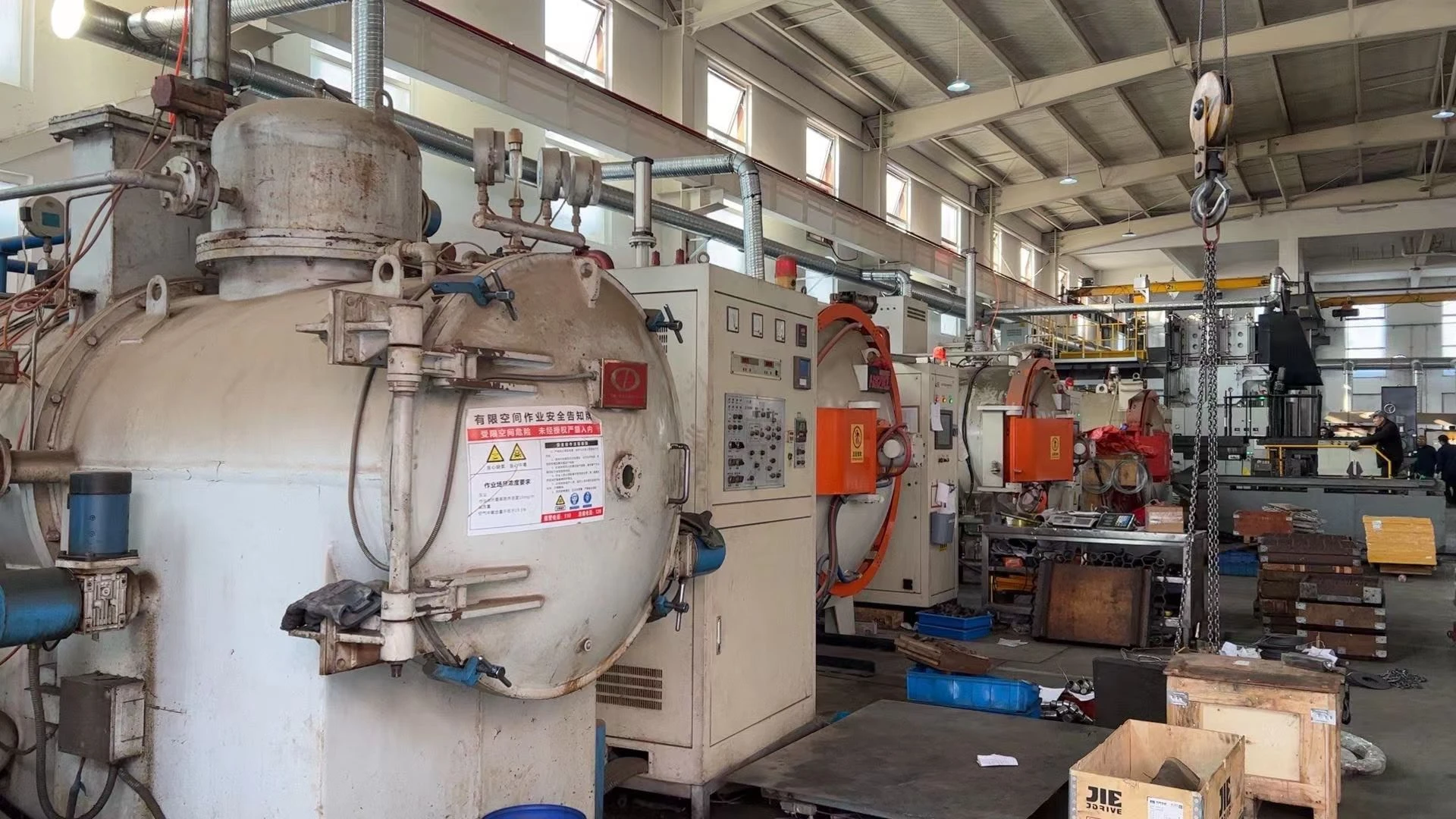
Our mining industry crushing knives feature advanced metallurgical compositions that resist deformation under heavy impact loads. The precision-hardened cutting edges and reinforced structures withstand repeated contact with hard rock formations while maintaining cutting efficiency. These professional-grade knives are specifically designed for processing various ore types, from soft coal to hard granite, helping mining operations maximize throughput while reducing maintenance downtime. Trusted by global mining companies, our crushing knives significantly outperform conventional alternatives in both durability and operational efficiency.
-
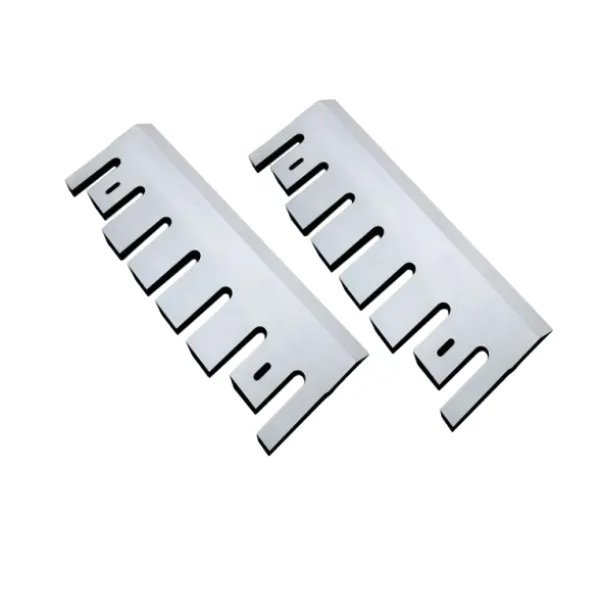 Wood Chipper BladeThe core function of wood slicer blades is to efficiently cut wood to meet the production needs of different industries. Its application areas include wood processing and furniture manufacturing, paper and pulp industry, artificial board manufacturing (particleboard, MDF, etc.), biomass energy and power generation and heating, forestry resource recycling, horticulture and environmental protection coverage, as well as textile, wood chip factory and other fields. It is the core component of material processing.
 -
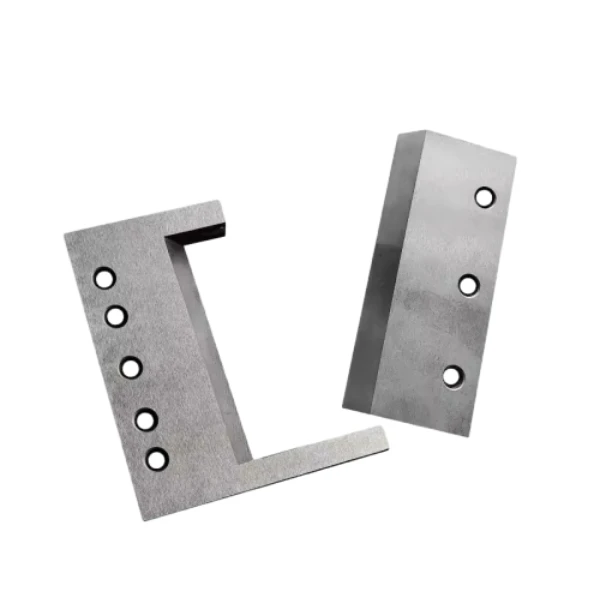 Plastic Industry Slitting And Cutting BladesThe cutting and slicing blades in the plastic industry are widely used in the packaging industry, electronics industry, and recycling field. They can achieve industrial waste treatment, precision component production, and are essential components for diversified processing in the plastic industry.
 -
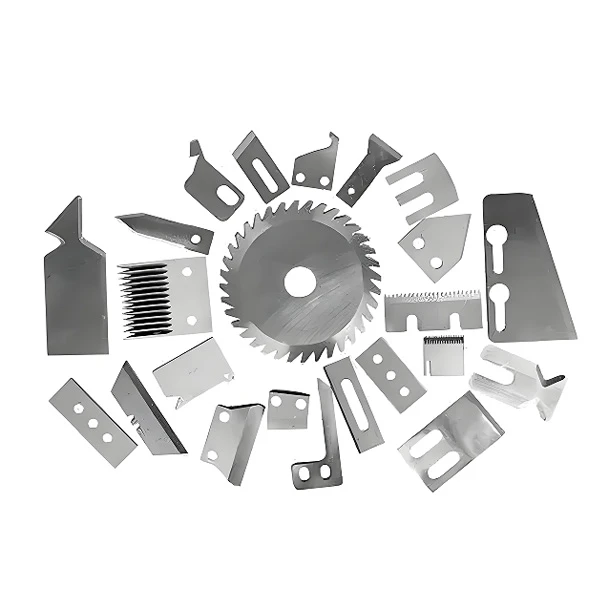 Tyre Cord Straight KnifeThe tire cord straight knife achieves high-precision and high-efficiency cord processing in tire inspection, resource recycling, and customized processing through high-strength materials, optimized geometric design, and intelligent control, promoting the transformation of the tire industry towards green manufacturing and circular economy.
 -
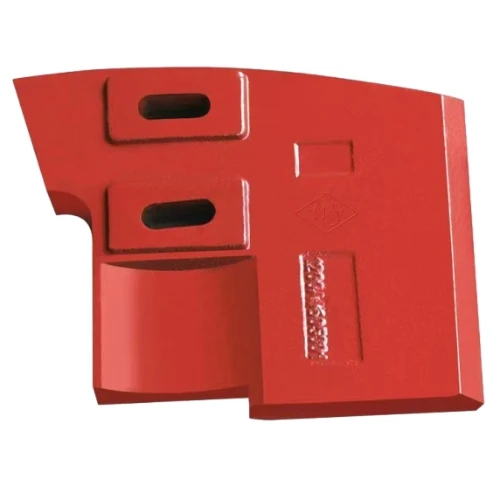 Wear-Resistant Alloy Parts For Concrete MixersMixing Mechanism Components 1.Blades and mixing arms: undertake the core function of material mixing
 -
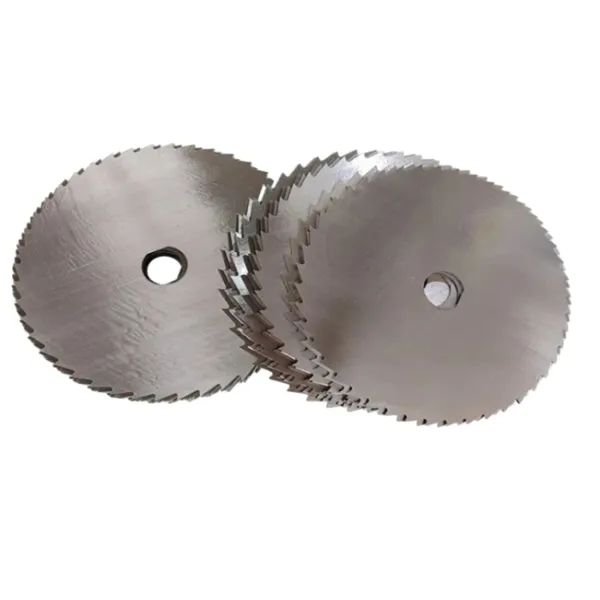 Wood Industry Saw Blade KnifeThe application of saw blades in the wood industry covers the entire process of wood processing, and its core function is to achieve efficient utilization of materials and improve the quality of finished products through precise cutting. Applied in various fields such as cutting and cutting, sheet metal processing and composite profile processing, fine trimming and forming processing, rough processing and efficient slitting of logs in furniture manufacturing.
 -
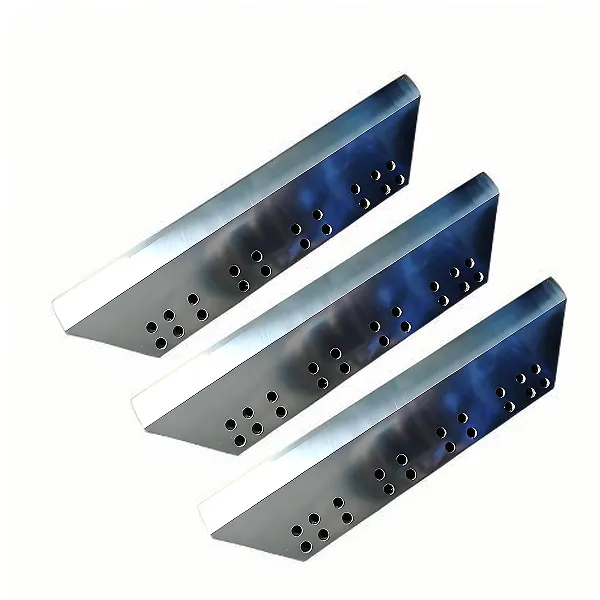 Guillotine Blades For Paper IndustryPaper slitter blades are widely used in basic paper slitting scenes, industrial paper processing and other fields, and can be applied to printing industry, packaging industry and label manufacturing industries. Through material optimization and process innovation, it covers the whole scene slitting needs from basic office paper to high-end industrial paper products.
 -
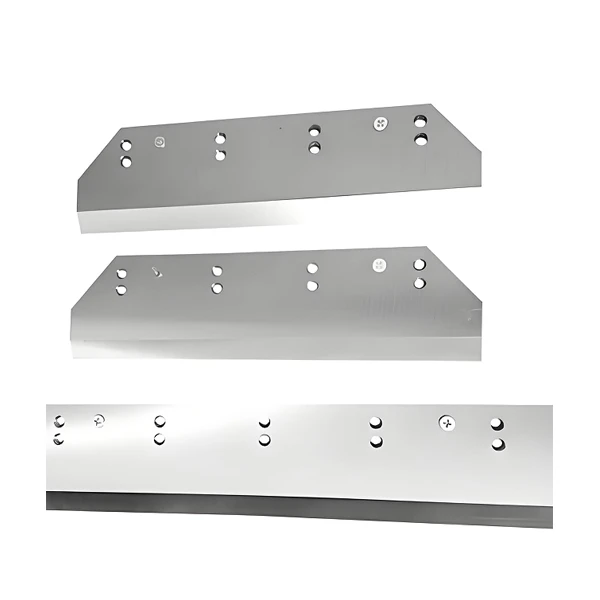 Blades For Paper Pulping IndustryPaper industry pulping blades are widely used in fields such as waste paper recycling, pulp preparation, and industrial pulp pretreatment; Through the collaborative application of pulping and cutting equipment, the paper industry has achieved efficient operation throughout the entire process from waste paper recycling to high-precision finished product processing.
 -
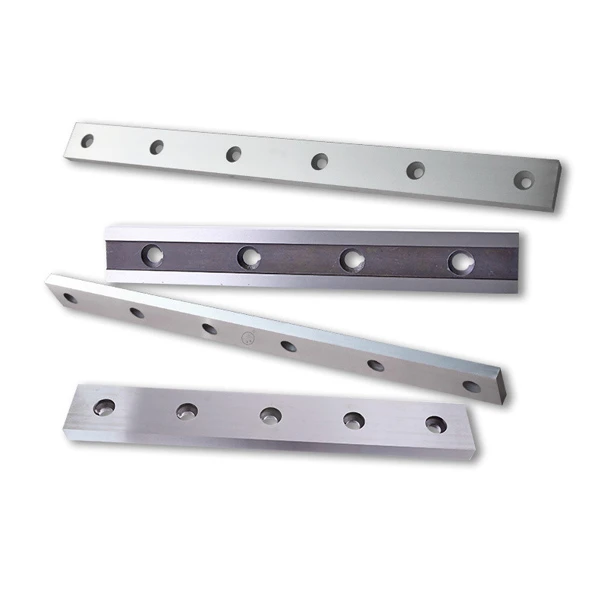 Guillotine Shear BladesThe blade of the hydraulic shearing machine is the core cutting component of the hydraulic shearing machine. Its function and working process: It consists of a moving upper blade and a fixed lower blade. The upper blade is driven by a hydraulic system to apply shear force to the metal sheet, while the lower blade provides support. The blade gap is adjusted reasonably, and the shear stress is used to break and separate the sheet according to the set size, thus achieving its cutting function.
Get Binsheng Blade Tech Tips
ISO 9001 insights: industry trends & blade guides


