The demand for precision cutting tools is a cornerstone of modern manufacturing, and within this realm, the circular knife blade stands out as a vital component. From textiles and paper to food processing and packaging, these blades offer unparalleled efficiency and accuracy. Understanding their nuances is crucial for optimizing production processes, reducing waste, and ensuring product quality. Their global impact spans numerous industries, driving innovation and economic growth.
The importance of the circular knife blade isn’t limited to industrial applications. Advancements in materials science and blade design are constantly pushing the boundaries of what’s possible, leading to improvements in areas like medical device manufacturing and aerospace engineering. With increasing demands for sustainable practices, the focus on durable, long-lasting blades also minimizes environmental impact.
Efficient and cost-effective manufacturing processes are increasingly essential in today’s competitive landscape, and a quality circular knife blade is a foundational element in achieving these goals. These blades contribute significantly to streamlining operations and maintaining high production standards across a variety of sectors.
Introduction to Circular Knife Blades
The circular knife blade, in its simplest form, is a cutting tool shaped like a disc, featuring a sharpened edge that allows for continuous cutting action. These blades are essential in a wide array of industries due to their ability to process materials quickly and efficiently, often outperforming traditional cutting methods.
The core principle behind a circular knife blade’s effectiveness lies in its rotational motion, which provides a clean and consistent cut. This precision is crucial in applications requiring minimal material waste and high-quality finished products, making it a preferred choice for manufacturers globally.
Global Relevance and Industry Context
The global market for cutting tools, including circular knife blades, is substantial and continues to grow, driven by expanding manufacturing sectors in emerging economies. According to Statista, the global cutting tools market was valued at approximately $95 billion in 2023 and is projected to reach $115 billion by 2028. This growth highlights the critical role these tools play in supporting global industrial output.
The textile industry, a major consumer of circular knife blades, relies heavily on their precision for fabric cutting and trimming. Similarly, the paper and packaging industries require consistent, high-speed cutting for efficient production. The increasing demand for packaged goods worldwide further fuels the need for these blades.
One significant challenge is the need for more sustainable manufacturing practices. Traditional blade materials can contribute to waste, prompting the development of longer-lasting and recyclable blade options. Addressing this challenge is crucial for aligning with global environmental goals and maintaining competitiveness in the market.
Defining the Circular Knife Blade
A circular knife blade is a rotating cutting tool characterized by its circular shape and a hardened, sharpened edge. Unlike traditional straight blades, it offers continuous cutting action, making it ideal for processing long materials in a single pass. The blade's diameter and thickness vary depending on the specific application and the material being cut.
The connection to modern industry is profound. Circular knife blades have evolved alongside advancements in manufacturing technologies, contributing to increased automation, higher production speeds, and improved product quality. They are integral to processes like slitting, trimming, shearing, and perforating across a broad spectrum of industries.
Its importance extends to humanitarian needs as well. The efficient production of textiles and packaging facilitated by these blades contributes to the availability of essential goods, especially in disaster relief efforts or during periods of heightened demand. Reliable and efficient material processing is often a critical component of logistical support in challenging circumstances.
Key Factors Influencing Blade Performance
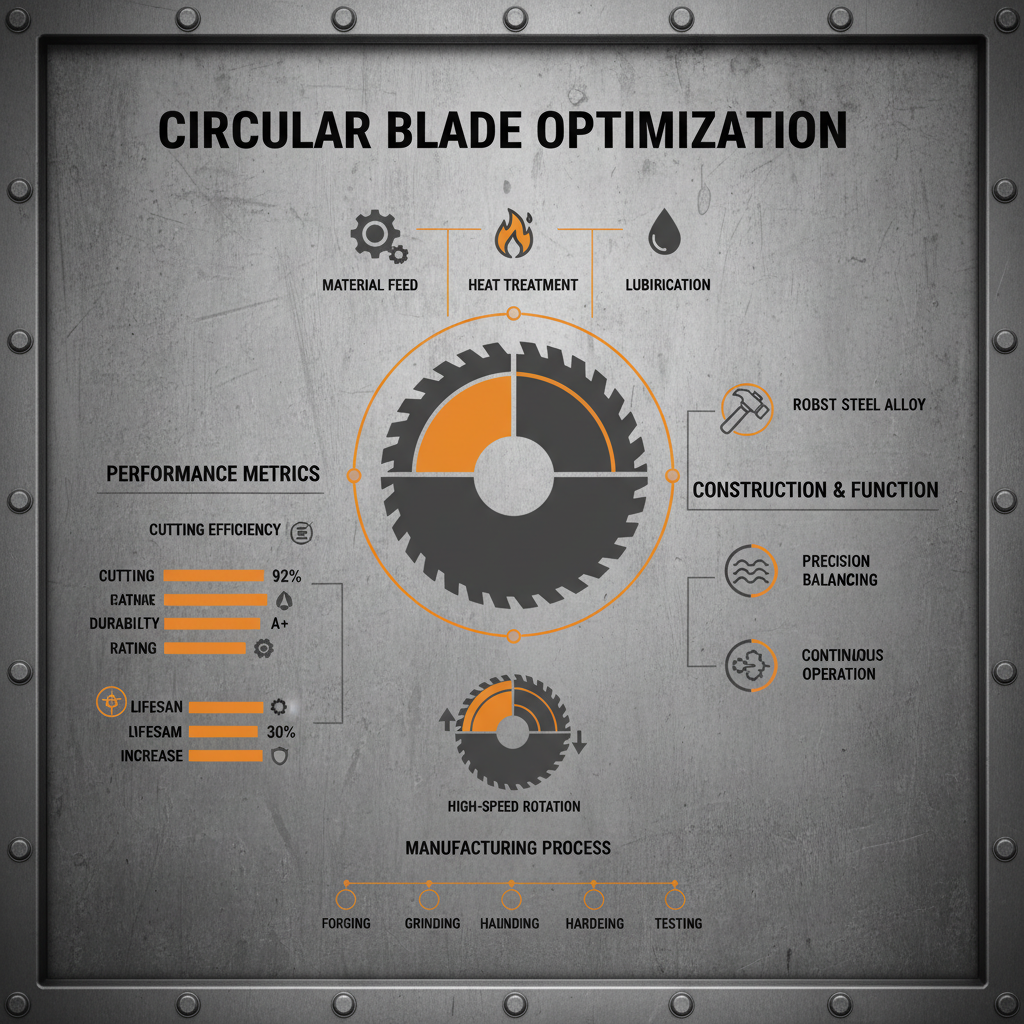
Durability is paramount. Blades made from high-speed steel, carbide, or ceramic materials offer extended lifespans, reducing downtime and replacement costs. Scalability refers to the ability to adapt blade size and configuration to varying production volumes. Cost-efficiency is achieved through a balance of initial investment, blade life, and maintenance requirements.
Precision is crucial for achieving clean, accurate cuts. This depends on blade sharpness, alignment, and the stability of the cutting machinery. Material compatibility is also critical; the blade material must be suited to the properties of the material being cut to prevent premature wear or damage.
Circular Knife Blade Performance Metrics
Applications Across Industries
The textile industry utilizes circular knife blades extensively for cutting fabrics of varying thicknesses and compositions. In the paper and packaging sector, these blades are crucial for slitting rolls of paper, cardboard, and plastic film with precision and speed. The food processing industry employs them for slicing and dicing various food products, ensuring consistent portion sizes and minimizing waste.
In remote industrial zones, where access to specialized tools and maintenance services may be limited, durable circular knife blades become even more valuable. Their longevity reduces the frequency of replacements and minimizes disruptions to production. Similarly, in post-disaster relief operations, efficient cutting tools are vital for processing materials for shelter construction and distribution of essential supplies.
Advantages and Long-Term Value
The tangible benefits of using high-quality circular knife blades are numerous. Reduced material waste translates directly into cost savings, while increased production speed boosts overall efficiency. The sustainability aspect, with durable blades requiring less frequent replacement, minimizes environmental impact.
Beyond the practical advantages, there’s a level of trust and reliability associated with premium blades. Consistent performance fosters confidence in the manufacturing process, reducing the risk of defects and ensuring product quality. This, in turn, enhances brand reputation and customer satisfaction.
Future Trends and Innovations in Circular Knife Blade Technology
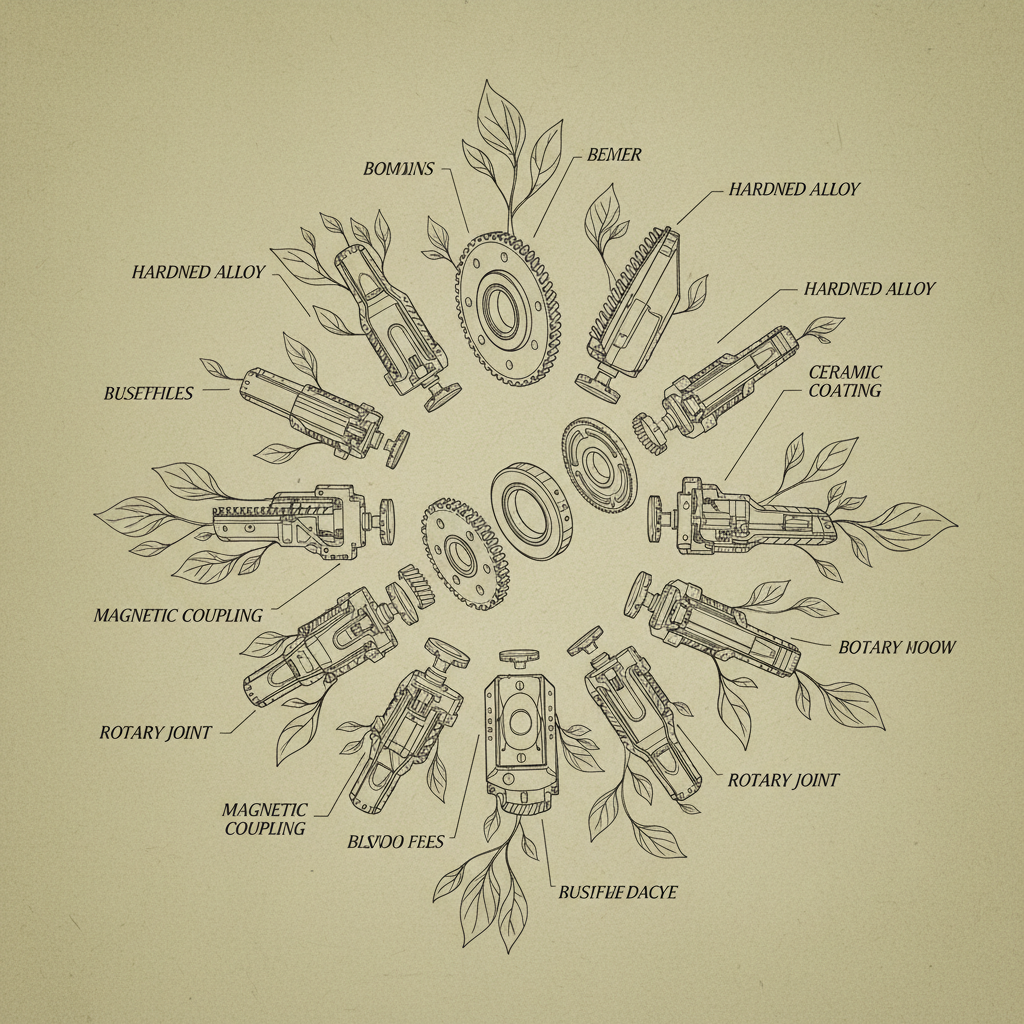
The integration of smart technologies, such as blade condition monitoring sensors, is emerging as a key trend. These sensors can detect wear and tear in real-time, allowing for predictive maintenance and preventing unexpected downtime. The development of new materials, like advanced ceramics and coated carbides, promises even greater durability and cutting performance.
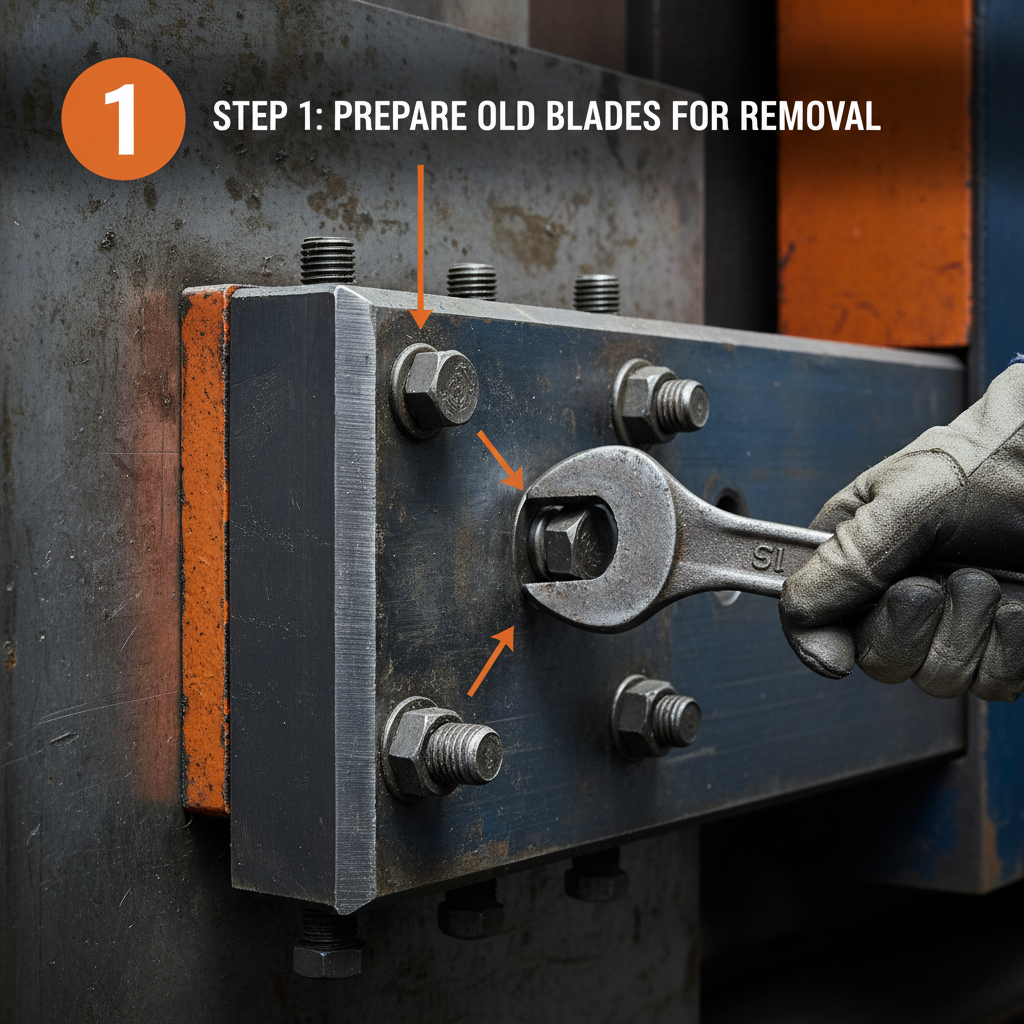
Automation and robotics are also playing an increasingly important role. Automated blade changing systems minimize manual intervention, improving efficiency and safety. Digital twins, virtual representations of physical blades, allow manufacturers to simulate cutting processes and optimize blade performance before implementation.
Sustainability is driving the exploration of eco-friendly blade materials and recycling programs. This aligns with the growing global emphasis on circular economy principles and reduces the environmental footprint of manufacturing processes, and the increasing use of AI to predict optimal blade change schedules is further maximizing resource utilization.
FAQS
Circular knife blades are commonly manufactured from high-speed steel (HSS), carbide, and ceramic materials. HSS blades offer a good balance of toughness and wear resistance, making them suitable for general-purpose cutting. Carbide blades provide superior hardness and wear resistance, ideal for abrasive materials. Ceramic blades excel in high-speed applications and offer excellent corrosion resistance.
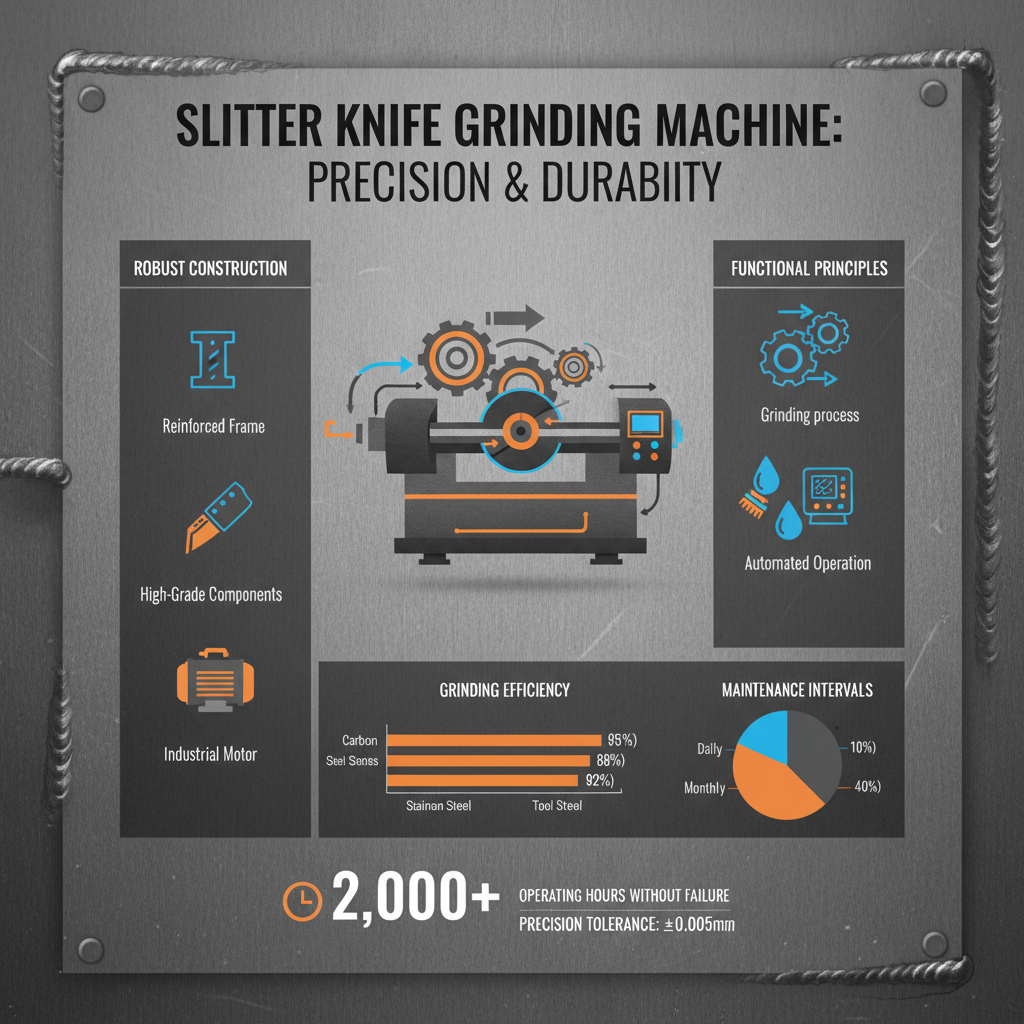
The sharpening or replacement frequency depends on factors like material being cut, cutting speed, blade material, and usage intensity. Regularly inspect the blade for signs of dullness, chipping, or wear. As a general guideline, HSS blades may require sharpening every few weeks, while carbide blades can last several months. Replace blades when they become too damaged to be effectively sharpened.
Circular knife blades are extremely sharp and pose a significant cutting hazard. Always wear appropriate personal protective equipment (PPE), including safety glasses, gloves, and protective clothing. Use caution when handling and changing blades, and never attempt to sharpen a blade without proper training and equipment. Ensure the cutting machine is properly guarded and in good working order.
While versatile, circular knife blades are not suitable for cutting all materials. The choice of blade material and geometry depends on the specific material being cut. For example, cutting metals requires specialized carbide or diamond-coated blades. Attempting to cut inappropriate materials can damage the blade or the machine, and create a safety hazard.
Blade quality significantly impacts the accuracy, efficiency, and lifespan of the cutting process. High-quality blades maintain their sharpness for longer, resulting in cleaner cuts, reduced material waste, and decreased downtime. Investing in premium blades can lead to substantial long-term cost savings and improved product quality.
Selecting the correct blade requires considering factors like the material being cut, the cutting speed, and the required precision. Consult with a blade specialist or refer to the manufacturer’s recommendations. Factors like blade diameter, thickness, tooth geometry, and material composition are all critical considerations for optimal performance.
Conclusion
In conclusion, the circular knife blade remains a cornerstone of modern manufacturing, offering a unique blend of precision, efficiency, and durability. Its application spans a wide range of industries, contributing significantly to increased productivity and improved product quality. From advancements in materials science to the integration of smart technologies, ongoing innovations continue to enhance its capabilities and solidify its position as an indispensable cutting tool.
Looking ahead, a continued focus on sustainability, automation, and predictive maintenance will be key to unlocking the full potential of circular knife blade technology. Investing in high-quality blades and staying abreast of the latest advancements will enable manufacturers to optimize their operations, reduce costs, and maintain a competitive edge. For more information and to explore our range of solutions, visit our website: www.bsblade.com.