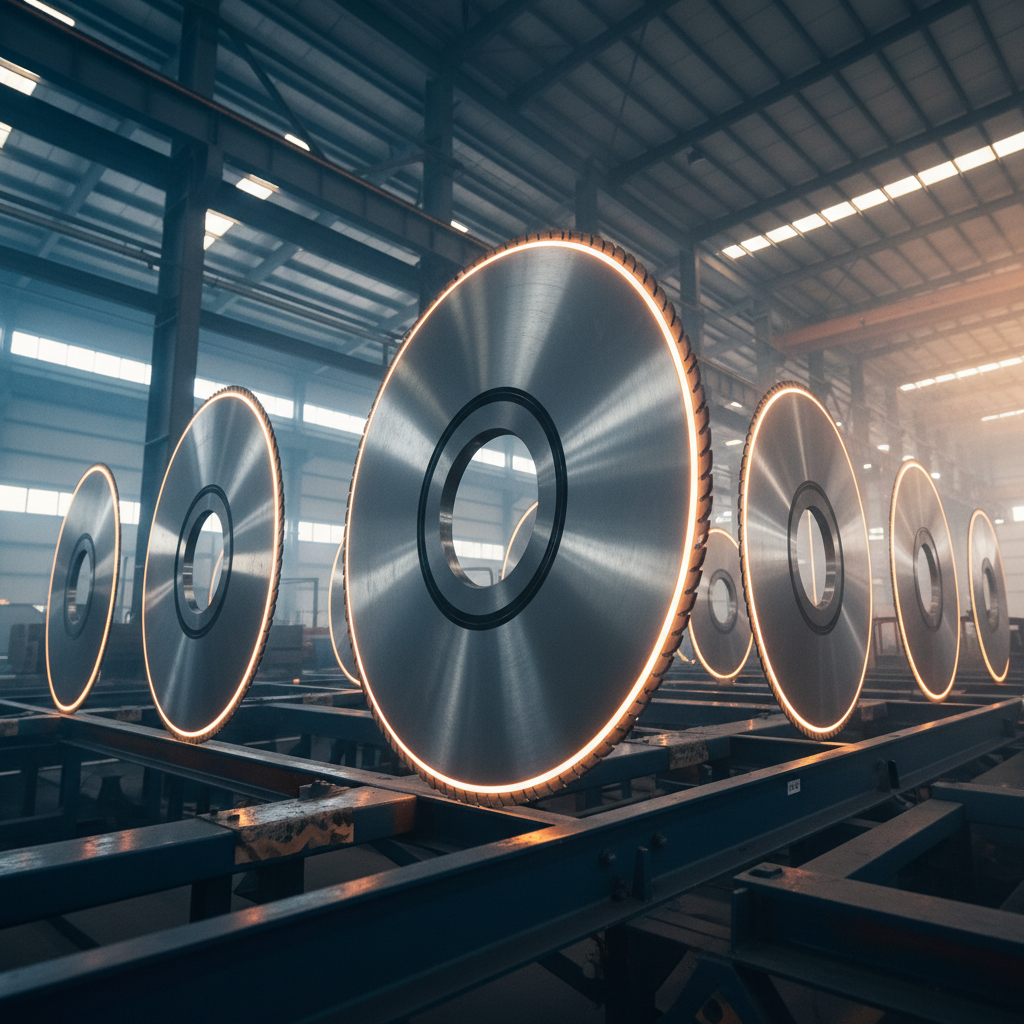
Rotary slitter knives are essential components in a vast array of industrial processes, from paper and film production to converting and packaging. These precision cutting tools enable efficient and accurate slitting of continuous materials into desired widths, significantly streamlining manufacturing workflows. Their importance stems from the increasing demand for high-quality, precisely cut products across numerous sectors, driving continuous innovation in their design and materials.
The global market for rotary slitter knives is experiencing consistent growth, fueled by the expansion of industries like flexible packaging, label printing, and non-woven fabric manufacturing. According to industry reports, the demand for high-performance slitter knives is particularly strong in emerging economies due to their rapidly developing manufacturing bases. This growth isn’t merely economic; it's tied to evolving consumer needs for advanced packaging and product presentation.
Understanding the nuances of rotary slitter knives - their materials, geometries, and applications - is crucial for optimizing production processes, minimizing waste, and ensuring product quality. A well-chosen and maintained slitter knife not only contributes to cost savings but also enhances operational safety and reliability. Furthermore, advancements in slitter knife technology are paving the way for more sustainable and environmentally friendly manufacturing practices.
Introduction to Rotary Slitter Knives
Rotary slitter knives play a pivotal role in numerous manufacturing processes, delivering precision and efficiency in material cutting. Their ability to continuously slit materials makes them indispensable in industries dealing with long rolls of paper, film, foil, textiles, and other flexible materials. Understanding their application is paramount for companies seeking to optimize production and maintain competitive edge. rotary slitter knives are available in a range of configurations to meet specific needs.
The effectiveness of a rotary slitter knife system isn't solely dependent on the knife itself. It's a confluence of factors – including knife geometry, material quality, machine setup, and maintenance schedules – that contribute to optimal performance. Regularly inspecting and replacing worn knives is critical to preventing defects, minimizing downtime, and ensuring consistent product quality.
Defining Rotary Slitter Knives
A rotary slitter knife is a circular blade designed to continuously slit materials as they pass between rotating drums or cylinders. Unlike shear knives which operate in a reciprocating motion, rotary knives provide a clean, consistent cut without material distortion. They are commonly made from high-speed steel, carbide, or ceramic materials, selected based on the material being cut and the desired blade life.
The connection to modern industry is undeniable. From the production of food packaging and pharmaceutical blister packs to the manufacturing of adhesive tapes and paper products, rotary slitter knives are fundamental to countless supply chains. Without this technology, mass production of many everyday items would be significantly less efficient, more costly, and potentially of lower quality.
The principle behind rotary slitter knives extends beyond purely industrial applications; they are also vital in specialized fields like medical device manufacturing, where precision and cleanliness are paramount. The controlled and consistent cutting action minimizes the risk of contamination and ensures the integrity of delicate materials.
Core Components and Factors
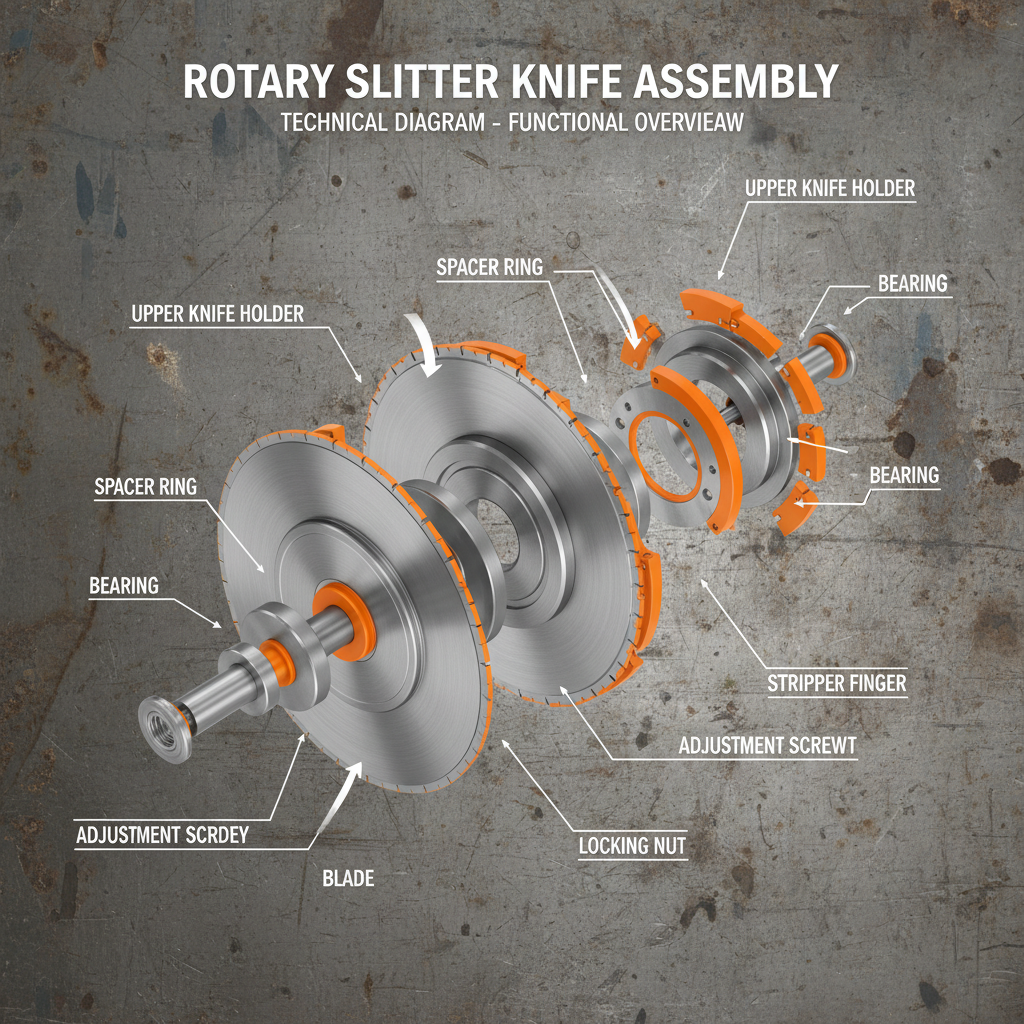
Several key factors influence the performance and longevity of rotary slitter knives. Firstly, Material Quality is critical. High-speed steel offers good balance between cost and performance, while carbide provides superior wear resistance for abrasive materials. Ceramic knives offer exceptional durability but are more brittle. Secondly, Knife Geometry, including blade angle and land width, impacts cut quality and force required.
Sharpness and Honing are vital for achieving clean cuts and minimizing material waste. Regular honing or sharpening is necessary to maintain the blade’s cutting edge. Furthermore, Blade Runout – the deviation of the blade from its true rotational path – significantly impacts cut accuracy and can lead to premature wear. Precise alignment and balance are crucial to minimize runout.
Finally, Knife Coating plays a role in reducing friction and preventing material buildup. Coatings like titanium nitride (TiN) enhance wear resistance and improve the knife’s ability to handle sticky or resinous materials. The careful consideration of each of these components ensures optimal performance and prolonged tool life.
Global Applications and Use Cases
Rotary slitter knives are extensively used in the paper industry for slitting paper rolls into various widths for printing, packaging, and writing applications. In the plastics and film industry, they are essential for producing packaging film, labels, and plastic sheeting. The non-woven fabric industry utilizes them for slitting materials used in hygiene products, medical textiles, and filtration systems.
Regions with robust manufacturing sectors, such as China, Germany, and the United States, are significant consumers of rotary slitter knives. In China, the rapidly growing packaging industry is driving demand for high-performance slitter knives. Germany, with its strong automotive and engineering sectors, utilizes them in the production of technical textiles and specialized films.
In remote industrial zones, or within tightly regulated sectors like pharmaceuticals, the precision and reliability of rotary slitter knives are particularly valuable. They enable consistent product quality and minimize the risk of costly errors. Furthermore, in post-disaster relief operations, the efficient production of packaging materials facilitated by these knives can be crucial for distributing aid supplies.
Rotary Slitter Knife Performance Comparison
Advantages and Long-Term Value
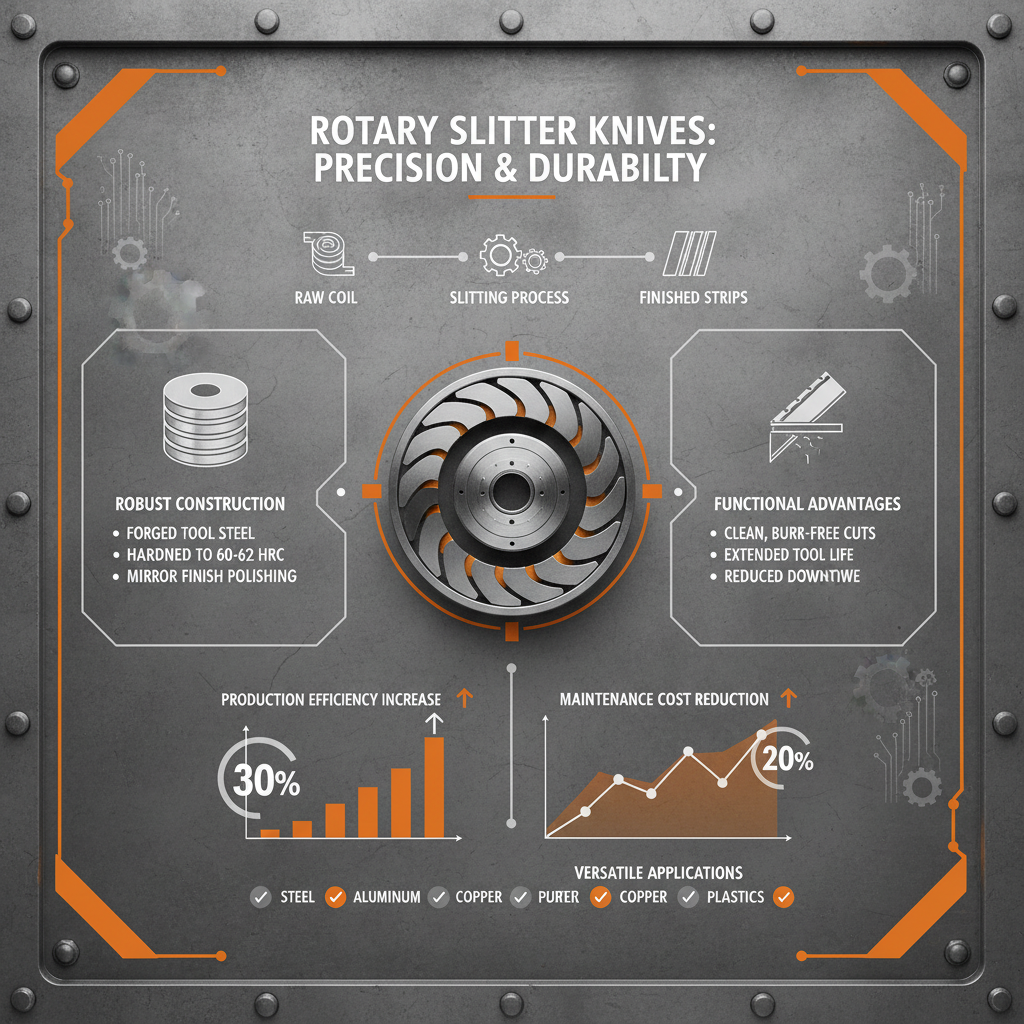
The advantages of utilizing high-quality rotary slitter knives are manifold. Reduced material waste, increased production speeds, and improved product consistency are immediately tangible benefits. Furthermore, the reliability of these tools minimizes downtime and reduces maintenance costs, contributing to significant cost savings over the long term. Investing in durable knives like those offered by rotary slitter knives manufacturers translates to a lower total cost of ownership.
Beyond the financial gains, there's a compelling sustainability argument. By minimizing waste and optimizing material utilization, these knives contribute to a more environmentally responsible manufacturing process. From a social impact perspective, the enhanced safety and efficiency they provide create a better working environment for operators. The consistent quality contributes to trust with the final customer.
Future Trends and Innovations
The future of rotary slitter knives is intertwined with advancements in materials science and automation. The development of new, even harder and more wear-resistant materials – like advanced ceramics and diamond-like coatings – promises to extend blade life and improve cutting performance. Integration with smart sensors and data analytics will enable predictive maintenance, optimizing knife replacement schedules.
Automation and digital transformation are also playing a crucial role. Automated knife changing systems minimize downtime, while data-driven insights into cutting parameters allow for process optimization. The focus on sustainability is driving research into more environmentally friendly blade materials and manufacturing processes.
Challenges and Solutions
One common challenge is premature blade wear, often caused by abrasive materials or improper machine settings. Solutions include selecting appropriate blade materials, optimizing cutting speeds and pressures, and implementing regular honing or sharpening schedules. Another challenge lies in maintaining consistent cut quality across different material types and thicknesses.
Proper knife selection and alignment are key. Utilizing advanced diagnostic tools to assess blade wear and identify potential issues before they escalate can prevent costly downtime. Collaborating with experienced knife manufacturers and leveraging their expertise in material selection and application optimization can significantly improve performance.
Addressing these challenges requires a holistic approach encompassing material science, machine engineering, and operator training. Proactive maintenance and continuous process improvement are essential for maximizing the value of rotary slitter knives and ensuring long-term operational efficiency.
Summary of Rotary Slitter Knife Challenges and Solutions
| Challenge |
Root Cause |
Solution |
Preventative Measure |
| Premature Blade Wear |
Abrasive Materials, Incorrect Settings |
Optimize Material Selection, Adjust Cutting Parameters |
Regular Blade Inspection |
| Inconsistent Cut Quality |
Misalignment, Dull Blades |
Precise Alignment, Sharpening/Replacement |
Calibration Checks |
| High Downtime |
Frequent Blade Changes |
Automated Knife Changing Systems |
Predictive Maintenance Scheduling |
| Material Buildup on Blades |
Resinous Materials, Insufficient Cleaning |
Blade Coatings, Regular Cleaning Protocols |
Optimize Airflow |
| Safety Concerns |
Improper Handling, Lack of Training |
Safety Protocols, Comprehensive Training |
Regular Safety Audits |
| High Operational Costs |
Inefficient Blades, Frequent Replacement |
Invest in High-Quality Blades |
Implement Optimized Usage |
FAQS
The lifespan of a rotary slitter knife varies significantly based on the material being cut, the cutting speed, and the knife’s material composition. High-speed steel knives may last for several weeks to months with proper maintenance, while carbide or ceramic knives can operate for considerably longer periods – even years – in less abrasive applications. Regularly inspecting the blade for wear and resharpening when necessary can significantly extend its usable life.
Selecting the appropriate material depends on the abrasiveness of the material being cut and the required cutting precision. For less abrasive materials like paper or film, high-speed steel may be sufficient. For abrasive materials such as fiberglass or composite materials, carbide or ceramic knives are recommended due to their superior wear resistance. Consider consulting with a knife manufacturer to determine the optimal material for your specific application.
Regular maintenance is crucial for maximizing the performance and lifespan of rotary slitter knives. This includes routine cleaning to remove material buildup, regular sharpening or honing to maintain a sharp cutting edge, and periodic inspection for damage such as cracks or chips. Proper lubrication and alignment are also essential for preventing premature wear and ensuring optimal cutting accuracy.
Common problems include poor cut quality, excessive vibration, and premature blade wear. Poor cut quality can indicate a dull blade or improper alignment. Excessive vibration may suggest an unbalanced knife or loose mounting. Premature wear can be caused by abrasive materials or incorrect cutting parameters. Carefully inspecting the knife and machine components can often pinpoint the source of the problem.
Rotary slitter knives are extremely sharp and require careful handling. Always wear appropriate personal protective equipment, including gloves and eye protection. Never attempt to handle a knife without proper training. Ensure the machine is powered off and locked out before performing any maintenance or adjustments. Follow all safety guidelines provided by the knife manufacturer and machine operator.
Selecting a reputable supplier is crucial for ensuring the quality and performance of your rotary slitter knives. Look for suppliers with a proven track record, a wide range of knife materials and geometries, and excellent customer support. Mechblades is a trusted source for high-quality rotary slitter knives and related services.
Conclusion
Rotary slitter knives are undeniably essential components in a diverse range of industrial processes. Their precision, efficiency, and reliability contribute significantly to increased productivity, reduced waste, and improved product quality. Understanding the core factors influencing their performance, including material selection, knife geometry, and proper maintenance, is paramount for maximizing their value and ensuring long-term operational success.
As technology continues to evolve, we can expect further innovations in rotary slitter knife design and manufacturing. The integration of smart sensors, automated systems, and sustainable materials will undoubtedly shape the future of this critical cutting tool. We encourage you to explore the latest advancements and invest in high-quality solutions that meet your specific needs. Visit our website at www.bsblade.com to learn more about our comprehensive range of rotary slitter knives and services.