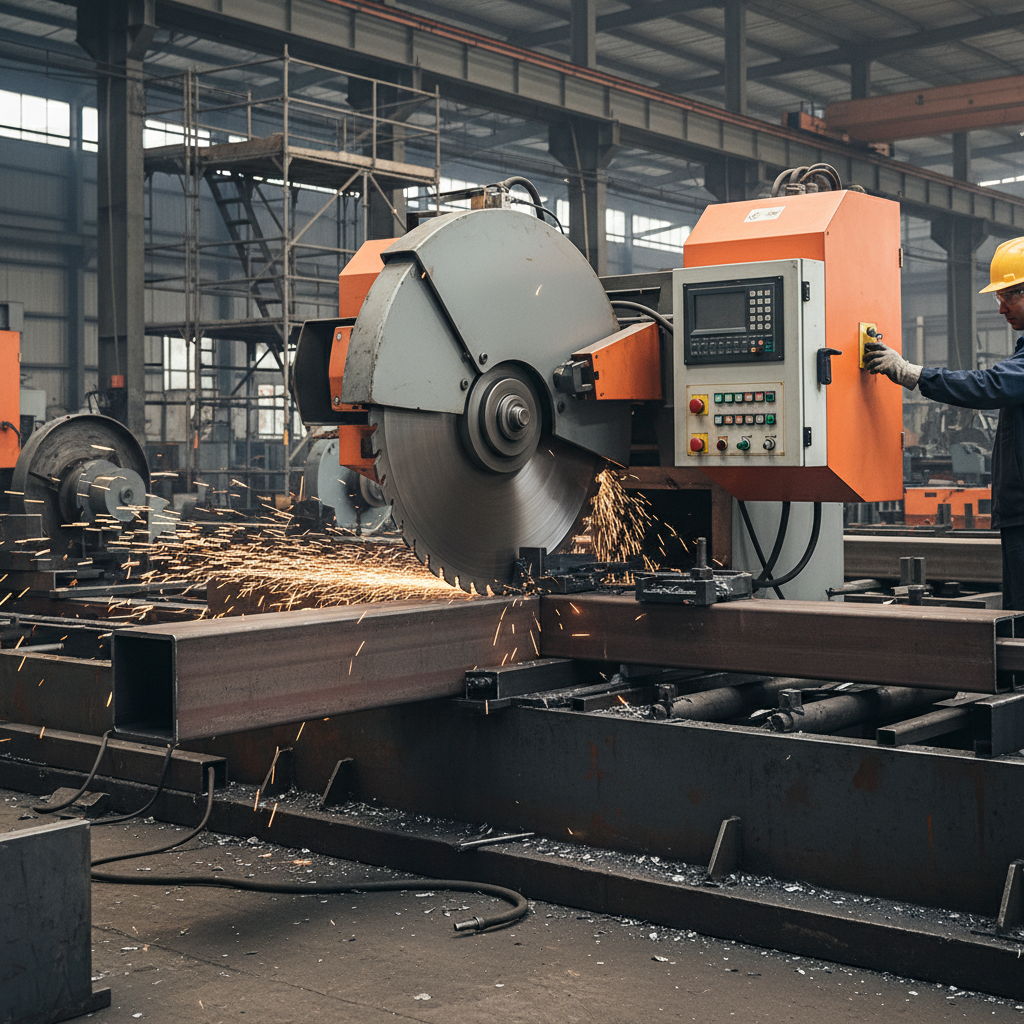
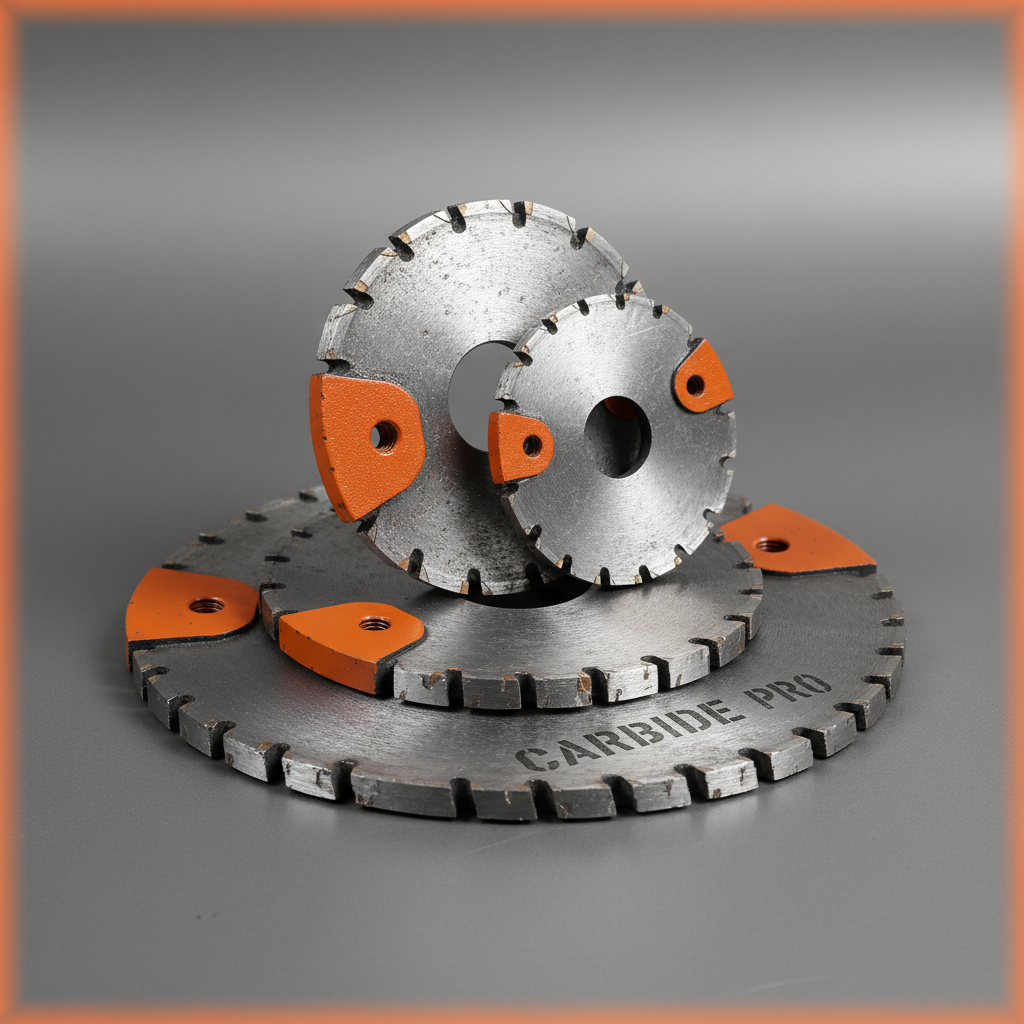
Guillotine shear blades represent a crucial component in modern industrial cutting processes, offering precision, efficiency, and durability. These blades, designed for clean and powerful cuts through a wide range of materials, are essential across numerous sectors, from metal fabrication and paper recycling to plastics processing and textile manufacturing. Understanding their functionality, applications, and ongoing advancements is paramount for optimizing operational efficiency and ensuring product quality in today’s competitive landscape.
The global demand for high-performance cutting tools, including guillotine shear blades, is driven by factors such as increased manufacturing output, stringent quality control standards, and a growing emphasis on automation. According to industry reports, the global industrial blades market is projected to reach \$X billion by 2028, with a significant portion attributed to the demand for specialized shear blades. This growth highlights the critical role these blades play in maintaining the productivity of industries worldwide.
Furthermore, the development of innovative materials and blade geometries continues to push the boundaries of what’s possible with guillotine shear blades. Addressing challenges related to blade wear, material compatibility, and cutting precision has led to significant advancements, enabling more sustainable and cost-effective manufacturing processes.
Introduction to guillotine shear blades
Guillotine shear blades are fundamentally about precision cutting. They’re engineered to apply substantial shearing force, enabling the clean separation of materials with minimal deformation. This contrasts with other cutting methods which may involve abrasion or tearing. The precision of guillotine shear blades is vital for industries needing consistent, high-quality cuts.
These blades are not simply steel; the composition and treatment of the metal alloys significantly impact their performance. The selection of materials is driven by factors such as the type of material being cut, the required blade life, and the desired level of precision. Specialized heat treatments and coatings further enhance durability and resistance to wear.
Defining Guillotine Shear Blades
A guillotine shear blade is a robust cutting tool designed to shear materials between two opposing blades, employing a powerful downward force – akin to the historical guillotine, hence the name. Unlike rotary blades that rely on continuous rotation, guillotine shear blades perform a single, decisive cutting stroke. This method is particularly effective for processing thicker materials and achieving straight, clean cuts.
Their connection to modern industry is profound. From the automotive sector, where they cut sheet metal for car bodies, to the paper and recycling industry processing vast quantities of paper and cardboard, they are a mainstay. They are also integral to the plastics industry, enabling the efficient processing of plastic sheets and films.
The ability of guillotine shear blades to reliably handle a wide range of materials and thicknesses makes them indispensable in numerous applications where precision and efficiency are paramount. They contribute significantly to streamlined manufacturing processes and reduced material waste.
Core Components of Guillotine Shear Blades
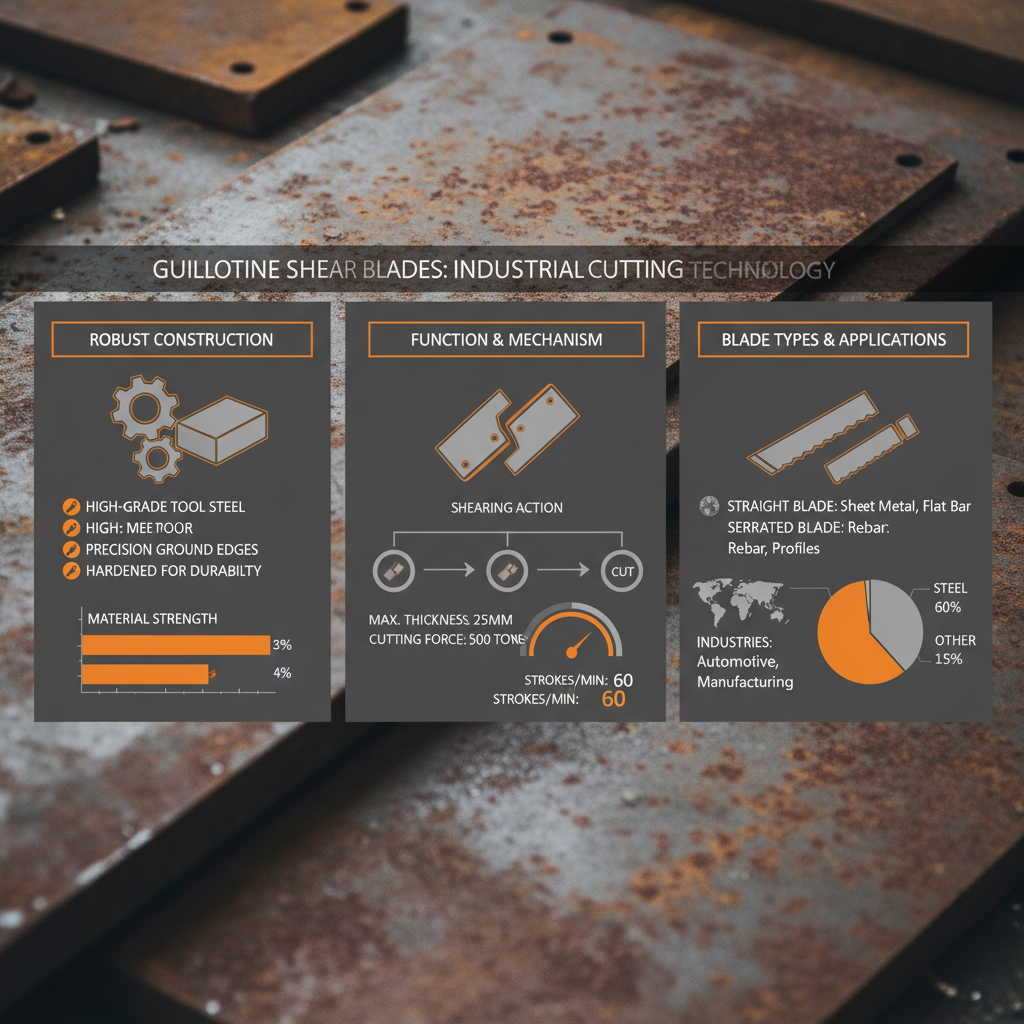
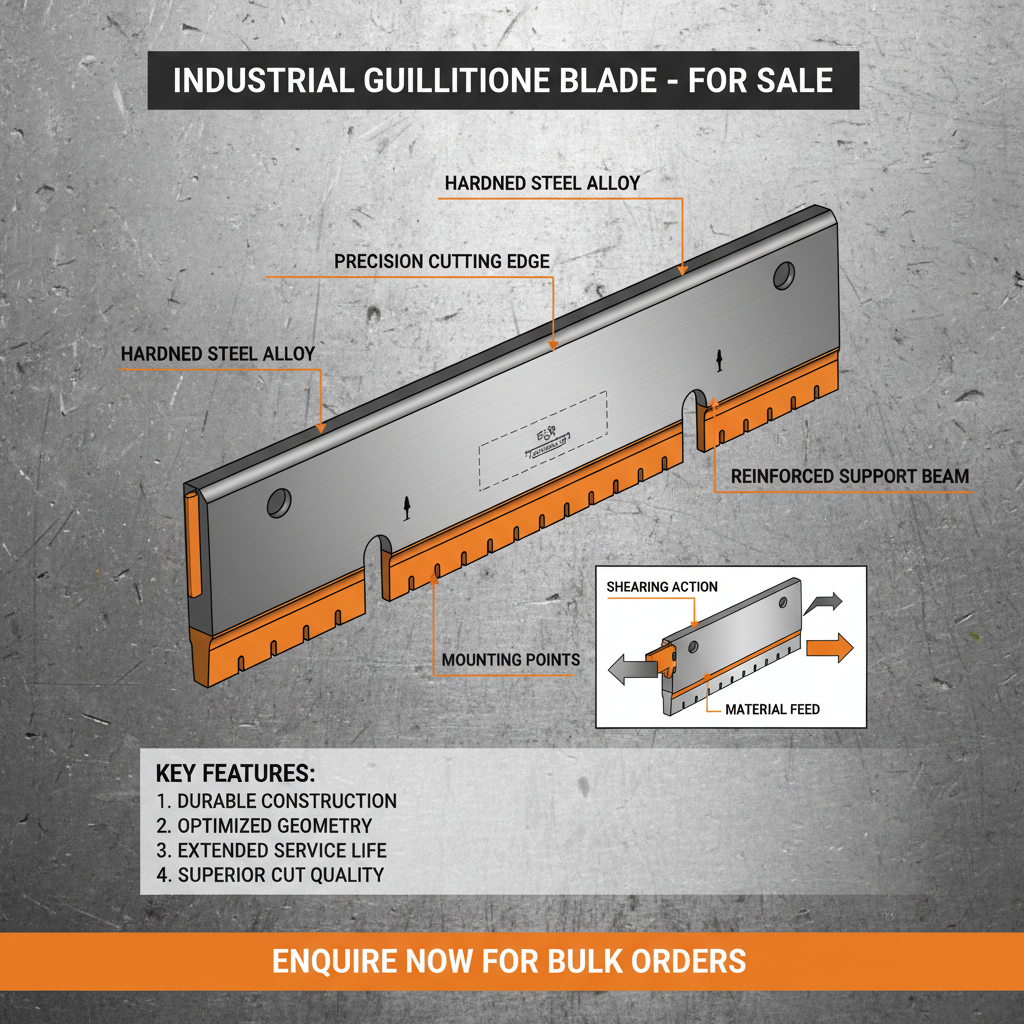
Guillotine shear blades aren't monolithic pieces of metal. They’re comprised of carefully engineered components. The primary elements include the blade itself, often constructed from high-carbon steel, alloy steel, or powder metallurgy materials. Crucially, the blade’s geometry – the angle of the cutting edge, the rake angle, and the clearance angle – dictates its performance characteristics.
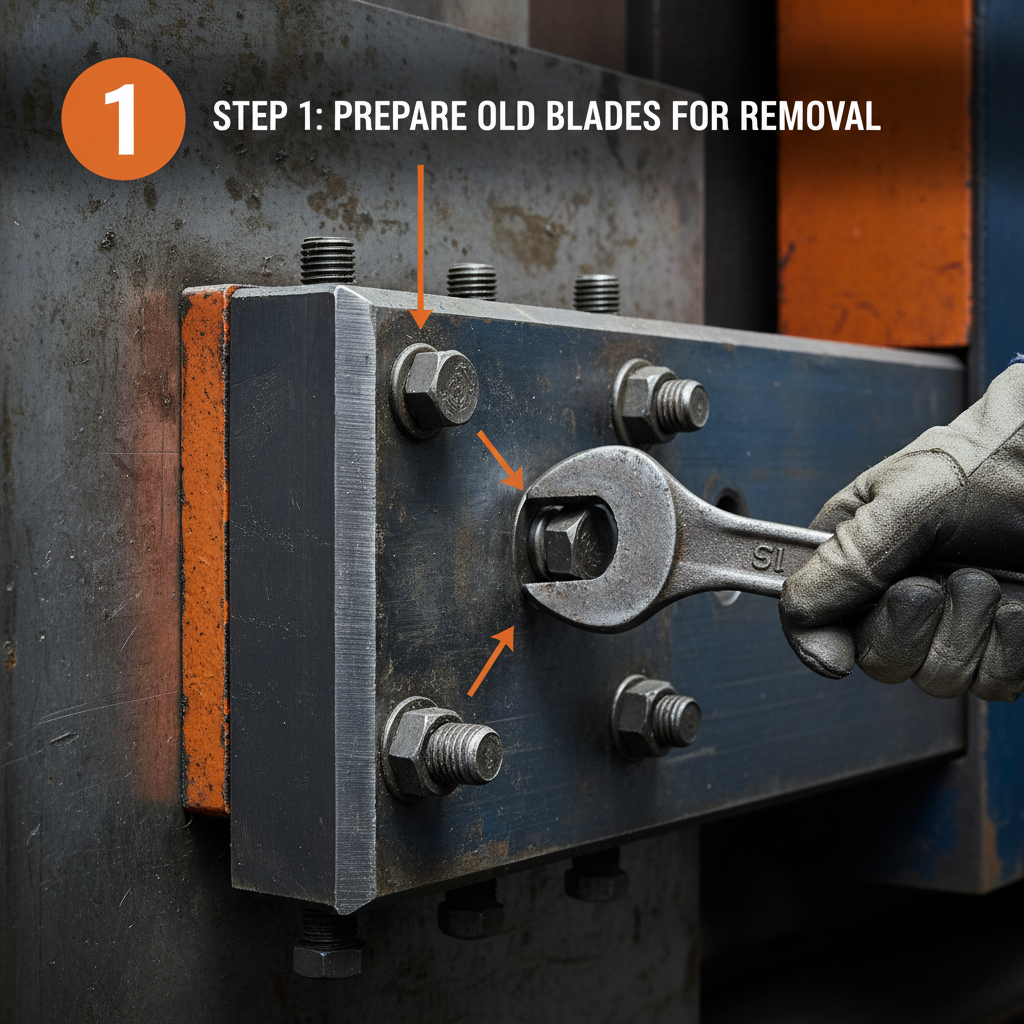
Beyond the blade itself, the clamping system is critical. A robust clamping mechanism ensures that the blade is securely held in place during operation, preventing movement or slippage that could compromise cutting accuracy or pose safety hazards. This clamping system frequently incorporates adjustable features to accommodate varying blade thicknesses and types.
Finally, the backing plate provides structural support for the blade, preventing bending or distortion under load. The quality and rigidity of the backing plate directly impact the blade's ability to maintain its cutting edge and deliver consistent performance over its lifespan. The composition of this backing plate often matches that of the blade to avoid dissimilar metal issues.
Key Performance Factors
Several factors contribute to the optimal performance of guillotine shear blades. Hardness is crucial – blades need to be hard enough to resist wear and deformation, but also tough enough to withstand impact forces. The specific hardness required depends on the material being cut; softer materials necessitate a less hardened blade.
Wear resistance is equally important. Repeated cutting cycles cause gradual material loss from the blade’s cutting edge. Higher wear resistance translates to longer blade life and reduced downtime for blade replacement. Coatings such as titanium nitride (TiN) are often applied to enhance wear resistance.
Guillotine Shear Blade Performance Metrics
Global Applications & Industries Served
The versatility of guillotine shear blades means they’re utilized across a diverse spectrum of industries. The metal fabrication sector relies on them heavily for cutting sheet metal, plates, and profiles for everything from automotive components to construction materials. Their accuracy and ability to create clean edges are invaluable.
In the paper and recycling industry, these blades are essential for shearing paper, cardboard, and other fibrous materials, preparing them for pulping or further processing. Efficient recycling operations depend on the reliable performance of these blades. Automotive industries, construction zones, and large-scale manufacturing plants frequently implement guillotine shear blades.
Advantages and Long-Term Value
Investing in high-quality guillotine shear blades offers substantial long-term benefits. Reduced downtime due to fewer blade changes translates to increased productivity and lower operational costs. The precision of these blades minimizes material waste, contributing to sustainability and cost savings.
From a safety perspective, reliable guillotine shear blades contribute to a safer working environment by reducing the risk of blade failure or inaccurate cuts. Their consistent performance builds trust within manufacturing processes, fostering quality control and reliable output.
Future Trends and Innovations
The future of guillotine shear blades is leaning towards smart technology and advanced materials. The integration of sensors and data analytics will allow for predictive maintenance, optimizing blade replacement schedules and minimizing unplanned downtime. These intelligent blades will be able to communicate their condition, enhancing operational efficiency.
Material science is also playing a crucial role. Research into new alloy compositions and surface coatings promises to deliver blades with even greater hardness, wear resistance, and corrosion protection. Furthermore, the development of sustainable blade materials and manufacturing processes will address growing environmental concerns.
Automation and robotics are increasingly being integrated with guillotine shear blade systems, improving precision, speed, and safety. The combination of these technologies will enable manufacturers to achieve new levels of efficiency and productivity.
Guillotine Shear Blade Performance Considerations
Understanding the key factors influencing the lifespan and performance of guillotine shear blades is vital for maximizing their value. Several aspects come into play, including the material being cut, the blade geometry, the maintenance schedule, and the operational parameters. Optimizing these elements ensures consistent cutting quality and extends blade longevity.
Proper blade alignment and tension are paramount. Misalignment can lead to uneven wear and premature failure, while insufficient tension can compromise cutting accuracy. Regular inspections and adjustments are essential for maintaining optimal performance.
Regular lubrication is also vital for minimizing friction and preventing wear. Selecting the appropriate lubricant based on the material being cut and the operating environment is crucial. Implementing a structured maintenance program and adhering to manufacturer recommendations will significantly enhance the lifespan of guillotine shear blades.
A Summary of Key Guillotine Shear Blade Performance Factors
| Material Type |
Blade Hardness (Rockwell C) |
Maintenance Frequency |
Expected Blade Life (Hours) |
| Mild Steel |
58-62 |
Daily Inspection, Weekly Lubrication |
200-300 |
| Stainless Steel |
60-64 |
Daily Inspection, Bi-Weekly Lubrication |
150-250 |
| Aluminum |
55-59 |
Daily Inspection, Monthly Lubrication |
300-400 |
| Plastic (PVC) |
52-56 |
Daily Inspection, Bi-Weekly Lubrication |
400-500 |
| Cardboard |
50-54 |
Daily Inspection, Monthly Lubrication |
500+ |
| Composite Materials |
62-66 |
Daily Inspection, Weekly Lubrication |
100-200 |
FAQS
The lifespan of guillotine shear blades varies significantly based on several factors, including the material being cut, blade hardness, maintenance practices, and operating conditions. Generally, blades can last anywhere from 150 to 500+ hours of continuous operation. Regular inspection and sharpening can extend blade life considerably. A properly maintained blade will exhibit minimal chipping or deformation before needing replacement.
Sharpening frequency depends on usage and material type. As a general guideline, inspect blades after every 50-100 hours of operation. If you notice any dulling, chipping, or increased cutting force, it's time for sharpening. Consistent sharpening maintains cutting precision and reduces stress on the machine. Professional sharpening services are recommended to ensure proper angle and edge quality.
Guillotine shear blades are commonly manufactured from high-carbon steel, alloy steel (like D2, A2, or O1), and powder metallurgy steels. These materials offer a balance of hardness, toughness, and wear resistance. Specialized coatings, such as titanium nitride (TiN), are often applied to enhance surface hardness and reduce friction. The best material choice depends on the specific application and the material being cut.
The blade gap is critical for optimal cutting performance. Incorrect gap settings can lead to blade damage, poor cut quality, or increased force requirements. Consult your machine’s manual for recommended gap settings based on the material thickness being cut. A general rule of thumb is to set the gap slightly smaller than the material thickness, allowing for sufficient shear action. Start with a small gap and gradually increase it if needed.
Guillotine shear blades are extremely sharp and pose a significant safety hazard. Always wear appropriate personal protective equipment (PPE), including gloves, eye protection, and sturdy footwear. Never attempt to handle blades without proper training. Ensure the machine is de-energized and locked out before performing any maintenance or blade replacement. Follow all safety guidelines outlined in your machine's manual.
Coated guillotine shear blades, typically coated with titanium nitride (TiN) or similar materials, offer significant benefits. These coatings enhance surface hardness, reducing friction and wear. This translates to longer blade life, improved cutting performance, and reduced material buildup. Coated blades are particularly beneficial when cutting abrasive or sticky materials, minimizing downtime and enhancing productivity.
Conclusion
Guillotine shear blades remain a cornerstone of modern industrial cutting, providing a precise and efficient solution for a vast range of applications. Their performance is deeply rooted in material science, blade geometry, and diligent maintenance. The ongoing advancements in blade technology, coupled with the integration of smart features, promise to further optimize their effectiveness and sustainability.
Looking ahead, embracing innovations in blade materials, predictive maintenance, and automation will unlock even greater value from guillotine shear blades. By prioritizing safety, implementing proper maintenance protocols, and staying informed about emerging technologies, industries can maximize their return on investment and ensure reliable, high-quality cutting performance. To learn more about our range of high-performance guillotine shear blades and custom solutions, visit our website: www.bsblade.com.