See us at E-Waste World Expo 2026 ( Booth D136 ) June 17-18th , Messe Frankfurt, Germany

The circular razor blade cutter represents a pivotal advancement in precision cutting technology, impacting diverse industries from textiles and packaging to specialized manufacturing. Its ability to deliver clean, accurate cuts with minimal waste addresses growing demands for efficiency and sustainability. Understanding the nuances of this tool – its design, applications, and ongoing innovations – is crucial for professionals seeking to optimize their processes and stay competitive in a rapidly evolving market.
Globally, the demand for efficient and reliable cutting solutions is escalating, driven by factors like increased consumerism, evolving manufacturing processes, and the need to reduce production costs. The circular razor blade cutter, with its inherent precision and repeatability, provides a compelling solution. Market analysis indicates a steady growth rate in the demand for specialized cutting tools, with a significant portion attributed to the adoption of automated systems utilizing circular blade technology. This growth is particularly prominent in emerging economies experiencing rapid industrialization.
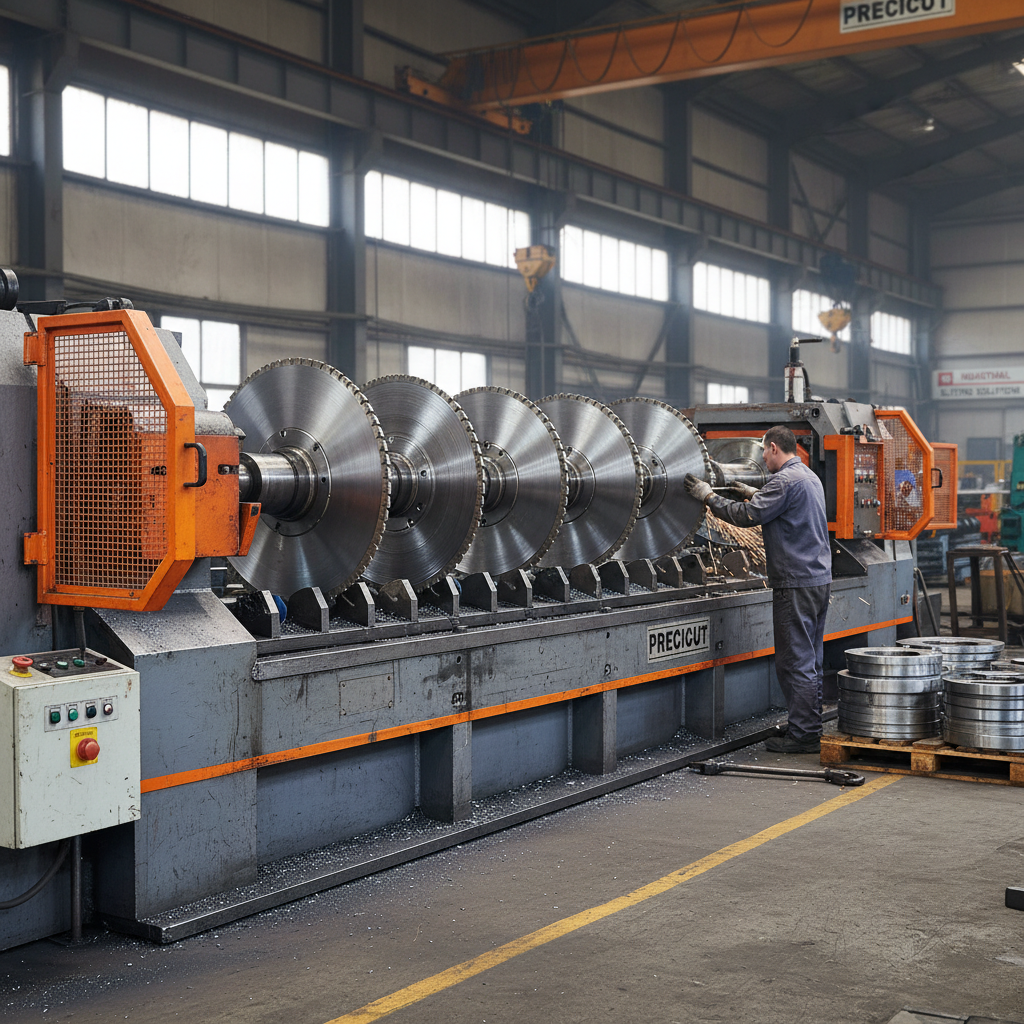
At its core, a circular razor blade cutter utilizes a rotating blade with a sharp cutting edge to slice through materials. Unlike traditional cutting methods, it minimizes material distortion and produces a consistently clean edge. This technology is integral to numerous processes, from producing intricate designs in fabrics to ensuring precise dimensions in composite materials. Its adaptability and scalability make it a valuable asset in various applications, bridging the gap between manual craftsmanship and high-volume industrial production.
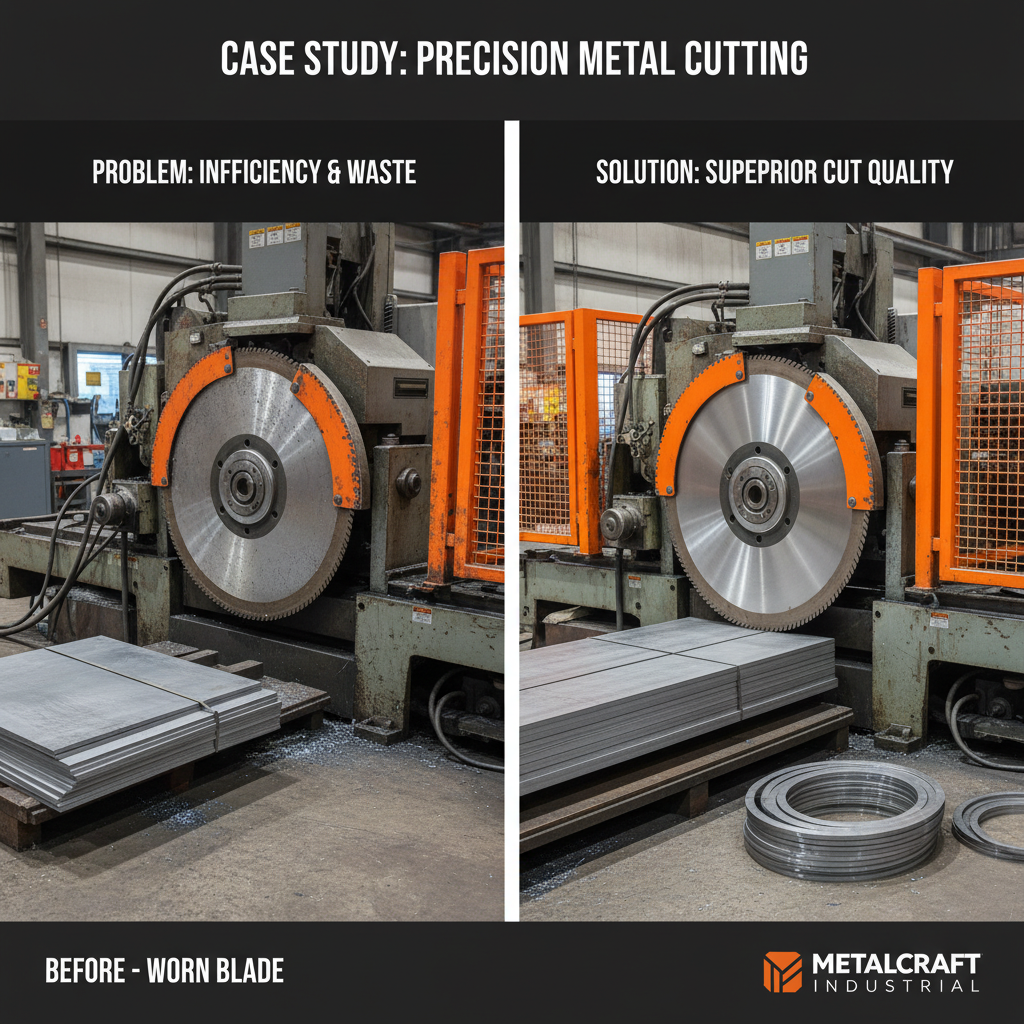
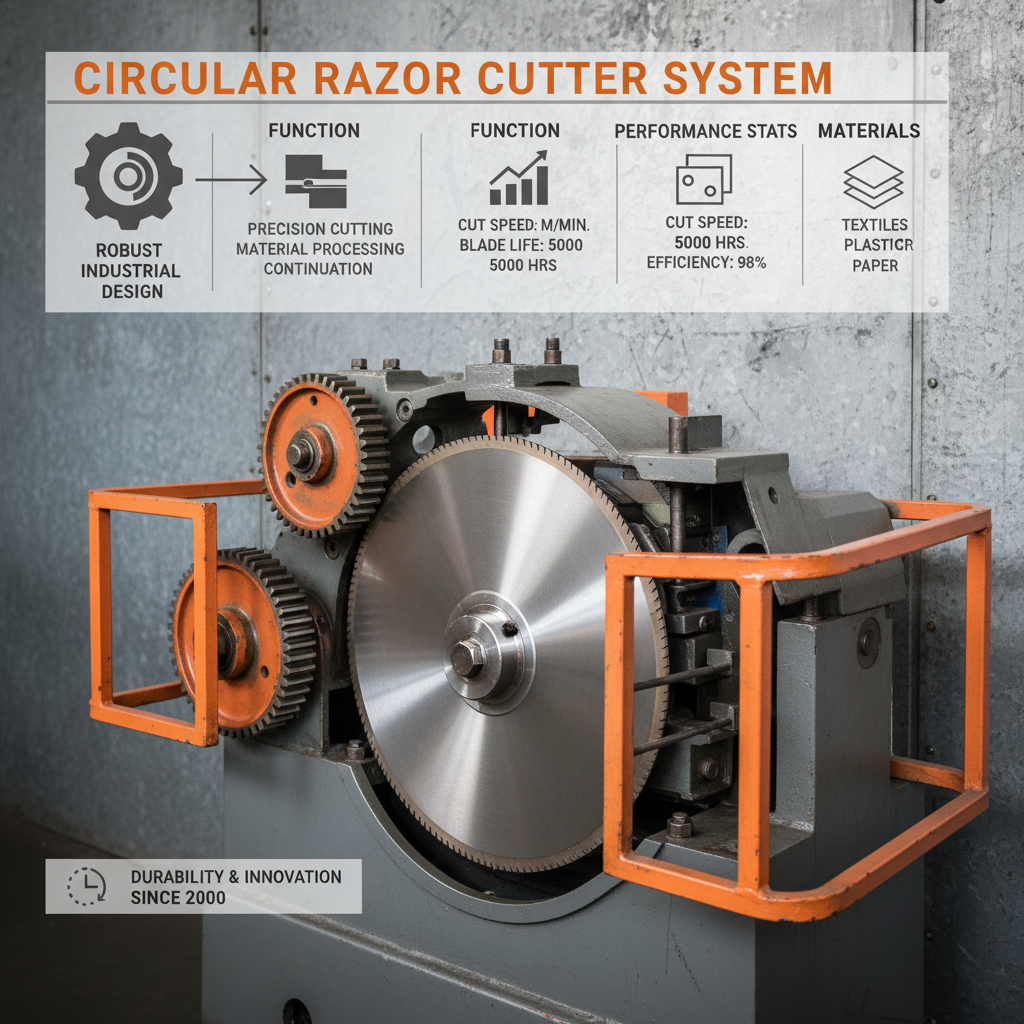
The fundamental principle behind a circular razor blade cutter lies in its efficient conversion of rotational energy into a precise cutting action. The blade’s geometry, material composition, and rotational speed are critical factors determining the quality and speed of the cut. Properly engineered circular blades minimize friction and material deformation, delivering consistent results across a broad spectrum of materials.
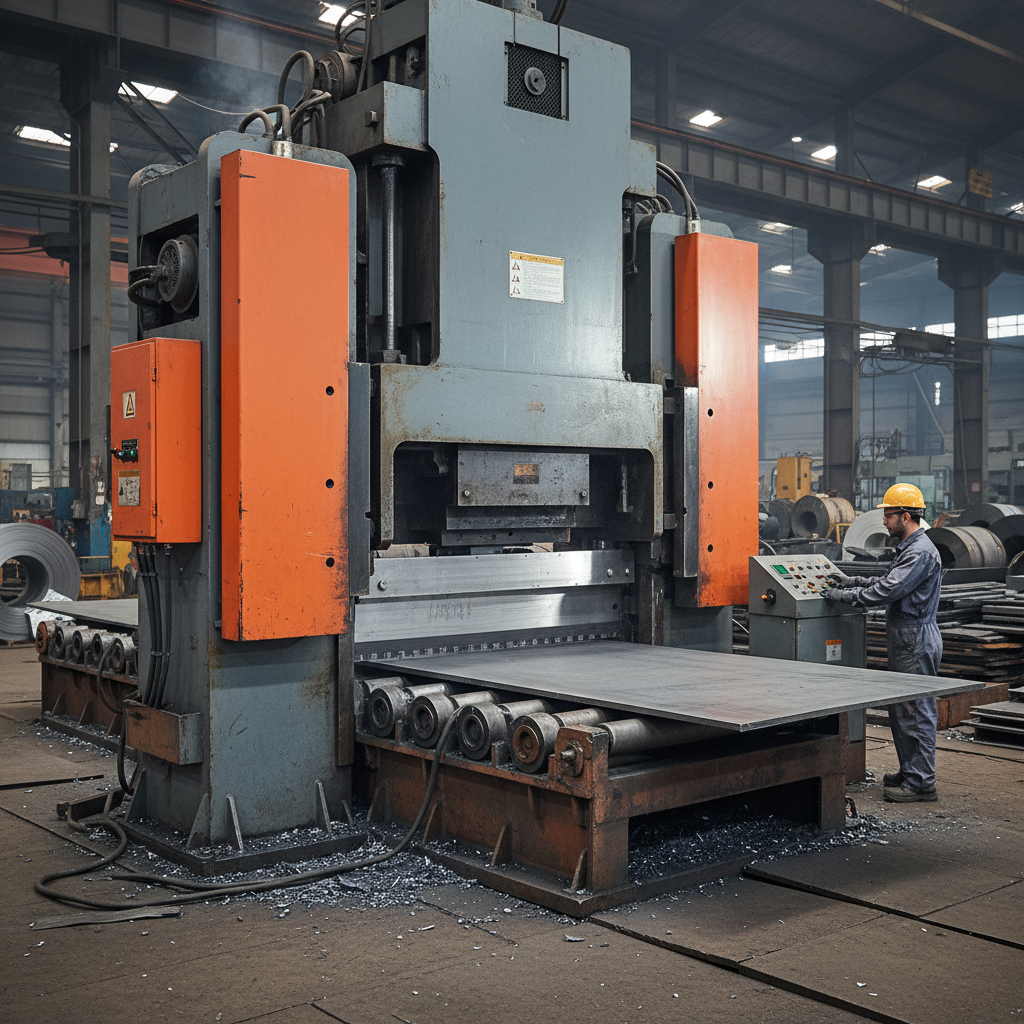
Furthermore, the integration of circular razor blade cutters into automated systems dramatically enhances productivity and reduces labor costs. These systems often incorporate sensors and feedback mechanisms to maintain optimal cutting parameters, ensuring accuracy and minimizing waste. This synergy between mechanical precision and automated control defines the cutting edge of modern manufacturing.
Circular razor blade cutters demonstrate versatility across numerous materials. Commonly cut substances include textiles (cotton, polyester, silk), paper and cardboard, foam, rubber, plastics (polyethylene, polypropylene), and even thin metals like aluminum. The appropriate blade material and cutting parameters must be selected based on the material's hardness and composition to ensure optimal performance and blade longevity. Selection of the correct cutter is paramount to achieving a clean, consistent cut without damage to either the blade or the material.
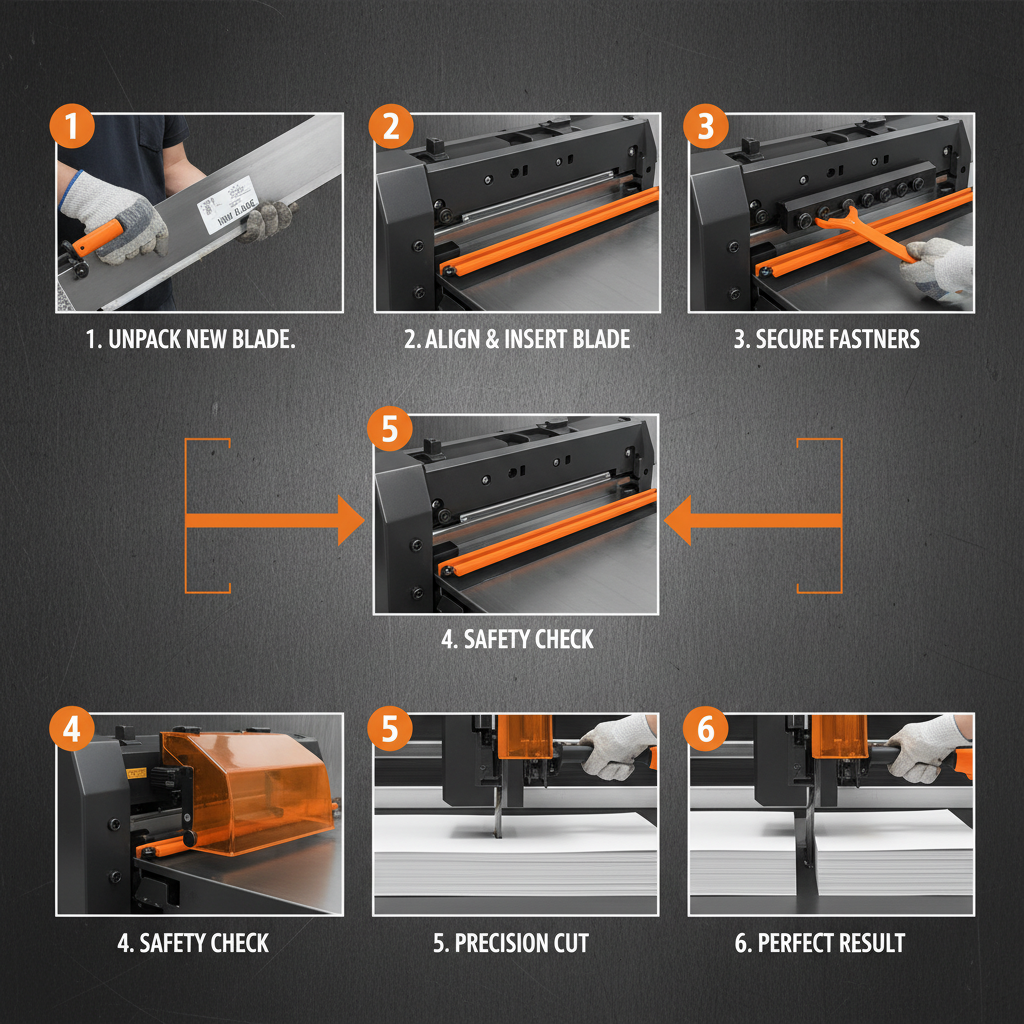
The replacement frequency of circular razor blades varies significantly based on the material being cut, the cutting speed, and the blade’s quality. Generally, blades should be replaced when noticeable dulling occurs, resulting in ragged edges or increased cutting force. Regularly inspecting the blade for chips, cracks, or corrosion is crucial. As a guideline, high-volume cutting operations may require blade changes daily, while lighter-duty applications can extend blade life to weeks or even months. Maintaining a sharp blade is key to safety and efficiency.
Safety is paramount when operating a circular razor blade cutter. Always wear appropriate personal protective equipment (PPE), including safety glasses, gloves, and hearing protection. Ensure the cutter is properly guarded and that all safety mechanisms are functional. Never attempt to adjust or repair the cutter while it's running. Maintain a safe working distance and keep hands and body parts clear of the cutting path. Thoroughly understand the cutter’s operation manual and adhere to all safety guidelines.
Absolutely. Circular razor blade cutters are frequently integrated with automated cutting systems, including CNC machines and robotic arms. This integration allows for precise, high-volume cutting with minimal human intervention. Automation enhances efficiency, reduces errors, and improves overall productivity. Modern cutting systems often incorporate sensors and feedback controls to dynamically adjust cutting parameters, optimizing performance for various materials and applications.
Regular maintenance is crucial for maximizing the lifespan of a circular razor blade cutter. This includes keeping the blade clean and free of debris, lubricating moving parts according to the manufacturer’s recommendations, and regularly inspecting the cutter for wear and tear. Proper alignment of the blade and cutting table is essential for consistent performance. Periodically sharpening the blade (if applicable) can also extend its usability.
The cost of a high-quality circular razor blade cutter varies significantly based on its size, features, and brand. Smaller, manually operated cutters can range from $100 to $500. Industrial-grade cutters with automated features and advanced controls can cost anywhere from $2,000 to $10,000 or more. The price also depends on the type of blade included, with specialized materials like ceramic or tungsten carbide adding to the overall cost. Considering the long-term benefits of increased efficiency and reduced waste is essential when evaluating the investment.
In conclusion, the circular razor blade cutter stands as a foundational technology in modern cutting processes. Its precision, versatility, and efficiency have cemented its role across diverse industries, from textiles and packaging to manufacturing and beyond. The ongoing advancements in materials science, automation, and digital integration are poised to further enhance its capabilities and expand its applications, solidifying its position as a vital tool for businesses worldwide.
Looking ahead, continued investment in research and development will unlock even greater potential for circular razor blade cutter technology. Embracing sustainable practices, such as utilizing eco-friendly blade materials and optimizing cutting processes to minimize waste, will be paramount. We encourage you to explore the benefits of incorporating this technology into your operations and visit our website at www.bsblade.com to learn more about our range of circular razor blade cutters and cutting solutions.