The demand for reliable and effective guillotine blades is a niche but critical area, serving specific industries with precision cutting needs. While historically associated with a dark past, modern guillotine blades are engineered for applications ranging from industrial paper cutting and fabric shearing to specialized forensic and scientific applications. Understanding the intricacies of guillotine blade for sale – materials, construction, and intended use – is paramount for professionals seeking quality, safety, and longevity in their cutting operations. This guide will explore the key aspects of sourcing and utilizing guillotine blades, ensuring informed decisions for optimal performance.
The global market for precision cutting tools, including guillotine blades, is driven by the need for efficiency and accuracy in diverse manufacturing processes. Economic factors, technological advancements, and evolving industry standards significantly impact the demand and innovation in this sector. The increasing focus on automation and high-volume production necessitates robust and durable blades capable of withstanding rigorous use. Access to quality guillotine blade for sale is essential for businesses maintaining competitive edge and adhering to stringent quality control protocols. The availability of specialized blades tailored to specific materials and applications is a key factor influencing purchasing decisions.
While the term "guillotine blade" may evoke historical imagery, contemporary applications prioritize safety, precision, and durability. The sourcing of guillotine blade for sale is now heavily influenced by factors like material composition, blade geometry, and manufacturing processes. Modern blades are crafted from high-quality steel alloys, often featuring advanced coatings to enhance wear resistance and corrosion protection. This commitment to engineering excellence ensures that these tools meet the rigorous demands of today's industrial landscape, offering a dependable solution for a variety of cutting needs.
The Historical Development of guillotine blade for sale
The evolution of guillotine blade for sale is a fascinating journey from its infamous origins to its current specialized applications. Initially designed for a specific and brutal purpose, the core principle of a weighted blade falling with precision remains central to its modern iterations. Early guillotine blades were relatively simple in construction, relying on the force of gravity and a robust frame for effective cutting.
Today, however, guillotine blade for sale represents a significant advancement in materials science and engineering. Modern blades are manufactured with high-grade steel alloys and undergo rigorous quality control processes. This evolution has enabled the repurposing of the guillotine principle for diverse industrial applications, focusing on clean, precise cuts for materials like paper, textiles, and plastics. The core concept has been refined to prioritize safety, efficiency, and accuracy.
Material Science in guillotine blade for sale
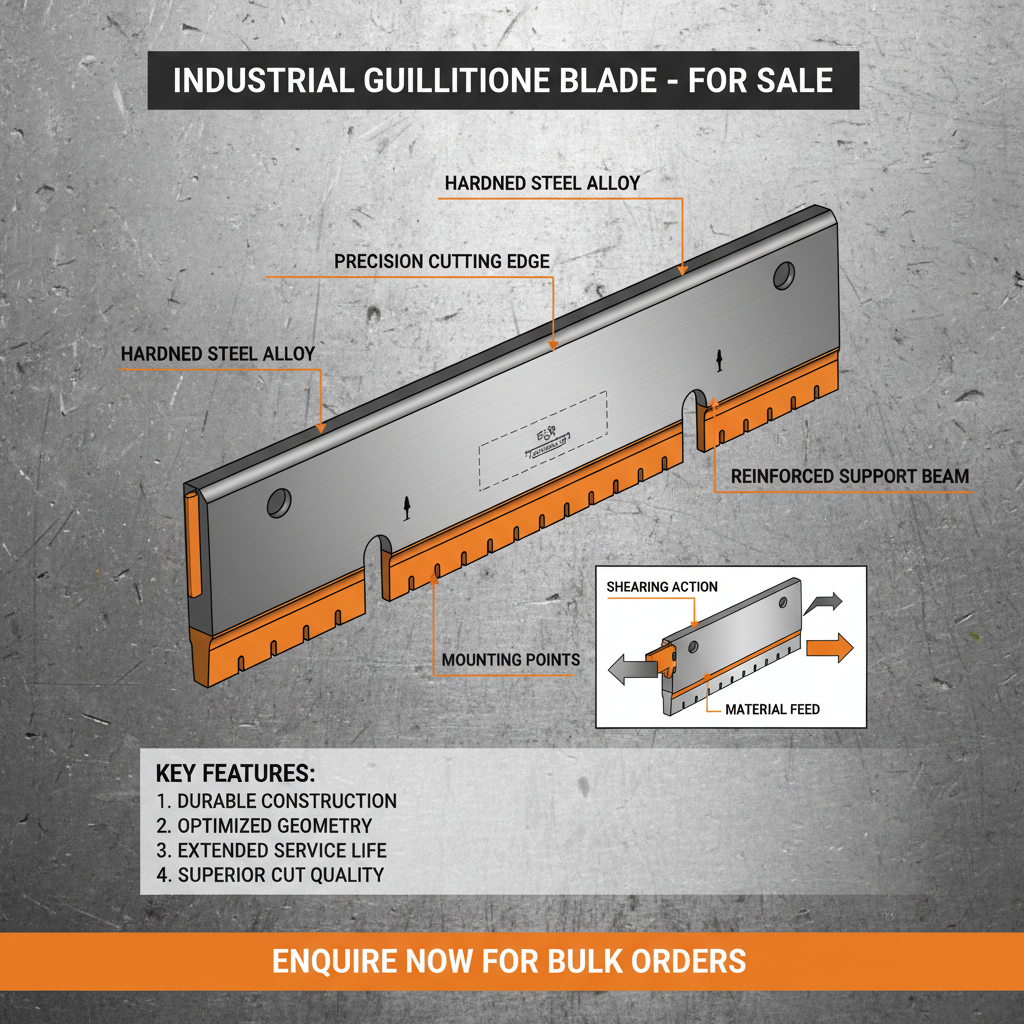
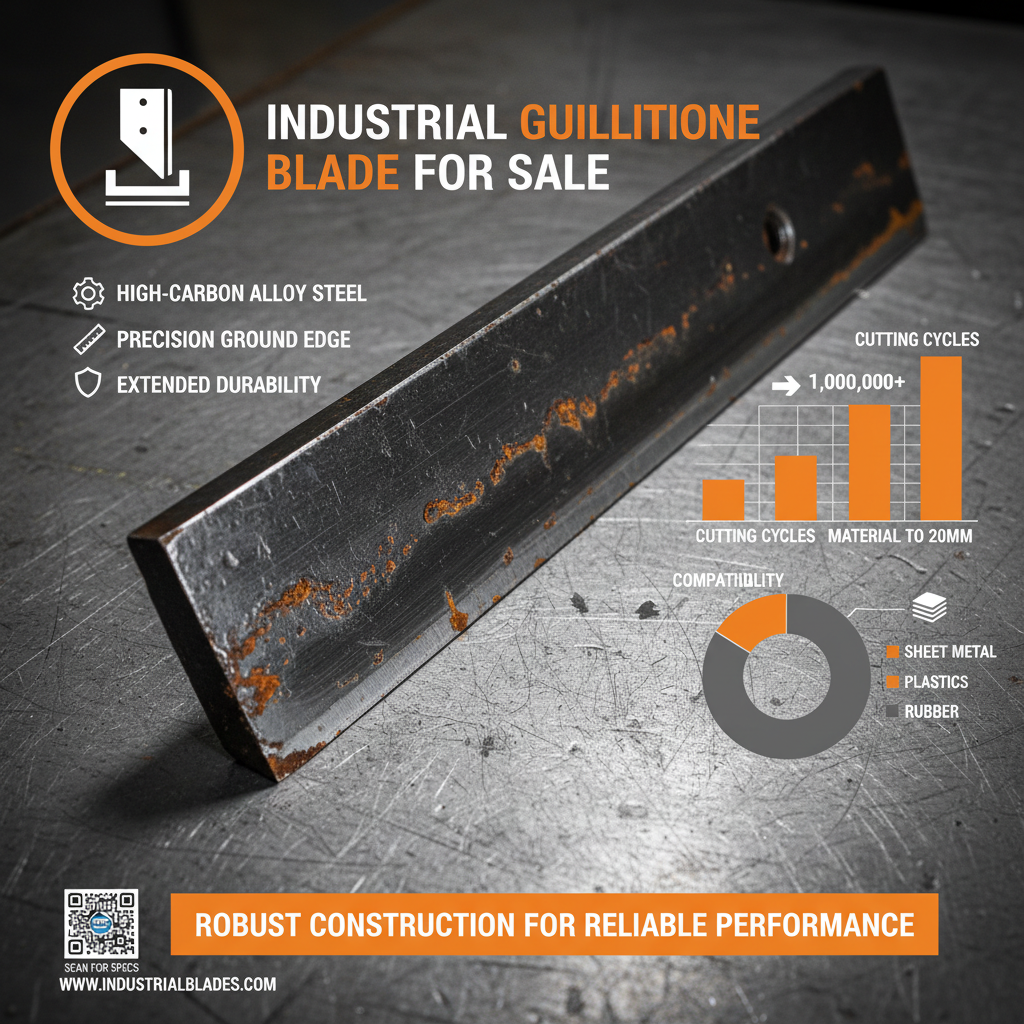
The material composition is a critical factor influencing the performance and lifespan of guillotine blade for sale. High-carbon steel remains a cornerstone material, favored for its exceptional hardness and ability to maintain a sharp edge. However, manufacturers often incorporate alloying elements like chromium, vanadium, and molybdenum to enhance properties such as wear resistance, toughness, and corrosion protection. These alloys tailor the blade’s performance to specific cutting applications.
The heat treatment process is equally vital. Proper hardening and tempering ensure the blade possesses the optimal balance between hardness and flexibility. A blade that is too brittle will chip or fracture easily, while one that is too soft will quickly dull. Modern guillotine blades frequently utilize advanced coating technologies, such as titanium nitride (TiN) or diamond-like carbon (DLC), to further reduce friction, enhance wear resistance, and prolong blade life. These coatings are particularly valuable in high-volume cutting operations.
Selecting the right material grade for guillotine blade for sale depends heavily on the materials being cut. For instance, cutting abrasive materials necessitates blades with enhanced wear resistance, while cutting softer materials may prioritize edge retention and sharpness. A thorough understanding of material properties and their interaction with the blade is crucial for maximizing cutting efficiency and minimizing downtime.
Blade Geometry and Cutting Precision
Blade geometry plays a pivotal role in determining the cutting precision and efficiency of guillotine blade for sale. The angle of the blade, its thickness, and the sharpness of its edge all contribute to the quality of the cut. A steeper blade angle generally provides greater cutting force but may require more effort to operate, whereas a shallower angle offers smoother cutting action but may struggle with thicker materials.
The blade’s edge profile is another critical consideration. A straight edge is ideal for clean, precise cuts on softer materials, while a serrated edge can provide better grip and cutting power on tougher or fibrous materials. The precision with which the blade is ground and honed is paramount; even minor imperfections can lead to inconsistent cuts and reduced blade life. Manufacturers employ sophisticated grinding and polishing techniques to achieve a consistently sharp and accurate edge.
Effective blade alignment within the guillotine mechanism is equally crucial. Misalignment can cause uneven pressure distribution, resulting in skewed cuts and premature blade wear. Regular inspection and adjustment of blade alignment are essential for maintaining optimal cutting performance.
Cost Analysis of guillotine blade for sale
The cost of guillotine blade for sale varies significantly depending on factors such as material quality, blade size, manufacturing complexity, and supplier. While cheaper blades may initially seem appealing, they often compromise on durability and cutting performance, leading to more frequent replacements and increased long-term costs. Investing in higher-quality blades can yield significant cost savings over time.
Consideration should be given to the total cost of ownership, including not only the purchase price but also maintenance costs, sharpening expenses, and potential downtime associated with blade failures. Regular sharpening can extend the life of a blade, but excessive sharpening can diminish its thickness and compromise its structural integrity. Analyzing the specific cutting requirements of your application and selecting a blade that balances cost and performance is crucial.
Cost Comparison of guillotine blade for sale by Material
Industrial Applications of guillotine blade for sale
Guillotine blade for sale finds widespread application across diverse industries. In the paper and printing industry, they are used for trimming large sheets of paper with precision. Textile manufacturers utilize them for cutting fabric rolls to specific dimensions. Packaging industries rely on these blades for cutting cardboard, plastic films, and other packaging materials.
Beyond these core applications, guillotine blades are also employed in specialized fields like bookbinding, leatherworking, and even in certain forensic science applications where precise sample cutting is required. The versatility of guillotine blade for sale stems from its ability to deliver clean, accurate cuts across a wide range of materials, making it an indispensable tool in numerous manufacturing processes.
Durability and Maintenance of guillotine blade for sale
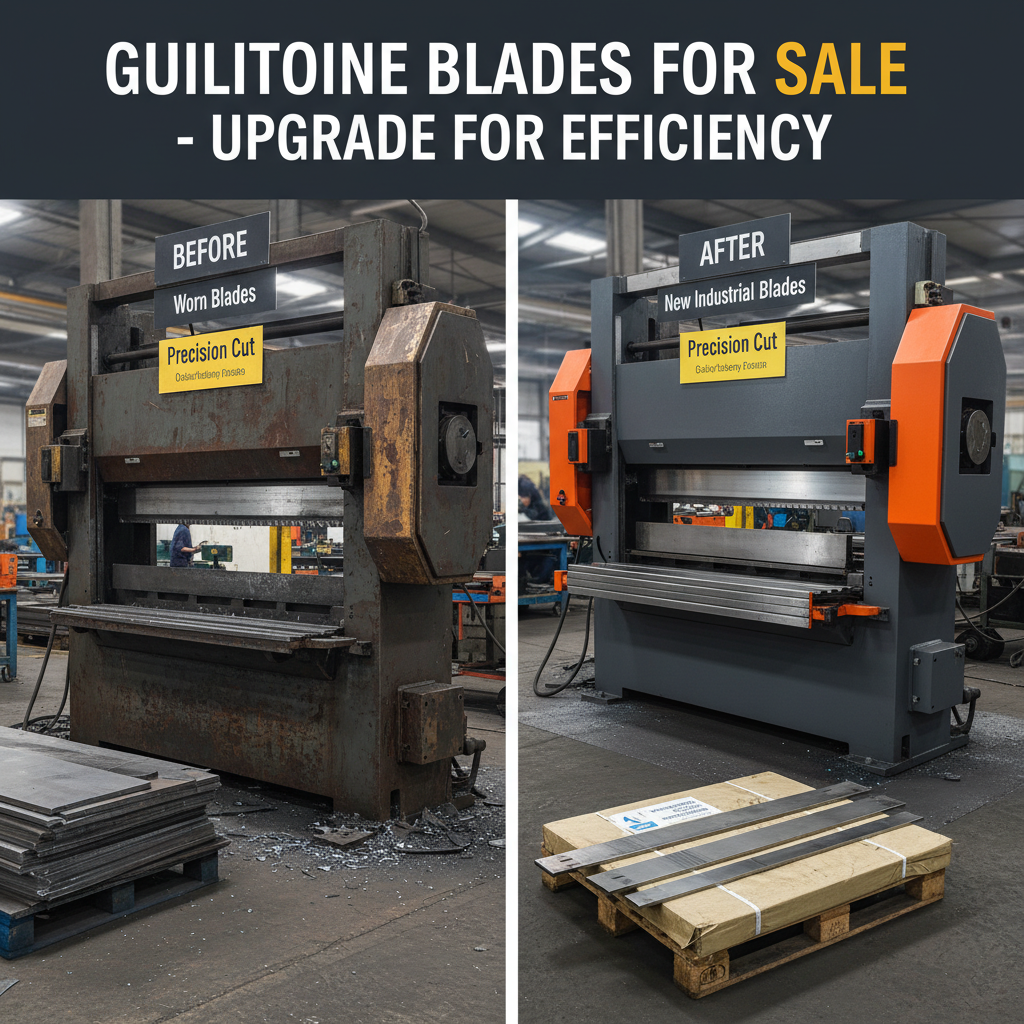
The durability of guillotine blade for sale is paramount for sustained performance and cost-effectiveness. Proper maintenance practices are crucial for maximizing blade life and ensuring consistent cutting quality. Regular cleaning is essential to remove debris and prevent corrosion. Lubrication can reduce friction and minimize wear.
Sharpening is a critical aspect of blade maintenance, but it should be performed by skilled professionals using appropriate sharpening equipment. Excessive or improper sharpening can damage the blade and reduce its lifespan. Periodic inspection for cracks, chips, or other signs of damage is also vital. Prompt replacement of damaged blades prevents accidents and ensures optimal cutting performance.
The Future of guillotine blade for sale Technology
The future of guillotine blade for sale lies in the development of advanced materials, coatings, and blade geometries. Research is ongoing to explore the use of new alloys with enhanced wear resistance and toughness. Nanomaterials and advanced coating technologies hold promise for further reducing friction and extending blade life.
The integration of smart sensors and data analytics is also emerging as a key trend. These technologies can monitor blade wear, predict maintenance needs, and optimize cutting parameters. Automation and robotics are increasingly being incorporated into guillotine cutting systems, enhancing efficiency and precision. These innovations will contribute to more sustainable and cost-effective cutting solutions.
Furthermore, a growing emphasis on eco-friendly materials and manufacturing processes is driving the development of more sustainable guillotine blade solutions. This includes exploring the use of recycled materials and minimizing waste generation during blade production.
Summary of Key Considerations for Guillotine Blade Selection
| Material Composition |
Blade Geometry |
Cost Analysis |
Maintenance Requirements |
| High-carbon steel offers excellent hardness but limited corrosion resistance. |
A steeper blade angle provides greater cutting force for thicker materials. |
Initial cost is lower for carbon steel, but long-term costs may be higher due to frequent replacement. |
Regular cleaning and lubrication are essential for all guillotine blade for sale. |
| Alloy steels offer improved toughness and wear resistance. |
A shallower blade angle provides smoother cutting for softer materials. |
Alloy steel blades represent a balance between cost and performance. |
Professional sharpening is recommended to maintain optimal blade edge. |
| High-speed steel retains sharpness at high temperatures. |
Serrated edges provide better grip on fibrous materials. |
High-speed steel blades offer excellent durability, justifying a higher price. |
Inspect blades regularly for cracks or chips. |
| Titanium-coated blades provide exceptional wear resistance. |
Straight edges are ideal for clean, precise cuts on softer materials. |
Titanium-coated blades are a premium option with the highest initial cost. |
Proper blade alignment is critical for consistent cutting results. |
| Ceramic blades offer excellent corrosion resistance. |
Blade thickness affects cutting force and precision. |
Ceramic blades are often used in specialized applications requiring high precision. |
Replace damaged blades immediately to prevent accidents. |
| Consider the specific material being cut when selecting the blade material. |
Proper blade geometry maximizes cutting efficiency and minimizes waste. |
Evaluate the total cost of ownership, including maintenance and replacement. |
Adhere to manufacturer's recommendations for blade maintenance. |
FAQS
For paper cutting, high-carbon steel or alloy steel blades are generally recommended. These materials offer a good balance of sharpness, durability, and cost-effectiveness. Consider a blade with a polished edge for clean cuts and minimal paper dust. The optimal blade thickness will depend on the volume and thickness of paper being cut. Regular sharpening is crucial to maintain cutting performance.
The frequency of sharpening depends on the type of material being cut and the volume of use. As a general guideline, a blade should be sharpened whenever you notice a decrease in cutting quality, such as tearing or ragged edges. For high-volume operations, sharpening may be necessary every few weeks, while for occasional use, sharpening once or twice a year may suffice. Professional sharpening is recommended to ensure optimal edge geometry.
Always wear appropriate safety glasses or a face shield to protect your eyes from flying debris. Keep hands and fingers clear of the blade's path. Ensure the cutter is properly maintained and that all safety mechanisms are functioning correctly. Never attempt to cut materials that exceed the cutter’s capacity. Follow the manufacturer’s instructions carefully.
Inspect the blade regularly for any signs of damage, such as chips, cracks, or excessive wear. A dull or nicked blade can also be a sign of damage. If you notice any of these issues, replace the blade immediately to prevent accidents and ensure consistent cutting performance. Do not attempt to repair a damaged blade.
Manual guillotine cutters require the operator to apply physical force to lower the blade, while powered cutters utilize an electric motor for automated operation. Powered cutters are generally faster and more efficient, especially for high-volume cutting. However, manual cutters are often more affordable and require less maintenance. The choice depends on your specific needs and budget.
High-quality guillotine blade for sale can be sourced from reputable industrial cutting tool suppliers. Look for suppliers that offer a wide selection of blades, provide detailed product specifications, and offer excellent customer support. Consider checking online marketplaces or contacting manufacturers directly for the best deals. Visit Mechblades.com for a comprehensive range of options.
Conclusion
In conclusion, the selection and maintenance of guillotine blade for sale are crucial for ensuring efficient, accurate, and safe cutting operations across a wide range of industries. Understanding the nuances of material science, blade geometry, and cost analysis empowers professionals to make informed decisions that optimize performance and minimize long-term expenses. Investing in quality blades and implementing regular maintenance routines are essential for maximizing blade lifespan and upholding cutting precision.
Looking ahead, advancements in materials, coating technologies, and automation promise to further enhance the capabilities and sustainability of guillotine blade for sale. By embracing these innovations, businesses can unlock new levels of efficiency, productivity, and environmental responsibility. For reliable and expertly crafted guillotine blades, explore the options available at www.bsblade.com, your trusted partner in precision cutting solutions.