See us at E-Waste World Expo 2026 ( Booth D136 ) June 17-18th , Messe Frankfurt, Germany

Guillotine blades for sale represent a niche, yet historically significant, market. While the guillotine itself is largely a relic of the past, the demand for high-quality, precisely engineered blades persists in specialized applications, including historical reenactments, theatrical productions, and, surprisingly, certain industrial cutting processes. Understanding the specifications, materials, and suppliers of these blades is crucial for collectors, performers, and industries requiring exceptionally sharp and durable cutting tools. This exploration will delve into the intricacies of guillotine blades for sale, highlighting their construction, applications, and the factors driving their continued availability.
The global landscape of guillotine blades for sale is surprisingly diverse, despite the limited overall demand. Manufacturers are concentrated in countries with established metalworking industries, such as Germany, France, and the United States, as well as emerging markets like China and India. Regulations surrounding the sale and ownership of these blades vary significantly by country, often mirroring restrictions on other potentially dangerous weapons. The market is driven by a combination of historical interest, niche entertainment needs, and specialized industrial applications, making it a unique segment within the broader cutting tool industry.
Navigating this market requires careful consideration of blade quality, authenticity (for collectors), and legal compliance. The availability of guillotine blades for sale online has increased accessibility, but also introduces risks of purchasing substandard or illegally obtained products. Therefore, sourcing from reputable suppliers and verifying the blade’s origin and materials is paramount.
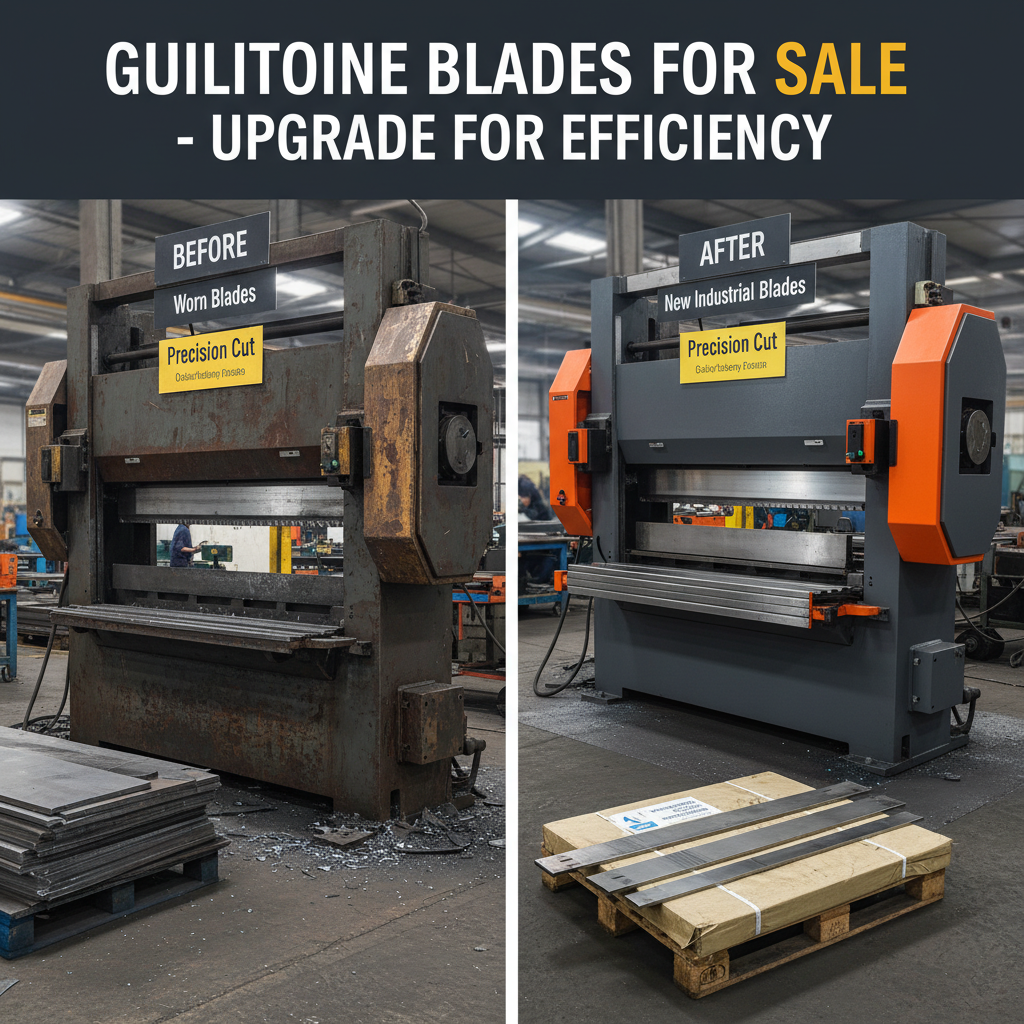
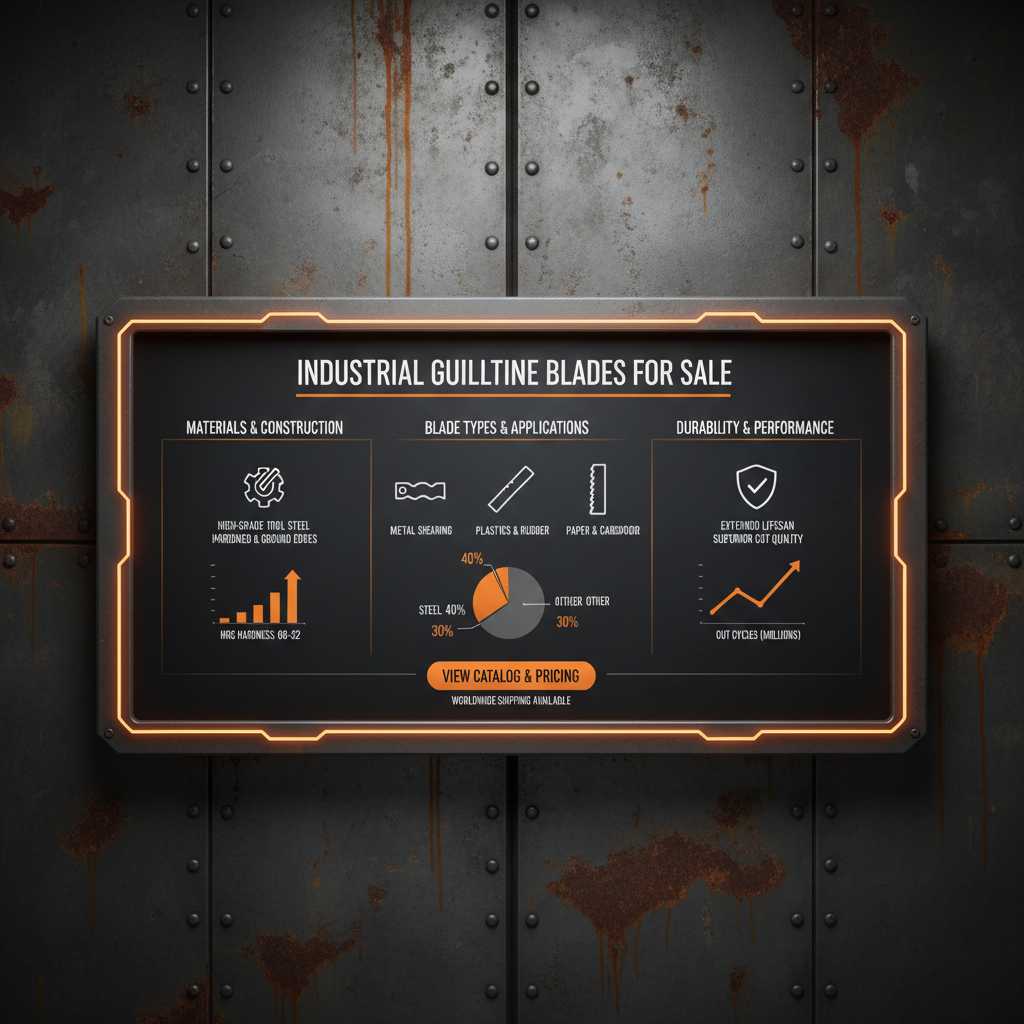
The market for guillotine blades for sale is a peculiar intersection of history, craftsmanship, and specific niche applications. These blades, synonymous with the French Revolution, continue to be manufactured and sold today, albeit in limited quantities. Understanding the specific requirements of buyers – whether historical reenactors, theatrical prop masters, or industries needing precision cutting – is key to navigating this unusual marketplace. The demand is not driven by widespread need, but rather by specialized interests and a desire for historically accurate or exceptionally sharp tools.
While the image of the guillotine evokes a dark past, the blades themselves represent a high degree of metallurgical expertise. Modern guillotine blades for sale are often crafted from high-carbon steel, carefully heat-treated and tempered to achieve optimal sharpness and durability. The crafting process requires skilled artisans capable of maintaining tight tolerances and ensuring the blade’s structural integrity. The ongoing production highlights the enduring demand for specialized cutting tools and the continued relevance of traditional metalworking techniques.
Historically, guillotine blades were constructed from high-carbon steel, often specifically Swedish iron known for its strength and edge retention. Modern reproductions also utilize high-carbon steel, with some manufacturers experimenting with advanced alloys to improve durability and sharpness. The key is a material capable of being hardened and tempered to a Rockwell hardness of 50-60 HRC to achieve a lasting, precise edge. The steel's composition is vital for ensuring the blade can withstand repeated use and maintain its cutting performance.
Yes, legal restrictions vary significantly depending on your location. Many jurisdictions classify guillotine blades as weapons and regulate their sale, ownership, and import/export. Some areas may require permits or licenses, while others may outright prohibit their possession. It is the buyer's responsibility to fully research and comply with all applicable local, state, and federal laws before purchasing a guillotine blade. Failure to do so could result in legal penalties.
Authenticating a guillotine blade can be challenging. Look for hallmarks or markings indicating the manufacturer or period of origin. Research the blade's provenance, tracing its history of ownership. Consult with experts in historical weaponry or metallurgy for professional appraisal. Be wary of blades lacking documentation or with questionable origins. A certificate of authenticity from a reputable source is highly recommended, but even then, careful examination and verification are essential.
The cost of guillotine blades for sale varies significantly based on authenticity, age, condition, and manufacturer. Historically accurate reproductions can range from $500 to $2,000 or more. Antique blades, if genuine and in good condition, can fetch significantly higher prices, potentially exceeding $5,000. Modern, commercially produced blades for industrial applications are typically less expensive, ranging from $200 to $800 depending on size and material.
Guillotine blades are extremely sharp and inherently dangerous. Always wear appropriate personal protective equipment (PPE), including cut-resistant gloves, eye protection, and sturdy clothing. Handle the blade with extreme care, keeping hands and body parts clear of the cutting edge. Never attempt to test the blade’s sharpness on your own body. Store the blade securely in a locked container to prevent accidental injury. Proper handling and storage are crucial for ensuring safety.
While originally designed for a specific purpose, the geometry of guillotine blades can be adapted for certain industrial cutting applications requiring exceptionally clean and precise cuts. They are particularly suitable for materials like rubber, plastics, and some textiles. However, modifications may be necessary to ensure safety and compatibility with industrial machinery. Consulting with a cutting tool specialist is recommended before using a guillotine blade in an industrial setting.
In conclusion, the market for guillotine blades for sale represents a fascinating intersection of history, craftsmanship, and specialized applications. Despite its niche nature, the demand persists due to historical reenactment, theatrical productions, and certain industrial cutting processes. Understanding the core components, legal considerations, and potential risks associated with these blades is crucial for both buyers and sellers. The long-term value lies in their historical significance, durability, and the potential for future innovation in materials and manufacturing techniques.
Looking ahead, the guillotine blade market will likely evolve with advancements in metallurgy and digital fabrication. Maintaining authenticity, ensuring legal compliance, and prioritizing safety will remain paramount. For those seeking a unique piece of history or a specialized cutting tool, sourcing from reputable suppliers and conducting thorough research are essential. Visit our website at www.bsblade.com to explore our selection of high-quality guillotine blades for sale.