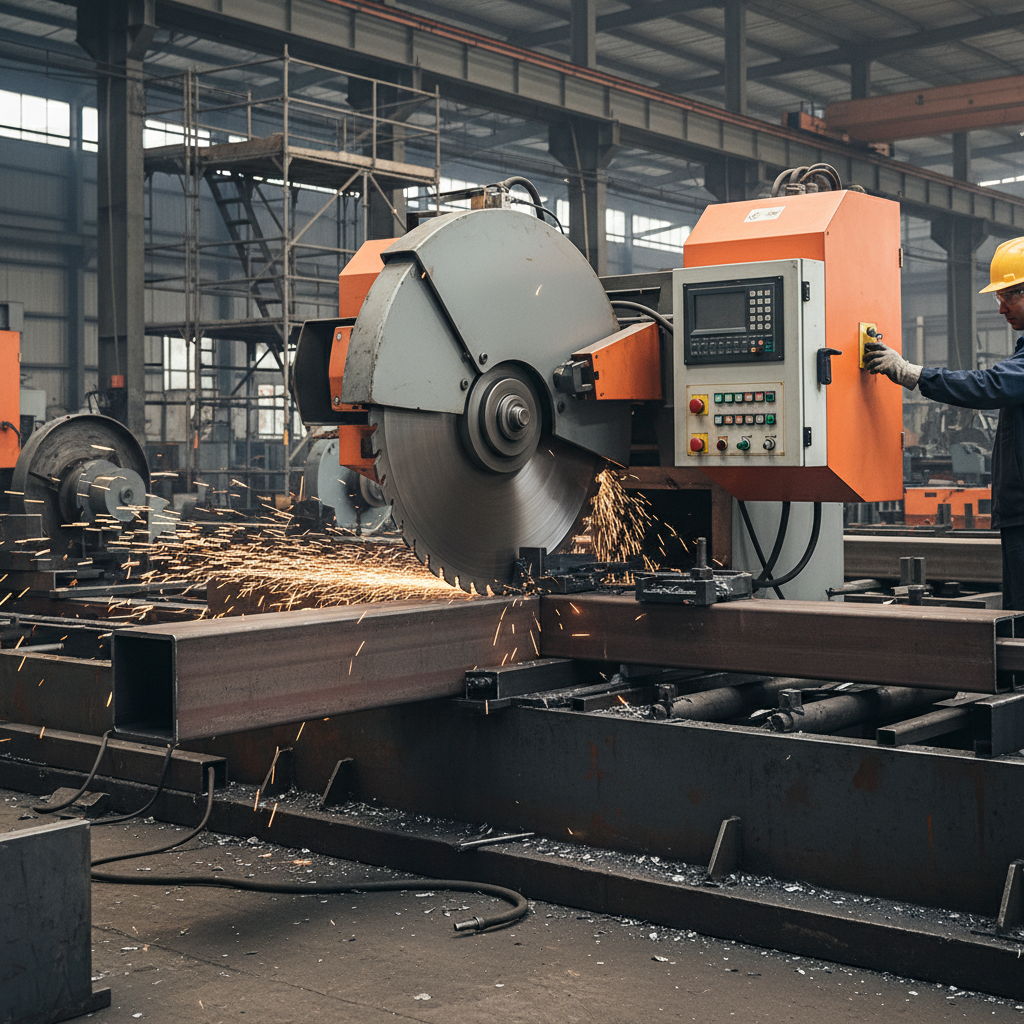
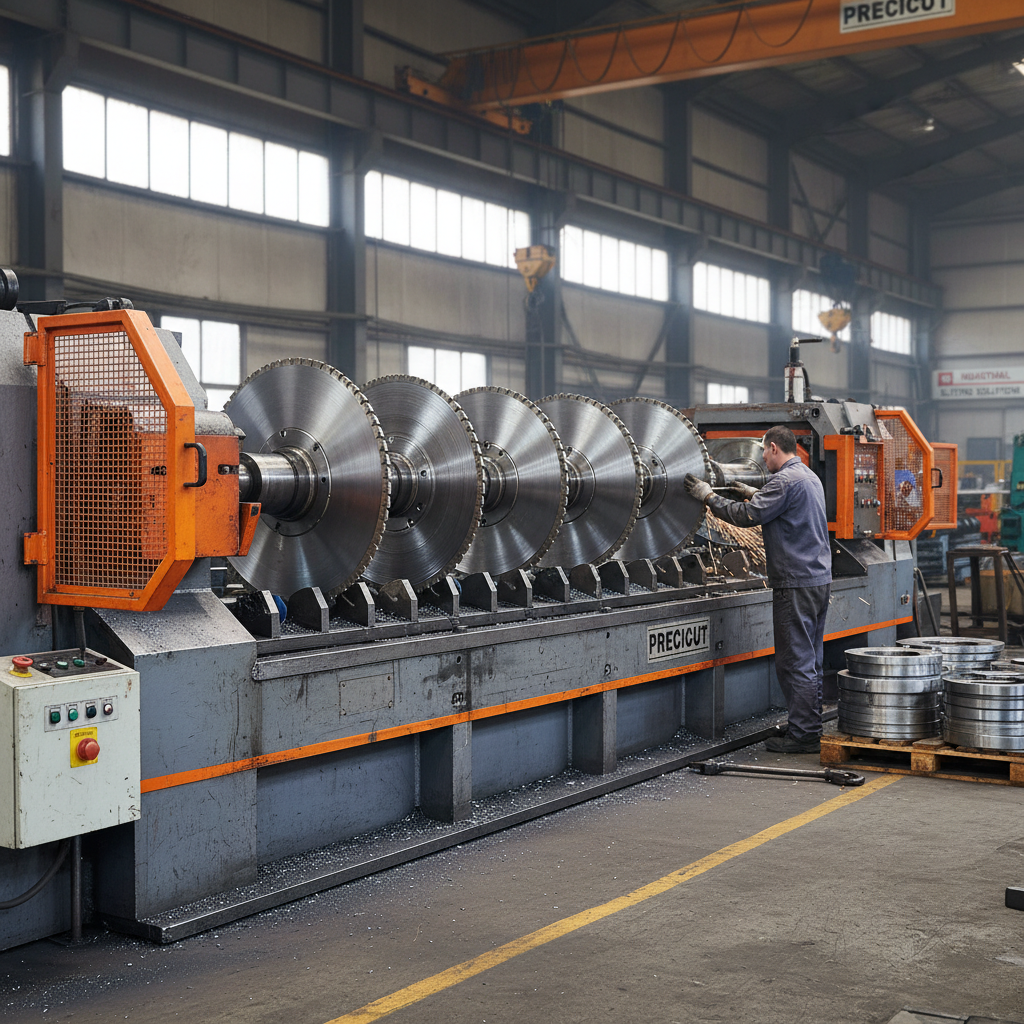
In the demanding world of industrial fabrication, the precision and durability of cutting tools define the efficiency of the entire production line. The round saw cutter stands as a cornerstone of this process, offering a versatile solution for slicing through everything from high-density plastics to reinforced steel. Understanding the nuances of these tools is not just about choosing a blade, but about optimizing material yield and reducing operational downtime.
Globally, the shift toward automated manufacturing has placed a premium on tooling that can maintain tight tolerances over thousands of cycles. Whether it is in the automotive sector or the aerospace industry, the implementation of a high-performance round saw cutter ensures that components are cut with surgical precision, minimizing the need for secondary finishing processes and reducing waste.
For procurement managers and engineers, the challenge lies in balancing the initial cost of the tool with its long-term lifecycle value. By focusing on advanced metallurgy and geometric design, the modern round saw cutter addresses the critical needs of sustainability and cost-efficiency, making it an indispensable asset in any modern machining facility.
Global Industry Context of Round Saw Cutters
The global industrial landscape is currently undergoing a massive transition toward high-precision, low-waste manufacturing. According to ISO standards for tooling and machining, the demand for specialized cutting equipment has surged as industries move toward "Just-in-Time" production. The round saw cutter plays a pivotal role in this ecosystem, enabling the rapid processing of raw materials into precise blanks for further assembly.
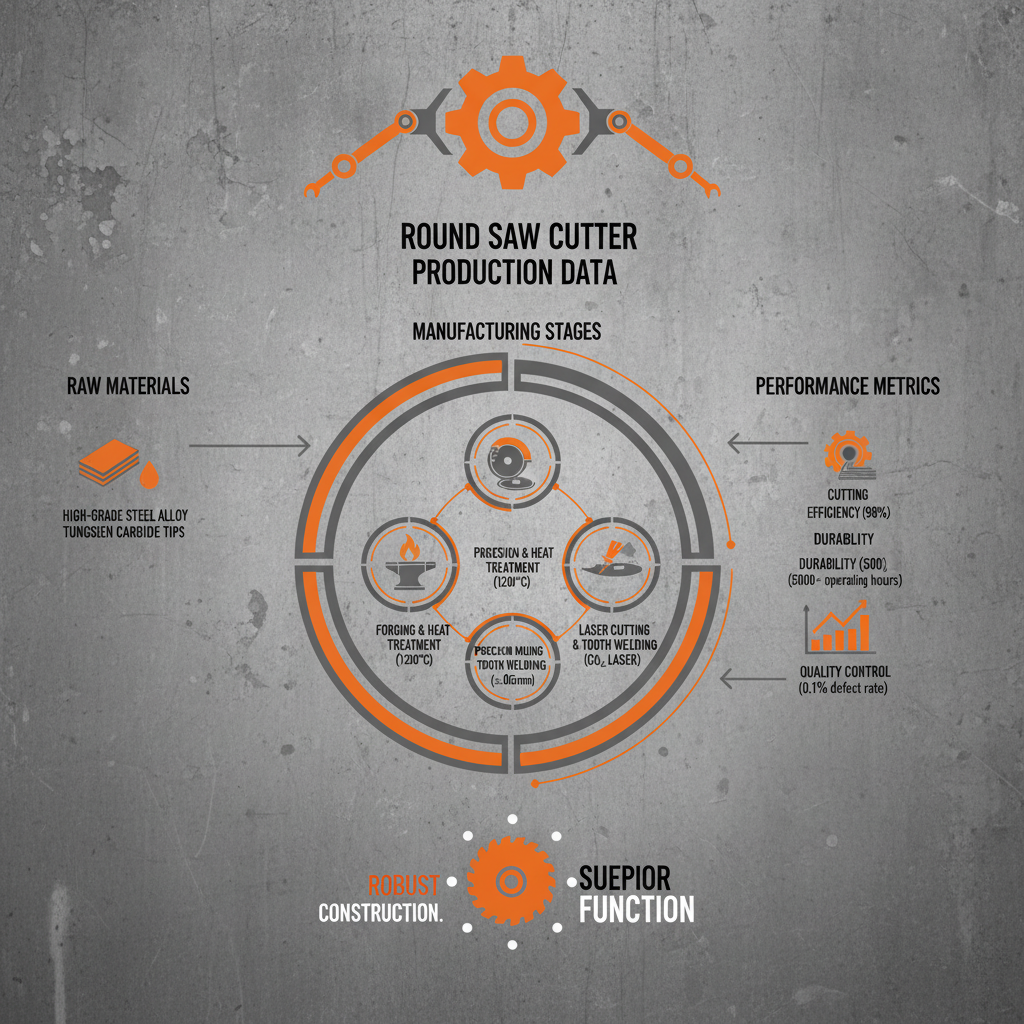
However, many factories still struggle with premature tool wear and inconsistent cut quality, which can lead to significant financial losses. By integrating advanced tungsten carbide and cobalt-alloyed steels, the modern round saw cutter solves the problem of thermal degradation, ensuring that high-speed cutting does not compromise the structural integrity of the workpiece.
Defining the Round Saw Cutter in Modern Tooling
In its simplest terms, a round saw cutter is a circular cutting tool characterized by a series of precisely engineered teeth along its periphery, designed to remove material through a rotational shearing action. Unlike linear blades, the round geometry allows for continuous operation and high-velocity feed rates, which are essential for high-volume industrial output.
Beyond the mechanical definition, these tools are the "silent workhorses" of the general equipment manufacturing sector. They bridge the gap between raw bulk material and refined components. Whether used in the plastic processing industry or for steel rolls in mills, the cutter's ability to maintain a perpendicular cut under extreme pressure is what defines its industrial value.
In the context of humanitarian and infrastructure needs, such as the rapid assembly of modular housing or medical device components, the reliability of a round saw cutter ensures that materials are processed quickly and accurately, reducing the time it takes to deploy critical resources in emergency zones.
Core Components for Maximum Tool Performance
Durability is the first pillar of any professional round saw cutter. The selection of the substrate material—typically a high-grade tool steel or a cemented carbide—determines how well the blade resists abrasive wear and chipping during heavy-duty cycles.
Thermal Stability is equally critical. During high-speed rotation, a round saw cutter generates immense friction heat. Advanced heat-treatment processes and specialized coatings, such as TiN (Titanium Nitride), are employed to prevent the blade from softening or warping under thermal stress.
Precision Geometry, including the tooth rake angle and clearance, ensures that the round saw cutter slices through the material rather than pushing it. This minimizes vibration and "chatter," resulting in a smoother surface finish that eliminates the need for expensive grinding or polishing.
Performance Metrics Across Different Materials
Evaluating the effectiveness of a round saw cutter requires a deep dive into how different material compositions react to the cutting edge. For instance, cutting soft plastics requires a high tooth count to avoid tearing, whereas cutting hardened steel demands a robust, shock-resistant edge to prevent catastrophic failure.
The balance between speed and tool life is a constant optimization problem. By analyzing the wear rate of various cutter configurations, engineers can determine the "sweet spot" where production throughput is maximized without exponentially increasing the cost of tool replacements.
Material Processing Efficiency of Round Saw Cutter Variants
Global Applications and Strategic Use Cases
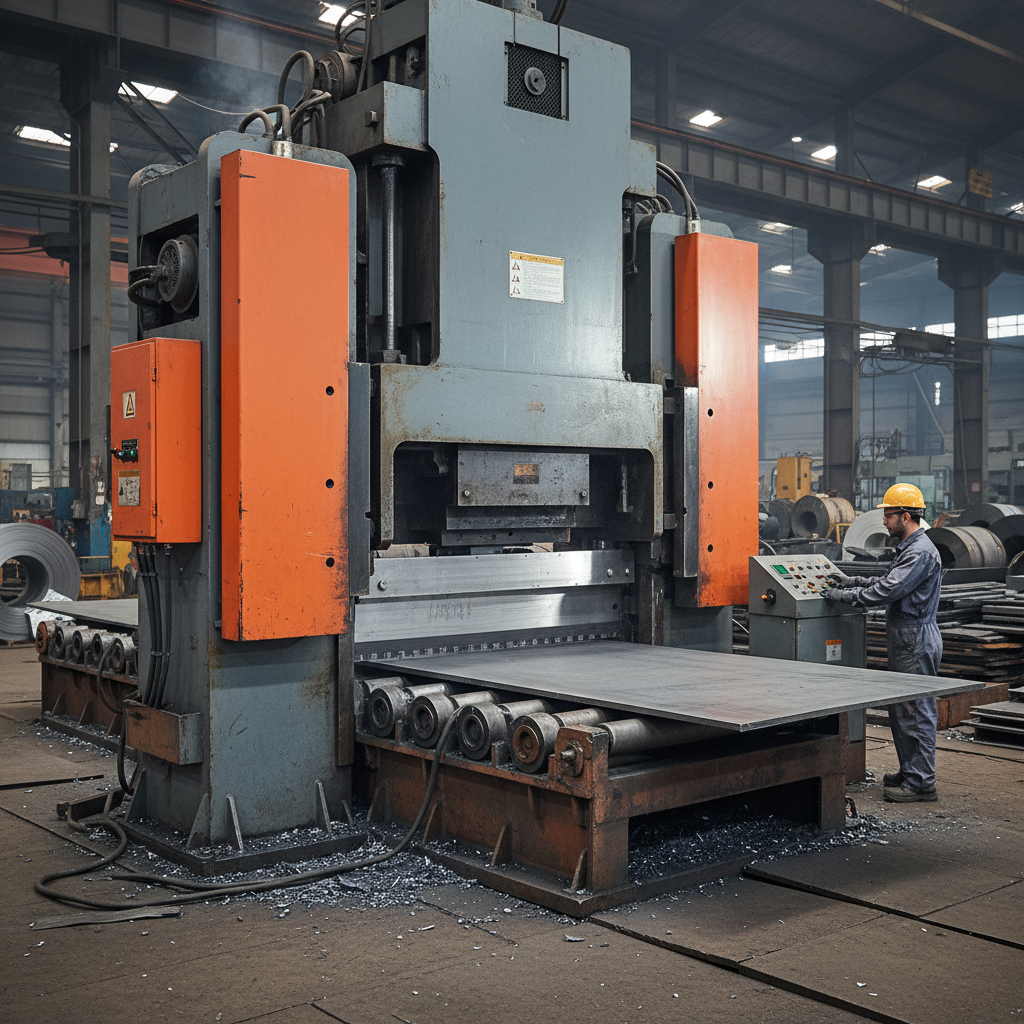
The application of the round saw cutter spans across diverse industrial zones. In the rubber and paper industries, these cutters are used to slice through massive rolls of material with high consistency, ensuring that the final product meets strict width tolerances. In the mining industry, reinforced crushing knives based on round saw designs are used to break down large mineral ores.
Beyond heavy industry, these tools are critical in the food processing sector, where stainless steel versions of the round saw cutter are used to cut frozen proteins or hard vegetables. In these environments, the focus shifts from raw power to hygiene and corrosion resistance, proving that the round saw concept is adaptable to any operational constraint.
Long-Term Value and Operational Advantages
Investing in a high-quality round saw cutter provides a tangible return on investment through reduced scrap rates. When a tool maintains its edge, the resulting cuts are cleaner, reducing the amount of material wasted during the "facing" or "squaring" stages of production.
From a safety perspective, a sharp and well-balanced cutter reduces the risk of "kickback" and mechanical failure, protecting the operators and the machinery. This creates a culture of trust and reliability on the shop floor, where employees can operate high-speed equipment with confidence.
Furthermore, the sustainability angle cannot be ignored. A durable round saw cutter that can be reground and resharpened multiple times reduces the environmental footprint associated with the production and disposal of low-grade, disposable tooling.
Future Trends and Material Innovations
The future of the round saw cutter is being shaped by the digital transformation of the factory floor. We are seeing the integration of "smart sensors" within the tool holder that can monitor vibration and heat in real-time, alerting operators to tool wear before a failure occurs.
Material science is also pushing boundaries with the introduction of polycrystalline diamond (PCD) and cubic boron nitride (CBN) edges. These materials allow a round saw cutter to operate at speeds previously thought impossible, while maintaining an edge that is virtually impervious to wear.
As automation and AI-driven CNC machining become the norm, the round saw cutter will evolve into a fully optimized component of a closed-loop system, where the tool's parameters are automatically adjusted based on the density and hardness of the incoming material.
Comparative Analysis of Round Saw Cutter Material Technologies
| Material Grade |
Wear Resistance |
Heat Tolerance |
Typical Application |
| Standard Tool Steel |
Low (4/10) |
Moderate (5/10) |
General Wood/Soft Plastic |
| HSS (High Speed Steel) |
Medium (6/10) |
High (7/10) |
Mild Steel / Aluminum |
| Tungsten Carbide |
High (9/10) |
Very High (8/10) |
Hardened Steel / Composites |
| Cobalt Alloy |
Medium-High (7/10) |
Extreme (9/10) |
Heat-Resistant Superalloys |
| PCD (Diamond) |
Extreme (10/10) |
High (8/10) |
Abrasive Plastics / Ceramics |
| CBN (Boron Nitride) |
Extreme (10/10) |
Extreme (10/10) |
Case-Hardened Steels |
FAQS
Selection depends entirely on the material. For hard materials like steel, a lower tooth count with a larger gullet is necessary to clear chips and prevent clogging. For soft materials like plastics or rubber, a higher tooth density ensures a smooth, tear-free finish. Always consider the "chip load" to avoid overheating the blade.
Lifespan varies wildly based on the material. A standard HSS cutter may need sharpening every few hundred cuts in mild steel, whereas a PCD-tipped cutter can last for thousands of cycles in abrasive plastics. Regular lubrication and correct spindle speeds are the most effective ways to extend tool life.
Most professional-grade cutters are designed to be resharpened. Whether using a CNC grinding machine or manual sharpening, restoring the edge angle can bring the tool back to original performance. However, once the carbide tip is worn down to the substrate, replacement is mandatory.
Excessive heat causes thermal expansion of both the blade and the workpiece. This can lead to "wandering," where the cutter deviates from the intended path, resulting in tapered edges or dimensional inaccuracies. Using coolant or choosing a heat-stable material like Cobalt is essential for precision.
Key indicators include an increase in cutting noise (chatter), visible burrs on the edges of the cut material, increased power draw from the motor, and a noticeable decrease in cutting speed. If the surface finish becomes rough, the tool has likely lost its keen edge.
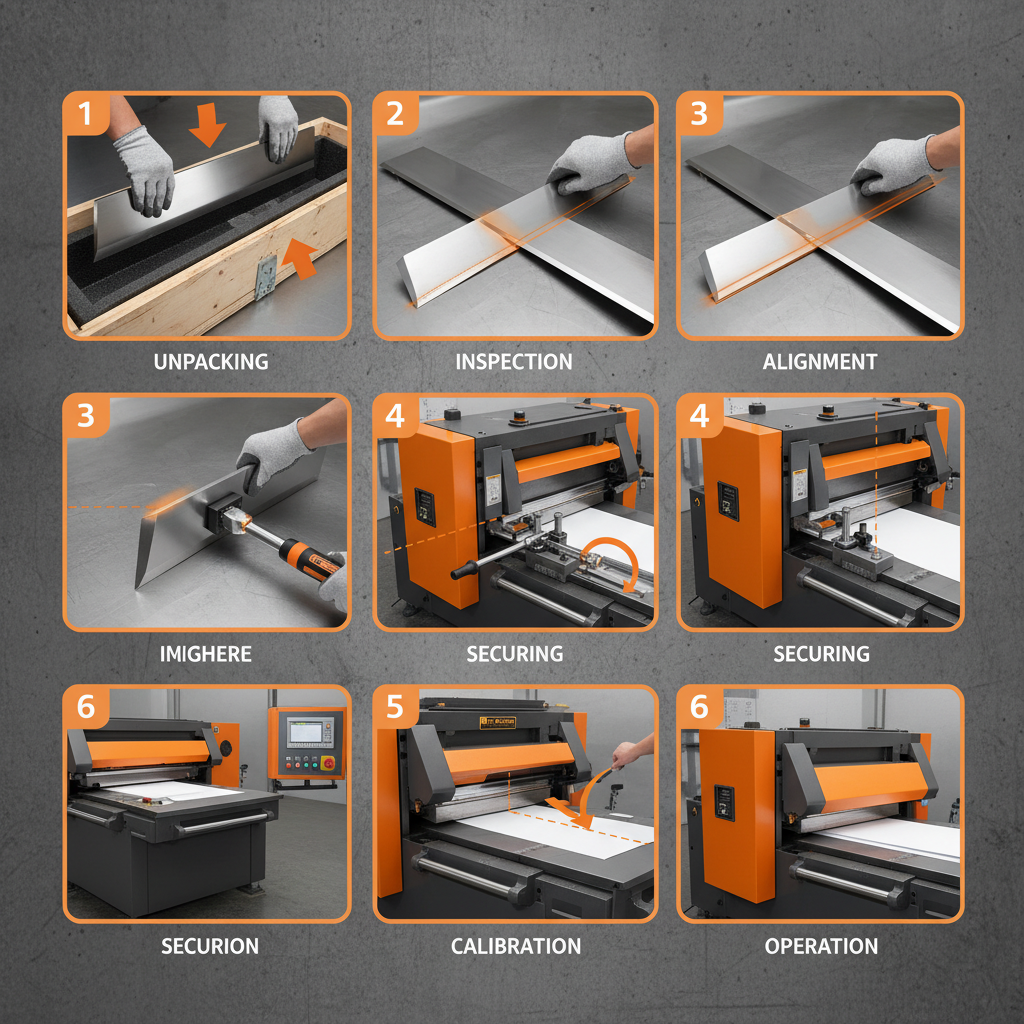
Both have advantages. The round saw is generally faster and provides better perpendicular accuracy. However, because it operates at higher RPMs, it requires more stringent guarding and safety protocols. When properly installed in a CNC environment, it is an incredibly safe and efficient solution.
Conclusion
The round saw cutter is far more than a simple piece of industrial hardware; it is a precision instrument that enables the scalability and quality of modern manufacturing. From the careful selection of carbide substrates to the implementation of advanced coatings and digital monitoring, every aspect of the tool's design contributes to a more efficient, sustainable, and safer production environment.
As we move toward an era of Industry 4.0, the synergy between material science and automation will continue to redefine the capabilities of cutting tools. For businesses looking to optimize their output, investing in high-grade tooling and a rigorous maintenance schedule is the most reliable path to long-term profitability. Visit our website for more professional solutions: www.bsblade.com