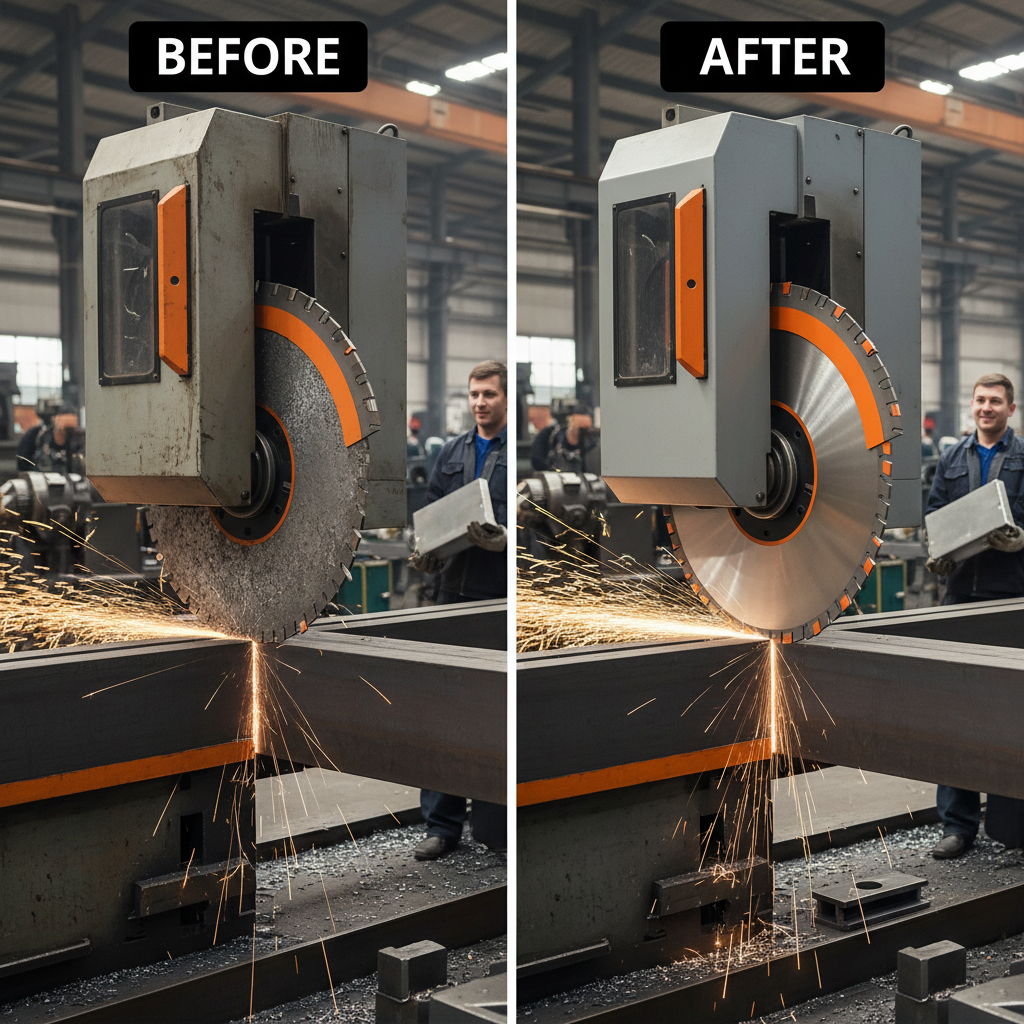
Slitter blades for rubber are essential components in numerous industrial processes, ensuring precise and efficient cutting of rubber materials. Their importance spans across sectors from automotive tire manufacturing to the production of seals, gaskets, and conveyor belts. The demand for high-quality slitter blades is continuously increasing due to the growing rubber industry and the need for enhanced productivity and minimal waste. Understanding the nuances of these blades—materials, geometries, and maintenance—is crucial for maximizing operational efficiency and product quality.
Globally, the rubber industry is a multi-billion dollar market, driven by the demand from the automotive, construction, and healthcare sectors. According to data from the International Rubber Study Group (IRSG), global rubber consumption is projected to continue its upward trajectory. Slitter blades are a critical, yet often overlooked, component in this supply chain. Inefficient or dull blades lead to increased downtime, material waste, and ultimately, higher production costs, posing a significant challenge for manufacturers worldwide.
The adoption of advanced slitter blade technologies and materials is becoming increasingly vital for businesses aiming to maintain a competitive edge in the global market. Investing in high-performance slitter blades translates directly to improved product quality and reduced operational expenses, making it a strategic investment for long-term success.
Introduction to slitter blade for rubber
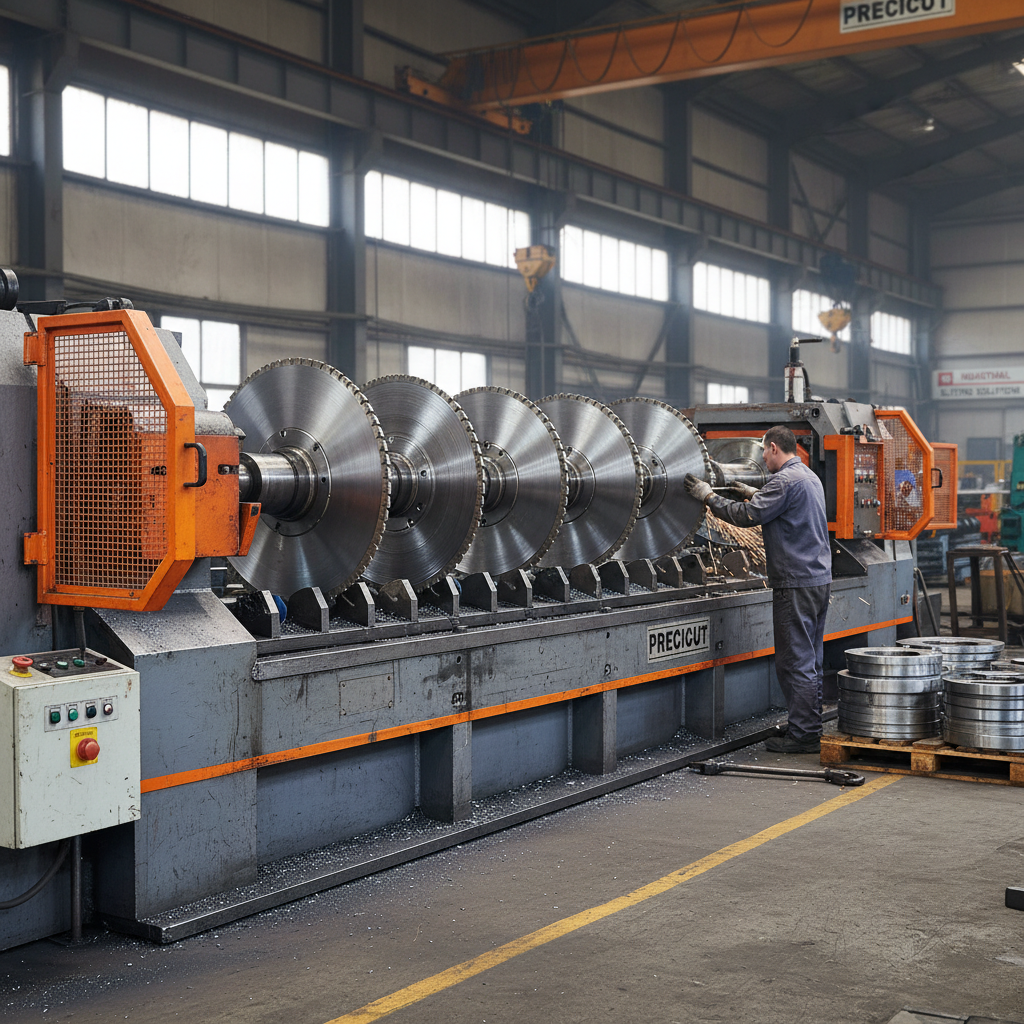
Slitter blades for rubber are precision cutting tools used to trim, score, or slice rubber materials into desired widths and shapes. They are fundamental to processes like rubber sheet slitting, tape converting, and the production of various rubber components. The quality and design of these blades directly impact the efficiency, accuracy, and cost-effectiveness of the entire manufacturing process.
These blades aren't a one-size-fits-all solution; different rubber types and applications require specific blade geometries, materials, and edge treatments. Choosing the correct slitter blade for rubber involves considering factors such as the rubber’s hardness, thickness, and the desired cut quality. Proper selection and maintenance are key to extending blade life and minimizing downtime.
Defining slitter blade for rubber
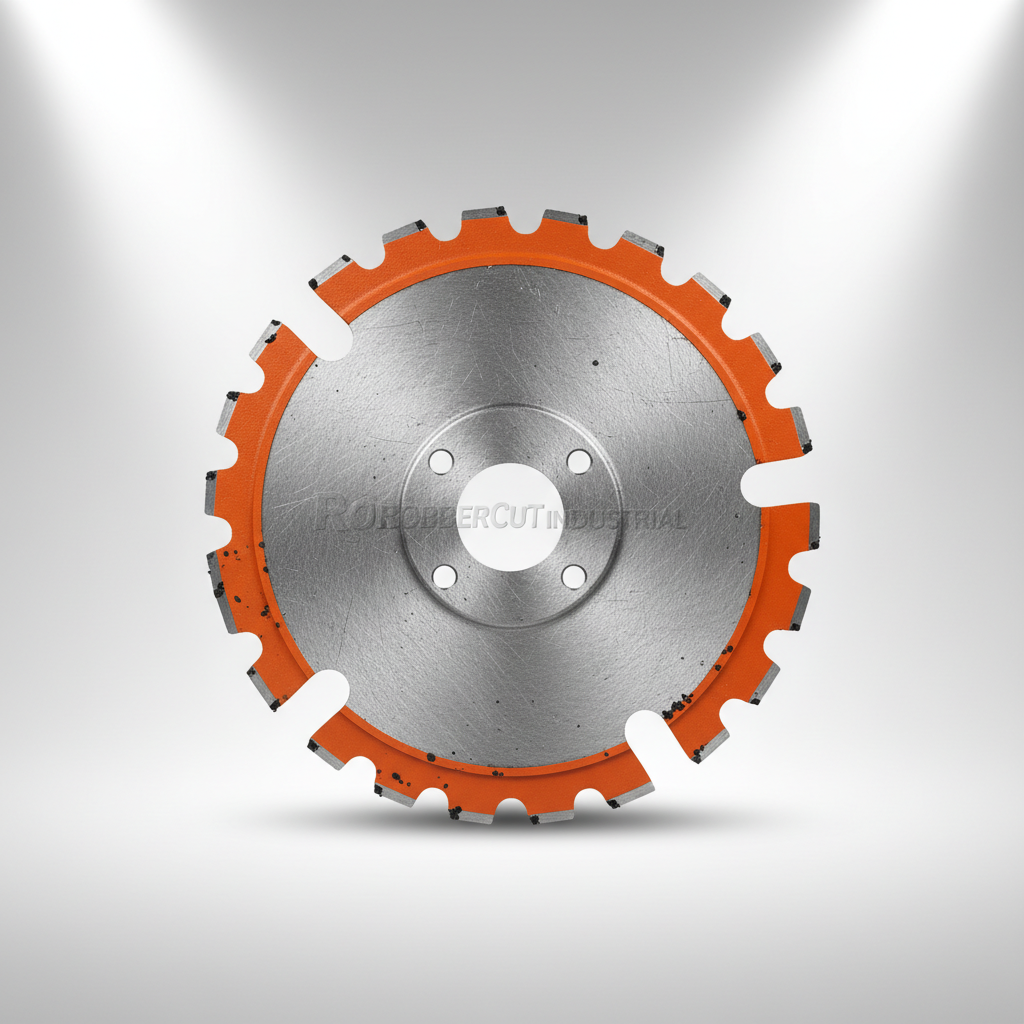
A slitter blade for rubber is a highly engineered cutting tool specifically designed for the unique properties of rubber materials. Unlike cutting metal or plastic, rubber tends to be elastic and can “smear” or deform during cutting. Therefore, a slitter blade for rubber requires a sharp, precisely honed edge and a geometry that prevents material buildup and ensures a clean, accurate cut.
These blades commonly come in circular or straight-edged designs and are crafted from various materials, including high-carbon steel, tool steel, and tungsten carbide, each offering different levels of hardness, wear resistance, and edge retention. The ideal material selection depends on the type of rubber being cut, the volume of production, and the desired blade lifespan.
Modern slitter blade for rubber technology leverages advancements in metallurgy and coating techniques to enhance performance and durability. For example, specialized coatings can reduce friction, prevent corrosion, and improve the blade’s ability to withstand harsh operating conditions, ultimately enhancing production efficiency and reducing costs.
Core Components of slitter blade for rubber
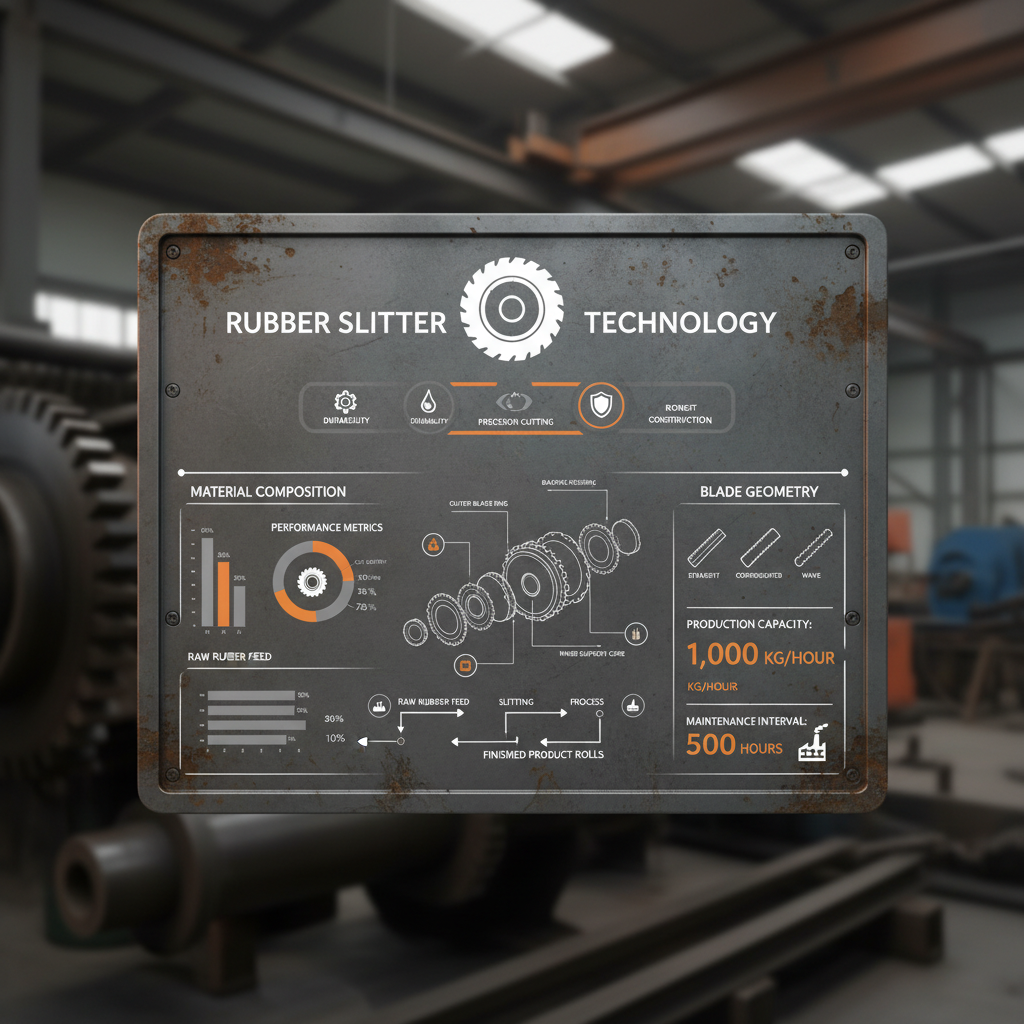
The effectiveness of a slitter blade for rubber relies on the synergy of its core components. First is the Blade Material, chosen based on rubber type and application – high-carbon steel for lower volumes, tool steel for medium volumes, and tungsten carbide for high-volume, abrasive rubber compounds. Secondly, the Blade Geometry – which includes the blade angle, edge profile (e.g., single bevel, double bevel), and thickness, is crucial for cut quality and minimizing rubber buildup.
The Edge Preparation is a critical step. It involves honing and polishing the blade edge to achieve microscopic sharpness and prevent tearing or smearing of the rubber. Various edge treatments, like cryogenic tempering, can enhance edge retention. Finally, Coatings are frequently applied to reduce friction, prevent corrosion, and increase wear resistance, significantly extending the blade's lifespan.
Beyond these physical components, the Mounting System plays a vital role. A secure and precise mounting ensures stability during operation, preventing vibrations and maintaining consistent cutting performance. Proper mounting also facilitates quick and easy blade changes, minimizing downtime during maintenance.
Key Performance Indicators for slitter blade for rubber
Evaluating the performance of a slitter blade for rubber hinges on several key indicators. Edge Retention is paramount—how long the blade maintains its sharpness before requiring re-sharpening or replacement. Wear Resistance measures the blade’s ability to withstand abrasive forces from the rubber material without significant degradation.
Cut Quality is assessed based on the cleanliness and precision of the cut, minimizing burrs, tearing, or smearing. Blade Life represents the total volume of rubber cut before the blade needs replacement, directly impacting production costs.
Slitter Blade for Rubber Performance Comparison
Applications of slitter blade for rubber
Slitter blades for rubber find widespread applications across diverse industries. In the Automotive sector, they're critical for tire manufacturing, cutting rubber compounds for sidewalls, treads, and inner liners. The Industrial Manufacturing space utilizes them for creating conveyor belts, hoses, seals, and gaskets, demanding precise and durable cuts.
The Packaging industry employs slitter blades for rubber in the production of adhesive tapes and rubber-backed labels. Within the Medical sector, these blades are used to manufacture rubber components for medical devices and tubing, requiring stringent cleanliness and precision. These varied applications demonstrate the versatility and importance of slitter blade for rubber in modern manufacturing processes.
Advantages and Value of slitter blade for rubber
Investing in high-quality slitter blade for rubber delivers tangible benefits. Reduced waste translates directly into cost savings, as precise cuts minimize material loss. Increased production efficiency is achieved through longer blade life and reduced downtime for blade changes. Improved product quality is ensured by clean, consistent cuts that meet stringent specifications.
Beyond these economic benefits, utilizing the correct slitter blade for rubber contributes to a safer work environment by reducing the risk of blade breakage and minimizing operator fatigue. Choosing durable, reliable blades fosters trust and strengthens the reputation of manufacturers, showcasing a commitment to quality and efficiency.
Future Trends in slitter blade for rubber
The future of slitter blade for rubber is driven by advancements in materials science and manufacturing technology. We're seeing increasing adoption of polycrystalline diamond (PCD) coatings for extreme wear resistance and extended blade life. Smart blades equipped with sensors for monitoring wear and performance are emerging, enabling predictive maintenance and optimized cutting parameters.
Sustainability is also a key driver, with a focus on developing eco-friendly blade materials and recycling programs for used blades. Furthermore, the integration of automated blade changing systems and robotic slitting processes promises to further enhance efficiency and reduce labor costs. slitter blade for rubber is at the forefront of these innovations.
The ongoing trend toward Industry 4.0 and data-driven manufacturing will necessitate even more sophisticated slitter blade technology, fostering a continuous cycle of improvement and optimization within the rubber processing industry.
Summary of Slitter Blade for Rubber Performance Factors
| Blade Material |
Hardness (Rockwell C) |
Typical Application |
Estimated Blade Life (meters) |
| High-Carbon Steel |
55-60 |
Light-duty rubber sheeting |
5,000 - 10,000 |
| Tool Steel (D2) |
60-65 |
Medium-duty rubber compounds |
15,000 - 30,000 |
| Tungsten Carbide |
90+ |
Abrasive rubber and high-volume production |
50,000 - 100,000+ |
| PCD Coated Steel |
92+ |
Highly abrasive rubbers, extended life applications |
80,000 – 150,000+ |
| Cryogenically Treated Tool Steel |
62-67 |
Applications requiring enhanced edge retention |
25,000 – 40,000 |
| Diamond Coated |
95+ |
Ultra-abrasive and high-precision applications |
100,000+ |
FAQS
The ideal material for a slitter blade for rubber depends on the type of rubber being cut. Harder, more abrasive rubbers require blades made from tungsten carbide or PCD-coated materials for maximum wear resistance. Softer rubbers can be effectively cut with high-carbon steel or tool steel blades. Consider the volume of production as well – higher volumes justify the investment in more durable, but costly, materials like carbide.
Replacement or re-sharpening frequency depends on usage and rubber abrasiveness. Regularly inspect blades for chipping, dulling, or damage. As a guideline, blades should be re-sharpened when cut quality diminishes or cutting force increases. A preventative maintenance schedule with routine inspection, can significantly extend blade life and improve consistency. Depending on the material and operation, blades may need to be replaced between 1,000 to 50,000 meters.
PCD (Polycrystalline Diamond) coated blades offer exceptional wear resistance and can cut through highly abrasive rubber compounds with ease. This results in significantly extended blade life, reduced downtime for blade changes, and improved cut quality. While more expensive initially, the long-term cost savings often outweigh the initial investment, particularly in high-volume applications.
Blade geometry – including blade angle, edge profile, and thickness – drastically influences cut quality. A steeper angle generally provides a cleaner cut but may increase cutting force. Edge profile (single or double bevel) affects material buildup and burr formation. The appropriate geometry is chosen based on the rubber’s properties and desired cut precision. Double bevels reduce burring.
Dull slitter blades cause a range of problems, including increased cutting force, tearing or smearing of the rubber, uneven cuts, and increased waste. This leads to higher production costs, reduced product quality, and potential damage to the rubber material. Consistent inspection and timely replacement are crucial to avoid these issues.
Yes, many slitter blades for rubber can be re-sharpened, extending their lifespan and reducing costs. However, the number of times a blade can be re-sharpened is limited, as each sharpening reduces its thickness. Professional re-sharpening services ensure the blade maintains its original geometry and cutting performance.
Conclusion
Slitter blades for rubber are indispensable tools in numerous industries, influencing product quality, production efficiency, and overall cost-effectiveness. Understanding the key components, performance indicators, and future trends surrounding these blades is crucial for manufacturers seeking a competitive edge. Investing in the right blades and implementing a robust maintenance program yields substantial long-term benefits.
As the rubber industry continues to evolve, embracing innovations in blade materials, coatings, and sensor technologies will be vital for optimizing performance and achieving sustainable manufacturing practices. Visit our website at www.bsblade.com to explore our range of high-performance slitter blade for rubber solutions and discover how we can help elevate your rubber processing operations.