Slitting blade manufacturers play a crucial role in a vast array of industries, from paper and plastic production to metalworking and food processing. These specialized blades are responsible for precise and efficient cutting of materials in continuous rolls, impacting product quality, production speeds, and overall operational costs. Understanding the nuances of slitting blade manufacturing – materials, geometries, and applications – is essential for maximizing efficiency and minimizing waste in these sectors. slitting blade manufacturer quality directly translates to the reliability of the final product.
The global demand for slitting blades is consistently driven by economic growth and increasing industrialization, particularly in emerging markets. According to industry reports, the market is expected to continue expanding with a CAGR of around 4-6% over the next decade. This growth is fueled by the need for sophisticated packaging solutions, the rise of flexible packaging materials, and advancements in manufacturing processes that require increasingly precise cutting. The challenge lies in meeting this demand with blades that offer durability, precision, and consistent performance.
Choosing the right slitting blade manufacturer isn’t simply about cost; it’s about securing a competitive advantage. A superior blade leads to fewer downtime events, reduced material wastage, and a consistently higher quality output – factors that significantly impact a company's bottom line. Furthermore, innovation in blade materials and designs is constantly pushing the boundaries of what’s possible, allowing businesses to tackle increasingly complex cutting challenges.
The Role of Slitting Blade Manufacturers in Modern Industry
Modern manufacturing processes rely heavily on precision and efficiency, and slitting blade manufacturers are pivotal in delivering both. They aren't simply suppliers of blades; they are often partners in optimizing cutting processes for specific applications. slitting blade manufacturers offer customized solutions, tailoring blade geometry, materials, and coatings to meet the unique demands of each client.
The impact extends beyond the immediate production line. High-quality slitting blades contribute to reduced waste, lower energy consumption, and improved workplace safety. A reliable blade minimizes the risk of breakage, reducing the need for frequent replacements and preventing potential hazards. This holistic approach makes a skilled slitting blade manufacturer a strategic asset for any industrial operation.
Defining Slitting Blade Manufacturing
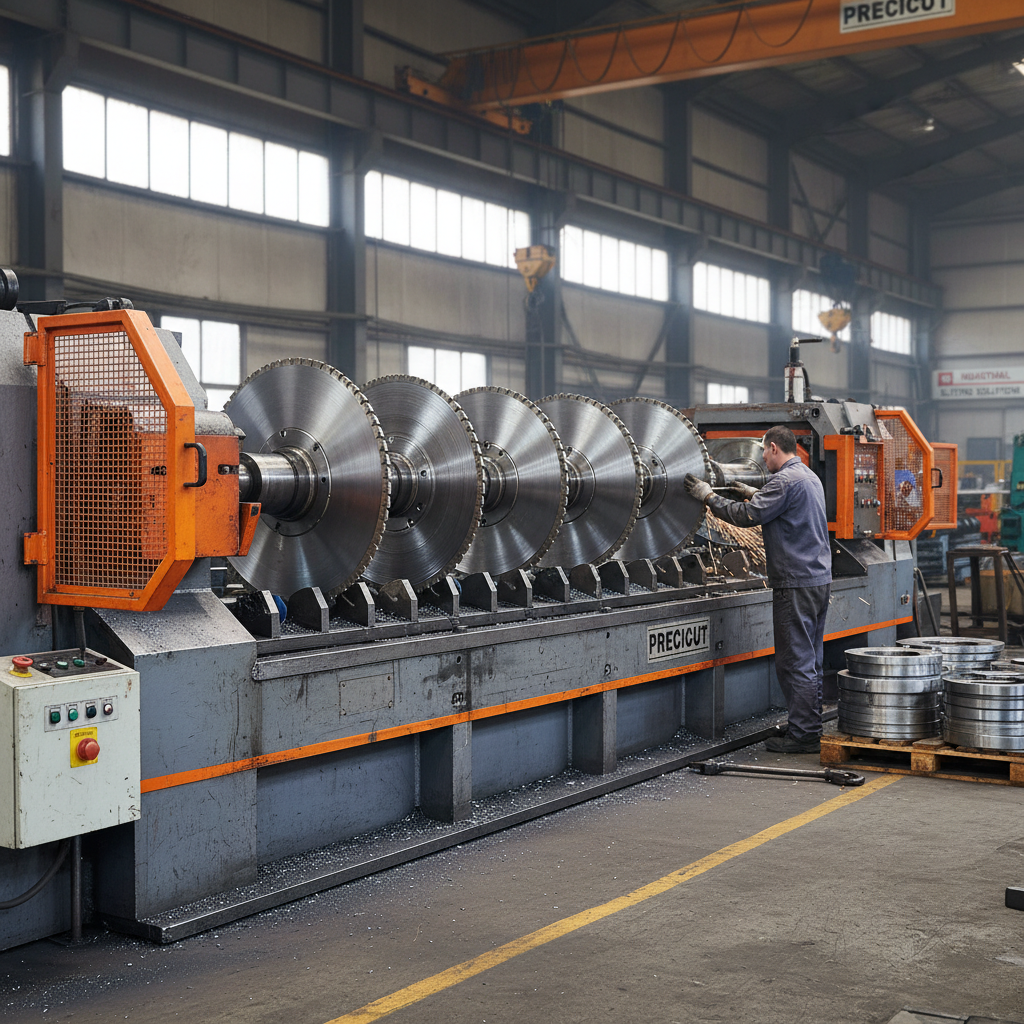
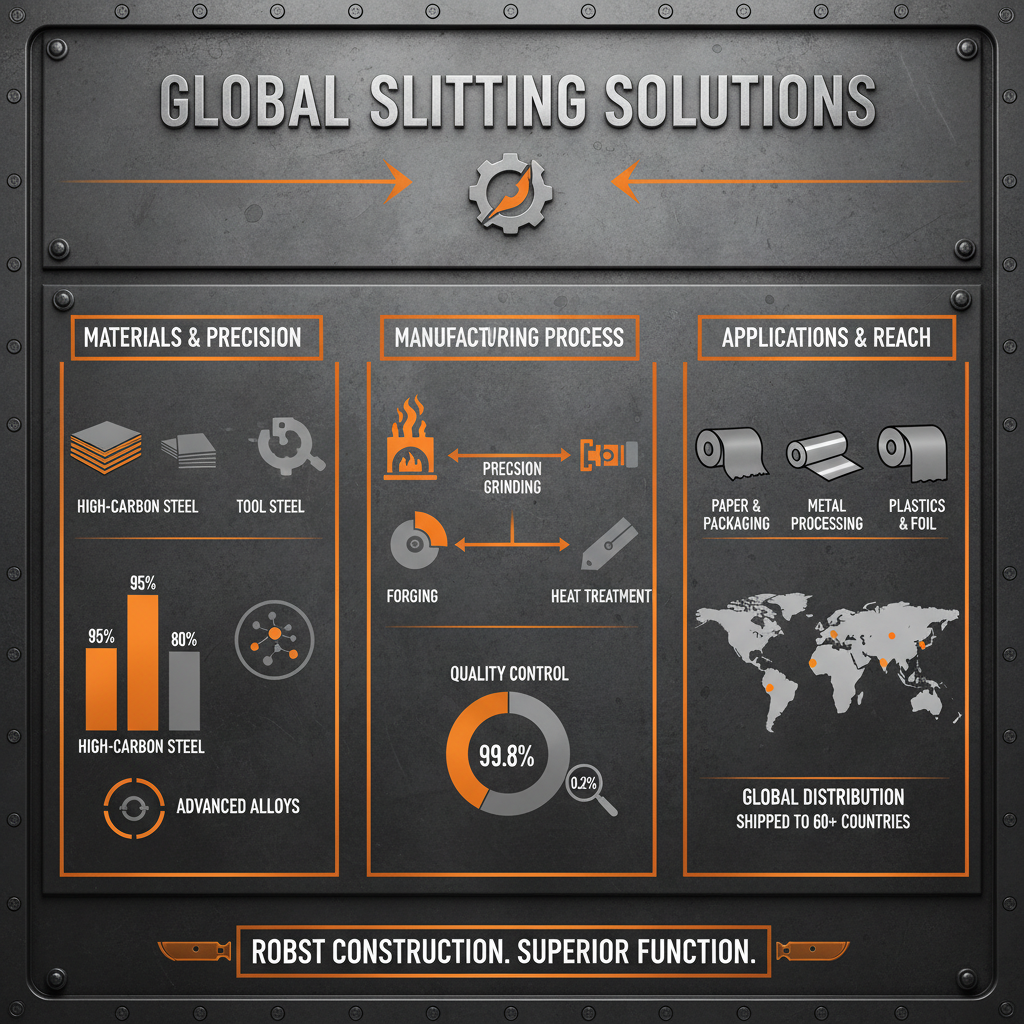
Slitting blade manufacturing encompasses the entire process of designing, producing, and finishing blades used for slicing or shearing materials in a continuous web format. This involves selecting appropriate steel grades (often high-carbon or tool steels), precision grinding to achieve razor-sharp edges, and applying surface coatings to enhance durability and corrosion resistance. The process requires specialized machinery and highly skilled technicians.
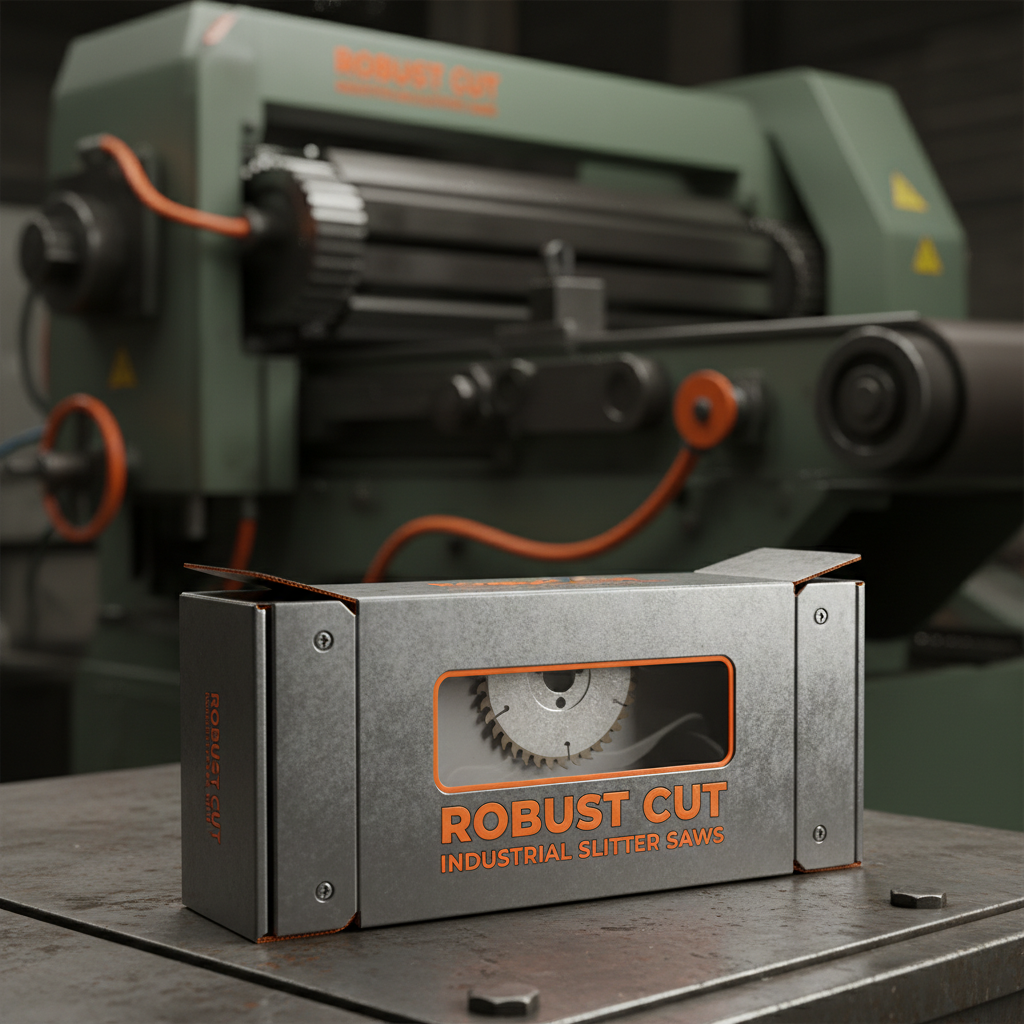
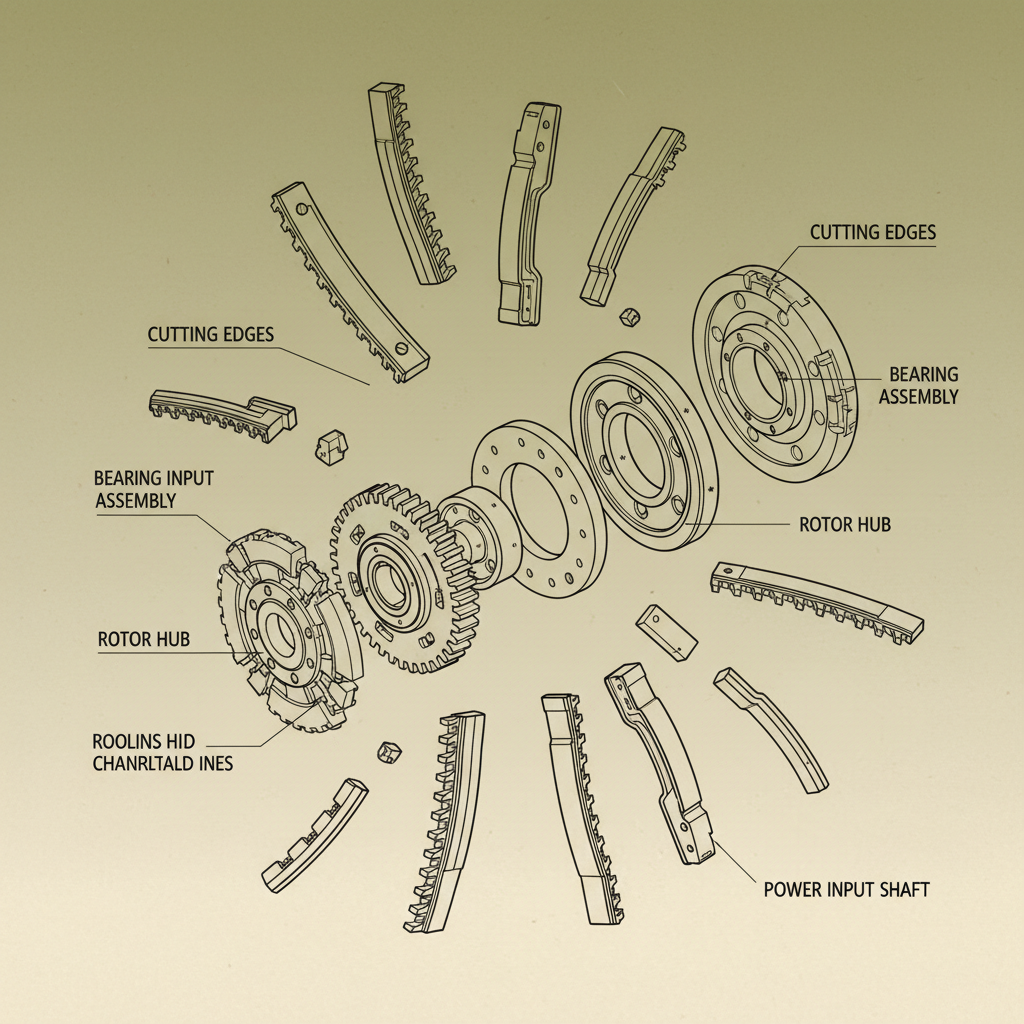
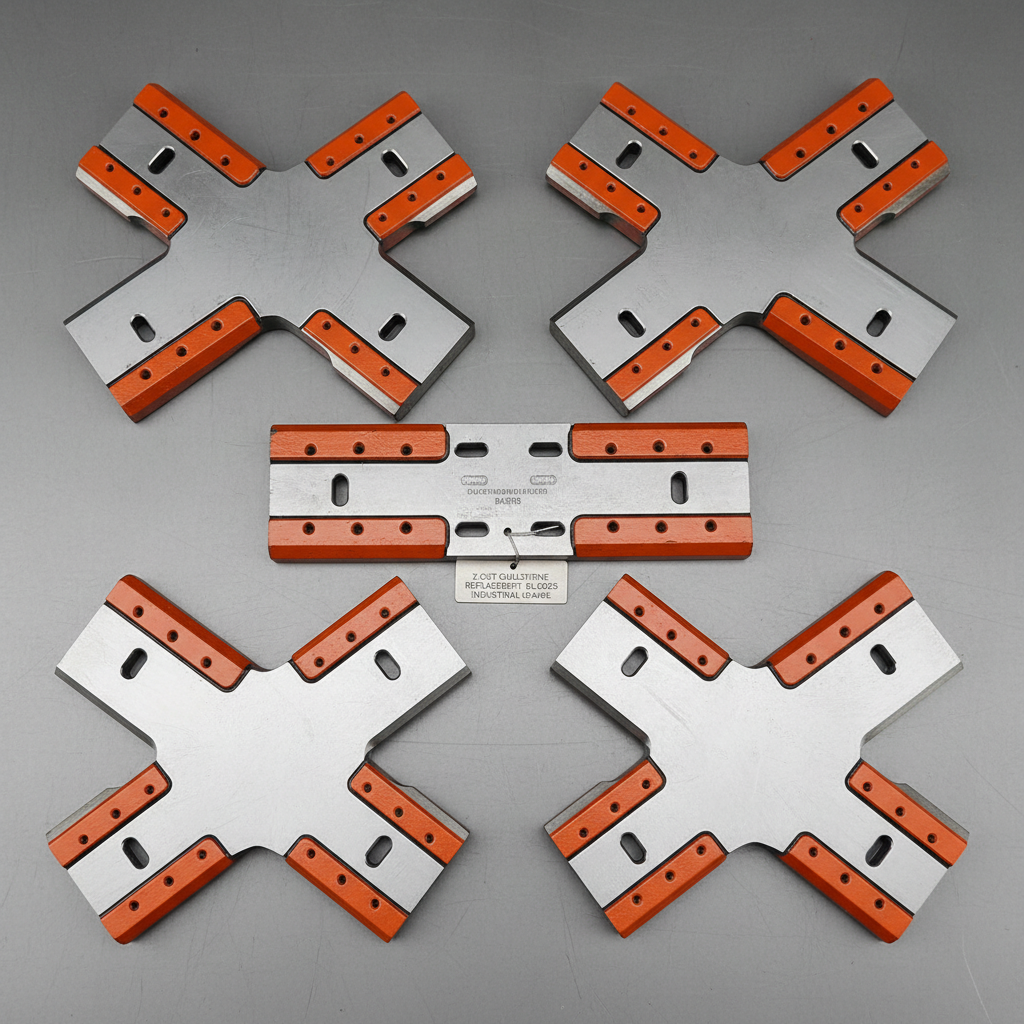
A key distinction lies between solid and assembled slitting blades. Solid blades are typically used for lighter-duty applications, while assembled blades – consisting of a body and replaceable cutting edges – offer cost-effectiveness and flexibility for heavier-duty tasks. slitting blade manufacturers excel at both, providing solutions tailored to the specific material being cut and the overall production requirements.
The connection to modern industry and humanitarian needs is profound. Efficient packaging (reliant on precise slitting) preserves food and medicine, extending shelf life and reducing spoilage. Accurate slitting processes are also crucial in manufacturing components for medical devices, electronics, and countless other essential products that impact quality of life.
Core Components of Effective Slitting Blades
Several key factors contribute to the effectiveness of slitting blades. First, Material Selection is critical. The blade material must be matched to the material being cut, considering factors like hardness, abrasion resistance, and corrosion potential. Second, Blade Geometry – including the blade angle, edge radius, and overall profile – significantly impacts cutting precision and force requirements.
Third, Surface Coatings like titanium nitride (TiN) or diamond-like carbon (DLC) enhance blade durability, reduce friction, and improve resistance to corrosion. These coatings significantly extend blade life and reduce downtime. Fourth, Precision Grinding ensures a consistently sharp and accurate cutting edge, minimizing material waste and maximizing efficiency. These factors, when optimized by a reputable slitting blade manufacturer, result in superior performance.
Finally, Blade Maintenance and Sharpening are essential components of a cost-effective slitting operation. A skilled manufacturer can provide guidance on proper blade care and offer sharpening services to extend blade life and minimize replacement costs.
Key Performance Indicators in slitting blade manufacturer
Evaluating the performance of slitting blades requires tracking key indicators. A top slitting blade manufacturer will focus on metrics that demonstrate both blade quality and process optimization. These indicators directly impact production costs and overall efficiency.
These KPIs aren't just about the blade itself; they reflect the entire cutting process and the manufacturer’s ability to deliver consistent, high-quality results.
Slitting Blade Performance by Method
Global Applications and Industries Served
The applications of slitting blades are remarkably diverse. The paper and pulp industry utilizes them for converting large rolls of paper into smaller, more manageable sizes for printing and packaging. The plastics industry relies on precise slitting for manufacturing plastic films, tapes, and packaging materials.
Metalworking industries employ slitting blades for processing coils of steel, aluminum, and other metals into sheets and strips. In the food processing sector, slitting blades are used for portioning and packaging various food products. From the production of medical tapes to the manufacturing of lithium-ion battery components, slitting blade manufacturers cater to a vast and expanding range of industries globally.
Advantages of Partnering with a Dedicated Manufacturer
Choosing a dedicated slitting blade manufacturer offers numerous advantages. Expertise and specialization translate into higher quality blades, customized solutions, and faster turnaround times. Manufacturers often provide technical support, assisting clients with blade selection and optimization of their cutting processes.
A reliable manufacturer will also ensure consistent quality control, adhering to rigorous standards and employing advanced inspection techniques. This consistency minimizes downtime, reduces waste, and ultimately improves overall production efficiency.
Furthermore, established manufacturers frequently invest in research and development, constantly innovating to improve blade materials, geometries, and coating technologies, providing clients with access to the latest advancements in slitting blade technology.
Future Trends and Innovations in Slitting Blade Technology
The future of slitting blade technology is focused on enhanced durability, sustainability, and automation. Research is underway to develop new blade materials – including advanced ceramics and composite materials – that offer superior wear resistance and extended blade life. The focus will also be on more eco-friendly manufacturing processes.
Digital technologies, such as sensors and data analytics, are being integrated into slitting blades to monitor performance in real-time, predict maintenance needs, and optimize cutting parameters. Automated blade changing systems are also gaining traction, reducing downtime and improving production efficiency.
Finally, there’s a growing emphasis on sustainable blade manufacturing, utilizing recycled materials and reducing energy consumption throughout the production process, aligning with global efforts to promote a circular economy and minimize environmental impact. slitting blade manufacturers are at the forefront of these innovations.
Summary of Key Factors Impacting Slitting Blade Performance
| Blade Material |
Coating Type |
Blade Geometry |
Maintenance Frequency |
| High-Carbon Steel |
Titanium Nitride (TiN) |
60-Degree Angle |
Weekly Inspection |
| Tool Steel (D2) |
Diamond-Like Carbon (DLC) |
45-Degree Angle |
Bi-Weekly Sharpening |
| Stainless Steel |
Chrome Coating |
50-Degree Angle |
Monthly Cleaning |
| Powder Metallurgy Steel |
No Coating |
70-Degree Angle |
As Needed Replacement |
| Ceramic Composite |
Alumina Coating |
30-Degree Angle |
Semi-Annual Inspection |
| Maraging Steel |
PVD Coating |
55-Degree Angle |
Quarterly Sharpening |
FAQS
The lifespan of a slitting blade varies significantly based on factors like blade material, coating, the material being cut, and operating conditions. Generally, high-speed steel blades with appropriate coatings can last from several weeks to several months with proper maintenance. Ceramic blades often offer longer lifespans, but can be more brittle. Selecting the right slitting blade manufacturer will ensure proper material selection for your application.
Choosing the right blade material depends on the material you are cutting and the desired cutting quality. High-carbon steel is suitable for general-purpose applications, while tool steels offer better wear resistance. Stainless steel is ideal for corrosion-resistant applications, and ceramics are suited for abrasive materials. Consult with a slitting blade manufacturer to determine the optimal material for your specific needs.
Coatings, such as TiN and DLC, significantly enhance blade performance by increasing hardness, reducing friction, and improving corrosion resistance. This results in extended blade life, reduced downtime, and improved cutting quality. Coatings also help to prevent material buildup on the blade edge, maintaining consistent cutting precision. A qualified slitting blade manufacturer can recommend the best coating for your application.
Sharpening frequency depends on the material being cut and the blade's usage. Regular inspection is crucial to identify signs of dullness. As a general guideline, blades should be sharpened when they start to exhibit tearing or rough cutting edges. slitting blade manufacturers often offer sharpening services to ensure optimal blade performance.
Solid slitting blades are made from a single piece of steel, offering higher rigidity and precision for lighter-duty applications. Assembled blades consist of a body and replaceable cutting edges, providing cost-effectiveness and flexibility for heavier-duty tasks. The choice depends on the specific cutting requirements and budget.
Proper blade alignment is critical for achieving clean and accurate cuts. Ensure the slitting machine is properly calibrated and that the blades are securely mounted and aligned with the material being cut. Regular inspections and adjustments are essential to maintain optimal alignment. Consider the expertise of a slitting blade manufacturer for alignment guidance.
Conclusion
In conclusion, the role of the slitting blade manufacturer extends far beyond simply producing cutting tools. They are integral to a wide range of industries, driving efficiency, reducing waste, and enabling innovation. Choosing the right manufacturer – one committed to quality, precision, and customer service – is a strategic decision that yields significant long-term benefits.
As technology advances and sustainability becomes increasingly important, the future of slitting blade manufacturing lies in developing innovative materials, embracing automation, and prioritizing environmentally responsible practices. By partnering with a forward-thinking slitting blade manufacturer, businesses can stay ahead of the curve and maximize their competitive advantage. Visit our website: www.bsblade.com.