
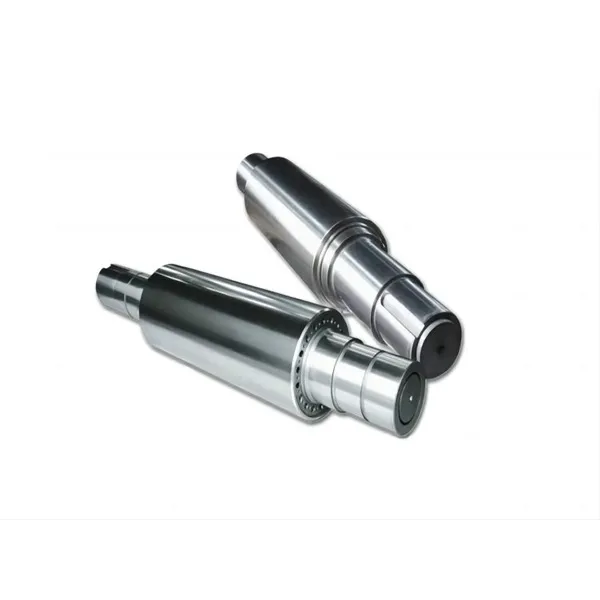
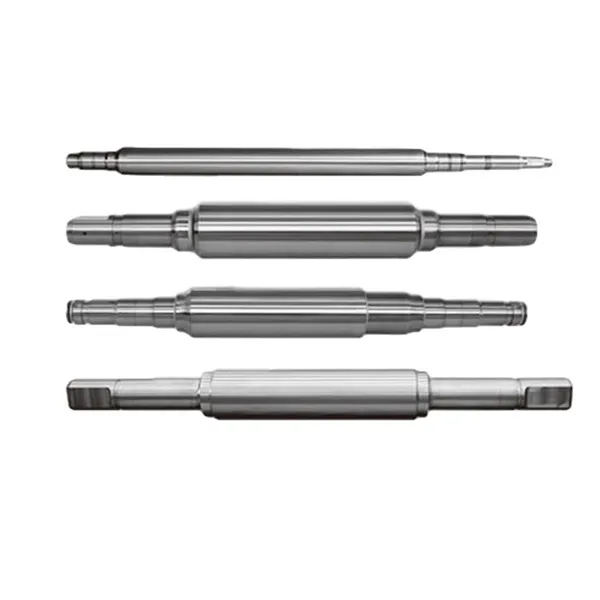
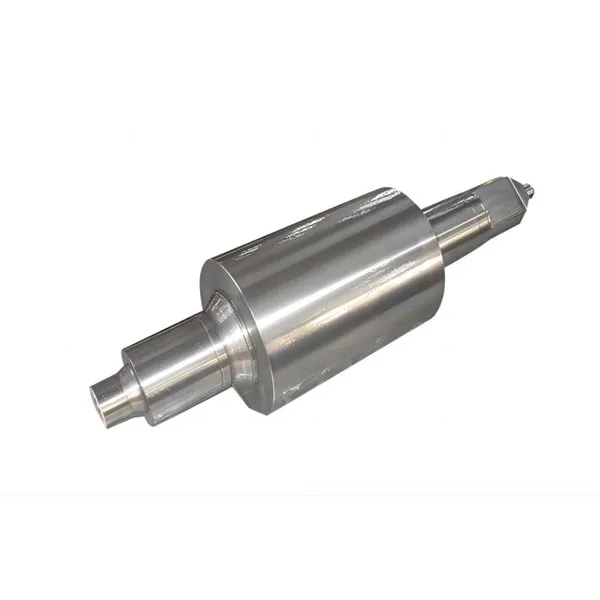
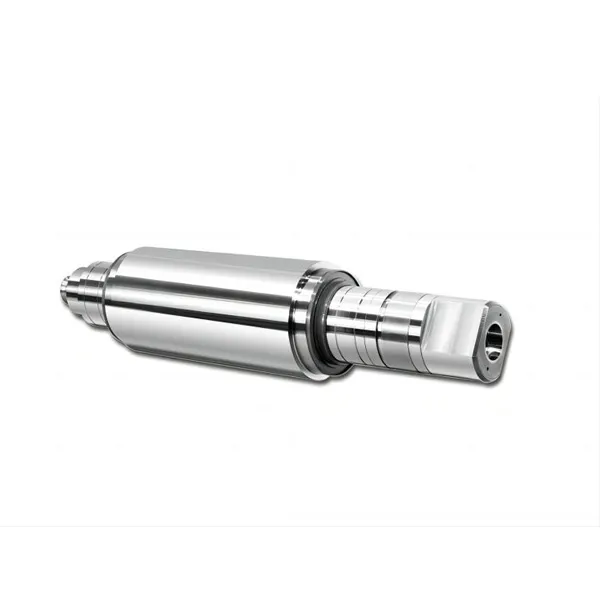
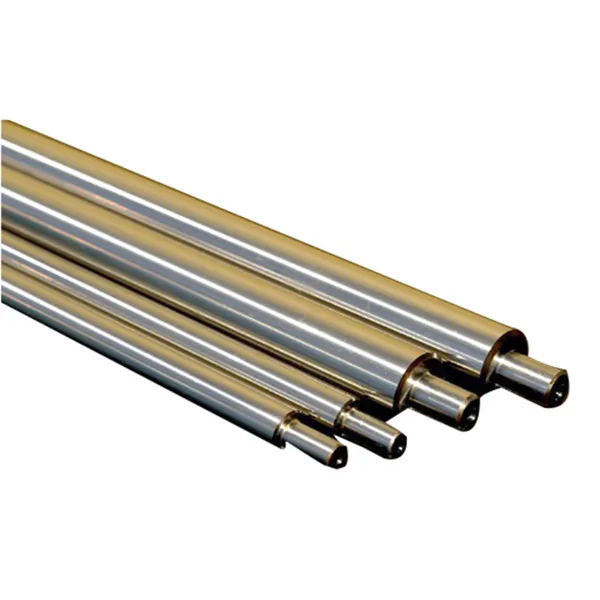
Precision Steel Rollers
|
field |
Adaptation process and effect |
|
Automobile plate production |
Eliminating residual stress in high-strength steel plates and improving the qualification rate of stamping forming |
|
Precision foil processing |
Control the thickness fluctuation of aluminum foil and copper foil to ≤ 0.02mm to meet the needs of the electronics industry |
|
Galvanizing/color coating line |
Correct the flatness of the substrate before coating and reduce coating defects |
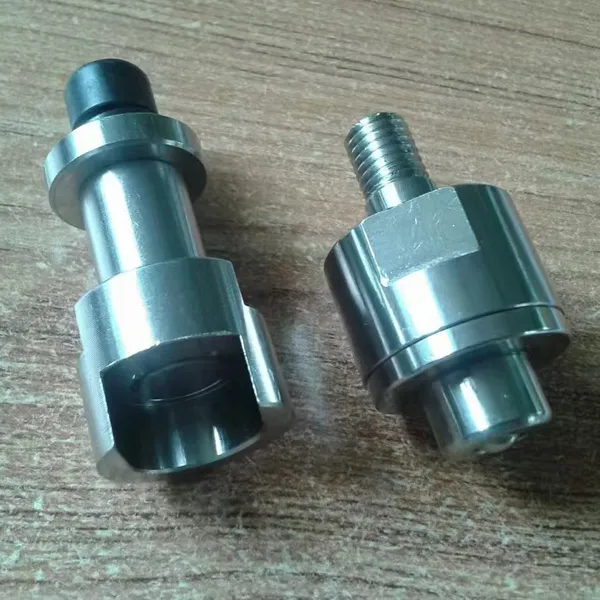
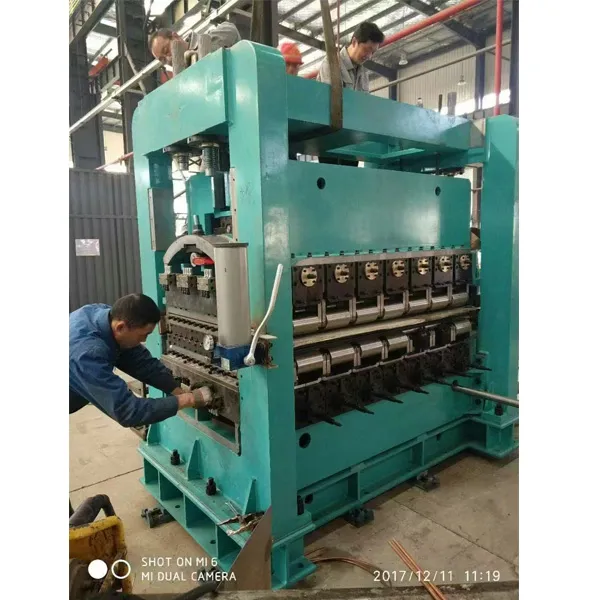
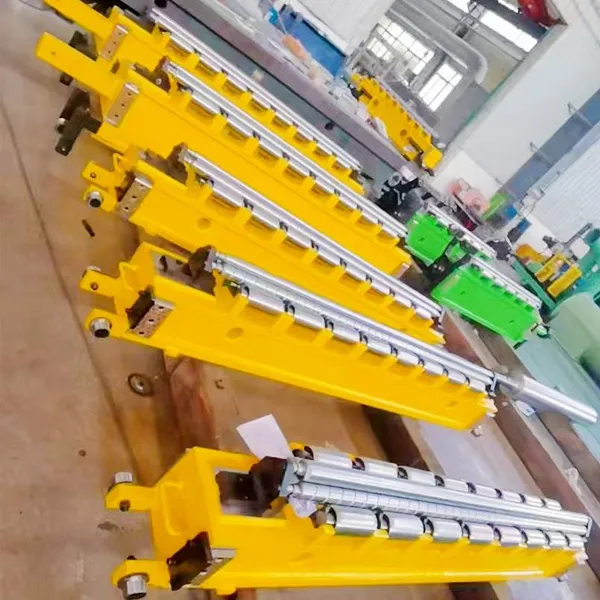
The precision rolling mill, through high-precision structural design and advanced surface treatment technology, has become the core component for improving strip quality and production efficiency in the straightening process.
|
Application Scenarios |
Technical Points |
Accuracy Index |
|
Rolling of Copper Foil for Lithium Batteries |
Multi roller collaborative tension control |
Thickness fluctuation ≤ 0.02mm |
|
Steel Strip Sheet Forming |
High order curve roller grinding |
Flatness error ≤ 0.2mm |
|
Pipe Materials for Nuclear Power Plants |
Optimization of Rolling Process for Molybdenum/Vanadium Alloy |
Wall thickness tolerance ± 0.03mm |
1.High precision sheet and strip production: used in cold rolling and hot rolling processes to process thick plates into thin plates (thickness ≤ 0.2mm) through multiple passes of rolling, meeting high-end demands such as automotive panels and home appliance panels. By controlling the rolling gap through a hydraulic AGC system, the precision of the strip thickness tolerance of ± 0.03mm is achieved, improving the surface quality and dimensional stability of the steel.
2.High strength steel forming: Processing martensitic steel with a tensile strength of over 1500 MPa, used in scenarios such as automotive crash beams and building steel structures.
3.Manufacturing of aluminum foil and copper foil: Rolling ultra-thin aluminum foil with a thickness of 0.005-0.2mm, used in fields such as food packaging and lithium battery current collectors. In copper alloy rolling, precision foil with surface roughness Ra ≤ 0.4 μ m is achieved through multi roll collaborative control, meeting the requirements of electronic circuit substrates.
4.Rolling high-temperature resistant materials such as nickel based alloys and titanium alloys for key components such as aerospace engine blades and nuclear reactor insulation layers.
Cold rolled seamless pipe manufacturing: Stainless steel pipes are processed using a twenty roll precision cold rolling mill with a wall thickness tolerance of ± 0.03mm, and are used in medical devices, precision instruments, and other scenarios.
|
Material Type |
Features and Applications |
|
Cr12mov Alloy Steel |
High impact resistance, suitable for high load straightening scenarios (such as straightening stainless steel strips) |
|
High Speed Steel Composite Rolling Mill |
Simultaneous optimization of matrix strength and toughness to reduce roller surface oxidation and detachment |
|
Hard Alloy Roller Ring |
High temperature resistance and corrosion resistance, used for high-precision straightening machines (such as ESP rolling lines) |
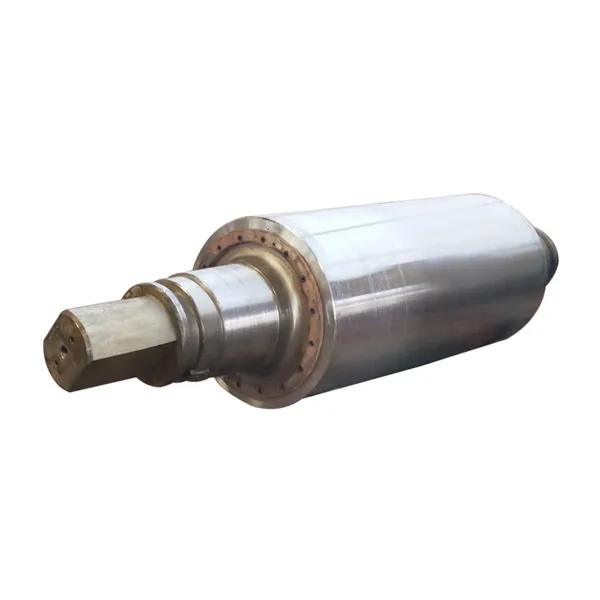
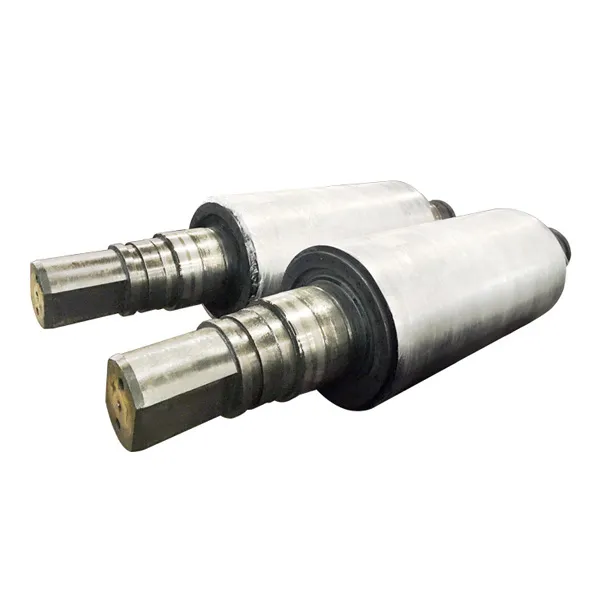
Roller Type Classification
|
Flat Roller |
Used for conventional strip straightening, the roll diameter is calculated based on the rolling force (usually 20-30 times the thickness of the strip) |
|
Concave Convex Roller/Patterned Roller |
Adapt to complex plate shape correction requirements (such as automotive panels, galvanized panels), eliminate residual stress through local plastic deformation |
Selection Suggestions
|
High Strength Steel Straightening |
Prioritize the use of Cr12MoV alloy steel rollers, combined with small-diameter bending rollers (diameter ≤ 200mm) to enhance plastic deformation capability |
|
Straightening of Thin Strips (Thickness<0.5mm) |
Using a combination of hard alloy roller rings and flat rollers, the elongation rate is controlled to be ≤ 2% to avoid fracture |
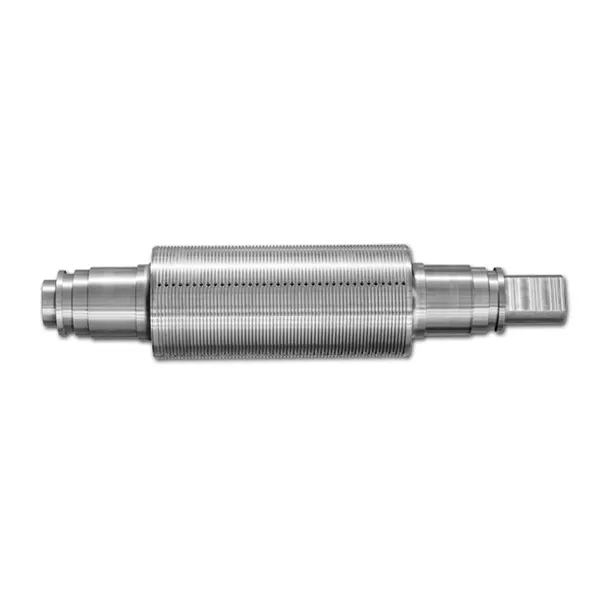
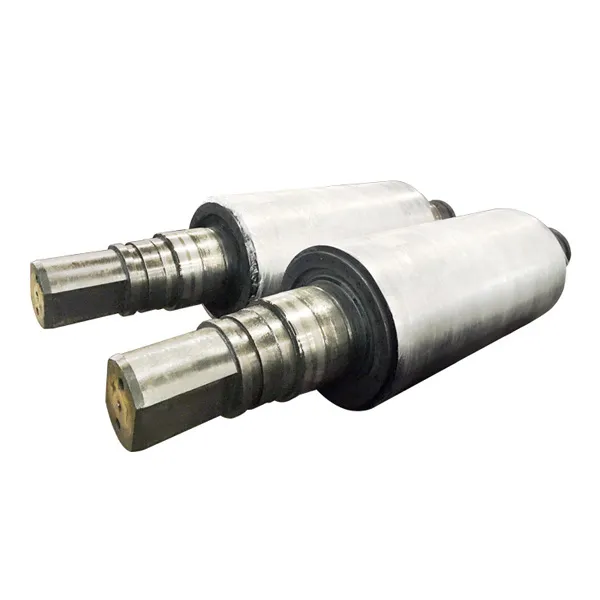
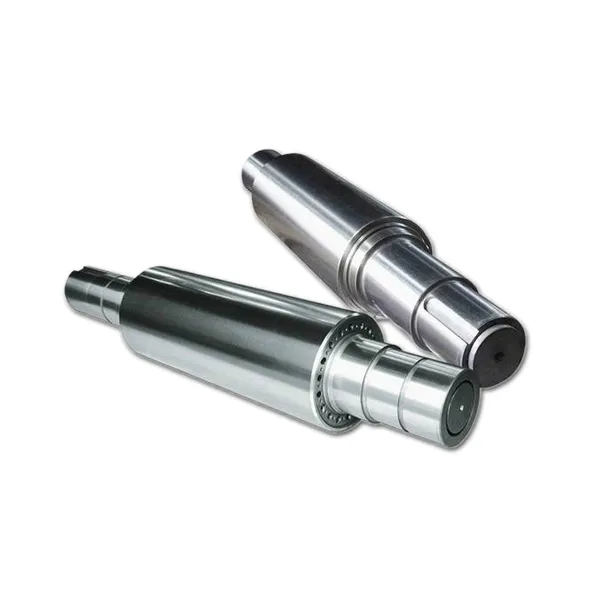
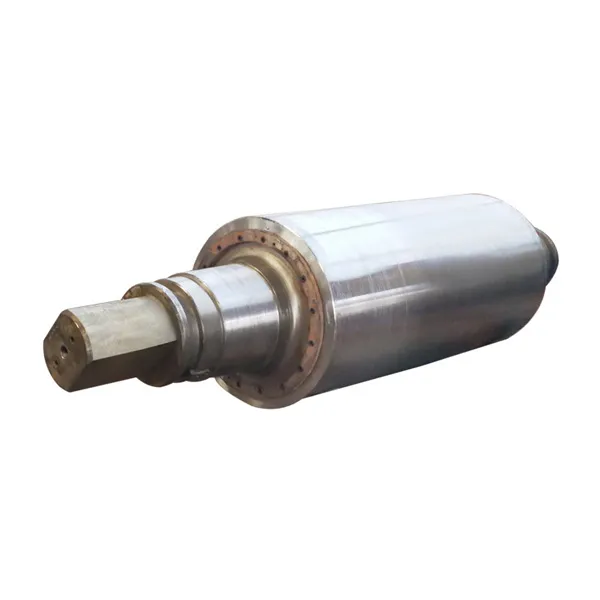
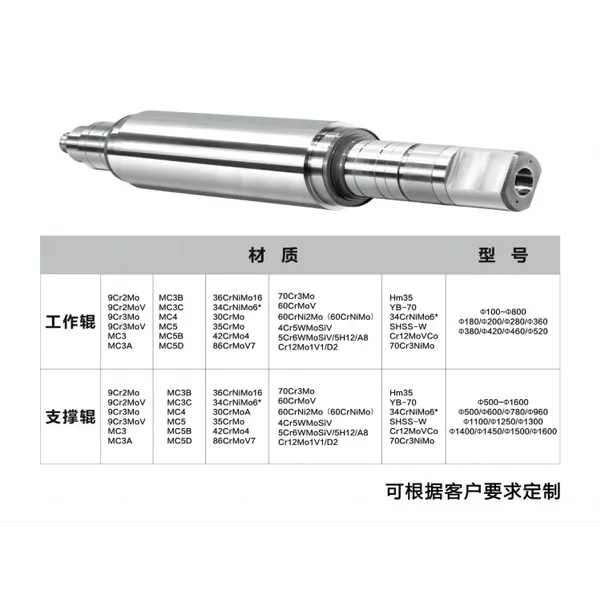
Key structural parameters: The working layer thickness of the roller body should be ≥ 50mm, and the hardness of the white layer should reach HSD 75-85 to resist wear. The precision requirement for the fit between the roller neck and the bearing is H9/f9, and roller end support bearings are used to enhance stability (as designed by Wuxi Jijia Precision Machinery Factory).
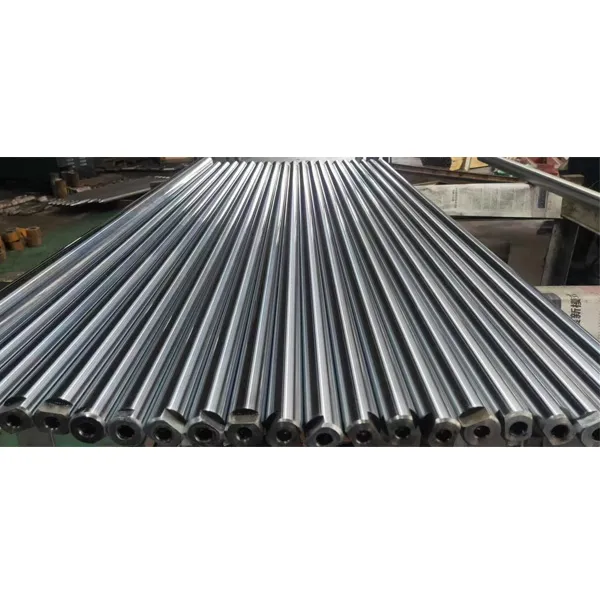
Processing flow: Adopting seamless steel pipe roller body+45 # steel shaft combination welding process, annealing treatment to eliminate internal stress, turning accuracy error ≤ 0.01mm. Internal cooling system integration (such as spiral waterway design), controlling rolling temperature ≤ 150 ℃.
Maintenance standard: Check the wear of the roller surface every 500 hours, and the amount of blade grinding should be ≤ 0.1mm. In humid environments, it is necessary to apply anti rust oil or use coated rollers to prevent oxidation and corrosion.
Summary: The precision rolling rolls used for straightening in steel mills need to take into account the material (high-speed steel, Cr12MoV), structure (flat roll/concave convex roll), and dynamic stability. Long term service performance is guaranteed through coating technology and dynamic balance testing. The selection should be based on the requirements of strip strength and straightening accuracy.
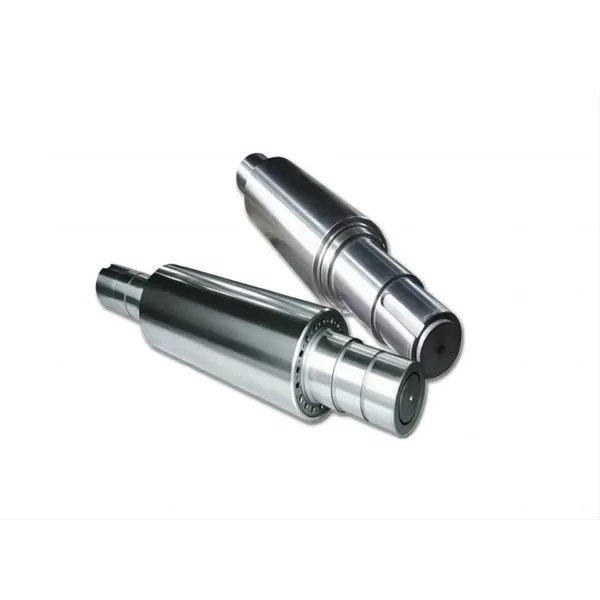
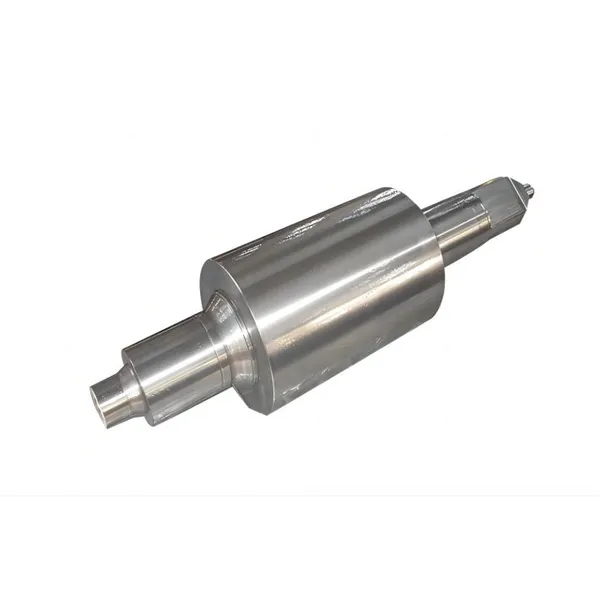
precision conveyor rollers
precision rollers
Precision Steel Rollers FAQs
What are precision steel rollers and what are they used for?
Precision steel rollers are high-precision components used in rolling mills to control strip thickness, eliminate defects like wave and bending, and ensure flatness. They are essential for straightening steel strips and improving production efficiency in steel mills.
Which industries commonly use precision rolling mill rolls?
Precision rolling mill rolls are widely used in automotive panel production, home appliance panels, high-strength steel forming, aluminum and copper foil manufacturing, aerospace components, nuclear reactor materials, and precision stainless steel pipes.
How do high-precision steel rolls ensure strip quality?
By adjusting the gap between rolls through hydraulic AGC systems, high-precision steel rolls achieve strip thickness tolerances of ±0.03mm, improve surface quality, and ensure dimensional stability for thin plates and foils.
What materials are used for precision steel rollers?
Common materials include high-speed steel and Cr12MoV alloy steel. Coatings and surface treatments enhance wear resistance, corrosion protection, and long-term stability of the rolling surface.
How are precision rolling mill rolls manufactured?
Rolls are made with seamless steel bodies welded to 45# steel shafts, annealed to eliminate internal stress, and machined with turning accuracy ≤0.01mm. Internal cooling systems such as spiral waterways control the rolling temperature ≤150°C.
How should precision steel rollers be maintained?
Check roller surface wear every 500 hours, limit blade grinding to ≤0.1mm, and apply anti-rust oil or use coated rollers in humid environments to prevent oxidation and corrosion.
Can precision rolling mill rolls handle ultra-thin foils and high-strength steels?
Yes, they can roll aluminum foils with thickness 0.005-0.2mm, copper foils with Ra ≤0.4 μm surface roughness, and martensitic steel over 1500 MPa tensile strength, ensuring high-precision applications in automotive, electronics, and aerospace.
Why choose professional precision steel roller manufacturers?
Professional precision steel roller manufacturers provide high-precision manufacturing, coating technology, dynamic balance testing, and material optimization, ensuring long-term performance, accuracy, and reliability in steel mill straightening and rolling operations.
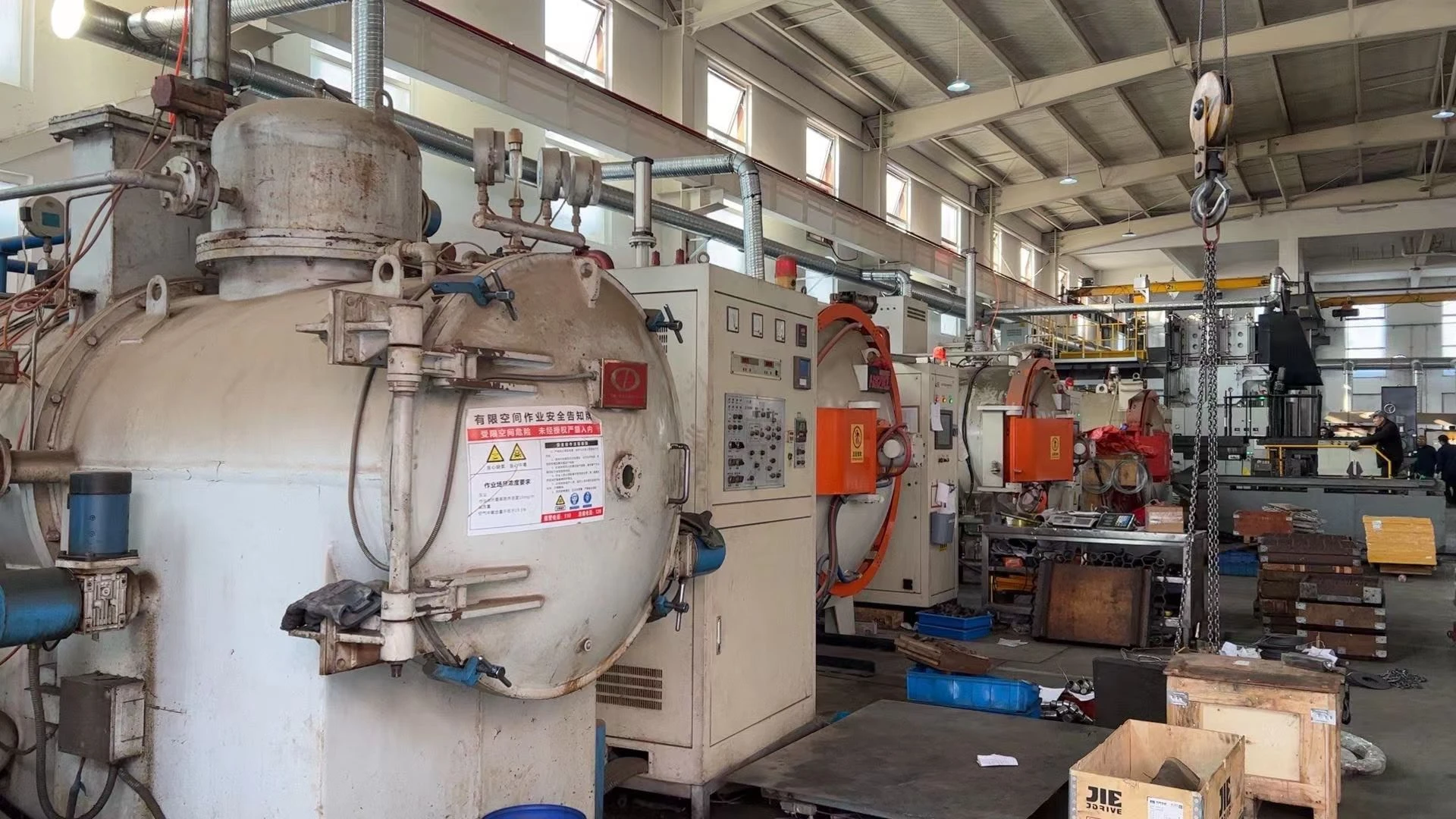
Custom Precision Rollers for Specialized Manufacturing Needs
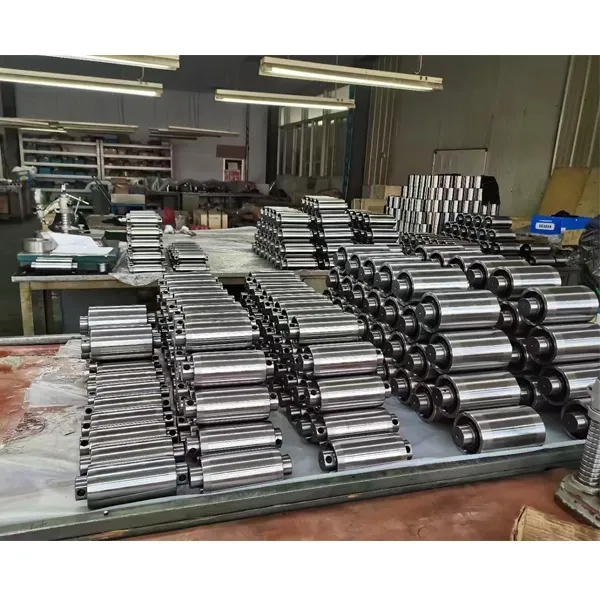
Our precision roller manufacturing capabilities allow us to produce tailored solutions for unique industrial applications. Our rollers feature specialized coatings and heat treatments that optimize performance for specific operating conditions, whether handling delicate materials or withstanding abrasive environments. The precision-ground surfaces and advanced bearing systems ensure reliable rotation with minimal friction loss.
-
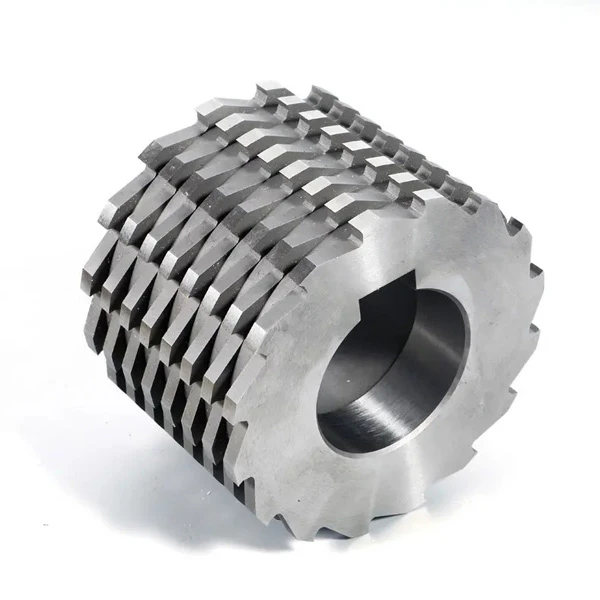 Scrap Steel Crusher BladeThe blade of the scrap steel crusher has the characteristics of high-strength material and wear resistance, clever structural design, corrosion resistance and thermal stability. Through advanced technologies such as high-strength crushing and material sorting, it has become the core tool for achieving a "crushing sorting regeneration" closed-loop in the metal recycling industry chain. It can process various forms of scrap steel such as automotive scrap, steel bar waste, and industrial metal waste.
 -
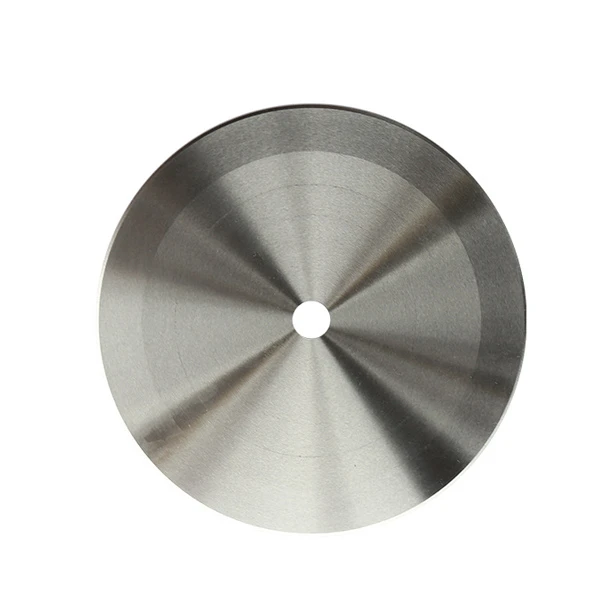 Hss Circular Saw BladesHigh speed steel circular saw blade (HSS circular saw blade) is an efficient tool specifically designed for metal cutting. When used in conjunction with a specialized metal circular saw machine, it can cover diverse processing needs from thin plates to thick materials by adjusting the tooth pitch and line speed. It has become the core tool for cutting, slotting, and other processes in metal processing, especially suitable for efficient production in fields such as automotive, aviation, and machinery manufacturing.
 -
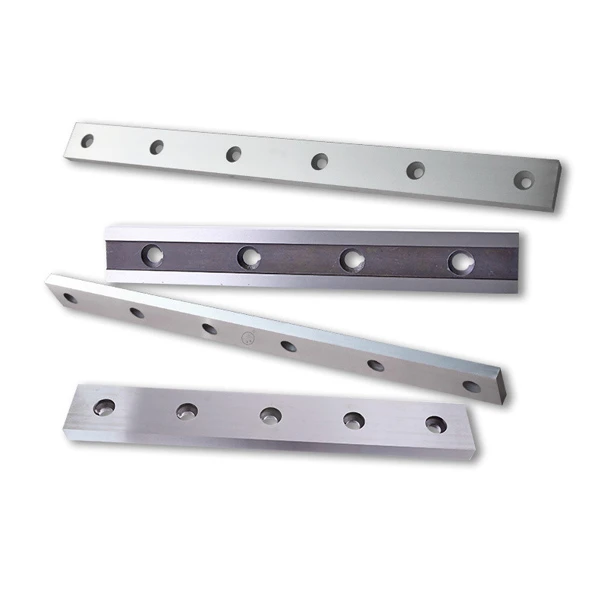 Guillotine Shear BladesThe blade of the hydraulic shearing machine is the core cutting component of the hydraulic shearing machine. Its function and working process: It consists of a moving upper blade and a fixed lower blade. The upper blade is driven by a hydraulic system to apply shear force to the metal sheet, while the lower blade provides support. The blade gap is adjusted reasonably, and the shear stress is used to break and separate the sheet according to the set size, thus achieving its cutting function.
 -
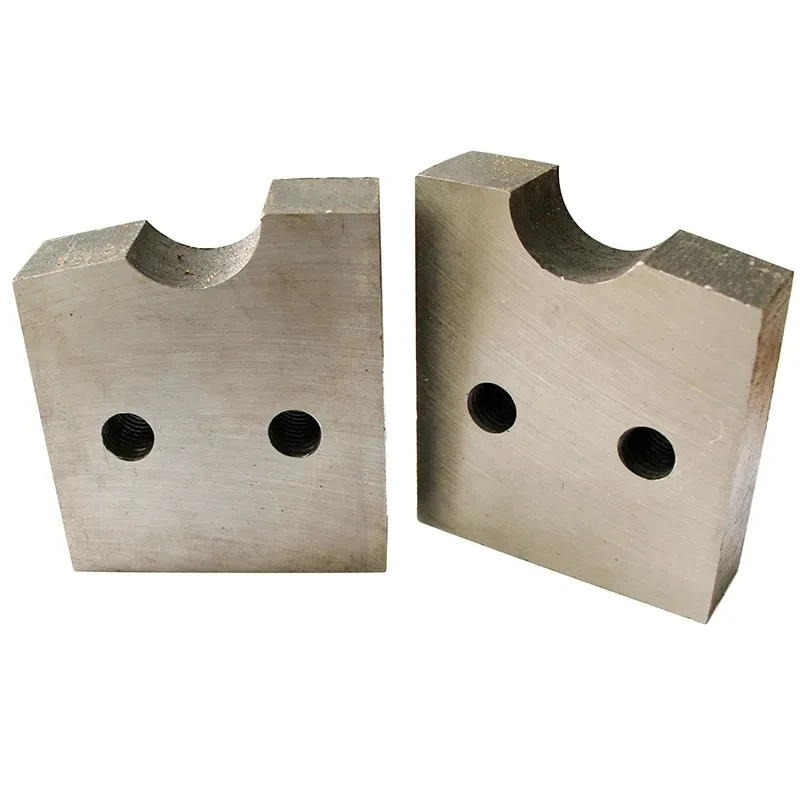 Steel Bar Cutting BladesThe steel bar cutting blade has the characteristics of high-strength material and process, precision structural design, thermal stability and wear resistance. When combined with sawing machines and pipe cutting machines or handheld or fixed equipment, it can achieve safe and efficient cutting of steel bars, and is widely used in the fields of construction engineering, industrial manufacturing, demolition and recycling.
 -
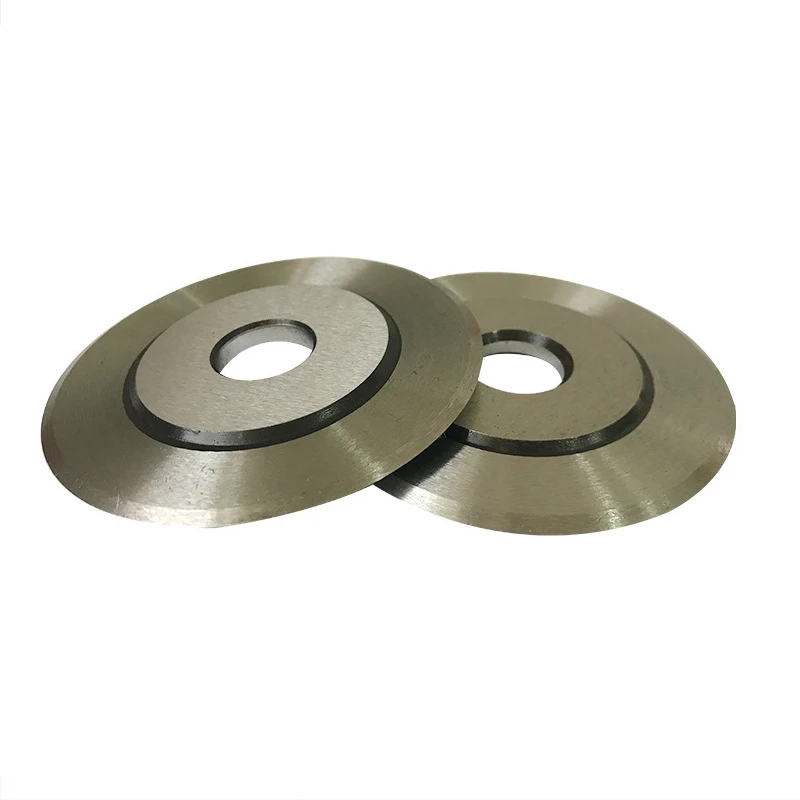 Tube Slitting Cutter KnifeCutting blades for steel pipes have the characteristics of high wear resistance, high hardness and strength, efficient cutting and high precision, thermal stability, etc., which have shown significant advantages in efficient operations in fields such as construction engineering, machinery manufacturing, energy and chemical engineering, and have been widely used.
 -
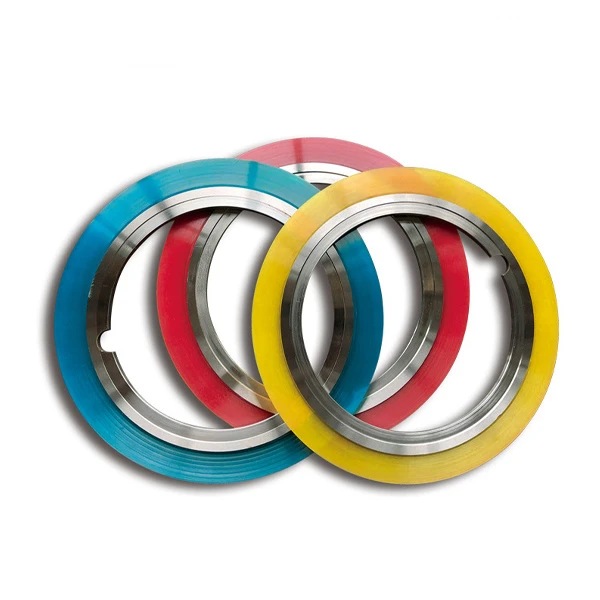 Steel Mill SpacerIn the slitting process of metal thin plates such as stainless steel, aluminum plates, and copper plates, as well as in the slitting of cold-rolled steel plates, hot-rolled steel plates, and pickled plates, spacers and washers are used to control the spacing between slitting blades and adjust the horizontal gap between upper and lower blades to ensure the accuracy of slitting width and cutting stability. They are indispensable components in widely used production. Welcome to ask us related questions
 -
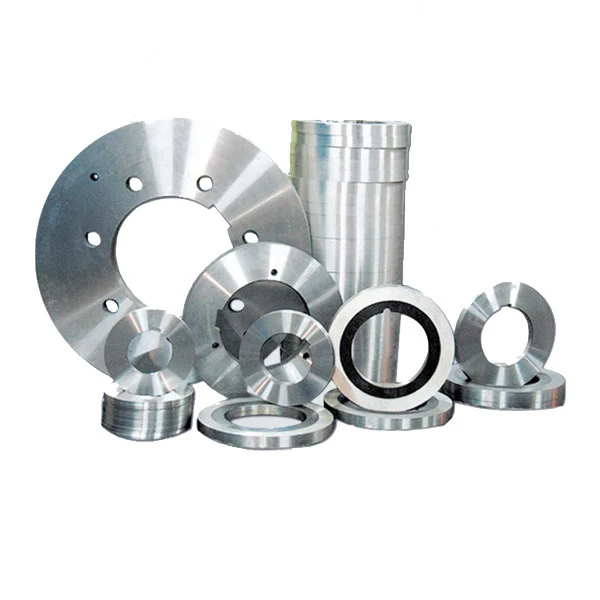 Circular Slitter BladesThe slitting disc cutter is widely used in slitting of thin metal plates such as stainless steel, aluminum plate and copper plate. In slitting of cold-rolled steel plates, hot-rolled steel plates and pickling plates, the slitting disc cutter made of cemented carbide or high-speed steel can ensure smooth cut, reduce material loss and improve yield. Our company has 30 years' experience in producing slitting disc cutters for metal industry, and we design and produce blades with various functions and occasions for customers. Welcome to ask us related questions.
 -
 Paper Shredding BladesPulverizing knives in the paper industry are widely used in the fields of waste paper recycling and recycling, industrial production-grade pulp preparation and high-precision specialty paper processing, etc. They are widely used in the production of recycled paper, packaging material recycling and environmental protection treatment, etc. Through diversified knife design and intelligent technology integration, the whole industry chain needs from basic waste paper recycling to high-value paper recycling are covered.
Get Binsheng Blade Tech Tips
ISO 9001 insights: industry trends & blade guides


