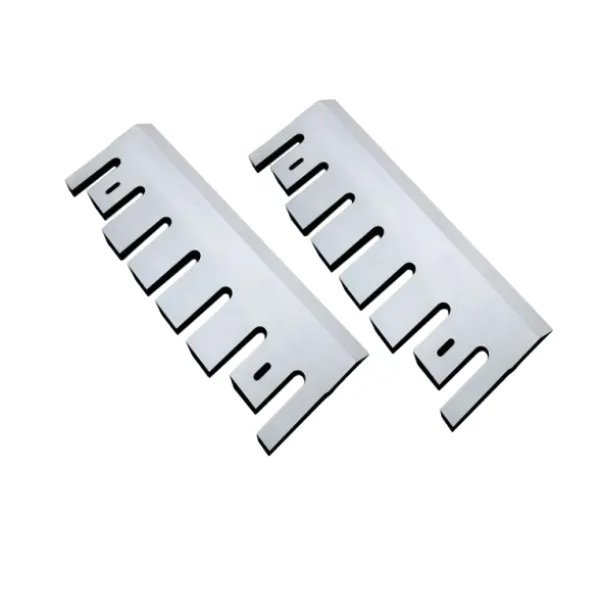
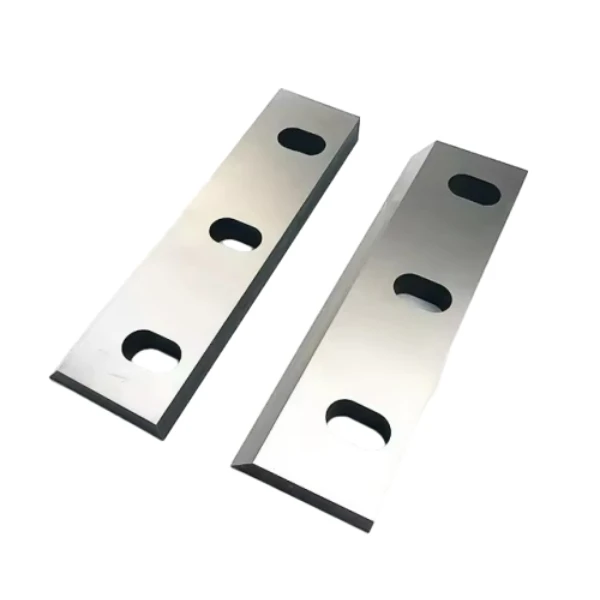
See us at E-Waste World Expo 2026 ( Booth D136 ) June 17-18th , Messe Frankfurt, Germany

Processing elastomeric materials often results in frustrating bottlenecks: excessive friction, severe heat build-up, and material deformation that ruins product tolerances. For plant managers and production engineers, these challenges mean frequent tool changes, disrupted workflows, and unacceptable levels of scrap material.
The Solution lies in Material-Specific Engineering: Overcoming the gummy nature of elastomers requires blade geometries and metallurgical properties specifically tailored to reduce drag and dissipate heat instantly.
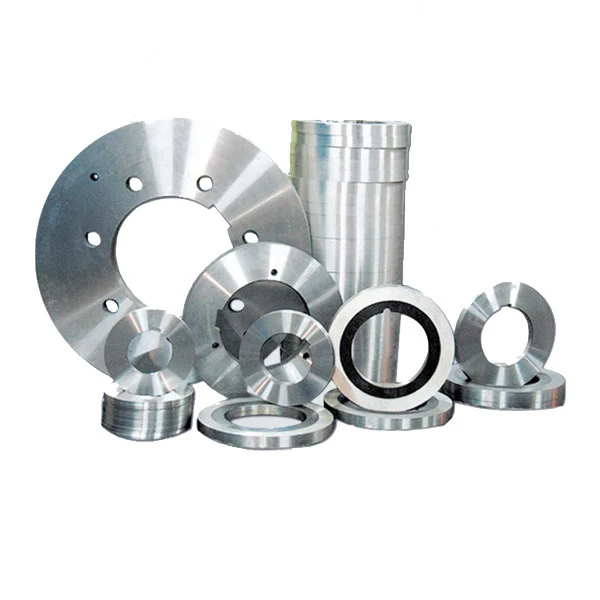
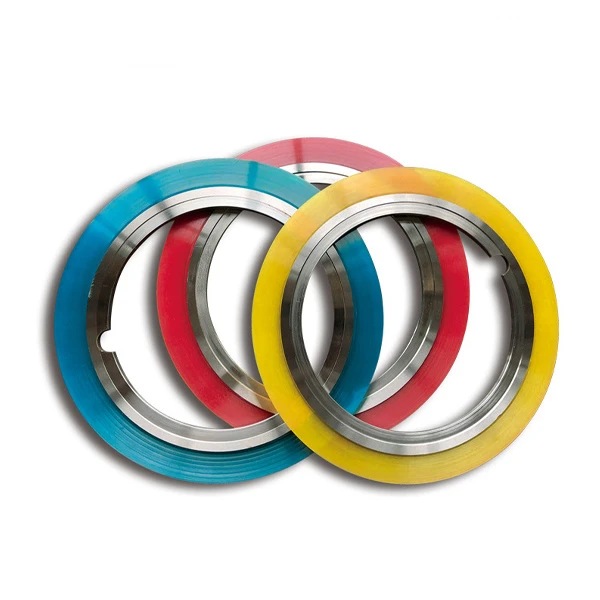
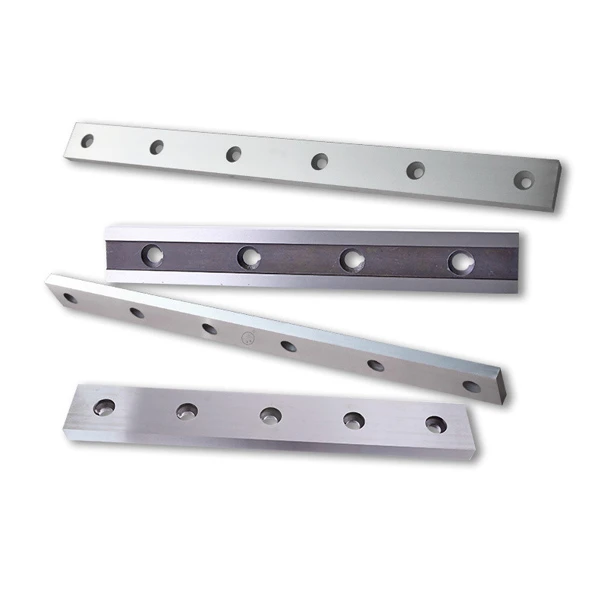
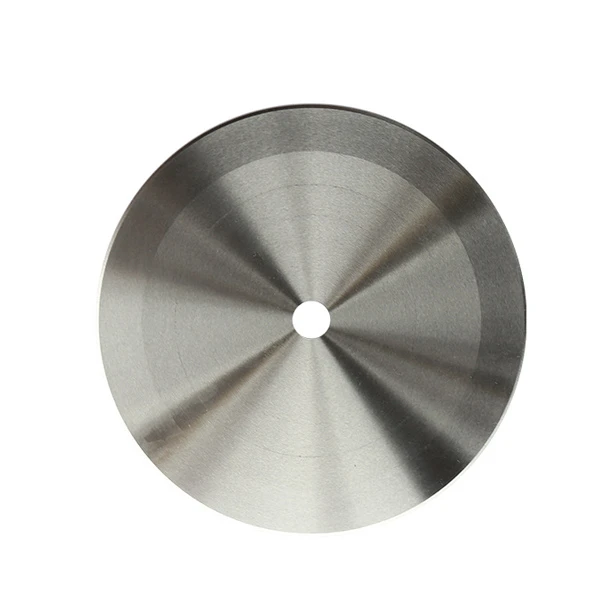
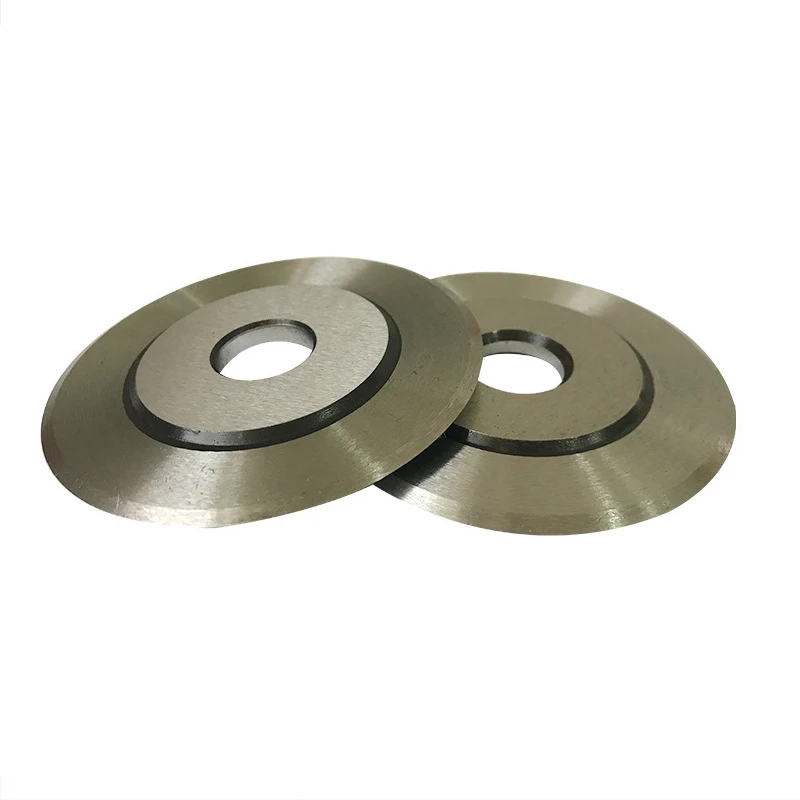
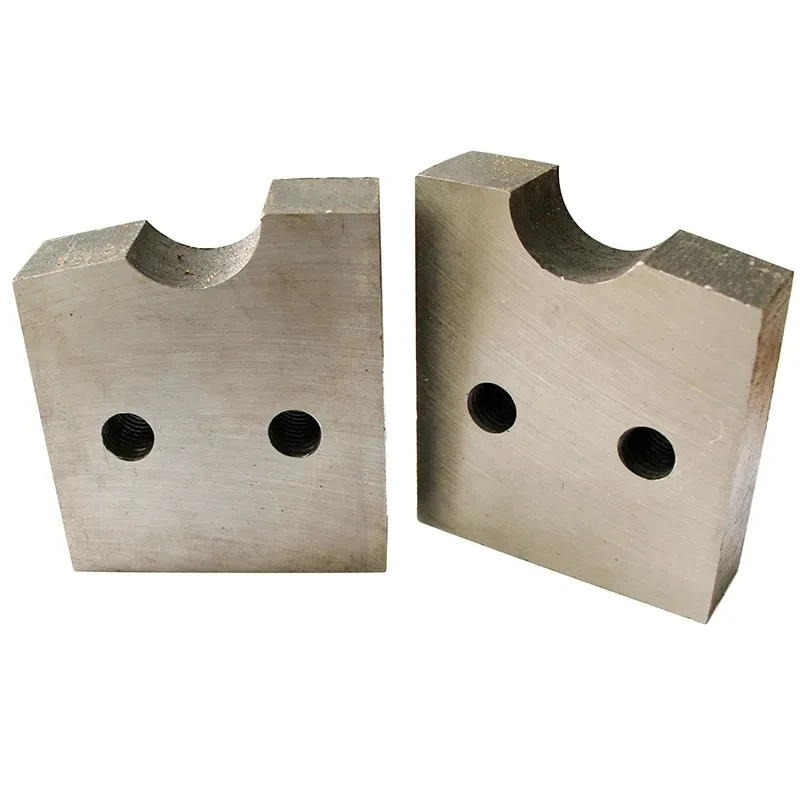
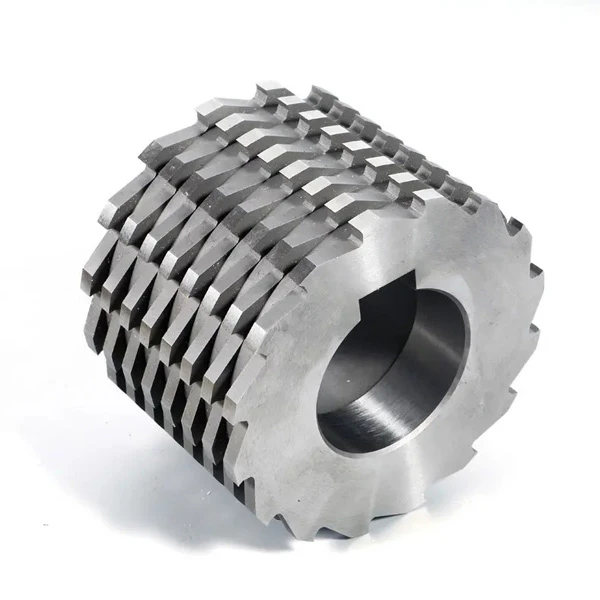
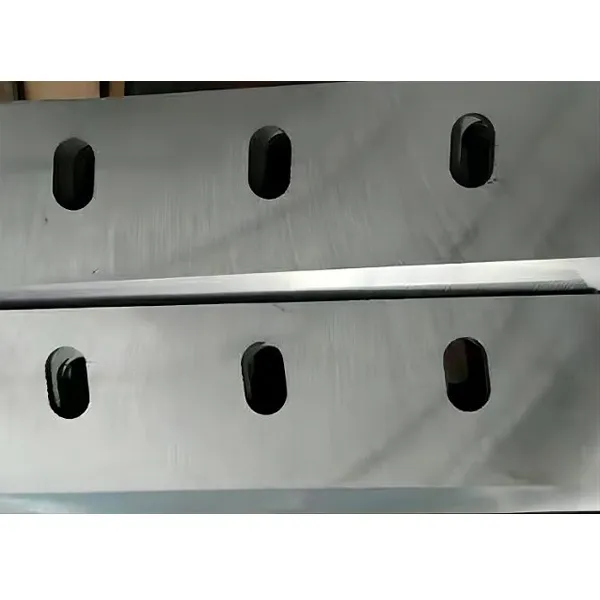
Since 2000, Maanshan Mechanical Blade Co., Ltd. has engineered highly specialized industrial cutting solutions to eliminate these exact friction and wear issues. Operating out of a state-of-the-art 10,000+ square meter facility in Anhui, China, our expert R&D team utilizes advanced CNC processing equipment to craft high-precision tools. By leveraging premium raw materials like Tungsten Carbide, HSS, and SUS440C, we ensure that every blade delivers clean, deformation-free slices through high-density rubber profiles, belting, and tires. Backed by an ISO 9001 certified quality management system, our customized tools bring unparalleled durability to the most demanding industrial environments.
When evaluating industrial cutting tools, the technical specifications directly dictate the operational success on the factory floor. Rubber processing dictates strict requirements regarding tool hardness, edge retention, and thermal stability. Below is a breakdown of the technical benchmarks that ensure our tools perform reliably under continuous heavy-duty use.
| Performance Metric | Industry Significance | Our Engineering Standard | Advantage |
|---|---|---|---|
| Material Integrity & Hardness | Rubber compounds contain abrasive fillers (like silica or carbon black) that rapidly dull standard steel. | Constructed using premium HSS, Tungsten Carbide, and SUS440C processed in vacuum heat treatment furnaces. | Maximum Wear Resistance: Significantly extends intervals between blade sharpening and replacement. |
| Dimensional Precision | Uneven blade thickness leads to blade binding, friction melting, and poor cut finishes. | Processed via high-precision grinding machines and advanced CNC technology. | Friction Reduction: Delivers surgical, clean cuts without material burning or edge deformation. |
| Volume & Scalability | Large-scale manufacturing facilities require uninterrupted supply chains for consumables. | Annual production capacity exceeding 1 million pieces across our 10,000 sqm plant. | Global Reliability: Ensures consistent, on-time delivery for large custom orders worldwide. |
| Quality Assurance | Inconsistent blade metallurgy can cause catastrophic tool failure during high-speed rotation. | Manufactured strictly under ISO 9001 quality management protocols. | Operational Safety: Guarantees uniform batch quality, structural integrity, and operator safety. |
Strategic procurement goes beyond the initial purchase price of a blade. True profitability in the recycling, metalworking, and manufacturing sectors relies on total cost of ownership (TCO). By integrating high-performance cutting solutions, facilities can drastically reduce machine downtime, minimize maintenance labor, and lower their energy consumption due to reduced cutting resistance.
Trusted by clients in over 50 countries and regions—including North America, Europe, Southeast Asia, and the Middle East—our precision blades are proven to elevate overall equipment effectiveness (OEE). The data speaks for itself: investing in optimized metallurgy and CNC-ground edges yields a compounding financial return over the production lifecycle.
Related products
Top Selling Products