Finding reliable shredder knives manufacturers is a critical strategic decision for enterprises operating in waste recycling, plastic processing, and heavy industrial demolition. The efficiency of a shredding system is fundamentally tied to the metallurgy and geometry of the cutting tools, which must withstand extreme impact and abrasive wear while maintaining a precise cutting edge to minimize energy consumption.
Many operators struggle with premature blade failure, excessive downtime for sharpening, and inconsistent output sizes due to poor material selection. These operational bottlenecks often stem from a mismatch between the knife's hardness and the specific physical properties of the material being processed, whether it be high-density plastics, scrap metal, or reinforced composites.
This guide provides a comprehensive technical framework for evaluating manufacturers, selecting optimal blade materials, and optimizing the lifecycle of shredding tools to ensure maximum throughput and reduced total cost of ownership.

Material Science in Industrial Shredder Knives

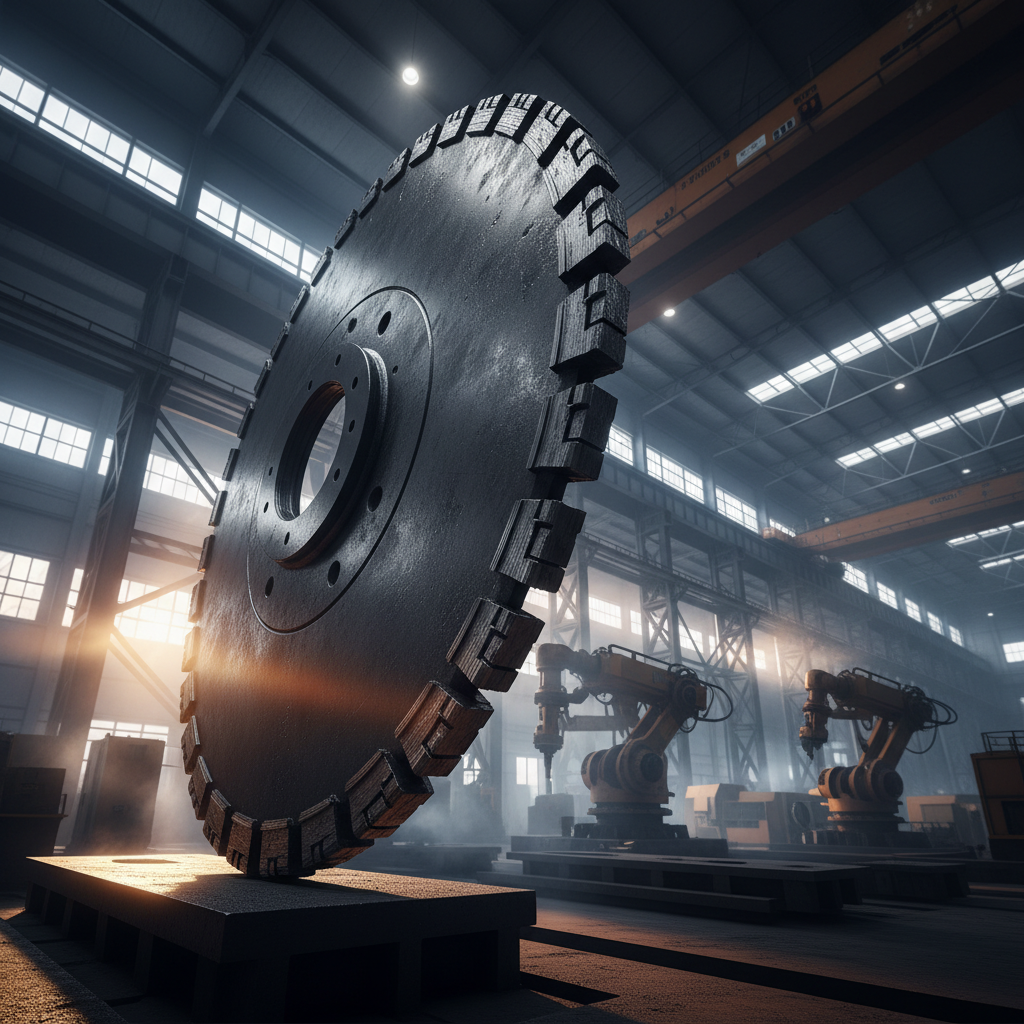
The core value provided by professional shredder knives manufacturers lies in their ability to balance hardness and toughness. High-carbon alloy steels are typically used for general shredding, but for high-abrasion environments, cemented carbides or specialized tool steels are necessary. The choice of material determines the wear rate and the frequency of regrinding, directly impacting the operational cost per ton of processed material.
At Changzhou Binsheng Metallurgical Machinery Co., Ltd., the application of high-performance alloy steels ensures that blades can handle the extreme stresses of waste and scrap recycling. By optimizing the heat treatment process, manufacturers can create a microstructure that resists chipping under impact while maintaining the edge sharpness required for clean cuts in rubber or plastic materials.
Key Engineering Parameters for Tool Longevity
Edge geometry is as important as material composition. The bevel angle must be precisely calculated based on the material's shear strength; a too-sharp angle may lead to rapid edge collapse, while a too-blunt angle increases the torque required from the motor, leading to higher energy costs and potential mechanical failure of the shredder shaft.
Beyond the angle, surface treatments such as titanium nitride coatings are often employed to reduce friction and prevent material adhesion. This is particularly critical in plastic processing where melted polymers can stick to the blade, causing "slugging" and reducing the efficiency of the cutting cycle.
Application-Specific Blade Configurations
Different industries require distinct blade profiles. In the wood industry, blades must handle fibrous materials and resist resin buildup. In contrast, shredding rubber tires requires impact-resistant designs that can penetrate thick sidewalls without fracturing. Manufacturers must offer customized configurations that align with the specific shredder type—whether it is a single-shaft, double-shaft, or granulator system.
For instance, in mining and concrete mixing wear parts, the focus shifts toward extreme abrasion resistance. The use of hard-alloy inlays on a tougher steel substrate allows the tool to maintain a cutting edge while the body of the blade absorbs the shock of large, irregular debris.
Performance Benchmarking Across Material Types
The suitability of different blade materials varies significantly depending on the shredded medium. To illustrate this, we can look at a relative performance index (normalized score) regarding wear resistance and impact toughness. Hard alloys excel in wear resistance but are brittle, whereas tool steels provide the necessary toughness for heavy scrap.
This conceptual comparison shows that for high-abrasion plastics, cemented carbide is the optimal choice, whereas for mixed metal scrap, high-tensile alloy steel provides the most reliable balance of properties to prevent catastrophic blade failure.
Evaluating Manufacturer Quality Standards
When auditing shredder knives manufacturers, the ISO 9001 certification is a baseline, but technical capability is proven through metallurgical testing. Quality manufacturers provide detailed material certifications and use precision CNC grinding to ensure that blade tolerances are kept within microns. Inconsistent tolerances lead to uneven loading on the shredder rotor, which can cause vibration and premature bearing wear.
Expertise in heat treatment is the ultimate differentiator. The ability to achieve a uniform hardness profile across the entire cross-section of the blade prevents "soft spots" that lead to premature dulling and localized deformation during high-torque operations.
Common Failures and Preventative Maintenance
The most common failure modes are chipping, abrasive wear, and thermal cracking. Chipping usually occurs when a non-shreddable object (like a large piece of hardened steel) enters the chamber, suggesting a need for tougher material or better pre-screening. Abrasive wear is a natural process but can be slowed by choosing higher-grade alloys.
A disciplined maintenance schedule including regular gap adjustments and professional regrinding is essential. If blades are allowed to become too dull, the machine consumes more power and produces "torn" rather than "cut" material, which can lower the market value of the recycled output.
Blade Selection Decision Framework
Selecting the right blade involves matching the material's hardness and the operation's impact level. The following framework categorizes common shredding scenarios to guide procurement decisions toward the most cost-effective solution.
| Application | Recommended Material | Primary Driver | Main Risk |
|---|---|---|---|
| Plastic Recycling | Cemented Carbide | Wear Resistance | Brittleness/Chipping |
| Tire Shredding | Tungsten Alloy Steel | Impact Toughness | Edge Dulling |
| Metal Scrap | Hardened Tool Steel | Shock Absorption | High Wear Rate |
| Wood/Biomass | High-Carbon Steel | Cost Efficiency | Resin Adhesion |
| E-Waste | Alloy-Inlaid Steel | Mixed Properties | Complex Grinding |
| Industrial Paper | HSS / Stainless | Corrosion Resistance | Low Hardness |
By utilizing this matrix, operators can avoid the mistake of over-specifying materials (which increases cost) or under-specifying (which increases downtime), ensuring an optimized balance between tool life and investment.
Frequently Asked Questions
The frequency depends on the material; abrasive plastics may require monthly sharpening, while softer waste can go longer. The primary indicator is an increase in motor amperage or a decrease in the quality of the shredded output.
HSS (High-Speed Steel) offers a better balance of toughness and hardness, making it ideal for impact-heavy applications. Carbide is significantly harder and resists wear much longer but is prone to shattering under sudden shock.
It is not recommended. A blade optimized for soft plastics will dull almost instantly when exposed to metal scrap, and a heavy-duty scrap blade may be inefficient and unnecessarily expensive for light materials.
Chipping is typically caused by the ingestion of "tramp metal" or objects that exceed the material's shear strength, or by using a blade that is too hard (brittle) for the specific impact levels of the application.
Coatings like TiN reduce the coefficient of friction, which prevents material buildup (especially in plastics) and protects the base metal from oxidation and chemical corrosion.
Check for ISO certification, request material test reports (MTRs), evaluate their CNC precision capabilities, and verify their experience in your specific application (e.g., plastic vs. rubber shredding).
Conclusion
Optimizing the performance of a shredding system requires a precise alignment between the processed material and the metallurgical properties of the cutting tools. By focusing on the balance of hardness and toughness and adhering to a rigorous maintenance schedule, enterprises can significantly extend blade life and maximize operational throughput.
For organizations seeking customized industrial cutting solutions, technical specifications and material compatibility can be reviewed at www.bsblade.com to ensure the selection of the most durable and efficient tooling for their specific operational requirements.