See us at E-Waste World Expo 2026 ( Booth D136 ) June 17-18th , Messe Frankfurt, Germany

Selecting the right cutting edge is often the difference between a seamless recycling operation and costly unplanned downtime. In high-volume plastic processing, the interaction between the material's elasticity and the blade's geometry determines the overall throughput and energy consumption of the machinery.
Many operators struggle with premature wear or material slippage, often overlooking that different polymer types—from rigid PC to flexible PE—require distinct metallurgical properties and edge profiles. The challenge lies in balancing hardness for wear resistance with toughness to prevent catastrophic fracturing when encountering impurities.
To optimize these processes, it is essential to understand the technical capabilities provided by experienced shredder blade manufacturers, who integrate material science with precision machining to solve specific industrial bottlenecks.


At its core, plastic shredding is a process of shear failure. When the blade edge penetrates the material, it creates a stress concentration that exceeds the polymer's yield strength, resulting in a clean cut. However, the efficiency of this process is heavily dependent on the gap between the rotating and stationary blades.
Maintaining a precision tolerance—typically between 0.1mm and 0.3mm—is critical. If the gap is too wide, the material may fold or stretch rather than cut, leading to jams and increased motor load. Conversely, a gap that is too tight increases friction and heat, which can cause soft plastics like PE to melt and adhere to the blade surface.
The shape of the cutting edge is not a matter of preference but a technical requirement based on the material's physical properties. Flat blades, for instance, provide a smooth cutting surface ideal for hollow, thin-walled products like plastic bottles or buckets. Their simplicity allows for rapid crushing of large volumes where the material offers little resistance.
For more challenging materials, such as woven bags or agricultural films, serrated and hook-shaped blades are employed. Serrated edges increase friction and "grip" the slippery polymer, preventing it from sliding across the blade face. Hook blades are specifically designed for irregular waste, such as industrial pipes, using a curved geometry to forcibly pull material into the cutting chamber, thereby enhancing stability.
Specialized "claw" or bending blades are reserved for high-density, hard plastics like engineering resins or shoe lasts. These blades introduce a specific cutting angle that increases the shear force, allowing the tool to penetrate hard materials more effectively while reducing the overall wear on the cutting edge.
The longevity of a shredder blade is determined by its metallurgy. High-Speed Steel (HSS), such as W6Mo5Cr4V2, offers a balance of hardness (HRC 55-58) and impact resistance, making it suitable for ordinary plastics like ABS and PP in small to medium-sized crushers.
The critical trade-off in blade metallurgy is between hardness and toughness; while Tungsten Carbide provides extreme wear resistance for continuous industrial lines, Alloy Tool Steel (Cr12MoV) is the optimal choice for mixed waste containing metal impurities due to its superior resistance to chipping.
For the most demanding environments, hard alloy blades (Tungsten Carbide matrix) can extend the service life by more than five times compared to HSS. However, this comes with a higher risk of brittleness. In wet environments or corrosive settings, 316L stainless steel is used to prevent oxidation, ensuring the edge remains clean and functional.
Evaluating blade performance requires looking beyond the initial purchase price and focusing on the Total Cost of Ownership (TCO). This includes the frequency of replacements and the energy cost associated with dull edges. A dull blade increases the torque required by the motor, significantly raising electricity costs and increasing the risk of mechanical failure in the drive system.
By comparing different materials across a relative performance index, operators can determine the most economical choice for their specific workload. While HSS is cost-effective for intermittent use, the high-load continuous operation of industrial recycling plants justifies the investment in hard alloy components.
In a typical industrial setting, such as an automotive parts recycling center, the shredded materials range from high-impact polypropylene bumpers to rigid ABS dashboards. This diversity requires a staggered multi-blade arrangement to distribute the load and prevent material blockage. For these scenarios, alloy tool steel (Cr12MoV) is often the preferred choice due to its ability to handle high-strength mixed materials.
Alternatively, in agricultural waste management where plastic films are the primary target, the focus shifts to preventing soil pollution. Here, a combination of serrated blades and high-speed steel is utilized to efficiently break down thin films into uniform particles, which can then be easily collected and reprocessed, promoting sustainable development.
Maximum blade lifespan is not achieved through material choice alone, but through rigorous maintenance. The accumulation of plastic residue on the blade surface can lead to uneven wear and reduced cutting accuracy. Implementing a shift-based cleaning routine using high-pressure air guns prevents adhesion and ensures the tool maintains its intended geometry.
Lubrication of the surrounding bearings and gears every 20 hours of operation is equally critical. The use of lithium-based grease reduces friction in the drive assembly, ensuring that the force is transmitted efficiently to the cutting edge without excessive vibration, which could otherwise lead to micro-fractures in the blade.
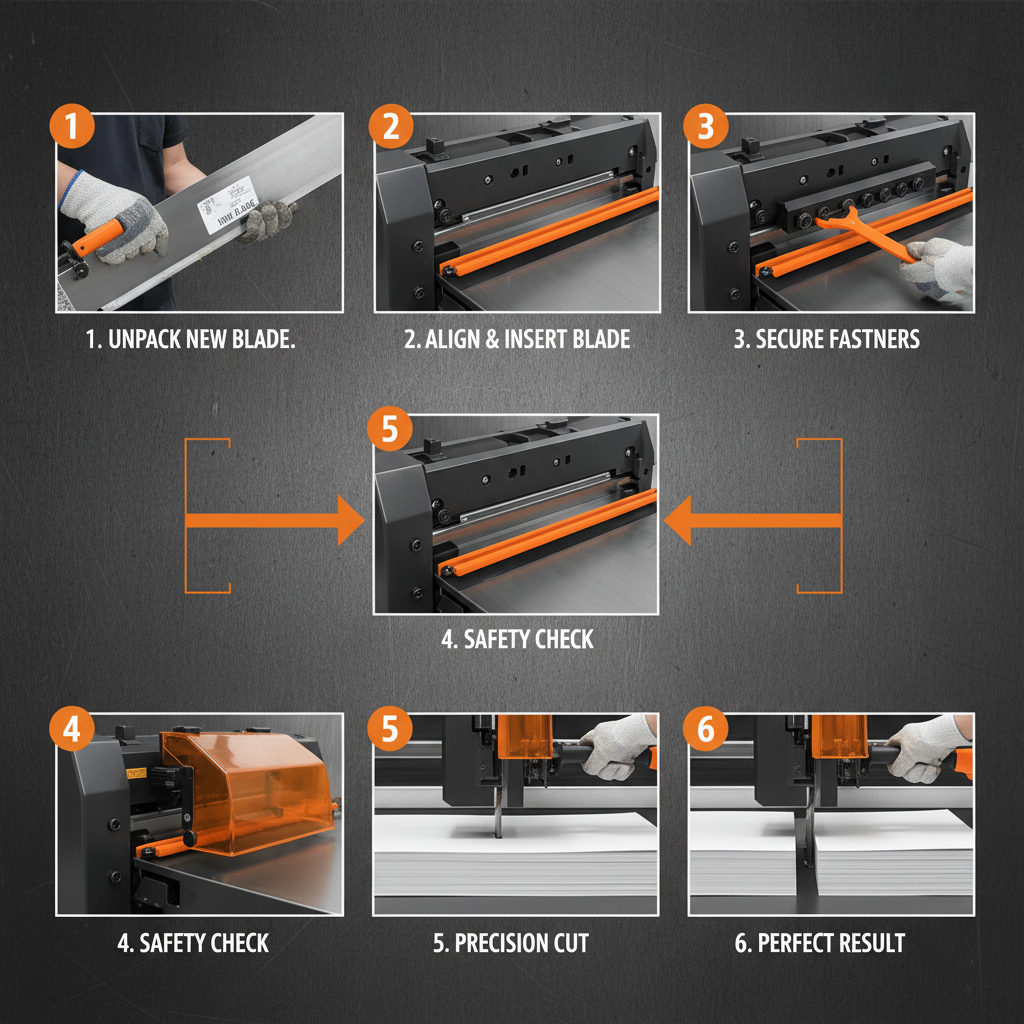
During replacement, precision is paramount. Ensuring the fixed blade edge faces inward and adjusting the movable blade via a balance wheel to maintain the 0.1-0.3mm gap is essential. A secondary inspection after tightening the screws prevents the risk of blade detachment during high-speed rotation.
When evaluating options from various shredder blade manufacturers, buyers should employ a decision matrix that correlates material hardness with the specific type of plastic being processed. Selecting a blade that is too hard for the application can lead to brittle failure, while one that is too soft will require excessive downtime for sharpening.
The trade-off between initial cost and service hours is a key metric. For example, an HSS blade may last 150-300 hours, whereas a hard alloy blade can reach 800-1200 hours. In a 24/7 operation, the reduction in labor costs for blade changes often outweighs the higher initial price of the premium material.
Ultimately, the choice must be validated against the operational intensity. For standard recycling, high-speed steel is sufficient; however, for industrial-grade production lines processing high-load mixtures, alloy tool steel or tungsten carbide is non-negotiable for maintaining productivity.
| Material Type | Hardness (HRC) | Typical Application | Expected Lifespan |
|---|---|---|---|
| High Speed Steel | 55-58 | ABS, PE, PP Sheets | 150-300 Hours |
| Alloy Tool Steel | 58-62 | Mixed Plastics / Impurities | 400-600 Hours |
| Hard Alloy (WC) | High/Variable | Continuous Industrial Lines | 800-1200 Hours |
| Stainless Steel | Variable | Wet/Corrosive Environments | Application Dependent |
| Spring Steel | Moderate | Soft Low-Cost Plastics | 100-200 Hours |
| Tungsten Matrix | Extreme | Hard Engineering Plastics | 1000+ Hours |
Blade geometry determines how the material is gripped and sheared. Flat blades are efficient for thin, hollow items, whereas serrated or hook blades are necessary for resilient or fibrous materials (like films and woven bags) to prevent slippage. Using the wrong geometry increases motor strain and reduces the quality of the resulting particles, potentially leading to equipment jams.
Alloy Tool Steel (such as Cr12MoV) should be selected when processing high-strength mixed materials or waste that may contain metal impurities. It offers a better balance of hardness (HRC 58-62) and toughness than HSS, which reduces the risk of the blade chipping or breaking when hitting a hard foreign object during the shredding process.
The recommended spacing between the fixed and movable blades is generally between 0.1mm and 0.3mm. This precise gap ensures that the material is sheared rather than crushed or folded. The exact setting should be adjusted in conjunction with the sieve frame based on the thickness and elasticity of the plastic being processed.
Lifespan is extended through three main actions: regular cleaning with high-pressure air to remove plastic residue, consistent lubrication of bearings every 20 hours with lithium-based grease, and ensuring precise installation to avoid collisions. Additionally, matching the blade material (e.g., Hard Alloy for high-load) to the material being processed prevents premature wear.
For wet environments, stainless steel blades (such as 316L material) are the most suitable choice. Unlike high-speed or alloy steels, stainless steel is resistant to rust and corrosion, preventing the cutting edges from degrading due to moisture or chemical exposure, which ensures long-term operational stability.
No, it depends on the duty cycle. For intermittent, small-scale operations processing soft plastics, HSS is the most cost-effective. However, for industrial-grade recycling production lines operating 24/7 with high loads, hard alloy blades are justified because they last 5-8 times longer, drastically reducing labor costs and downtime.
The efficiency of any plastic recycling system is ultimately limited by the performance of its cutting tools. By aligning blade geometry with material characteristics and selecting metallurgy based on the intensity of the operation, manufacturers can significantly reduce operational costs and improve throughput.
Precision engineering and a disciplined maintenance schedule are the only ways to ensure that industrial shredders operate at peak capacity while minimizing the frequency of expensive part replacements.