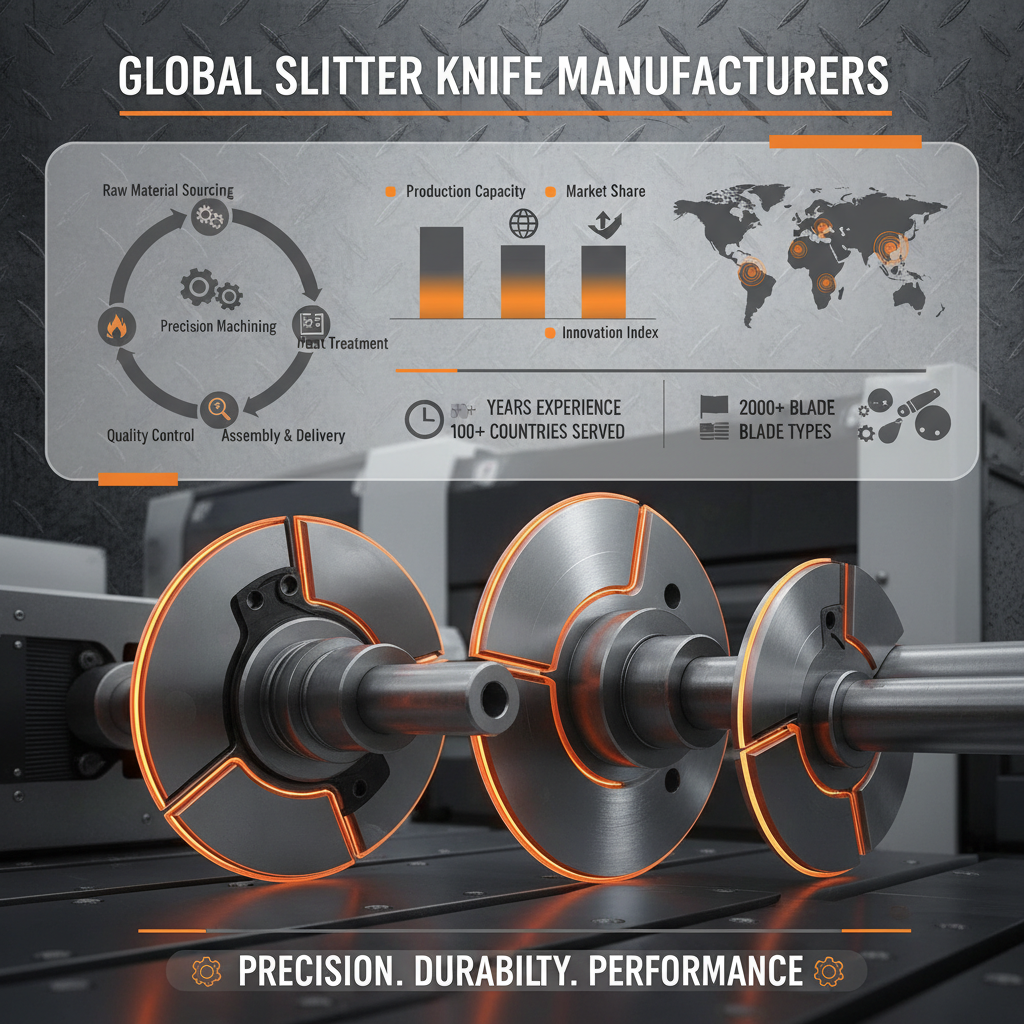
Slitter knife manufacturers play a critical role in a vast array of industries, from paper and plastic film production to textile manufacturing and even advanced material processing. These specialized cutting tools are essential for achieving precise, clean cuts, impacting product quality, production efficiency, and overall operational costs. The global demand for high-performance slitter knives is continuously evolving, driven by increasing automation, tighter tolerances, and a need for sustainable manufacturing practices. Understanding the nuances of slitter knife technology and the capabilities of different slitter knife manufacturers is therefore vital for businesses seeking to optimize their cutting processes.
The market for slitter knives is a significant component of the broader industrial tooling sector. Recent reports indicate steady growth, particularly in emerging economies where manufacturing output is rapidly expanding. This growth is fuelled by factors such as increased packaging demands, the expanding flexible packaging market, and the adoption of advanced materials. However, challenges remain, including the need for specialized expertise in knife selection and maintenance, the high cost of quality materials, and the environmental impact of manufacturing processes. Selecting the right slitter knife manufacturers is paramount to overcoming these hurdles.
The impact of slitter knives extends beyond direct production. Their precision directly affects waste reduction, ensuring minimal material loss and contributing to a more sustainable manufacturing footprint. Moreover, improvements in slitter knife technology are enabling the processing of increasingly complex and delicate materials, opening doors to innovative product development and applications. The ability to consistently deliver high-quality cuts, alongside minimizing downtime, makes selecting a reputable slitter knife manufacturers essential for maintaining competitiveness in today's global market.
The Importance of Slitter Knife Manufacturers
The quality of slitter knives directly impacts the efficiency and profitability of numerous manufacturing processes. Reputable slitter knife manufacturers understand this interconnectedness and focus on delivering tools that minimize downtime, reduce waste, and enhance product quality. They aren't simply producing blades; they are providing solutions tailored to specific application requirements.
Choosing a reliable manufacturer goes beyond price. Factors like material selection, precision grinding, heat treatment, and the ability to provide custom designs are all critical. A dedicated manufacturer will often offer support services, including blade sharpening, repair, and technical guidance, further maximizing the value of their products.
Global Context and Industry Relevance
The demand for slitter knives is intricately linked to the growth of various industries, including packaging, paper, plastics, textiles, and nonwovens. With global packaging markets projected to reach substantial values in the coming years (estimated at over $1 trillion by 2028, according to Smithers Pira), the need for high-quality slitting solutions continues to escalate. This translates directly into a growing reliance on skilled slitter knife manufacturers.
Geographically, Asia-Pacific represents the largest and fastest-growing market for slitter knives, driven by rapid industrialization and a booming consumer goods sector. North America and Europe also remain significant markets, albeit with a greater emphasis on high-precision, specialized applications. ISO standards and stringent quality control measures are increasingly prevalent across all regions, pushing manufacturers to continually improve their processes.
The challenges faced by industries reliant on slitter knives – such as minimizing waste, improving cutting accuracy, and accommodating new materials – underscore the critical role of innovation within the manufacturing sector. slitter knife manufacturers are at the forefront of addressing these challenges, developing cutting-edge tools and technologies to meet evolving market demands.
Defining Slitter Knife Manufacturing
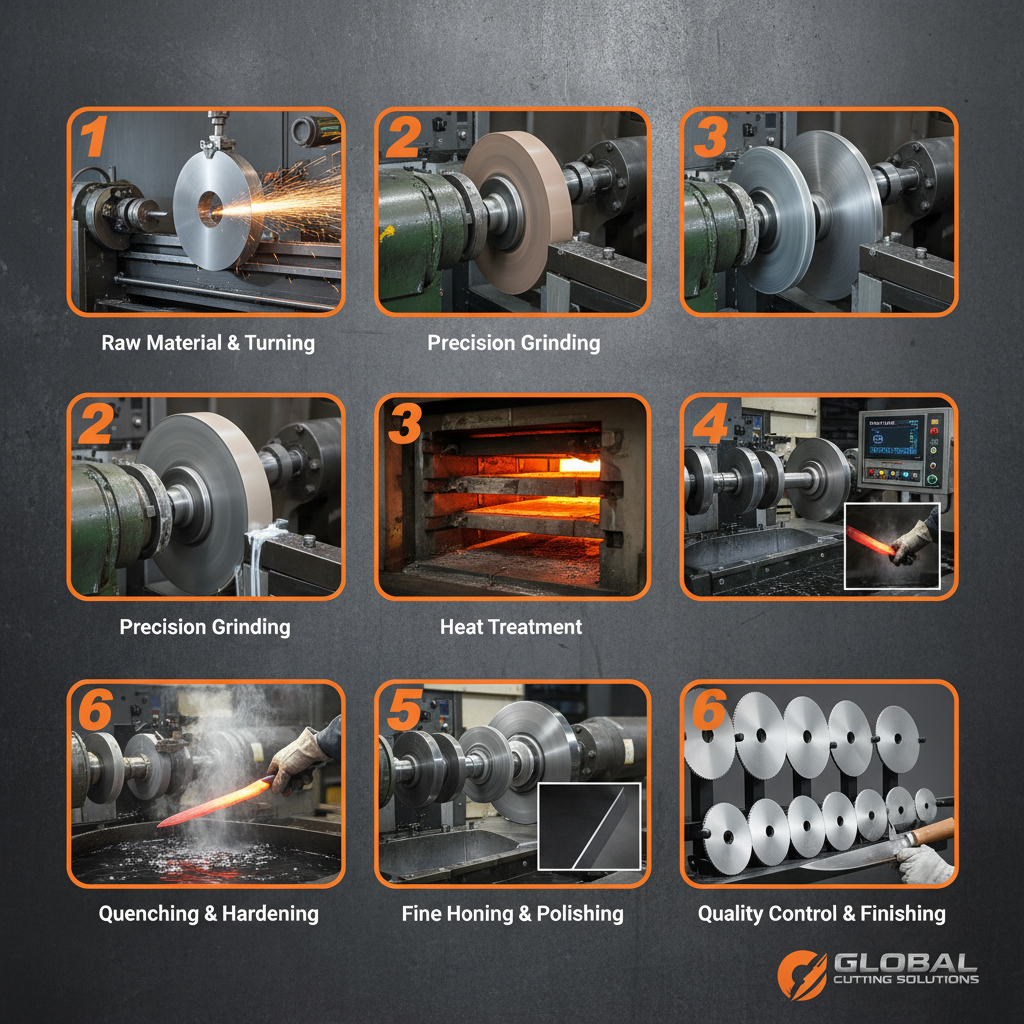
Slitter knife manufacturing encompasses the entire process of designing, producing, and finishing cutting blades used in a variety of slitting applications. It's a specialized field requiring expertise in metallurgy, machining, and heat treatment. The core process begins with selecting the appropriate raw material – typically tool steels, tungsten carbide, or ceramic materials – based on the intended application and desired blade properties.
The manufacturing process then involves precision machining techniques such as grinding, EDM (Electrical Discharge Machining), and laser cutting to achieve the desired blade geometry. Critical parameters like blade angle, thickness, and edge profile are meticulously controlled to ensure optimal cutting performance. Leading slitter knife manufacturers employ advanced quality control measures throughout the process, utilizing optical inspection systems and dimensional analysis to verify accuracy.
Finally, heat treatment is employed to enhance the blade's hardness, toughness, and wear resistance. The precise heat treatment process is crucial for achieving the desired balance of properties and ensuring long-term blade durability. Ultimately, the goal of slitter knife manufacturing is to create a cutting tool that delivers consistent, clean cuts with minimal downtime and maximum efficiency.
Key Factors in Slitter Knife Quality
Several key factors determine the quality and performance of slitter knives. Durability is paramount; the blade must withstand repeated use and resist wear, chipping, and cracking. Scalability – the ability to consistently produce knives to exacting specifications – is also crucial, especially for large-scale production runs.
Cost efficiency, while important, shouldn’t come at the expense of quality. The total cost of ownership, including blade life, maintenance, and downtime, should be considered. Precise grinding is another critical element, ensuring a sharp, consistent cutting edge. Finally, material selection plays a vital role in determining the blade's suitability for specific applications.
Slitter Knife Quality Metrics
Global Applications and Industry Use Cases
Slitter knives find applications across a remarkably diverse range of industries. In the paper industry, they are crucial for slitting paper rolls into sheets of specific widths for printing, packaging, and other purposes. The plastics industry utilizes them for slitting films, sheets, and tapes. The textile industry employs slitter knives in fabric cutting and slitting operations.
Flexible packaging is a particularly significant application area, with slitter knives used to create precise cuts in multi-layer films used for food packaging, medical packaging, and industrial applications. Furthermore, innovative applications are emerging in the processing of composite materials, nonwovens, and even advanced materials like carbon fiber. slitter knife manufacturers are frequently tasked with producing custom blades to meet these evolving needs.
These applications span geographically. In North America, the focus is on high-precision slitting for specialized packaging, while in Asia, large-volume production demands drive the need for durable, cost-effective blades. Across all regions, the demand for knives capable of handling increasingly complex materials is a common thread.
Advantages and Long-Term Value
Investing in high-quality slitter knives from a reputable manufacturer yields substantial long-term benefits. Reduced downtime due to fewer blade changes and failures translates directly into increased production capacity and lower operating costs. Enhanced cut quality minimizes waste, leading to material savings and improved product consistency.
The reliability of premium slitter knives contributes to a safer working environment, reducing the risk of accidents and injuries. Furthermore, working with experienced slitter knife manufacturers often provides access to valuable technical support and expertise, helping optimize cutting processes and maximize blade life.
Future Trends and Innovations in Slitter Knife Technology
The future of slitter knife technology is being shaped by several key trends. Automation and robotics are driving the demand for knives that can withstand higher speeds and more frequent use. The development of new materials, such as advanced ceramics and coatings, is enhancing blade durability and performance.
Digitalization is also playing a role, with manufacturers utilizing data analytics and machine learning to optimize blade designs and predict maintenance needs. Sustainability is another critical driver, leading to the development of eco-friendly materials and manufacturing processes. slitter knife manufacturers are also exploring new methods for blade recycling and reuse.
Ultimately, the goal is to create slitter knives that are more efficient, more durable, more sustainable, and better able to meet the evolving needs of a rapidly changing manufacturing landscape.
Challenges & Solutions
One of the primary challenges facing the slitter knife industry is maintaining precision and consistency in the face of increasing material complexity. New materials, such as those with embedded fibers or varying densities, can be difficult to cut cleanly and efficiently. Another challenge is the rising cost of raw materials, particularly high-quality tool steels.
Solutions include investing in advanced machining technologies, such as laser cutting and EDM, to achieve tighter tolerances and more intricate blade geometries. Developing new coatings and surface treatments can enhance blade wear resistance and reduce friction. Collaborating closely with material suppliers and end-users is also crucial for optimizing blade designs for specific applications.
slitter knife manufacturers are also addressing these challenges by offering customized solutions tailored to specific customer needs, providing comprehensive technical support, and implementing robust quality control measures throughout the manufacturing process.
Common Challenges and Solutions in Slitter Knife Manufacturing
| Challenge |
Impact on Performance |
Proposed Solution |
Implementation Cost (1-10) |
| Material Wear & Tear |
Reduced blade life, frequent replacements |
Utilize higher-grade tool steels or coatings |
7 |
| Precision Issues |
Inconsistent cuts, increased waste |
Employ advanced grinding and EDM techniques |
8 |
| Heat Buildup |
Reduced blade hardness, thermal distortion |
Implement effective cooling systems during machining |
6 |
| Complex Material Slitting |
Difficult cutting, blade damage |
Custom blade geometry and material selection |
9 |
| High Production Demands |
Increased blade failure rates |
Optimize blade maintenance and sharpening schedules |
5 |
| Rising Raw Material Costs |
Increased production expenses |
Explore alternative materials and streamline manufacturing |
4 |
FAQS
The lifespan of a slitter knife varies significantly based on factors such as the material being cut, the operating speed, the frequency of use, and the quality of the blade itself. Generally, high-quality slitter knives can last for several months to over a year with proper maintenance, including regular sharpening. Consistent monitoring of blade sharpness and timely replacement are crucial for optimal performance and preventing damage to other components.
Selecting the right slitter knife requires careful consideration of several factors, including the type of material being cut (paper, plastic, textile, etc.), the material's thickness and composition, the desired cut quality, and the operating speed of your slitting machine. Consulting with a reputable slitter knife manufacturers is highly recommended, as they can provide expert guidance and recommend the best blade geometry, material, and coating for your specific needs.
Regular maintenance is essential for maximizing the lifespan and performance of slitter knives. This includes cleaning the blades after each use to remove debris and contaminants, sharpening the blades when they become dull, and inspecting the blades for any signs of damage, such as chipping or cracking. Professional blade sharpening services are available to ensure optimal cutting edge geometry. Proper storage is also crucial to prevent corrosion.
Coated slitter knives offer several advantages over uncoated blades. Coatings such as titanium nitride (TiN) and diamond-like carbon (DLC) enhance blade hardness, wear resistance, and corrosion resistance. This results in longer blade life, reduced friction, and improved cut quality. Coated blades are particularly beneficial when cutting abrasive materials or operating in harsh environments.
Yes, most slitter knives can be resharpened multiple times, extending their lifespan and reducing overall costs. However, the number of times a blade can be resharpened is limited by its thickness and the amount of material removed during each sharpening process. It is crucial to use a professional blade sharpening service to ensure that the blades are resharpened to the correct geometry and specifications.
Slitter knives are extremely sharp and pose a significant safety risk. Always wear appropriate personal protective equipment (PPE), including cut-resistant gloves, safety glasses, and protective clothing, when handling slitter knives. Handle the blades with care and avoid touching the cutting edge. Never attempt to sharpen a slitter knife yourself without proper training and equipment. Follow all safety guidelines provided by the slitter knife manufacturers.
Conclusion
In conclusion, slitter knife manufacturers play a pivotal role in supporting a wide array of industries by providing the precise and reliable cutting tools necessary for efficient and high-quality production. Understanding the critical factors influencing blade performance – durability, precision, material selection, and ongoing maintenance – is paramount for maximizing return on investment and ensuring operational success. The continuing advancement of slitter knife technology promises even greater efficiencies and capabilities in the years to come.
Looking ahead, the industry is poised for further innovation driven by the demands for automation, sustainability, and the processing of increasingly complex materials. Investing in collaborative partnerships with leading slitter knife manufacturers, embracing new technologies, and prioritizing preventative maintenance will be crucial for manufacturers seeking to stay ahead of the curve and maintain a competitive edge in the global marketplace.