
Corrugated Paper Processing Blade
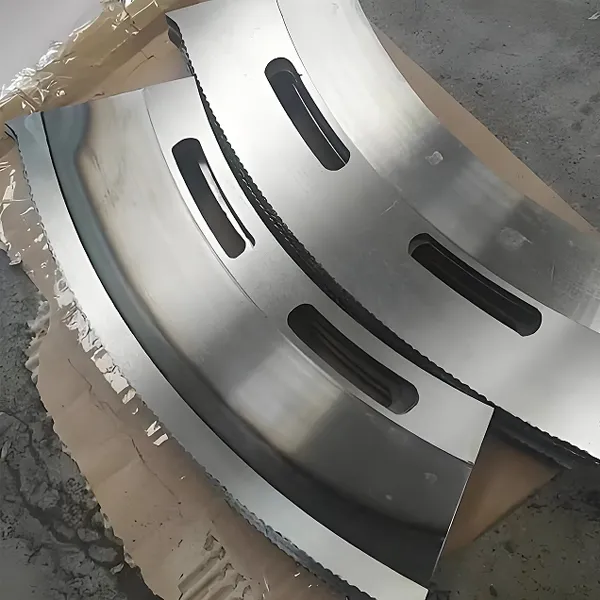
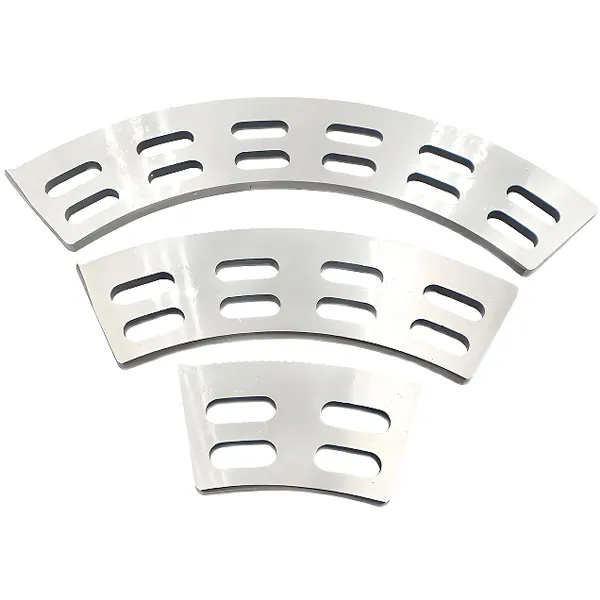
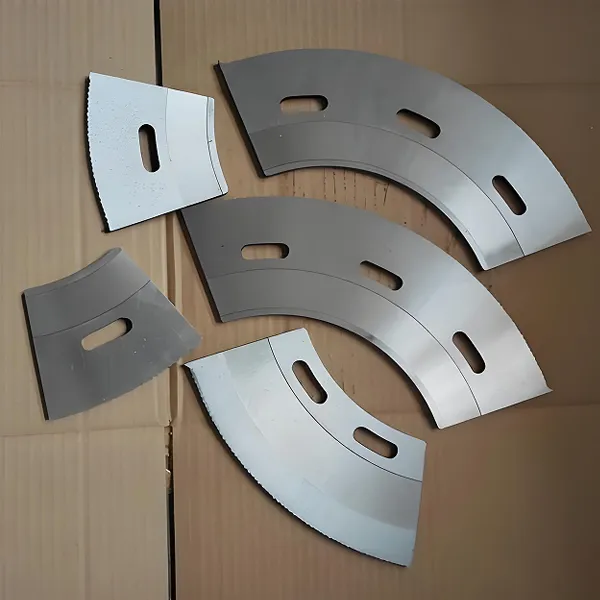
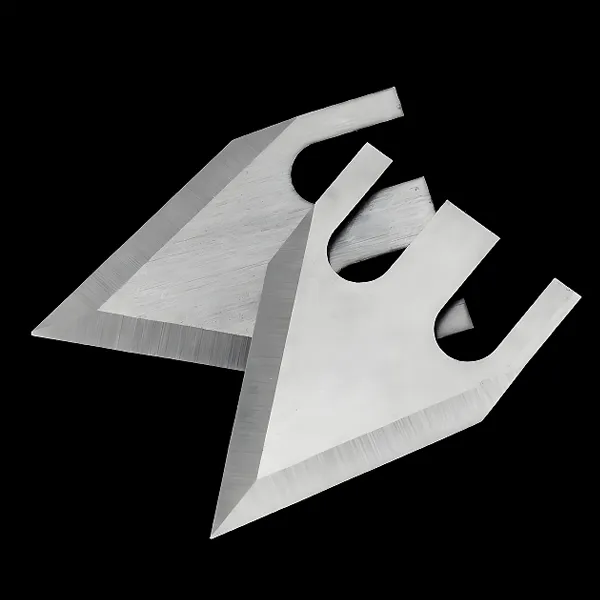
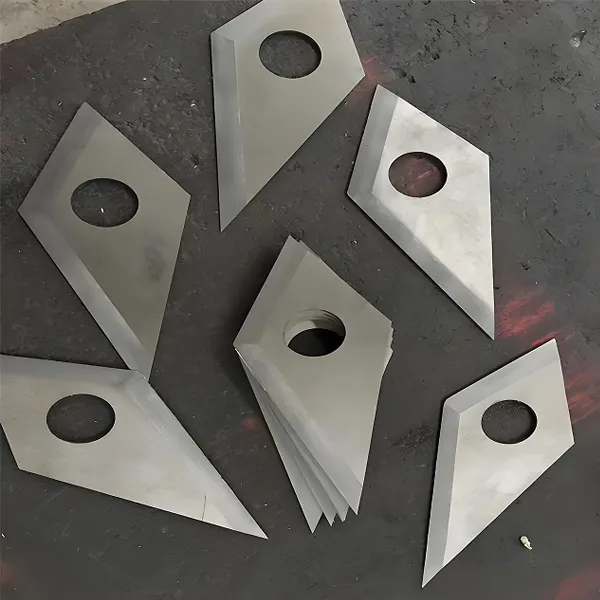
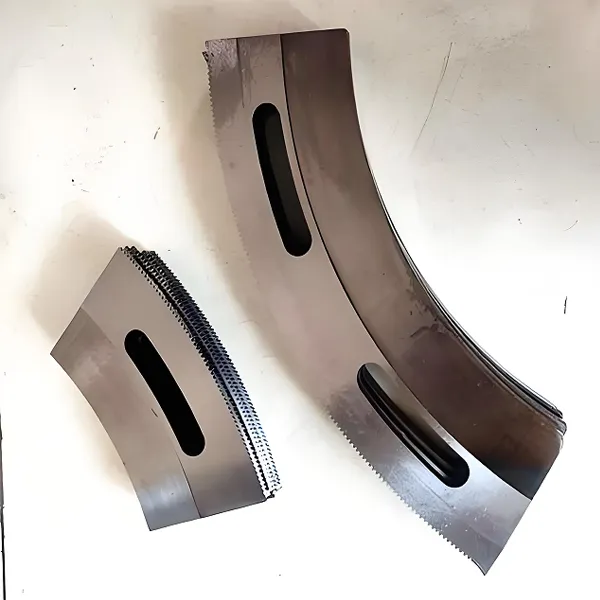
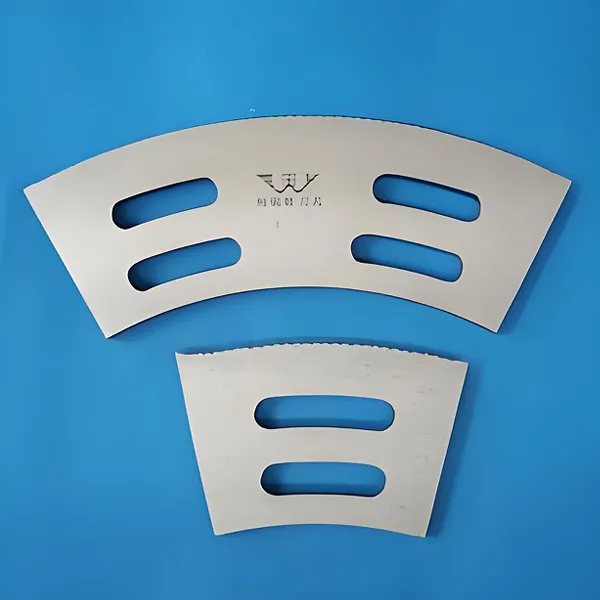
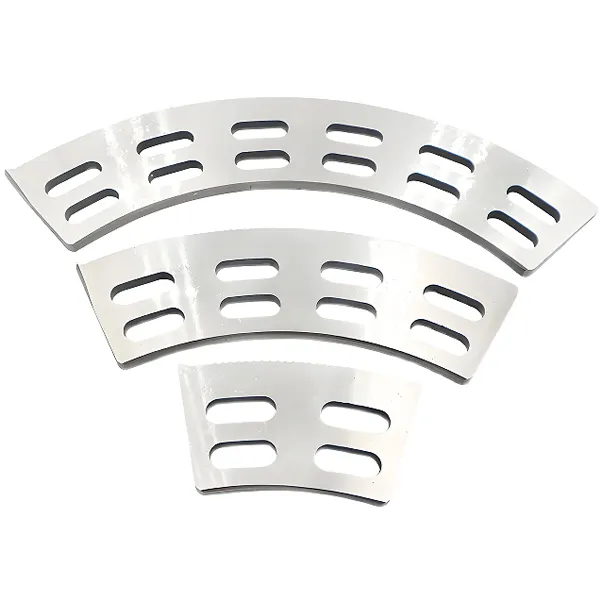
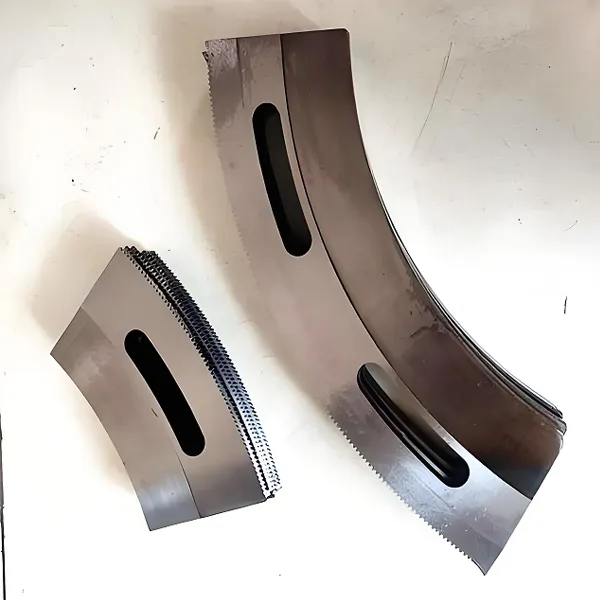
1.Slotting blade (fan blade): used for slotting cartons, paper towels and other materials, which can be divided into two types: toothed and toothless, and can cut one or more grooves on corrugated cardboard to facilitate accurate bending and molding of cardboard. After grooving, the indentation is clear, which ensures the stability of the internal size of the carton and adapts to the carton forming process. Applicable material: 9CrSi: it is suitable for fan-shaped knife (grooving knife), which has both wear resistance and toughness and high cost performance. Cr12mov (D2/SKD11): Hardness HRC58-60, suitable for high-strength grooving, with wear-resistant life of over 8,000 hours.
2.Cutting blade, longitudinal cutting and indentation. The thin knife paper separator adopts a precision blade with a thickness of 1mm, and the cutting speed reaches 80 m/min, and the cutting gap is ≤0.1mm, so as to ensure that the edge of corrugated board is burr-free. The line pressing process is completed at the same time of cutting, and the line pressing accuracy is ±0.05mm, which meets the needs of carton folding and positioning.
3.Die-cutting blade: CNC die-cutting equipment is driven by servo motor, with positioning accuracy of ±0.05mm, which can handle 1800mm wide cardboard and is suitable for large-scale production line.
Laser die-cutting technology uses 300℃ high-temperature beam to vaporize fiber, realizing non-contact cutting, and the burr rate is ≤0.02mm, which is suitable for the packaging of precision electronic products.
|
Blade Type |
Adaptive scene |
Core advantage |
Application |
|
Circular Blade |
High-speed slitting and slitting of metal foil composite paper |
Smooth cutting edge, supporting continuous operation. |
Hard alloy material is preferred. |
|
Sector Knife (Grooving Knife) |
Slotting carton and trimming corrugated paper. |
Strong impact resistance, suitable for high gram weight materials. |
9CrSi/Cr12MoV material |
|
Single-Sided/Double-Sided Square Knife |
Thin corrugated paper slitting (< 70μm) |
Double-sided knife has good flexibility and reduces burrs. |
Single-sided knife for cutting thick film |
|
Dish Knife |
Precision cutting and trimming |
Lightweight design, adapting to special materials |
Customized production requirements |
|
Material Classification |
Advantage |
Application |
|
Cemented Carbide (Tungsten Carbide) |
Hardness up to HRA89-93, excellent wear resistance, suitable for high-speed cutting (≥100 m/min), suitable for processing high-gram corrugated board and film-covering materials. |
Corrugated paper is longitudinally cut into strips and metal foil composite paper is cut, and the cutting edge is smooth and burr-free. |
|
High Speed Steel (HSS) |
Good toughness and high cost performance, suitable for cutting ordinary corrugated paper at medium and low speed. |
Regular cutting demand of office paper cutter and small and medium-sized printing enterprises |
|
Cr12MoV(D2/SKD11) |
High wear resistance and impact resistance, suitable for large round knives and grooving knives. |
Grooving corrugated paper and trimming thick cardboard. |
|
9CrSi |
Balanced comprehensive performance, suitable for fan-shaped knives (grooving knives) and high-precision cutting. |
Carton slotting and wrapping paper cutting. |
Batch cutting of special-shaped cartons and gift boxes, with a daily output of over 50,000 pieces.
Composite film (paper-plastic material) is cut, and the separation purity of paper layer and plastic layer is ≥95%.
1.High-speed cutting: carbide circular blade (such as tungsten steel single blade) or coated blade to ensure wear resistance;
2.medium and low speed cutting: high speed steel or Cr12MoV blade, reducing cost.
3.Grooving/trimming: Cr12mov or 9CrSi sector knife with strong impact resistance;
4.tissue paper cutting: double-sided square blade, reducing material tensile deformation.
5.High humidity scene: choose chrome-plated steel slitting roller+antirust coating component;
6.high cleaning requirements: stainless steel blades or aluminum alloy components to avoid pollution.
Regular sharpening: carbon steel blades need to be polished every 8-12 hours, and cemented carbide blades can be coated to extend their life;
Lubrication management: use paraffin or special lubricant to reduce friction and improve cutting accuracy;
Check the clearance: the clearance between the blade and the gasket is controlled at 0.05-0.1mm to avoid material tearing.
Through reasonable selection and maintenance, the corrugated paper processing blade can significantly improve the cutting efficiency and the quality of finished products, and adapt to the diversified needs from packaging cartons to special materials.
corrugated blades
slotter blades
Corrugated Paper Processing Blade FAQs
What is a corrugated paper processing blade used for in the paper packaging industry?
A corrugated paper processing blade is used for cutting, slotting, and die-cutting corrugated cardboard in the packaging industry. It helps manufacturers produce cartons, packaging boxes, and special-shaped cardboard products with high cutting precision and efficiency.
What types of corrugated cardboard cutting blades are commonly used?
Common types of corrugated cardboard cutting blades include slotting blades (fan blades), slitting blades, creasing blades, and die-cutting blades. Each type is designed for specific operations such as grooving, longitudinal cutting, indentation, or shape cutting of corrugated board.
What materials are used to manufacture corrugated board slitting blades?
Corrugated board slitting blades are typically made from high-performance materials such as 9CrSi alloy steel, Cr12MoV (D2/SKD11), high-speed steel, and tungsten carbide. These materials provide excellent wear resistance, toughness, and long service life.
How does a carton slotting blade improve carton forming accuracy?
A carton slotting blade creates precise grooves on corrugated cardboard, allowing the board to fold accurately during carton forming. Clear slotting lines help maintain the internal dimensions of cartons and improve packaging consistency.
What is the advantage of using carbide corrugated cutting blades for high-speed production lines?
Carbide corrugated cutting blades provide superior wear resistance and maintain sharp cutting edges during high-speed operations. They are suitable for cutting speeds up to 80 m/min, ensuring burr-free edges and high production efficiency.
Can corrugated die cutting blades handle special-shaped carton production?
Yes. Corrugated die cutting blades are widely used in CNC die-cutting equipment to produce special-shaped cartons and packaging boxes. With positioning accuracy of up to ±0.05 mm, they are ideal for high-volume packaging production lines.
How should corrugated paper slitting blades be maintained for long-term performance?
Corrugated paper slitting blades should be regularly sharpened and lubricated to reduce friction and maintain cutting accuracy. Carbon steel blades typically require polishing every 8–12 hours, while carbide blades have longer maintenance cycles.
Why choose high-quality corrugated cardboard cutting blades for packaging production?
High-quality corrugated cardboard cutting blades improve cutting precision, reduce burrs, and extend blade service life. They help packaging manufacturers achieve higher productivity while maintaining consistent carton quality.
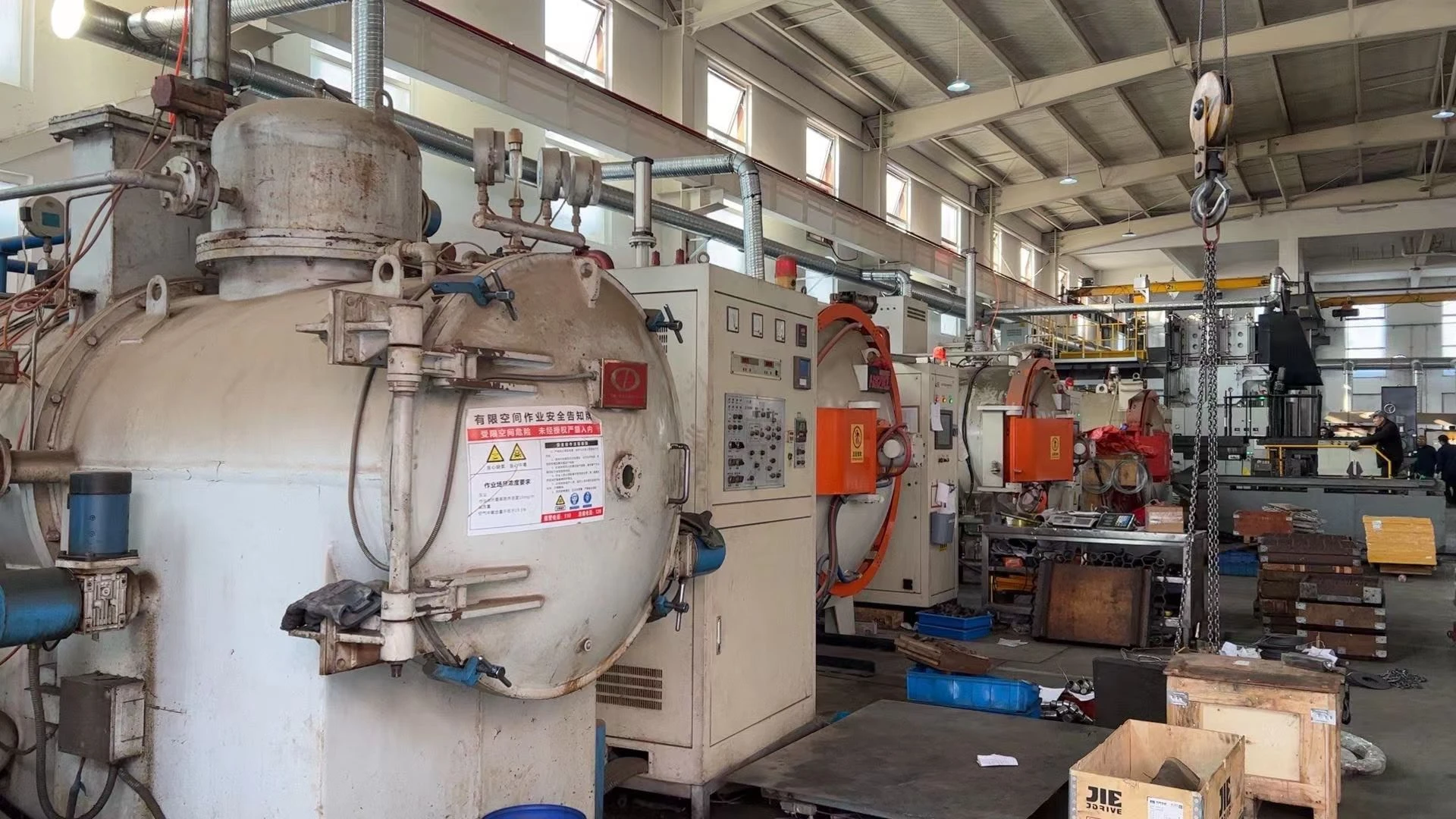
Durable Corrugated Blades for Packaging Industry Applications
Our corrugated blades are designed to withstand the abrasive nature of continuous board processing. Featuring advanced tungsten carbide coatings and precision-ground cutting edges, these blades significantly outlast conventional alternatives. The balanced designs reduce vibration during operation, ensuring precise cuts while extending machine component life. Our corrugated cutting solutions help packaging manufacturers improve production efficiency and reduce downtime for blade changes in carton converting operations.
-
 Die-Cutting Tool For Paper IndustryDie-cutting tools in paper industry are widely used in the fields of packaging printed matter processing, digital electronic supporting paper products, special paper products processing and industrial packaging materials cooling. Through technical iteration and multi-scene adaptation, they have become the core tools for paper industry to achieve high precision and high efficiency processing.
 -
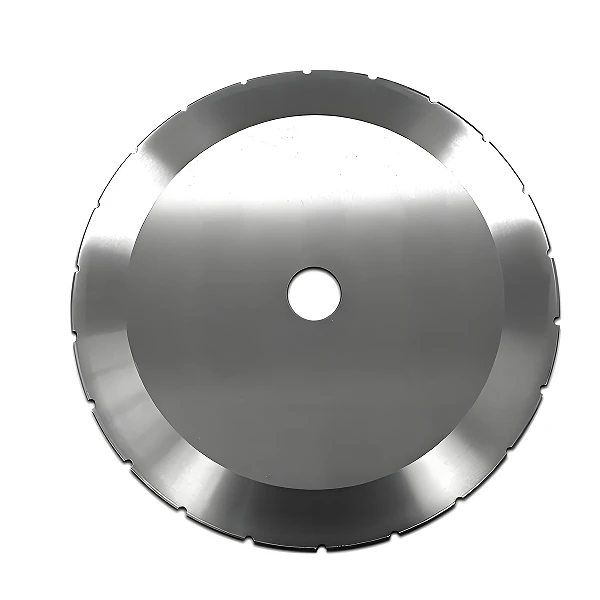 Paper Circular Slitter BladesThrough the combination optimization of shape and material (high speed steel, cemented carbide, etc.), the paper cutter blade can accurately adapt to the diversified cutting needs of printing, packaging and other scenes.
 -
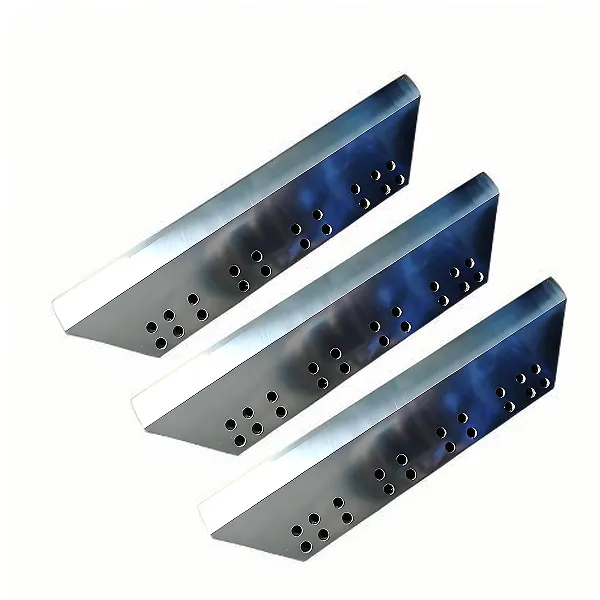 Guillotine Blades For Paper IndustryPaper slitter blades are widely used in basic paper slitting scenes, industrial paper processing and other fields, and can be applied to printing industry, packaging industry and label manufacturing industries. Through material optimization and process innovation, it covers the whole scene slitting needs from basic office paper to high-end industrial paper products.
 -
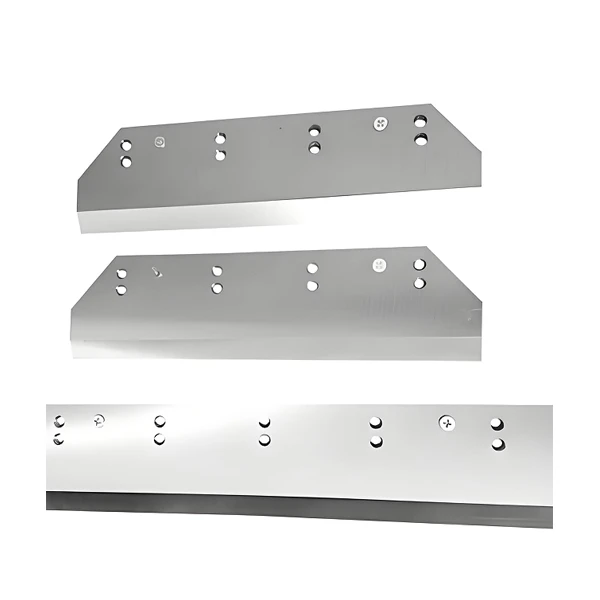 Blades For Paper Pulping IndustryPaper industry pulping blades are widely used in fields such as waste paper recycling, pulp preparation, and industrial pulp pretreatment; Through the collaborative application of pulping and cutting equipment, the paper industry has achieved efficient operation throughout the entire process from waste paper recycling to high-precision finished product processing.
 -
 Paper Shredding BladesPulverizing knives in the paper industry are widely used in the fields of waste paper recycling and recycling, industrial production-grade pulp preparation and high-precision specialty paper processing, etc. They are widely used in the production of recycled paper, packaging material recycling and environmental protection treatment, etc. Through diversified knife design and intelligent technology integration, the whole industry chain needs from basic waste paper recycling to high-value paper recycling are covered.
 -
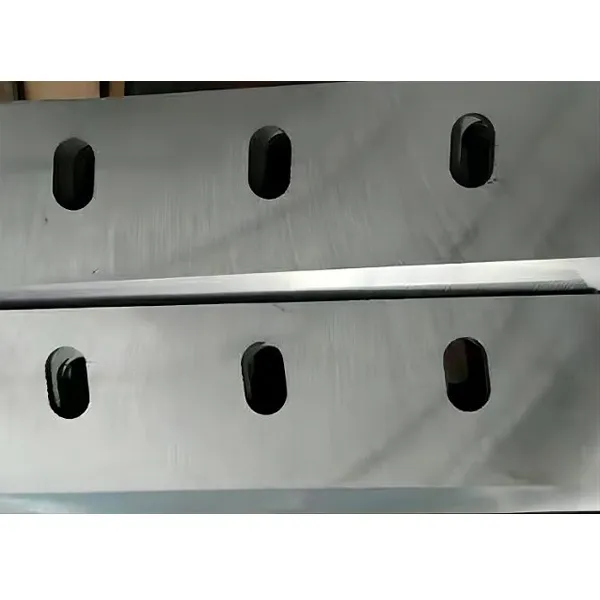 Wood Crusher BladeThe application of wood crusher blades covers multiple fields, including wood processing and recycling, landscaping and agriculture, industrial material preparation and special scenarios. Its core function is to achieve efficient conversion and recycling of wood resources through efficient cutting and crushing.
 -
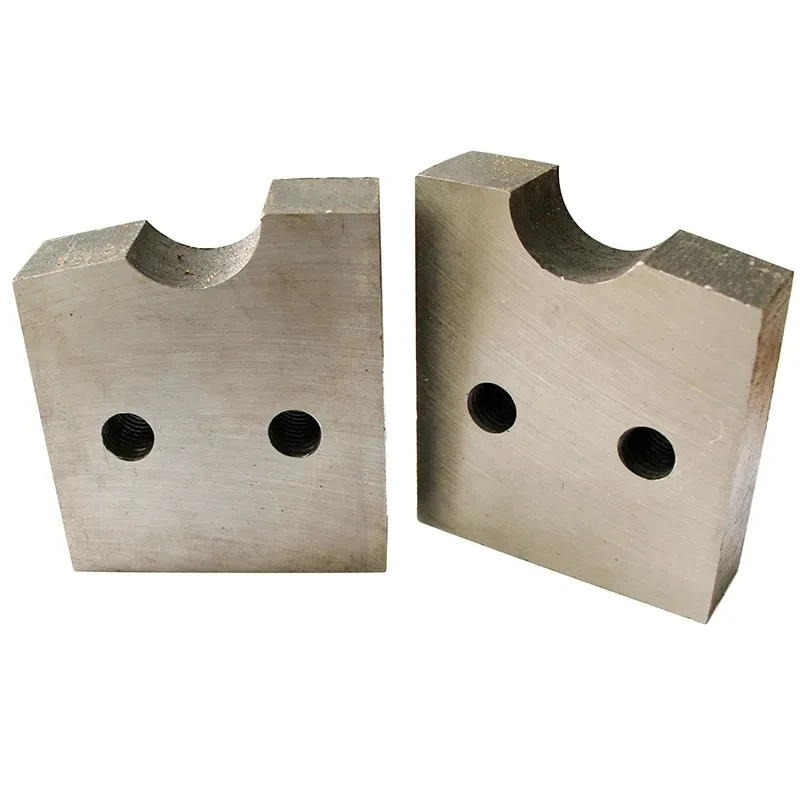 Steel Bar Cutting BladesThe steel bar cutting blade has the characteristics of high-strength material and process, precision structural design, thermal stability and wear resistance. When combined with sawing machines and pipe cutting machines or handheld or fixed equipment, it can achieve safe and efficient cutting of steel bars, and is widely used in the fields of construction engineering, industrial manufacturing, demolition and recycling.
 -
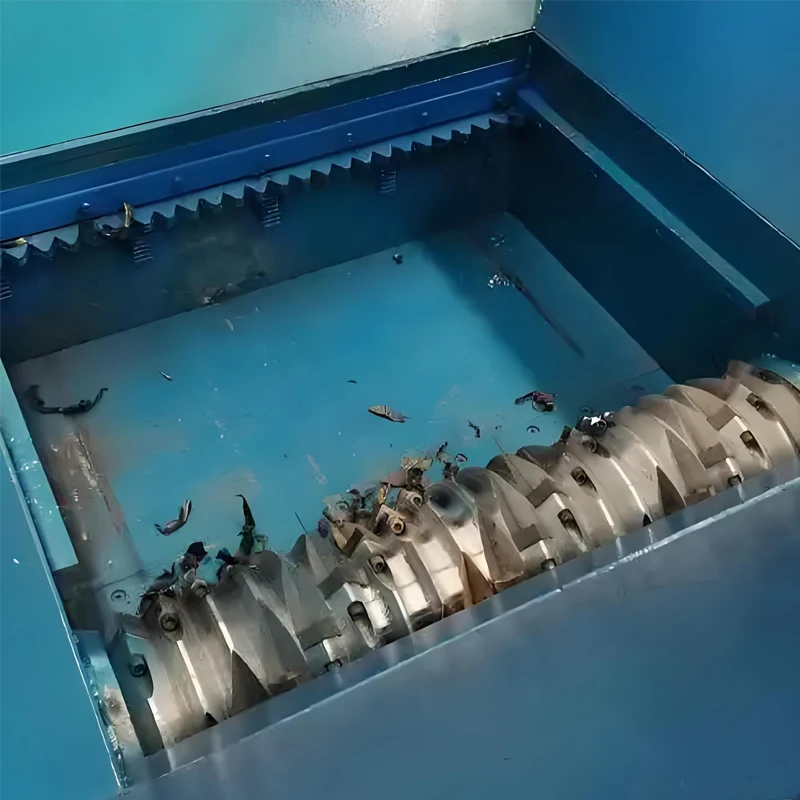 Mining Industry Crushing KnifeThe crushing knife in the mining industry is adapted to rough crushing, medium and fine crushing scenarios through differentiated design (tooth/cone/jaw), using high manganese steel and surface coating technology to enhance wear resistance, and ensuring continuous production needs through modular maintenance strategies, becoming the core equipment for efficient crushing and resource utilization of ores.
Get Binsheng Blade Tech Tips
ISO 9001 insights: industry trends & blade guides


