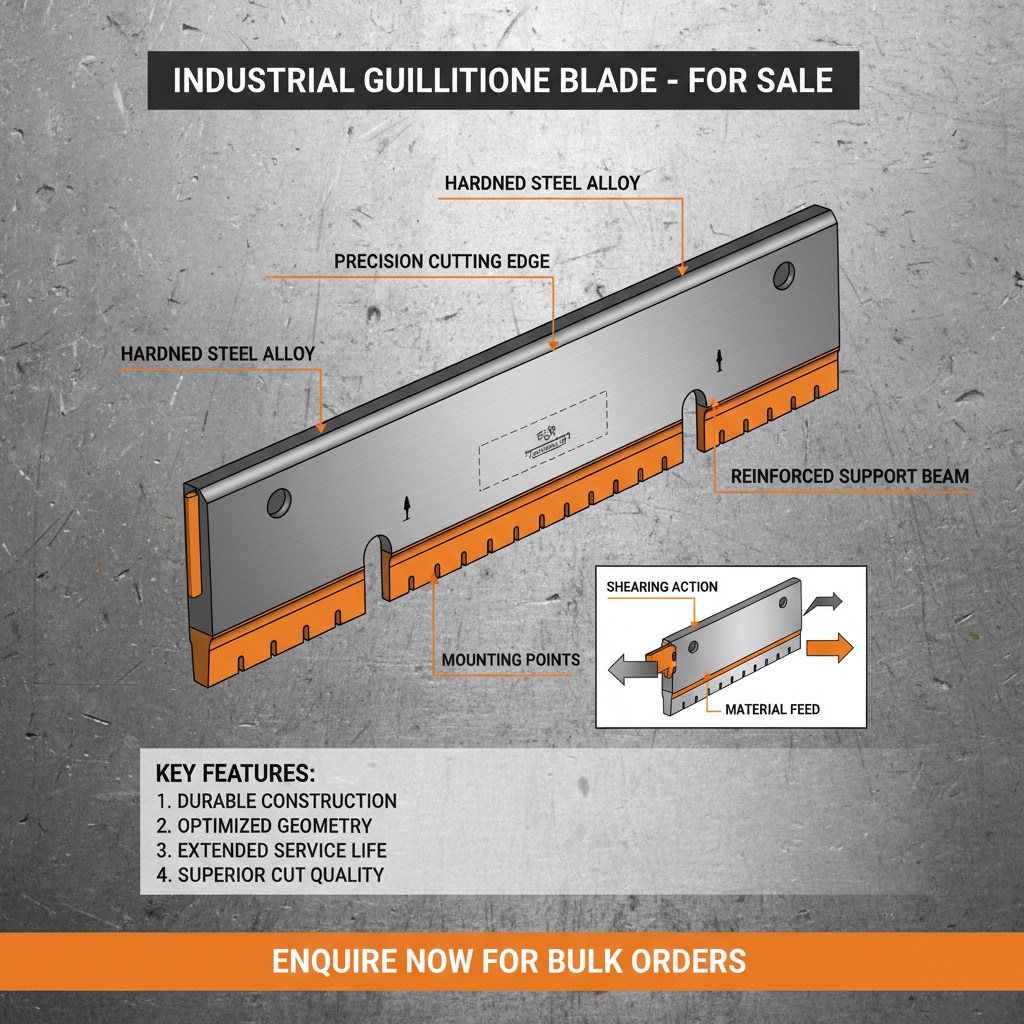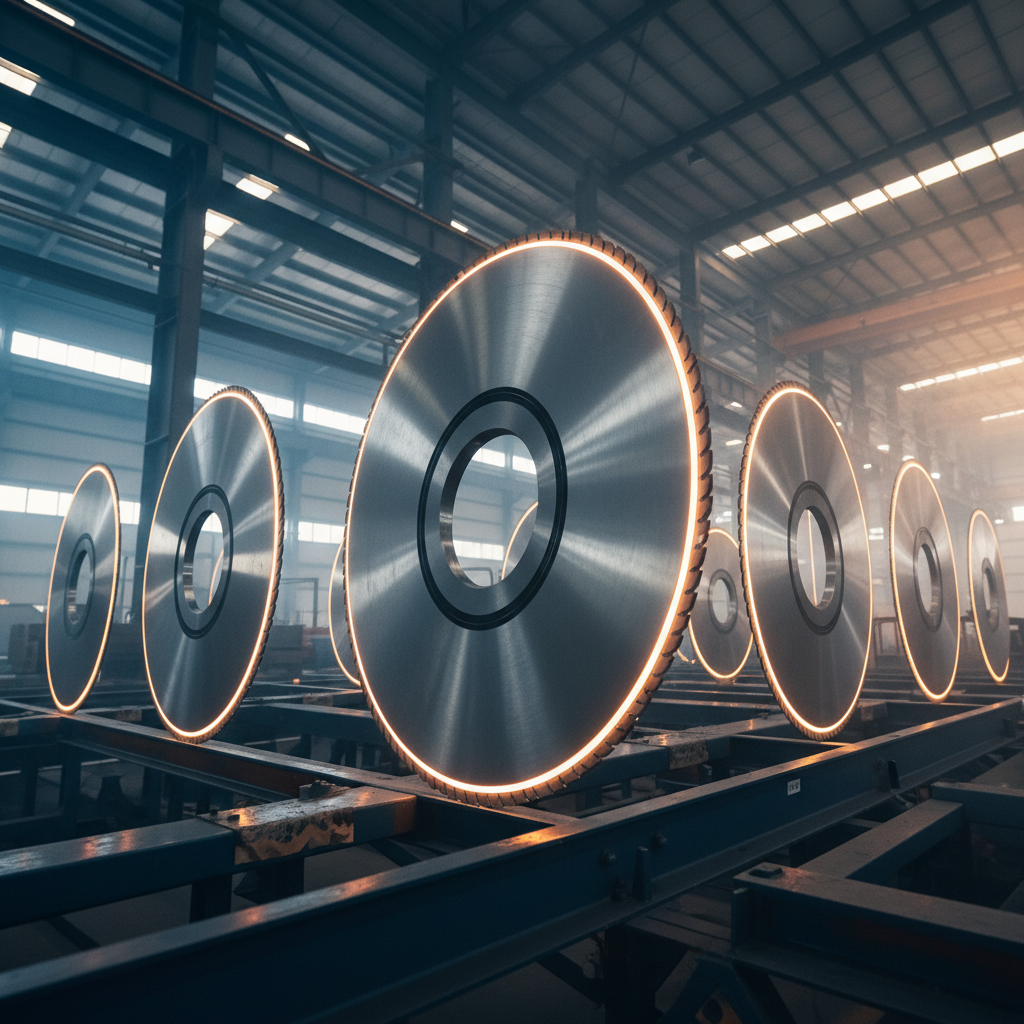
A meat grinder blade factory specializes in the precision engineering and production of high-performance cutting components used in industrial food processing and waste recycling. These facilities utilize advanced metallurgical processes to create blades that can withstand extreme friction and impact while maintaining a sharp cutting edge to ensure consistent material output.
For procurement managers and plant operators, the quality of the cutting blade directly impacts operational downtime, energy consumption, and the quality of the final product. In the context of high-volume meat processing or complex material shredding, utilizing blades crafted from superior alloy steels is essential to prevent frequent replacements and ensure food safety compliance.
This article provides a technical exploration of meat grinder blade manufacturing, focusing on material selection, geometric optimization, and procurement strategies. By understanding the variables that drive blade longevity, users can make informed decisions to optimize their processing lines for maximum efficiency and reduced total cost of ownership.

1Core Metallurgy of Industrial Cutting Blades

The foundation of any high-quality blade produced in a meat grinder blade factory is the selection of the substrate material. Most industrial-grade blades rely on high-carbon steel or specialized alloy steels like 55SiCr. These materials are chosen for their ability to be heat-treated to high hardness levels without becoming excessively brittle, allowing the blade to maintain a sharp edge during heavy-duty operation.
Metallurgical excellence involves controlling the grain size of the steel. Finer grain structures generally provide better toughness and fatigue resistance. In a professional manufacturing environment, vacuum heat treatment is often employed to eliminate oxidation and ensure that the hardness is consistent across the entire geometry of the blade.
Furthermore, the addition of alloying elements such as chromium, vanadium, or molybdenum enhances the blade's resistance to wear and corrosion. This is particularly vital in food processing where organic acids and cleaning chemicals can lead to surface degradation if the metallurgy is insufficient.
2Precision Geometric Design for Optimal Cutting
The geometry of a blade determines how it interacts with the material. A meat grinder blade factory must optimize the blade angle to balance sharpness and durability. For soft materials, a smaller angle provides a cleaner cut, but for dense or bone-containing materials, a wider angle (typically 25° to 35°) is necessary to prevent the edge from collapsing under pressure.
Beyond the primary angle, the thickness of the blade affects its rigidity. Thicker blades prevent bending and vibration during high-speed rotation, which is essential for maintaining the precision of the cut and reducing the mechanical load on the motor and drive shaft.
Customized designs may include micro-serrations or specific bevel profiles. These modifications can reduce friction and prevent material adhesion, which is a common problem when processing fatty meats or adhesive polymers in recycling applications.
3Application Scenarios and Material Compatibility
Industrial blades are not one-size-fits-all. In the food industry, blades must be made from food-grade stainless steels or high-carbon alloys with specific coatings to avoid contamination. The focus here is on hygiene, ease of cleaning, and the ability to maintain a sharp edge across varying textures of meat and cartilage.
In contrast, blades used in waste and scrap recycling, such as those for rubber tire shredding, require extreme impact resistance. These blades often feature hard alloy inlay welding, where tungsten carbide is bonded to the cutting edge to handle the abrasive nature of steel cords and reinforced rubber.
Wood and plastic processing industries require a different balance, focusing on anti-adhesion coatings. For instance, plastic film cutting systems often use specialized coatings to prevent the polymer from melting and sticking to the blade, which would otherwise result in uneven cuts and increased heat buildup.
4Quantifying Blade Performance and Longevity
Evaluating the performance of blades from a meat grinder blade factory involves analyzing the wear rate and the frequency of required regrinding. A high-performance blade is characterized by its "edge retention," meaning it can process a larger volume of material before the cutting efficiency drops below an acceptable threshold.
The correlation between material hardness (HRC) and service life is not linear. While higher hardness increases wear resistance, it can increase the risk of brittle fracture. The goal is to find the "sweet spot" where the blade is hard enough to resist abrasion but tough enough to survive unexpected impacts.
meat grinder blade factory Performance Metrics
Operational efficiency is also measured by the energy consumption of the machine. Dull blades increase friction, forcing the motor to draw more current and generate more heat, which can degrade the quality of the processed meat by causing "smearing" or premature cooking of the product.
5Procurement Standards for Blade Sourcing
When sourcing from a meat grinder blade factory, procurement teams should look beyond the initial price. The Total Cost of Ownership (TCO) includes the purchase price, the cost of downtime for replacement, and the labor costs associated with maintenance and sharpening.
Reliable suppliers provide a clear path for customization. Since every processing line has unique requirements—varying from material density to rotational speed—the ability to adjust the blade's metallurgical properties and geometry is a key indicator of a factory's technical capability.
Additionally, evaluating the supplier's quality control systems, such as ISO 9001 certification, ensures that every batch of blades is consistent. Inconsistent hardness across a set of blades can lead to uneven wear and vibration, which may damage the machinery's internal bearings.
6Innovations in Coating and Surface Treatment
Modern surface treatments have revolutionized blade longevity. Titanium Nitride (TiN) and Diamond-Like Carbon (DLC) coatings are now common in high-end production. These coatings provide a surface hardness far exceeding that of the base steel, significantly reducing the coefficient of friction.
Reducing friction not only extends the life of the edge but also minimizes the heat generated during cutting. In food processing, this is critical for maintaining the cold chain and preventing the oxidation of fats, which can affect the flavor and shelf life of the ground meat.
Furthermore, plasma nitriding is often used to create a hard "case" on the surface of the blade while maintaining a ductile core. This hybrid structure allows the blade to resist surface wear while remaining resilient against heavy shocks that would otherwise shatter a fully hardened tool.
7Comparative Analysis of Blade Material Options
Selecting the right material is a trade-off between cost, hardness, and toughness. High-carbon steel is cost-effective for general use, but specialized alloys are required for extreme environments. The following table compares the most common materials used in industrial cutting.
The choice depends largely on the "abrasiveness" of the material being processed. For example, processing bone-in meat requires a higher impact resistance than processing pure muscle, shifting the preference toward alloy steels with specialized heat treatments.
| Material Type | Primary Strength | Typical Application | Wear Resistance |
|---|---|---|---|
| High Carbon Steel | Cost-Effective | General Food Grinding | Moderate |
| Alloy Steel (55SiCr) | Balanced Toughness | Industrial Meat Processing | High |
| Tungsten Carbide | Extreme Hardness | Metal/Rubber Recycling | Very High |
| Stainless Steel | Corrosion Resistance | High-Hygiene Environments | Moderate |
| DLC Coated Alloy | Low Friction | Plastic/Polymer Cutting | High |
| Hard Alloy Welded | Impact Strength | Tire Cord Shredding | Extreme |
Ultimately, a partnership with a technically proficient meat grinder blade factory allows a company to optimize these variables, ensuring that the chosen material aligns perfectly with the operational load and budget constraints of the facility.
Frequently Asked Questions
Conclusion
Maximizing the efficiency of an industrial processing line depends heavily on the quality of the cutting tools. A professional meat grinder blade factory combines metallurgical expertise with precision engineering to deliver blades that reduce downtime and enhance product quality. From selecting the right alloy to implementing advanced surface coatings, every detail affects the longevity and performance of the tool.
For enterprises seeking to optimize their operational costs and increase throughput, investing in high-grade, customized cutting solutions is a strategic necessity. Those evaluating suitable solutions can review available technical specifications and product ranges at www.bsblade.com to find the right match for their specific industrial requirements.