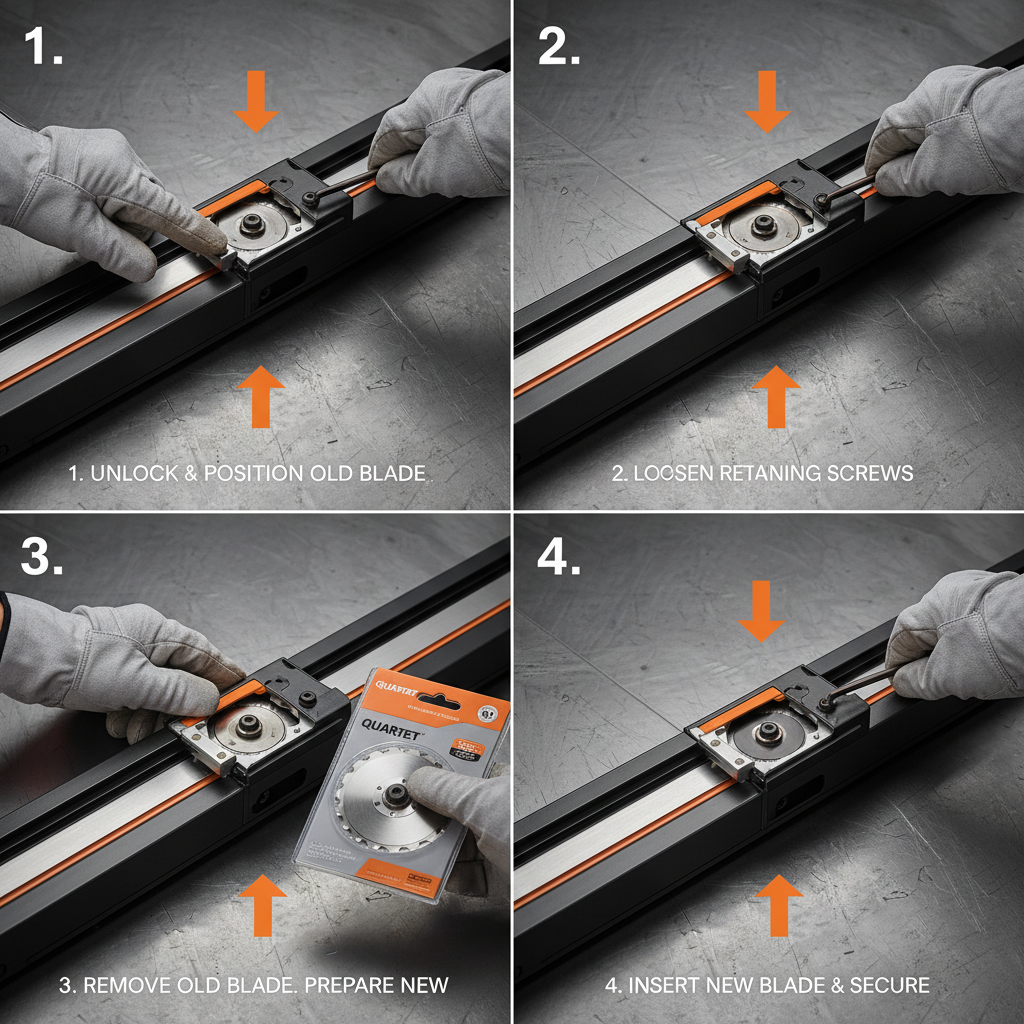
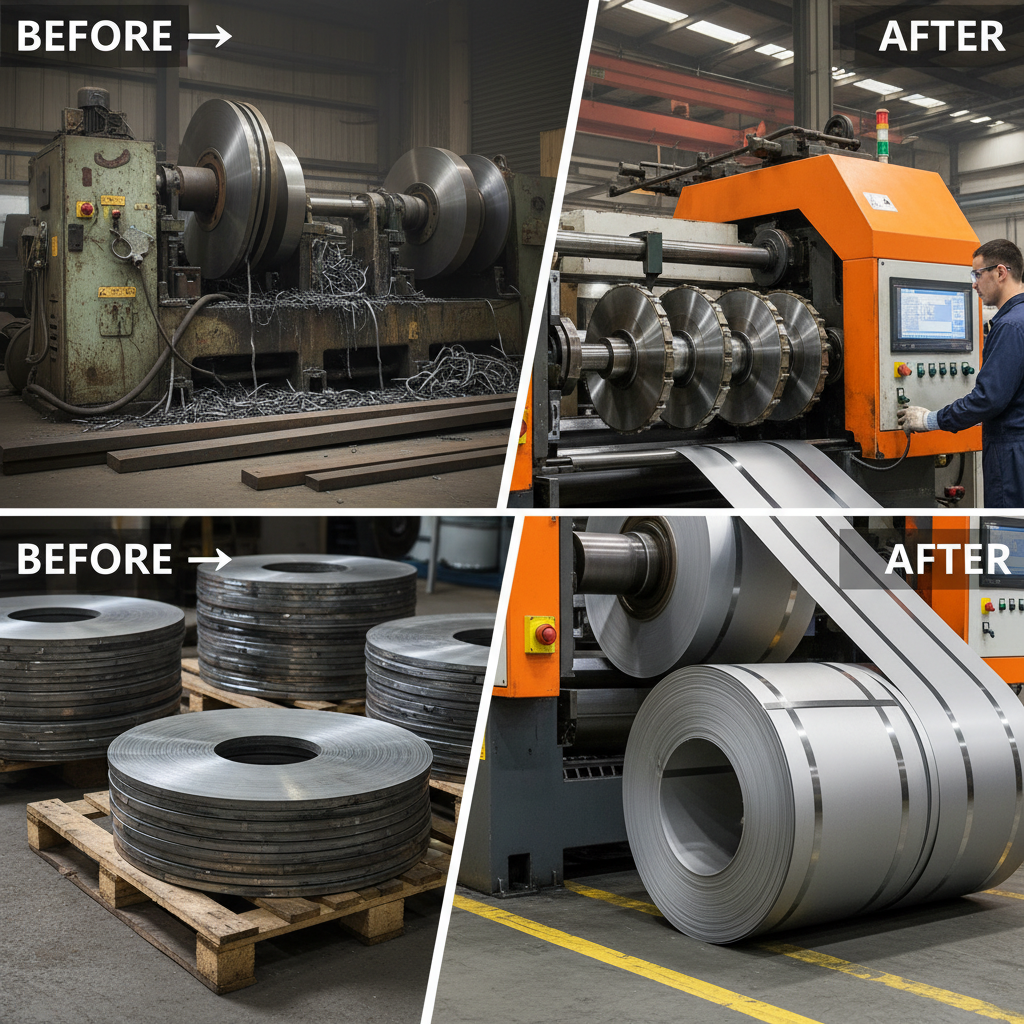
In the demanding landscape of industrial manufacturing, the precision of a round blade cutter serves as the cornerstone for efficiency across multiple sectors. Whether it is slicing through heavy-duty rubber, precision-cutting plastics, or processing raw materials in a steel mill, the integrity of the circular cutting edge determines the quality of the final output and the longevity of the machinery.
The global shift toward automation and high-throughput production has placed unprecedented pressure on cutting tools to maintain sharpness and structural stability under extreme thermal and mechanical stress. Understanding the nuances of material science—from tungsten carbide to high-speed steel—allows operators to optimize their round blade cutter configurations, reducing downtime and minimizing material waste.
Ultimately, investing in high-performance circular cutting solutions is not merely a maintenance decision but a strategic move toward operational excellence. By aligning tool geometry with specific material properties, industries can achieve a seamless balance between cutting speed and edge durability, ensuring a competitive edge in an increasingly rigorous global market.
Global Industrial Relevance of Round Blade Cutter
On a global scale, the round blade cutter is an indispensable component in the supply chains of the automotive, aerospace, and packaging industries. According to ISO standards for machining tools, the precision and tolerance of circular blades directly impact the energy efficiency of industrial motors, as a dull blade increases friction and power consumption significantly.
In emerging industrial hubs across Southeast Asia and Latin America, the adoption of high-grade alloy circular cutters has allowed local manufacturers to meet stringent international export quality standards. The challenge often lies in the balance between procurement costs and the total cost of ownership, where inferior blades lead to frequent machine stoppages and costly product rejects.
Technical Definition and Industrial Meaning
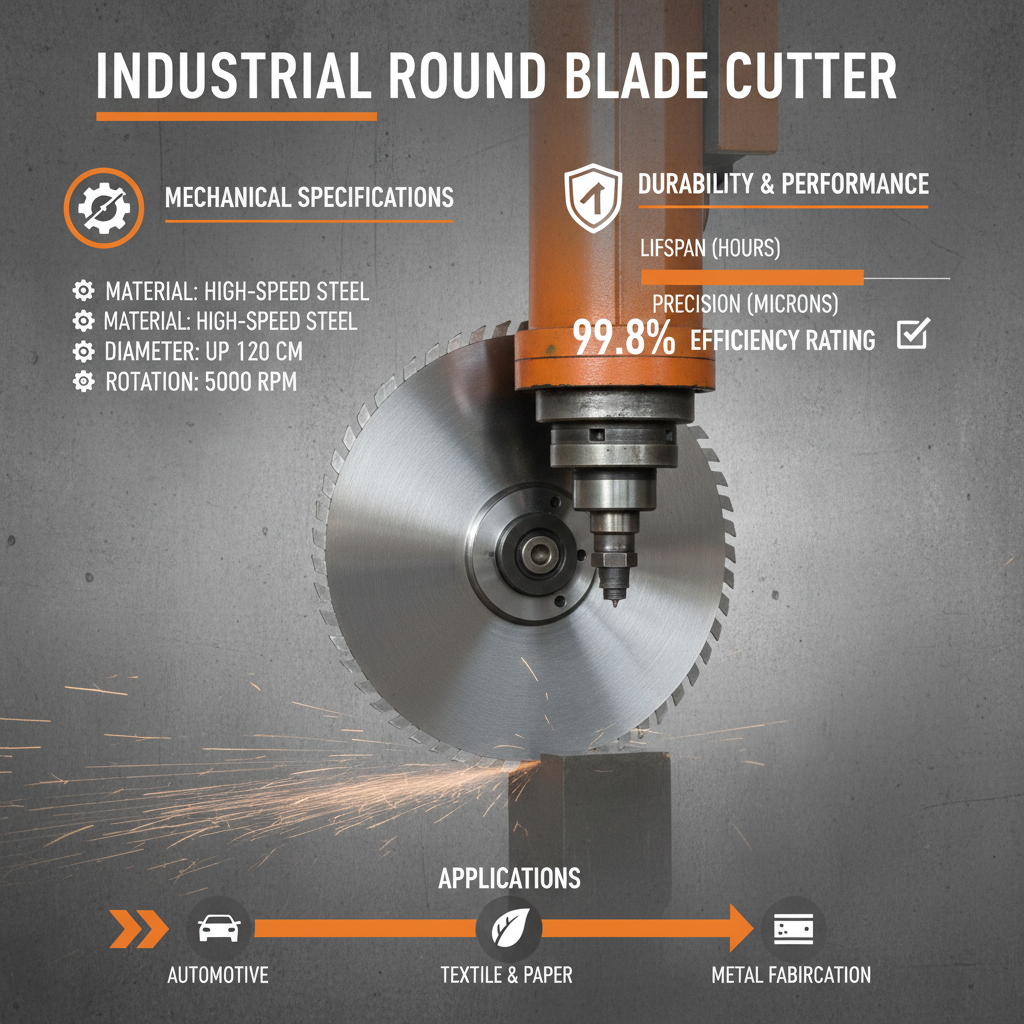
A round blade cutter is a rotating cutting tool designed to shear, slice, or trim materials through a continuous circular motion. Unlike linear blades, the round geometry allows for a constant feed rate and a continuous cutting action, which is critical for high-volume processing of rolls, sheets, and extruded profiles.
In the context of modern industry, these tools represent the intersection of metallurgy and mechanical engineering. The "meaning" of a high-quality cutter extends beyond simple slicing; it encompasses the ability to maintain a burr-free edge, resist thermal deformation at high RPMs, and withstand the abrasive nature of industrial composites.
For humanitarian and infrastructure needs—such as the rapid production of emergency housing components or the processing of recycled plastics for construction—the efficiency of a round blade cutter ensures that essential materials are produced quickly and with minimal waste, supporting sustainable development goals.
Core Factors Driving Blade Performance
The primary factor in the success of a round blade cutter is material composition. High-carbon steels provide excellent sharpness, but for high-abrasion environments like mining or concrete mixing, tungsten carbide inserts or specialized cobalt alloys are employed to ensure the edge does not degrade prematurely.
Precision geometry, including the rake angle and clearance angle, is where the round blade cutter truly differentiates itself. A perfectly calculated angle reduces the force required for penetration, which in turn lowers the heat generation and prevents the material from melting or tearing during the cut.
Lastly, surface treatment and coating technology, such as Titanium Nitride (TiN) or Diamond-Like Carbon (DLC), provide a critical barrier against corrosion and friction. These coatings extend the interval between sharpenings, thereby increasing the overall equipment effectiveness (OEE) for the end-user.
Versatile Applications Across Global Sectors
The versatility of the round blade cutter is evident in its deployment across diverse industrial landscapes. In the plastic processing industry, these blades are used for precision slitting of films, while in the steel mill environment, heavy-duty versions handle the shearing of massive steel rolls with microns of accuracy.
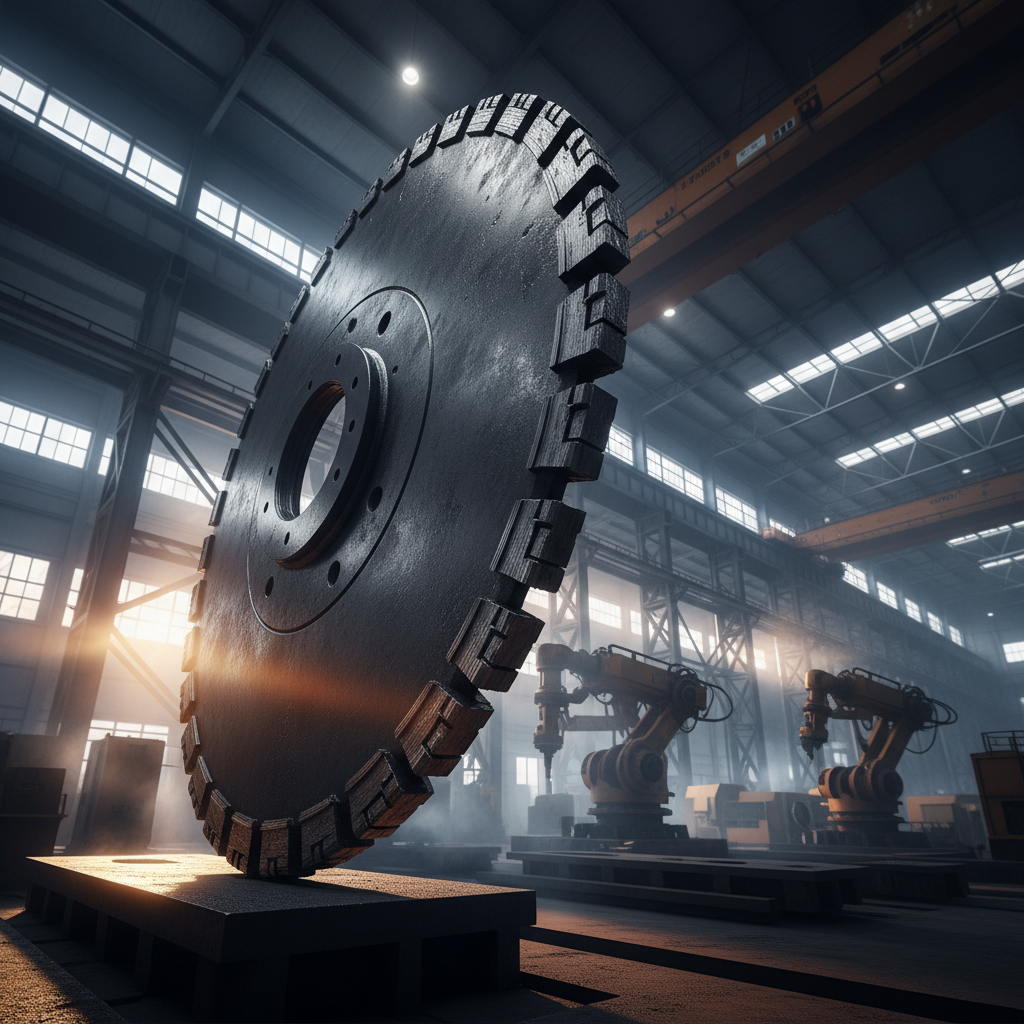
From the recycling centers of Northern Europe processing scrap metal to the food processing plants in North America slicing organic produce, the circular design ensures a consistent cut that linear alternatives cannot match. In remote industrial zones, such as mining operations in Australia, the durability of crushing knives—a specialized form of the round cutter—is vital for processing ores without constant replacement.
Efficiency Ratings of Round Blade Cutter Materials
Long-Term Value and Economic Advantages
The long-term value of a premium round blade cutter manifests in reduced operational expenditure (OPEX). While the initial purchase price of a high-grade blade may be higher, the reduction in frequency of blade changes and the decrease in scrap material lead to a significantly lower cost-per-cut over the machine's lifecycle.
Beyond the financials, there is a critical safety and reliability angle. A dull or unstable blade is prone to chipping or catastrophic failure, which poses a severe risk to operators. High-precision circular blades provide a predictable, stable cut, fostering a safer work environment and increasing the trust operators place in their automated systems.
Future Trends in Cutting Tool Innovation
The evolution of the round blade cutter is now being driven by the "Industry 4.0" movement. We are seeing the integration of smart sensors within the blade hubs that can monitor vibration and temperature in real-time, alerting maintenance teams to the exact moment a blade needs sharpening before it affects product quality.
Material science is also pivoting toward "Green Metallurgy," focusing on recyclable alloys and coatings that reduce the environmental footprint of tool production. The development of nanocrystalline structures is allowing for blades that are harder than traditional carbide yet less brittle, expanding the possibilities for cutting ultra-hard recycled composites.
Furthermore, the rise of AI-driven precision machining means that round blade cutter geometries are now being optimized through generative design, creating blade profiles that maximize shear efficiency while minimizing the energy required for rotation.
Overcoming Common Operational Challenges
One of the most persistent challenges with the round blade cutter is heat accumulation, which can lead to "blueing" of the steel and loss of hardness. To solve this, expert engineers recommend implementing advanced cryogenic cooling systems or using specialized heat-resistant coatings that act as thermal barriers.
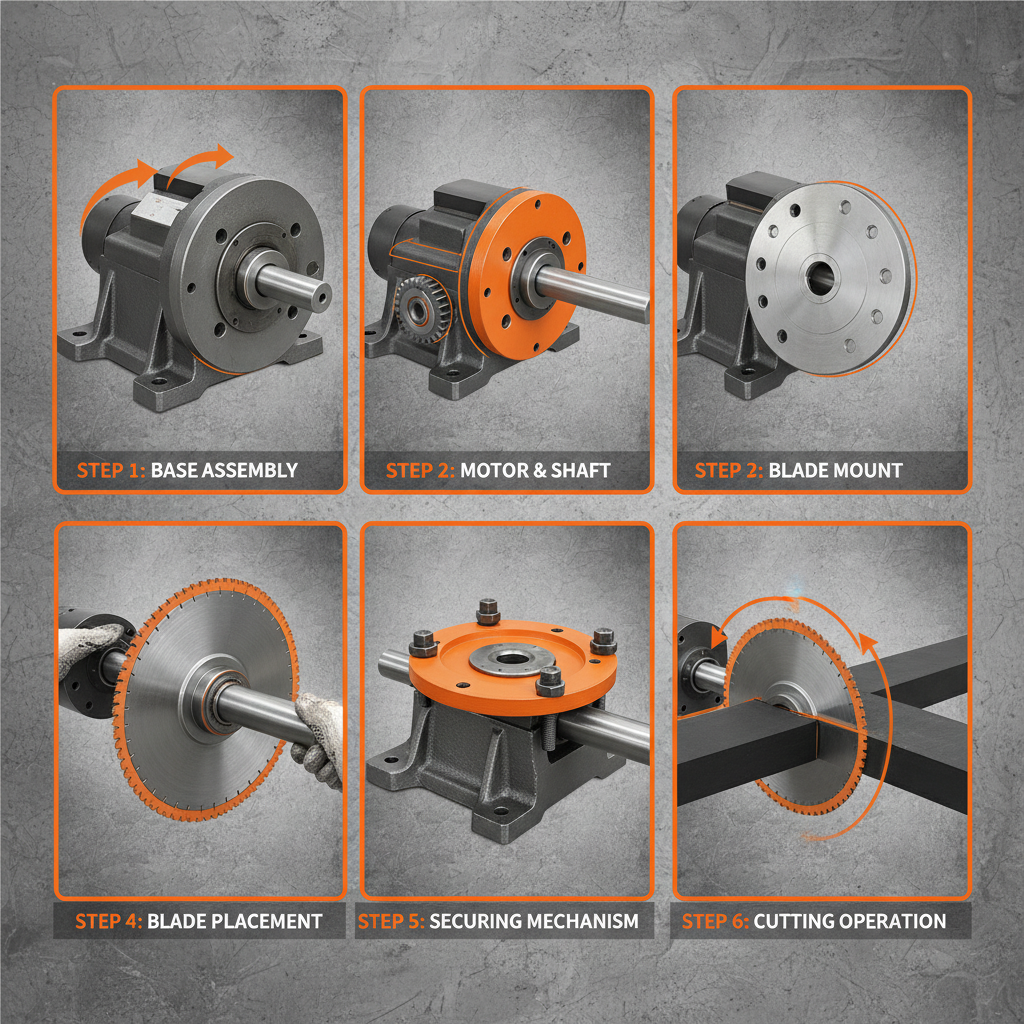
Another common issue is blade oscillation or "chatter," which results in uneven cut surfaces. This is often solved by improving the concentricity of the blade mounting and ensuring that the round blade cutter is perfectly balanced using dynamic balancing machines, which eliminates centrifugal imbalances.
Finally, the challenge of material buildup (galling) on the blade face can be addressed through the application of hydrophobic or non-stick coatings. By preventing the material from adhering to the blade, companies can maintain a clean cut and avoid the need for frequent manual cleaning stoppages.
Comparative Analysis of Round Blade Cutter Operational Solutions
| Challenge Type |
Root Cause |
Recommended Solution |
Effectiveness (1-10) |
| Thermal Wear |
High-speed friction |
TiAlN Nano-coating |
9 |
| Edge Chipping |
Material hardness spikes |
Tungsten Carbide Grade C2 |
8 |
| Surface Chatter |
Centrifugal imbalance |
Dynamic Balancing |
10 |
| Material Galling |
Chemical adhesion |
DLC Coating |
7 |
| Rapid Blunting |
Abrasive dust |
PCD (Poly-crystalline Diamond) |
9 |
| Vibration Noise |
Poor bearing fit |
Precision Bored Hubs |
8 |
FAQS
Selection depends on the material being cut. For soft plastics and rubber, high-carbon tool steel is usually sufficient. However, for abrasive materials like fiberglass or reinforced composites, tungsten carbide is preferred. For the highest possible wear resistance in industrial settings, Polycrystalline Diamond (PCD) coatings offer the longest lifespan, though at a higher initial cost.
Vibration is typically caused by imbalance in the blade's mass distribution or a misalignment between the cutter and the drive shaft. This "chatter" can lead to poor cut quality and premature bearing wear. The solution is to ensure the blade is dynamically balanced and that the mounting flanges are perfectly parallel and clean of debris.
The sharpening interval varies based on the material throughput and hardness. Generally, you should monitor the "burr" quality of the cut material. Once the edge begins to tear rather than slice, sharpening is required. Implementing a predictive maintenance schedule based on total linear meters cut is more effective than waiting for visible failure.
Yes, but the blade material must be compatible. Dry cutting generates more heat, requiring heat-resistant coatings like TiAlN. Wet cutting uses coolants to reduce friction and remove debris, which is essential for materials that melt at low temperatures. Ensure that the blade's core material is corrosion-resistant if using water-based coolants.
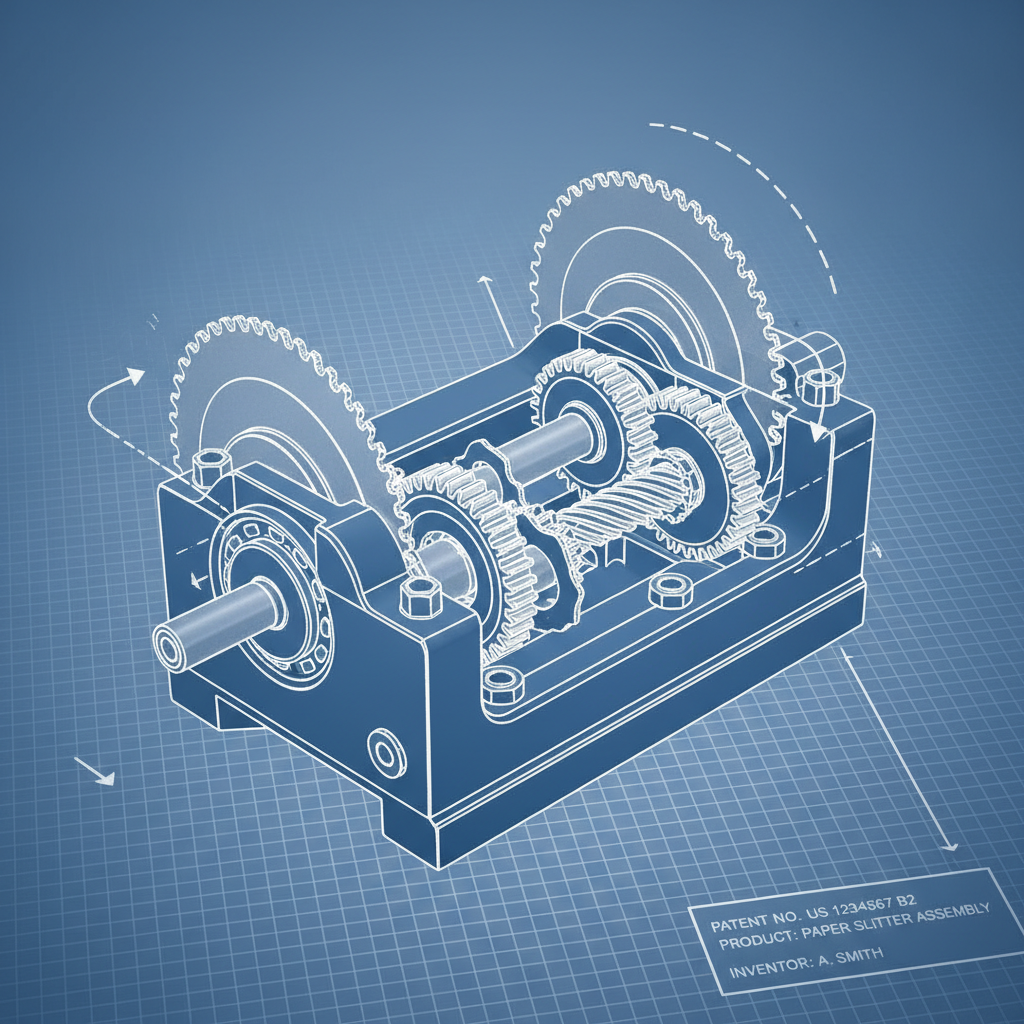
While both are circular, slitting blades are specifically engineered for "roll-to-roll" processing, often featuring very thin profiles and extremely tight tolerances to ensure consistent width across thousands of meters of material. A general round blade cutter may be thicker and designed for standalone shearing or crushing tasks.
In almost all high-volume industrial applications, the answer is yes. Although carbide blades cost more upfront, their wear rate is significantly lower. This results in fewer machine stoppages and less labor cost for blade changes. In many cases, the ROI is achieved within the first few months of operation through increased uptime.
Conclusion
In summary, the round blade cutter is far more than a simple industrial tool; it is a precision instrument that drives the efficiency of global manufacturing. From the critical selection of alloys and coatings to the implementation of Industry 4.0 monitoring, every detail in the design and maintenance of these blades contributes to a reduction in waste and an increase in product quality.
As we look toward a future defined by sustainable production and automation, the importance of high-performance cutting solutions will only grow. We recommend that manufacturers move away from reactive replacement and toward a data-driven maintenance approach to maximize the lifecycle of their tools. For those seeking to optimize their production line with industry-leading precision tools, visit our website: www.mechblades.com.